
Gardening wisdom is often passed down like a family casserole recipe: lovingly, confidently, and occasionally with ingredients that make no scientific sense. Some traditional garden tips are harmless little rituals. Others waste money, damage soil, stress plants, or transform a simple Saturday chore into an elaborate chemistry experiment involving Epsom salt, rusty nails, and whatever is lurking beneath the kitchen sink.
The problem is not that earlier gardeners were foolish. They worked with the observations and materials available to them. Modern horticultural research, soil testing, and decades of Cooperative Extension fieldwork have simply given us better explanations for why plants thriveor dramatically collapse while we stand nearby holding a banana peel.
Here are 11 old gardening tips worth retiring, along with practical, research-based alternatives that produce healthier plants, stronger roots, and fewer conversations beginning with, “Well, my neighbor said…”
Why Old Gardening Advice Survives
Garden myths are unusually durable because plants respond slowly and are influenced by many variables. A gardener may sprinkle coffee grounds around a hydrangea, receive perfectly timed rainfall, and see vigorous growth two weeks later. The coffee gets the credit even though moisture, temperature, existing soil fertility, and plant genetics probably did most of the work.
There is also a strong temptation to believe in simple fixes. A tablespoon of household powder sounds much easier than testing soil, improving drainage, selecting suitable plants, and tracking irrigation. Unfortunately, plants are living organisms rather than vending machines. Insert Epsom salt, receive prize-winning tomatoes is not a dependable system.
11 Outdated Gardening Tips You Should Stop Following
1. Bury Rusty Nails to Correct an Iron Deficiency
The theory sounds reasonable: Plants need iron, nails contain iron, and rusty nails appear to be releasing it. The missing detail is chemical availability. Rust is primarily iron oxide, and plants cannot necessarily absorb that iron simply because an old nail is resting near their roots.
Iron chlorosis is often related to high soil pH rather than a total absence of iron. In alkaline soil, iron may be present but chemically unavailable to the plant. Adding random metal objects does not correct the underlying pH problem and creates an unpleasant surprise for whoever digs in the bed later.
Do this instead: Test the soil. If iron deficiency is confirmed, use an iron product formulated for plants and suitable for the soil’s pH. Improving drainage and adding finished compost across the planting area may also support healthier root function.
2. Use Coffee Grounds to Make Soil More Acidic
Fresh coffee is acidic, so it seems logical that used coffee grounds should lower garden soil pH. Most of that acidity, however, enters the cup during brewing. Spent grounds are not a predictable soil acidifier, and their pH can vary as they decompose.
Dumping thick layers of grounds directly around plants may create a compacted surface that interferes with air and water movement. Large quantities can also introduce compounds that temporarily inhibit the germination or growth of certain plants.
Do this instead: Add modest amounts of coffee grounds to a balanced compost pile. To lower soil pH for blueberries, azaleas, or other acid-loving plants, begin with a soil test and use a recommended amendment such as elemental sulfur at the proper rate.
3. Sprinkle Epsom Salt on Tomatoes to Prevent Blossom End Rot
Epsom salt is magnesium sulfate. Blossom end rot is associated with insufficient calcium reaching developing fruit. Adding magnesium does not supply calcium, and excessive magnesium can compete with calcium uptake. That makes this remedy less like garden medicine and more like treating a headache by changing your socks.
In many gardens, the soil already contains adequate calcium. The real problem is inconsistent water movement. Drought, sudden flooding, root injury, or rapid growth can prevent calcium from reaching the fruit even when plenty is present in the ground.
Do this instead: Keep soil evenly moist, apply mulch, avoid damaging roots during cultivation, and fertilize according to soil-test recommendations. Use Epsom salt only when a genuine magnesium deficiency has been identified.
4. Bury Banana Peels Beside Roses for Bigger Blooms
Banana peels contain plant nutrients, including potassium, but they are not complete rose fertilizer. Nutrients trapped inside an undecomposed peel are not instantly available to roots. A whole peel may take time to break down, attract animals, or create an unpleasant pocket of decaying organic material.
Roses require a balanced supply of nutrients, not a fruit-scrap scavenger hunt. Potassium is important, but so are nitrogen, phosphorus, micronutrients, water, sunlight, soil structure, and correct pruning.
Do this instead: Put banana peels in a managed compost pile or worm bin. Once decomposition is complete, the resulting compost can be spread through the garden. Feed roses according to soil conditions and the directions on a balanced fertilizer product.
5. Add Sugar to the Soil to Grow Sweeter Tomatoes
Tomato roots absorb water and dissolved mineral nutrients; they do not drink soil sugar and pump it directly into fruit. Tomato plants manufacture sugars through photosynthesis, using sunlight, carbon dioxide, and water. Flavor is strongly influenced by variety, ripeness, growing conditions, and the balance of sugars and acids within the fruit.
Pouring sugar into the garden may feed microorganisms, attract ants or other pests, and disrupt the soil environment without improving the tomato’s flavor.
Do this instead: Choose a tomato variety known for good flavor, provide sufficient sunlight, water consistently, avoid excessive nitrogen, and allow fruit to ripen properly. A ‘Sun Gold’ cherry tomato will usually taste sweet because of its geneticsnot because someone emptied the sugar bowl beside it.
6. Put Gravel in the Bottom of Pots to Improve Drainage
This may be the most persistent container-gardening myth of all. A gravel layer does not pull excess water away from potting mix. Water tends to remain in the finer-textured soil above the coarse gravel until the soil becomes saturated enough for water to cross the boundary.
The gravel also reduces the amount of potting mix available for roots. You end up with a heavier container, less growing space, and no magical drainage upgrade.
Do this instead: Use a container with unobstructed drainage holes and fill it with a high-quality potting mix designed for containers. Cover large holes with mesh, a coffee filter, or a small piece of screen if soil loss is a concern, but do not build a miniature driveway under the plant.
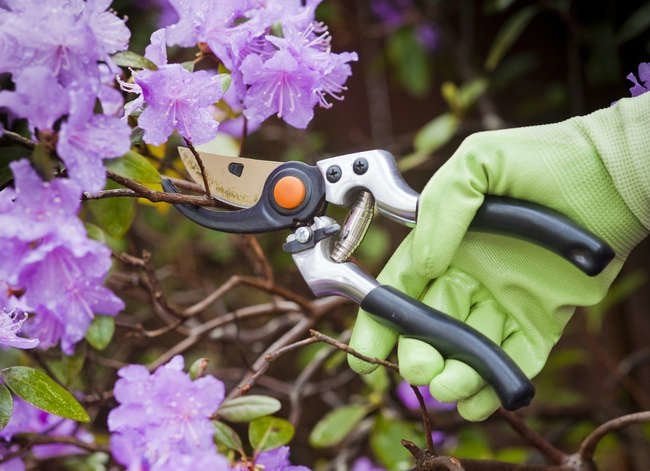
7. Paint Every Pruning Cut to Protect the Tree
Tree wound paint was once promoted as a protective bandage. Research has shown that most pruning cuts are better left uncovered. Trees do not heal wounds in the same way people do; they compartmentalize damaged tissue and gradually seal the area. Some dressings can slow that process or trap moisture against the cut.
The best protection is a clean, correctly positioned cut just outside the branch collar. Flush cuts, torn bark, and long stubs cause more trouble than the absence of paint.
Do this instead: Use sharp tools and proper pruning technique. Leave ordinary cuts untreated. One important exception involves certain oak-wilt regions and seasons, where promptly covering accidental oak wounds may be recommended to reduce insect transmission. Follow local Extension guidance for that specific situation.
8. Give Every Plant a Little Water Every Day
A daily surface sprinkle can keep the upper inch of soil damp while leaving deeper roots thirsty. Frequent shallow watering may encourage roots to remain near the surface, where they are more vulnerable to heat and drought.
Plants do not all need the same irrigation schedule. Soil texture, rainfall, temperature, wind, plant species, root depth, and stage of establishment matter. A newly planted tree may need frequent monitoring, while an established drought-tolerant perennial may resent constant watering.
Do this instead: Check the soil before irrigating. Water thoroughly enough to moisten the active root zone, then allow appropriate drying between sessions. Apply water slowly so it soaks in rather than running down the driveway to nourish the storm drain.
9. Homemade Vinegar, Salt, and Dish Soap Is a Harmless Weed Killer
“Natural” does not automatically mean selective, effective, or safe. Household vinegar may scorch the leaves of tiny weeds but often fails to kill established roots. Stronger horticultural vinegar can injure skin and eyes. Salt can move through soil and damage desirable plants, while dish detergent may injure leaf tissue because it was formulated for plates, not petunias.
A homemade mixture also lacks the tested application rates, protective instructions, and environmental guidance found on a registered herbicide label. Meanwhile, perennial weeds may regenerate from protected roots and return looking refreshed by the challenge.
Do this instead: Pull or dig weeds when soil is moist, mulch open ground, use a hoe on young seedlings, or choose an appropriate labeled product for the site. Keep salt-based mixtures away from garden soil unless your landscaping plan is “nothing grows here until further notice.”
10. Fill Every Planting Hole With Rich Compost and Fertilizer
Giving a new tree or shrub a pocket of luxurious soil sounds generous. Unfortunately, heavily amending only the planting hole can create a sharp boundary between the soft backfill and surrounding native soil. Roots may remain inside the amended pocket rather than spreading into the landscape.
Excess organic matter can also hold too much moisture around roots. Concentrated fertilizer placed in the hole may injure tender roots and increase transplant stress. The plant has already been moved, handled, and asked to establish a new root system; it does not need a fertilizer ambush.
Do this instead: Dig a hole no deeper than the root ball and substantially wider. Position the root flare at or slightly above the surrounding grade, correct circling roots, and backfill mainly with native soil. When broader soil improvement is necessary, amend the entire planting area rather than creating one isolated pocket.
11. Plant Potatoes on Good Friday No Matter the Conditions
Good Friday became a traditional potato-planting date because it often arrived near the beginning of spring planting in certain climates. The holiday moves from year to year, however, while soil does not consult the church calendar before warming.
Planting into cold, saturated ground can delay emergence and encourage decay. Planting too late may expose tuber development to excessive heat. Regional weather, soil temperature, drainage, and the expected frost pattern are much more useful than a fixed traditional date.
Do this instead: Plant certified seed potatoes when the soil can be worked and local conditions are suitable. Potatoes favor cool growing conditions, with strong tuber development generally occurring well below hot midsummer soil temperatures. Consult your local Extension planting calendar and use a soil thermometer when spring weather is unpredictable.
What Research-Based Gardening Looks Like
Rejecting garden myths does not mean turning the backyard into a sterile laboratory. It means matching each action to an observable need. Before adding a nutrient, identify a deficiency. Before watering, check moisture. Before treating a pest, identify it. Before changing soil pH, test it.
This approach can feel less exciting than discovering a “secret ingredient,” but it is usually cheaper and more effective. The most valuable garden tools are often ordinary ones: a soil test, a rain gauge, a moisture check, sharp pruners, several inches of mulch, and a notebook recording what happened.
Good gardening is not about applying the greatest number of treatments. It is about creating suitable conditions and interfering only when necessary. Plants have been growing without motivational speeches from our spice cabinets for quite some time.
Field Notes: A Season of Ignoring Old Garden Myths
The following practical field notes illustrate the kinds of changes gardeners commonly notice when they replace folk remedies with observation, testing, and consistent care.
At the beginning of the season, the first surprise is how many garden chores disappear. There is no need to save rusty hardware for the flower bed, measure Epsom salt into the watering can, or carry banana peels outside like ceremonial offerings. The garden immediately becomes less complicated, and the storage shelf stops resembling a poorly supervised science fair.
The container plants often provide the earliest visible lesson. Pots that once contained two inches of gravel are repotted with a uniform container mix and clear drainage holes. Because there is more room for potting soil, the roots have a larger reservoir of moisture and oxygen. Water is applied until excess drains from the bottom, but the plants are not automatically watered again the next morning. Instead, the top layer is checked by touch. Some pots need water quickly in warm weather; others remain moist for several days. The schedule is determined by the plants rather than the clock.
In the vegetable bed, tomatoes receive mulch and steady irrigation instead of Epsom salt. The plants may still develop an occasional damaged fruit after a period of extreme weather, but the overall pattern improves as soil moisture becomes more consistent. That experience makes an important point: Research-based care does not promise perfection. It improves the conditions that gardeners can control.
Coffee grounds and fruit scraps are redirected to the compost pile. Months later, they return as dark, crumbly organic matter that can be spread across an entire bed. This feels slower than burying a peel beside a rose, yet the result is more useful. Finished compost improves the wider rooting environment rather than creating isolated pockets of decomposition.
Weed management changes, too. Instead of spraying a salt-and-vinegar mixture, young weeds are sliced off with a hoe after a dry morning. Larger taproot weeds are removed after rain, when the soil releases them more easily. Bare ground is covered with mulch. None of these techniques is glamorous, but the weeds gradually become smaller and less numerous without leaving salty soil around nearby ornamentals.
The biggest shift is mental. Yellow leaves no longer trigger an immediate trip to the fertilizer aisle. They prompt questions: Is the soil wet? Are the roots confined? Has the temperature changed? Is the yellowing on old leaves or new growth? Could insects, disease, pH, or normal seasonal aging be involved? By delaying treatment long enough to identify the cause, the gardener avoids creating a second problem while attempting to solve the first.
By late summer, the garden does not look magical because of a single miracle ingredient. It looks healthy because dozens of small decisions were appropriate: the right plant was placed in the right light, roots were given space, water reached the correct depth, mulch moderated moisture, and amendments were used only when evidence justified them.
Perhaps that is the most useful gardening experience of all. Successful gardens are rarely built on secret tricks. They are built on attention. Once a gardener begins watching the soil and plants instead of obeying every inherited rule, the backyard becomes easier to understandand considerably less interested in the contents of the pantry.
Conclusion
Old gardening tips survive because they are memorable, inexpensive, and usually offered with great confidence. But confidence is not fertilizer. Rusty nails do not reliably correct iron problems, gravel does not improve container drainage, and sugar does not travel through tomato roots in search of sweeter fruit.
The better approach is straightforward: test before amending, identify before treating, water according to soil conditions, and rely on techniques supported by plant science. You can still honor gardening tradition by growing heirloom tomatoes, swapping seeds, and complaining about squirrels. Just leave the Epsom salt in the bathroom and the banana peels in the compost bin.
SEO Information
Note: This article synthesizes research-based guidance from Bob Vila and U.S. horticultural authorities, including Cooperative Extension programs at Minnesota, Illinois, Oregon State, Purdue, Penn State, Colorado State, Georgia, Mississippi State, North Dakota State, UC Agriculture and Natural Resources, and Arizona, along with EPA WaterSense recommendations.














