
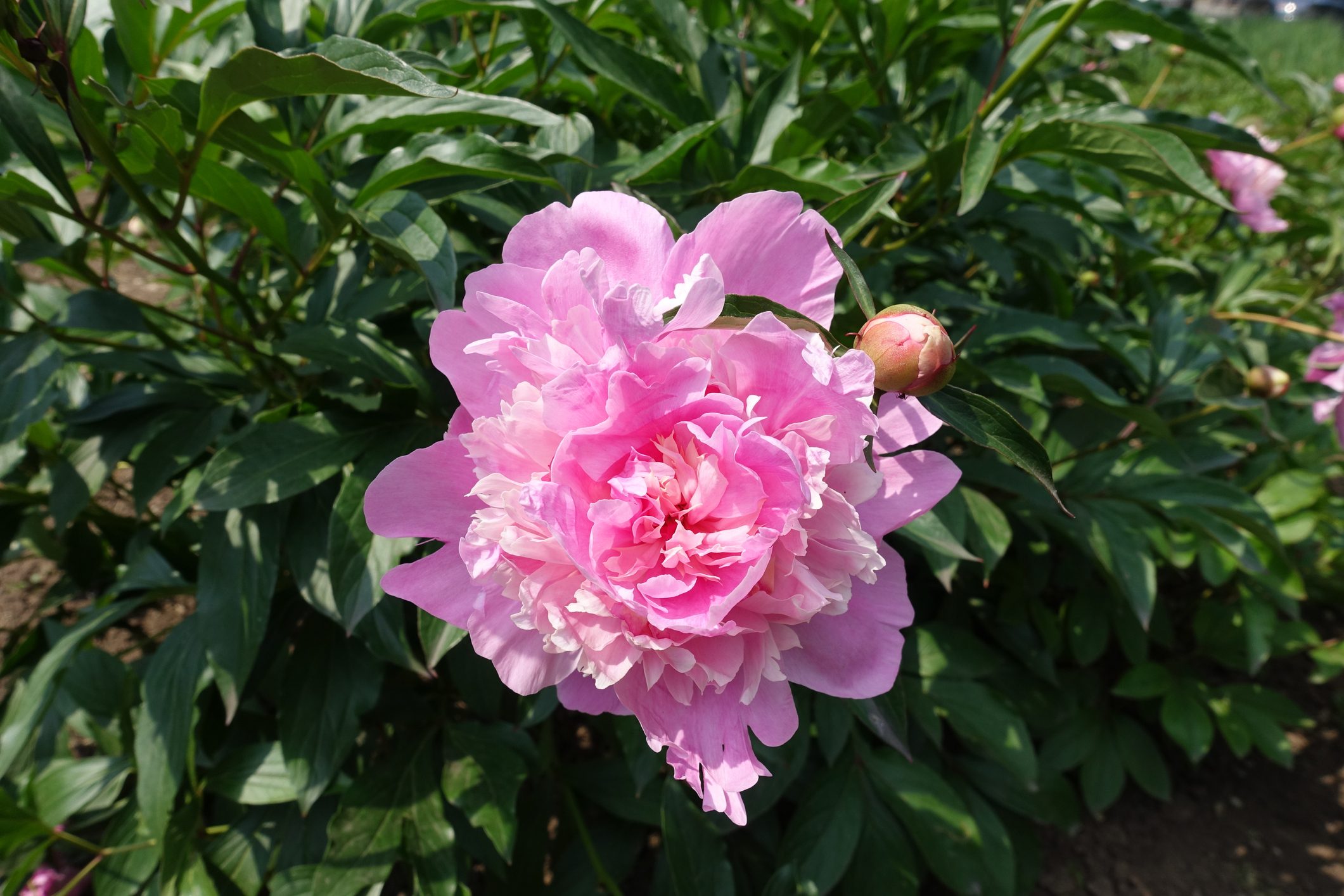
A beautiful garden is nice. A beautiful garden that smells like sunshine, warm herbs, fresh petals, and something mysterious from grandma’s porch? That is next-level gardening. Fragrant plants do more than decorate a yard. They change how a space feels. They can make a front walkway more welcoming, a patio more relaxing, and a plain fence suddenly seem like it belongs in a garden magazine.
The best part is that fragrance does not belong to one type of plant. Some scented garden plants are flowers with perfume-like blooms. Others are herbs with aromatic leaves. Some are shrubs that quietly wait until spring, then announce themselves like they hired a brass band. Whether you garden in containers, raised beds, borders, or a full backyard landscape, there is a fragrant plant that can earn its spot.
Below are 11 plants to grow for fragrance, chosen for their scent, usefulness, beauty, and ability to make your garden feel more alive. Think of this as your starter menu for a garden that smells as good as it looks.
Why Grow Fragrant Plants?
Fragrance adds a sensory layer that color alone cannot provide. A purple flower may catch your eye, but a lavender plant near a walkway can stop you mid-step. A rose in bloom may look romantic, but a truly fragrant rose makes you lean closer without even realizing it. Scent creates memory, mood, and atmosphere.
Fragrant plants are especially useful near patios, windows, gates, porches, garden benches, and paths. That is where people naturally pause, sit, brush against foliage, or walk slowly enough to notice scent. The secret is placement. A fragrant plant hidden in the far corner of the yard is like a great joke told in an empty room. Put the scent where life happens.
11 Best Plants to Grow for Fragrance
1. Lavender
Lavender is the classic fragrant plant for gardeners who want beauty, aroma, and a touch of Mediterranean drama without needing a passport. Its silvery foliage and purple flower spikes bring a clean, herbal scent that works beautifully along walkways, in borders, in rock gardens, and in containers.
Lavender prefers full sun and excellent drainage. If your soil stays wet, lavender will not politely complain; it will simply give up. Raised beds, gravelly soil, and containers with drainage holes are your friends. Avoid rich, soggy soil and heavy fertilizing. Lavender likes life a little lean.
Use lavender where you can brush past it. The leaves release scent when touched, making it perfect beside a garden path or patio steps. For dried bouquets, cut flower stems just as the buds begin opening.
2. Gardenia
Gardenia is the diva of fragrant flowers, and honestly, it has earned the attitude. Its creamy white blooms have a rich, sweet fragrance that can perfume a porch or courtyard. The glossy evergreen leaves make it attractive even when it is not blooming.
Gardenias grow best in warm regions with acidic, well-drained soil rich in organic matter. They appreciate consistent moisture but dislike soggy roots. Morning sun with afternoon shade is often ideal, especially in hot climates. If the leaves turn yellow, the plant may be dealing with alkaline soil or nutrient issues.
Plant gardenia near an entryway, window, or sitting area. A single bloom can smell luxurious enough to make your garden feel like it has a concierge.
3. Lilac
Lilac is spring nostalgia in shrub form. When lilacs bloom, the fragrance is unmistakable: sweet, floral, fresh, and old-fashioned in the best possible way. Lilacs are excellent for cottage gardens, shrub borders, and cutting gardens.
Common lilacs perform best in full sun and well-drained soil. They also appreciate good air circulation, which helps reduce disease problems. Many lilacs prefer colder winters, so gardeners in hot southern climates may need to choose heat-tolerant varieties or enjoy other fragrant shrubs instead.
Prune lilacs right after flowering if needed. They bloom on old wood, so late-season pruning can remove next year’s flower buds. In other words, do not give your lilac a dramatic haircut in fall unless you enjoy waiting.
4. Fragrant Roses
Not every rose smells strong, but the right rose can become the star of a scented garden. Look for varieties described as having old rose, fruity, spicy, musk, tea, or damask fragrance. Many shrub roses, English-style roses, antique roses, and some climbing roses offer impressive scent.
Roses generally need full sun, fertile well-drained soil, regular watering, and enough spacing for airflow. Mulch helps conserve moisture and reduce weeds. Avoid overhead watering when possible, because wet leaves can invite disease.
Use fragrant roses near arbors, fences, seating areas, or cutting gardens. A climbing rose over a gate creates the kind of entrance that makes people slow down and say, “Wait, what smells so good?” That is the garden equivalent of applause.
5. Star Jasmine
Star jasmine is a fragrant vine with creamy white flowers that bloom in late spring and sometimes continue lightly into summer. Despite the name, star jasmine is not a true jasmine, but your nose probably will not care. Its scent is sweet, warm, and noticeable.
This vine is ideal for trellises, fences, arbors, and containers with support. It grows best in well-drained soil and sun to partial shade. In warm climates, it can be evergreen, adding glossy leaves even when flowers are absent.
Place star jasmine near outdoor dining areas or porch railings. When it blooms, evening air can carry the fragrance beautifully. It is the plant version of mood lighting.
6. Sweet Alyssum
Sweet alyssum may be small, but it knows how to work a crowd. This low-growing annual produces masses of tiny flowers with a honey-like fragrance. It is perfect for edging beds, spilling from containers, softening the edges of raised beds, or filling gaps around taller plants.
Sweet alyssum performs best in cool weather and may slow down during intense summer heat. In mild climates, it can bloom for a long season. Shearing it back lightly after flowering can encourage fresh growth and more blooms.
Use sweet alyssum where you want a soft, romantic look without fussy maintenance. It also pairs beautifully with roses, herbs, pansies, snapdragons, and spring bulbs.
7. Hyacinth
Hyacinths are spring bulbs with a fragrance that is almost shocking for such compact plants. Their dense flower spikes come in shades of blue, purple, pink, white, and yellow, and they are excellent near doorways, paths, and containers.
Plant hyacinth bulbs in fall for spring bloom. They need well-drained soil and a chilling period to flower properly. In many regions, they return for several years, though bloom size may gradually decrease.
Because hyacinths are strongly scented, plant them where you can enjoy them without overwhelming a small indoor space. Outdoors, they are wonderful along a front walk. Indoors, one pot can make a whole room smell like spring just walked in wearing perfume.
8. Dianthus
Dianthus includes favorites such as pinks, carnations, and Sweet William. Many varieties have a spicy clove fragrance that sets them apart from sweeter floral scents. Their fringed petals and neat growth habit make them excellent for borders, rock gardens, cottage gardens, and containers.
Dianthus prefers full sun, well-drained soil, and good air circulation. Many types appreciate neutral to slightly alkaline soil. Avoid wet, heavy soil, especially in winter, because poor drainage can cause root and crown problems.
Plant dianthus at the front of a bed where its scent is easy to notice. It is especially charming near stone paths, low walls, and container edges.
9. Rosemary
Rosemary proves that flowers do not get to have all the fun. This woody herb has intensely fragrant foliage that smells sharp, piney, savory, and clean. It is useful in the kitchen, attractive in the garden, and tough once established in the right conditions.
Rosemary needs full sun and well-drained soil. It tolerates drought once established but dislikes wet, heavy clay. In colder climates, grow rosemary in a container and move it to a protected location during winter.
Use rosemary near outdoor kitchens, patios, and sunny walkways. Brush the leaves with your hand and the scent rises instantly. Bonus: dinner may suddenly involve roasted potatoes.
10. Sweet Pea
Sweet pea is a cool-season annual vine loved for delicate flowers and romantic fragrance. The blooms come in many colors, including pink, lavender, cream, red, and purple. They are excellent for trellises, fences, obelisks, and cutting gardens.
Sweet peas prefer cool weather, full sun, rich well-drained soil, and consistent moisture. In hot climates, plant early so they can bloom before summer heat arrives. Removing spent flowers helps keep plants blooming longer because seed production slows flower production.
Give sweet peas something to climb and enjoy the reward. A vase of fresh sweet peas on a desk or kitchen table is proof that gardening can improve your entire day in under five seconds.
11. Carolina Allspice
Carolina allspice, also called sweetshrub, is a native shrub with unusual reddish-brown flowers and a sweet, fruity, spicy fragrance. Some people detect hints of strawberry, pineapple, banana, or warm spice. The scent can vary from plant to plant, so buying one in bloom is a smart move.
This shrub grows well in average to rich, well-drained soil and can handle full sun to partial shade. In hot climates, afternoon shade can be helpful. It works beautifully in woodland gardens, native plant gardens, mixed shrub borders, and informal landscapes.
Carolina allspice is a wonderful choice if you want a fragrant plant that feels less predictable than lavender or roses. It has personality, and not the boring kind.
How to Design a Fragrant Garden That Actually Works
A scented garden should not smell like 11 perfumes fighting in an elevator. The goal is layering. Choose plants that bloom in different seasons, release scent at different times of day, and occupy different parts of the garden.
Place Fragrance Where People Pause
The best spots for fragrant plants include front doors, gates, patios, decks, garden benches, mailbox paths, and bedroom windows. A fragrant shrub in the back corner may still be beautiful, but it will not deliver the same daily pleasure as lavender beside the steps or jasmine near the porch.
Mix Flowers and Foliage
Flowers are seasonal, but fragrant foliage can provide scent for much longer. Rosemary and lavender release aroma when touched. This makes them useful even outside peak bloom time. Combine them with floral powerhouses such as gardenia, lilac, sweet pea, and hyacinth for a richer experience.
Think About Bloom Season
For spring fragrance, choose lilac, hyacinth, dianthus, and Carolina allspice. For late spring and summer, add roses, lavender, gardenia, star jasmine, rosemary, and sweet alyssum. For cool-season charm, sweet pea is hard to beat. With smart planning, your garden can have waves of scent instead of one short fragrant fireworks show.
Do Not Ignore Soil and Sun
Fragrant plants still need the right growing conditions. Lavender and rosemary want sun and sharp drainage. Gardenia wants acidic soil and steady moisture. Sweet peas prefer cool weather. Lilacs need sunlight and airflow. Matching the plant to the place is the difference between “lush scented garden” and “sad stick with a label.”
Container Ideas for Fragrant Plants
You do not need a large yard to grow fragrance. Containers can bring scent to balconies, porches, patios, and small courtyards. Try rosemary in a terracotta pot, lavender in a sunny container, sweet alyssum spilling over the edge of a mixed planter, or gardenia in a large pot where winters are too cold for outdoor planting.
Use high-quality potting mix and containers with drainage holes. Group plants with similar water and sun needs. Lavender and rosemary can share a dry, sunny style. Gardenia needs a different container routine, with more consistent moisture and acidic conditions.
Common Mistakes to Avoid
Planting Too Far Away
Fragrance should be experienced up close. If a plant smells wonderful only when you hike across the yard, you have made your nose work too hard.
Overwatering Mediterranean Herbs
Lavender and rosemary hate wet roots. Give them drainage, sunshine, and breathing room. Love them with restraint.
Choosing Looks Over Scent
Some modern flowers are bred more for color, size, or disease resistance than fragrance. When buying roses, sweet peas, or dianthus, check the plant description for fragrance strength.
Forgetting About Climate
A plant that thrives in one region may sulk in another. Always check your hardiness zone, humidity, winter temperatures, and soil type before planting.
Experience Notes: What Growing Fragrant Plants Teaches You
Growing fragrant plants changes the way you move through a garden. At first, most gardeners choose plants with their eyes. We look for color, height, bloom size, and whether the plant will politely fit in the empty spot near the fence. But once you grow a few truly fragrant plants, your nose becomes part of the design team. Suddenly, you are not just asking, “Will this look good?” You are asking, “Where will I be standing when this blooms?”
One of the best lessons is that fragrance is personal. Lavender may smell calming to one person and too herbal to another. Gardenia may feel elegant and creamy, while lilac may bring back memories of childhood, spring rain, or an old neighborhood sidewalk. Carolina allspice can surprise people because it does not smell like a typical flower shop bouquet. It feels warmer and fruitier, almost like the garden is baking something without permission.
Another practical lesson is that scented plants reward good placement. A rosemary plant near the kitchen door gets noticed because you pass it often. A pot of sweet alyssum beside a chair becomes part of morning coffee. Star jasmine on a fence near the patio can make summer evenings feel softer. But the same plants placed too far from daily activity may bloom beautifully and still go underappreciated. Fragrance needs proximity.
There is also a rhythm to scented gardening. Hyacinths and lilacs bring that first big spring moment. Dianthus follows with spicy charm. Roses and lavender carry the garden into summer. Gardenia adds richness in warm climates, while rosemary keeps giving scent through its foliage long after many flowers fade. A good fragrance garden is less like a single event and more like a playlist, with different songs arriving at the right time.
Of course, fragrant plants also teach humility. Lavender will not forgive soggy soil just because you had good intentions. Gardenia may demand acidic soil like it is ordering from a five-star menu. Sweet peas may quit when summer heat gets serious. These plants are not difficult just to be dramatic; they are specific. Once you respect their needs, they become far easier to grow.
The most satisfying experience is watching guests react. People often admire colorful flowers politely, but fragrance creates an instant response. They stop. They lean in. They ask what the plant is. Sometimes they smile before they say anything. That is the quiet magic of growing plants for fragrance. You are not only decorating a space. You are creating small, memorable moments that float in the air.
Conclusion
Growing plants for fragrance is one of the easiest ways to make a garden feel more personal, welcoming, and alive. Color catches attention, but scent creates connection. From the herbal calm of lavender and rosemary to the romantic perfume of roses, sweet peas, and gardenia, fragrant plants can turn ordinary outdoor spaces into places people remember.
Start with the conditions you have: sun, shade, soil, space, and climate. Then choose fragrant plants that fit those conditions instead of forcing a high-maintenance mismatch. Place them where you walk, sit, cook, relax, and open windows. That way, your garden does not just sit there looking pretty. It participates.
Whether you grow one pot of rosemary or design an entire scented border with lilac, dianthus, star jasmine, and Carolina allspice, the reward is the same: a garden that greets you before you even see it. And honestly, that is the kind of welcome every home deserves.













