
Long, thick, healthy lashes are the tiny curtains of the face. They frame the eyes, soften a bare-skin look, make mascara behave like it has a college degree, and help protect your eyes from dust and debris. But here is the truth beauty marketing often hides under a dramatic before-and-after photo: eyelashes do not grow overnight, and they do not respond well to panic, glue, rubbing, expired mascara, or mystery potions from the internet.
The good news? You can absolutely support healthier-looking lashes. The best approach is not one miracle trick but a steady routine: protect the lash follicles, reduce breakage, keep the eyelids clean, nourish your body, choose products carefully, and know when to ask a dermatologist or eye doctor for help. This expert guide explains 11 practical, science-aware tips to grow and maintain long lashes, thicker-looking lashes, and stronger eyelashes without treating your eyelids like a craft project.
Quick note: This article is educational and not a substitute for medical care. Sudden eyelash loss, redness, pain, crusting, swelling, vision changes, or one-sided lash shedding deserves a professional evaluation.
Understanding How Eyelashes Grow
Before we talk about lash serums, castor oil, mascara, and salon treatments, we need to respect the lash growth cycle. Eyelashes are hairs, but they are not scalp hairs. They have a shorter growth phase, which is why your lashes do not keep growing until they can be braided. Genetics plays a major role in natural length, density, curl, and color.
Most people naturally shed lashes as part of the normal cycle. A few lost lashes here and there is not a crisis; it is biology taking out the trash. The problem begins when lashes fall out faster than they regrow, break at the middle, become sparse after extensions, or shed alongside symptoms like itching, crusting, burning, or skin irritation.
To grow healthier lashes, think less like a magician and more like a gardener. You cannot yell at seeds to sprout faster. But you can improve the soil, avoid stepping on the sprouts, water consistently, and stop letting raccoons host parties in the flower bed. For lashes, that means gentle care, clean lids, safe products, patience, and realistic expectations.
11 Expert Tips to Grow Long, Thick, Healthy Lashes
1. Clean Your Eyelids Like They Matter
Healthy lashes start at the lash line. The eyelid margin contains tiny oil glands and hair follicles, and when makeup, oil, dead skin, bacteria, or debris build up, irritation can follow. Conditions like blepharitis can cause red, swollen, itchy eyelids and crusting around the lashes. That is not exactly the glamorous lash-growth environment we are aiming for.
Use a gentle cleanser suitable for the eye area or a doctor-recommended lid wipe. At night, remove makeup fully but softly. Do not scrub as if you are trying to erase a bad decision from 2016. Press, soak, and sweep. If you wear heavy mascara or waterproof formulas, use an oil-based or dual-phase remover designed for eyes, then cleanse the rest of your face.
Example routine: Hold a soaked cotton pad over closed eyes for 10 to 20 seconds, gently wipe downward, then use a clean cotton swab along the lash line if needed. Rinse if the product instructions recommend it.
2. Stop Sleeping in Mascara
Sleeping in mascara is one of those habits that seems harmless until your lashes start looking like a tired broom. Mascara can stiffen lashes, making them more prone to snapping when pressed against a pillow. Old makeup can also increase the chance of irritation or contamination.
If you want longer, thicker-looking lashes, nighttime removal is non-negotiable. Your lashes need a break from waxes, pigments, polymers, and waterproof film. Think of mascara like formal wear: gorgeous for the event, questionable as pajamas.
Keep makeup remover where you can actually use it. If your sink routine collapses after midnight, store gentle eye makeup remover pads near your bed for emergency laziness. Perfect skincare is lovely, but “good enough and clean” beats “fell asleep in four coats of mascara.”
3. Replace Mascara Regularly and Never Share It
Mascara tubes are dark, moist, and repeatedly touched by a wand that visits your lashes. In other words, they are not exactly sterile luxury apartments. To protect your eyes and lash line, replace mascara about every three months, sooner if it smells odd, changes texture, dries out, or you have had an eye infection.
Never share mascara, eyeliner, lash curlers, or eye brushes. Not with your best friend, not with your cousin, not with the bridesmaid who “just needs one swipe.” Sharing eye cosmetics can spread germs and increase the risk of eye irritation or infection.
Also, avoid pumping the mascara wand in and out of the tube. That pushes air into the product, dries it out faster, and may increase contamination risk. Twist the wand gently instead. Your mascara does not need CPR.
4. Be Gentle With Eyelash Curlers
An eyelash curler can make lashes look longer instantly by lifting them upward. But used aggressively, it can bend, weaken, pull, or break lashes. The goal is a soft curl, not a hostage negotiation.
Use a clean curler with a fresh cushion pad. Curl before mascara, never after. Mascara stiffens lashes, and clamping over dried product can cause breakage. Position the curler close to the base without pinching skin, press lightly for a few seconds, then release. For extra lift, curl again at the middle of the lashes with less pressure.
If you see lashes stuck to the curler, stop and inspect what is happening. Old rubber pads, sticky mascara residue, or too much pressure may be the culprit.
5. Take Breaks From Lash Extensions and Heavy False Lashes
Lash extensions can look stunning. They can also strain natural lashes if they are too heavy, applied poorly, removed incorrectly, or worn continuously without breaks. The weight of extensions or false lashes can pull on natural lash follicles, potentially contributing to traction-related lash loss.
If you love extensions, choose a licensed, experienced technician who respects your natural lash strength. Ask for lighter, shorter, more natural sets if your lashes are fine. Avoid picking, pulling, twisting, or removing extensions at home. When extensions start looking sparse, do not yank them off in front of the bathroom mirror while whispering, “Just one more.” That is how lash regrets are born.
Give your natural lashes rest periods between sets. During breaks, focus on lid hygiene, conditioning serums, gentle mascara, and patience.
6. Choose Lash Serums Wisely
Lash serums fall into two broad categories: prescription growth treatments and cosmetic conditioners. Prescription bimatoprost is the best-known FDA-approved option for inadequate lashes. It can help lashes grow longer, darker, and fuller-looking when used correctly, but it can also cause side effects such as redness, itching, irritation, darkening of eyelid skin, dry eye symptoms, and, rarely, iris color changes.
Over-the-counter lash serums often use peptides, amino acids, panthenol, hyaluronic acid, botanical extracts, or oils. These may help lashes look healthier by moisturizing and reducing brittleness, but most cosmetic serums do not have the same evidence or approval as prescription options. Some products may also contain prostaglandin analogs or similar ingredients, which can irritate sensitive eyes.
Before using any lash serum, read the ingredient list, follow directions, and stop if you develop burning, swelling, redness, flaky lids, or blurry vision. If you have glaucoma, dry eye disease, allergies, pregnancy, nursing, or a history of eye surgery, ask a healthcare professional first.
7. Do Not Trust Every Viral Lash Hack
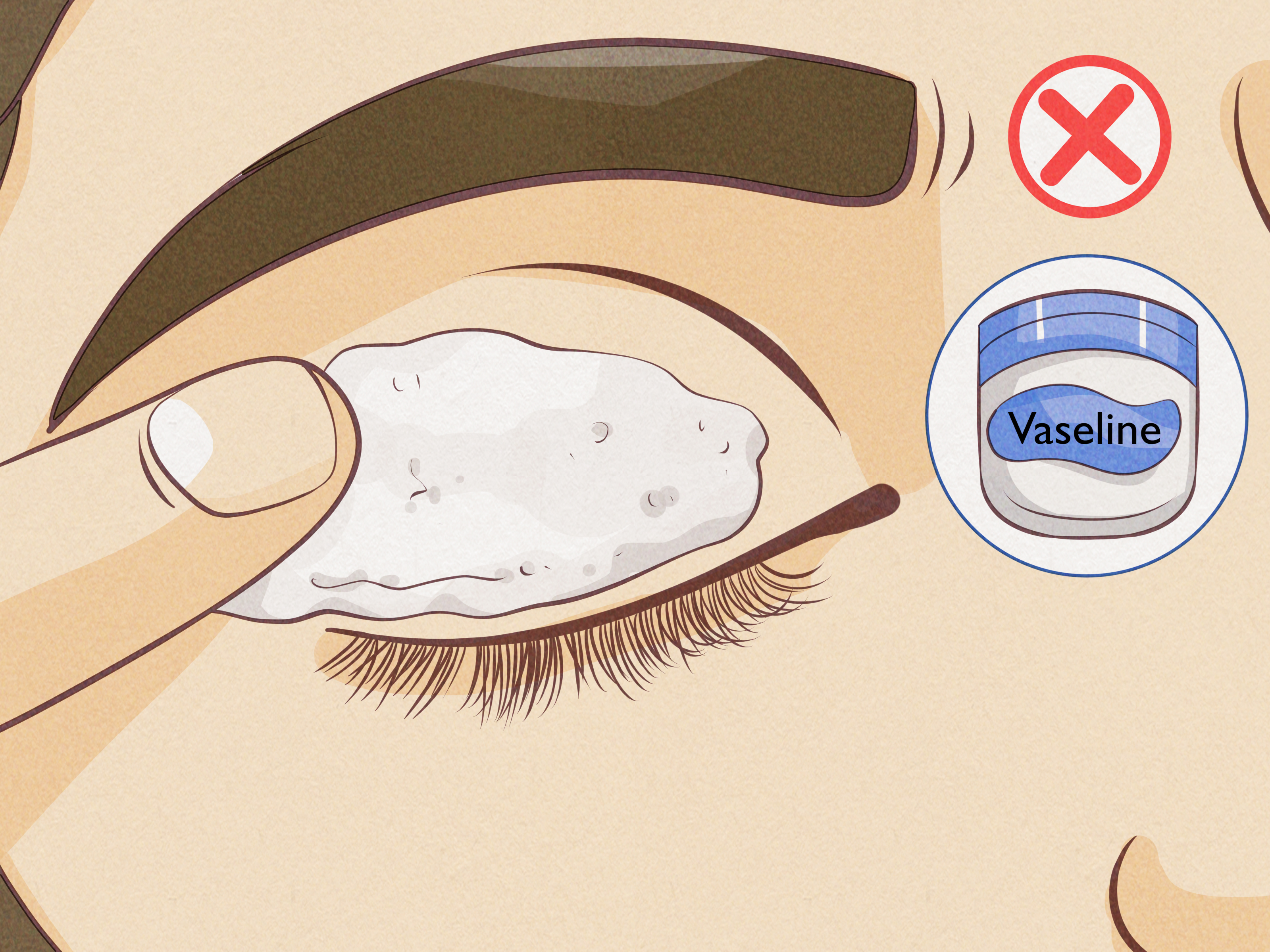
The internet loves a beauty shortcut. Castor oil, coconut oil, petroleum jelly, green tea, aloe, vitamin E, and kitchen-sink “lash cocktails” all take turns wearing the viral crown. Some oils may condition lashes and make them look glossier, but there is limited evidence that they truly stimulate eyelash growth.
That does not mean every conditioning trick is useless. A tiny amount of a bland, eye-safe product may reduce brittleness for some people. But “natural” does not automatically mean safe near the eyes. Essential oils, fragranced oils, lemon juice, onion juice, and DIY mixtures can irritate skin or eyes. Please do not marinate your lash line like a salad.
If you try a conditioning product, patch-test it on skin first, use the smallest amount possible, avoid getting it in the eye, and stop at the first sign of irritation.
8. Support Lash Growth With a Balanced Diet
Lashes are made of keratin, a structural protein, and hair growth depends on overall health. A balanced diet that includes enough protein, iron, zinc, healthy fats, and essential vitamins supports normal hair function. If you are under-eating, crash dieting, recovering from illness, dealing with major stress, or missing key nutrients, hair shedding can become more noticeable.
Focus on food first: eggs, Greek yogurt, fish, beans, lentils, lean meats, nuts, seeds, leafy greens, berries, whole grains, and avocado are all helpful building blocks in a beauty-supportive diet. Hydration matters too, though drinking a lake will not suddenly turn lashes into curtains.
Be cautious with supplements. Biotin is widely marketed for hair, skin, nails, and lashes, but evidence of benefit is strongest when someone has a true deficiency. High-dose biotin can also interfere with certain medical lab tests. More vitamins do not always mean more lashes; sometimes they just mean more expensive urine and a confused doctor.
9. Manage Irritation, Allergies, and Rubbing
Eye rubbing is a major enemy of healthy eyelashes. Allergies, dry eye, contact lens irritation, smoke exposure, and certain cosmetics can make the eyes itch. Then rubbing begins. Then lashes break. Then you wonder why your lash line looks sparse. The cycle is rude but common.
If your eyes itch often, identify triggers. Fragrance, glitter, waterproof mascara, lash glue, old eyeliner, pollen, dust, and certain skincare products can all irritate the eye area. Switch to fragrance-free, ophthalmologist-tested products when possible. Avoid applying eyeliner directly on the waterline if it bothers your eyes, because it can interfere with the delicate area near the oil glands.
For allergy-prone eyes, talk to an eye doctor about lubricating drops or allergy drops. Do not self-treat persistent redness or pain with random leftover medication. Your eyes deserve better than mystery drops from the drawer of chaos.
10. Be Careful With Lash Lifts, Tints, and Dyes
Lash lifts and tints can make natural lashes look longer, darker, and more curled without daily mascara. But chemical services near the eyes carry risks, including irritation, allergic reactions, dryness, breakage, and eye injury if products are misused. The FDA has warned about permanent eyelash and eyebrow tints and dyes because the eye area is highly sensitive.
If you choose a salon service, go to a reputable professional, ask what products are used, request a patch test when appropriate, and avoid the service if your eyes are already irritated. Never use hair dye on eyelashes. Never perform a lash lift at home with random online chemicals unless you are comfortable gambling with the only two eyeballs issued to you.
After a lash lift, keep lashes clean, avoid harsh rubbing, and follow aftercare instructions. If you experience pain, swelling, intense redness, or vision changes, seek medical care quickly.
11. Know When Lash Loss Needs Medical Attention
Sometimes sparse lashes are caused by habits: rubbing, old mascara, harsh removal, extensions, or over-curling. But lash loss can also be connected to medical issues such as blepharitis, eczema, psoriasis, thyroid disease, alopecia areata, infections, medication effects, nutritional deficiencies, or hair-pulling disorders.
See a dermatologist or eye doctor if you notice sudden lash loss, bald patches, one-sided shedding, crusting, pain, swelling, scaly skin, recurring styes, scalp hair loss, eyebrow loss, or changes in vision. Also seek help if your lash line does not improve after you stop irritating products and improve hygiene.
The earlier you identify the cause, the better your chance of protecting the follicles. Lashes can often recover when the trigger is removed, but chronic inflammation or repeated trauma can slow regrowth.
How Long Does It Take to See Healthier Lashes?
Patience is the unglamorous ingredient in every lash routine. Cosmetic conditioning may make lashes look softer or shinier within a few weeks, especially if they were dry or brittle. But true visible improvement in length or density usually takes longer because lashes must move through their growth cycle.
With prescription treatments, results often require consistent use for several weeks to months. With lifestyle changes, you may first notice less breakage, fewer lashes on your cotton pad, and smoother mascara application. That is progress. The “after” photo may not arrive with fireworks, but your lash line will thank you in quiet, fluttery ways.
Common Lash Growth Mistakes to Avoid
Using Too Many Products at Once
If one serum is good, three serums are not automatically better. Layering multiple active products near the eyes increases the risk of irritation. Use one new product at a time so you can tell what helps and what causes problems.
Rubbing Off Waterproof Mascara Aggressively
Waterproof mascara has a place, especially for weddings, humidity, and movies where someone says goodbye in the rain. But daily use can require more effort to remove. If you wear it often, invest in a gentle remover and let it dissolve before wiping.
Believing Trimming Makes Lashes Grow Longer
Do not trim your eyelashes to “make them grow.” That myth belongs in the same trash bin as using toothpaste on pimples and thinking bangs are always emotionally neutral. Cutting lashes does not change the follicle or growth cycle.
Ignoring Eyelid Symptoms
If your lids are itchy, flaky, swollen, or crusty, do not just cover the issue with eyeliner. Treat the irritation and protect the lash environment first. Healthy lash growth starts with a calm lash line.
A Simple Lash-Care Routine for Beginners
Morning: Rinse the face gently, avoid rubbing the eyes, curl lashes softly if desired, and apply mascara from root to tip without tugging. Choose a lightweight formula if your lashes are fine or prone to breakage.
Evening: Remove eye makeup slowly with a gentle remover. Cleanse the eyelids and face. Apply a lash serum or conditioner only if it agrees with your skin and eyes. Keep products away from the actual eyeball.
Weekly: Wash makeup brushes, inspect mascara texture, clean your lash curler, and give lashes at least a few makeup-free days when possible.
Monthly: Review your routine. Are lashes shedding less? Are your eyes calmer? Is your mascara old enough to have a birthday? Replace products when needed.
Personal Experience: What Actually Helps Lashes Look Better Over Time
Anyone who has tried to improve their lashes knows the emotional roller coaster. Day one: you apply a new serum and feel like a responsible adult. Day two: you stare at the mirror expecting butterfly wings. Day three: nothing has happened, and suddenly you are researching whether your pillowcase is anti-lash. This is where most people quit too early.
The most useful experience-based lesson is that lash improvement is usually subtle before it is dramatic. The first sign is often not “longer lashes.” It is less fallout during makeup removal. Your cotton pad looks cleaner. Your lash curler does not catch as many hairs. Mascara glides on instead of clumping around dry, uneven tips. These small changes matter because they mean your lashes are breaking less.
Another real-world lesson: gentle removal beats expensive products. Many people spend money on lash serums but still scrub off waterproof mascara every night like they are sanding furniture. That cancels out the benefits. A patient, oil-based removal method can make lashes look healthier within weeks simply by reducing mechanical damage.
Breaks from extensions can also be surprisingly helpful. After months of fills, some people feel nearly naked without them. But after a few weeks of clean lids, lightweight mascara, and no glue pulling at the lash line, natural lashes often look more even. The awkward growing-out phase is real, but it passes. During that time, tubing mascara can be a nice bridge because it gives definition without the same heavy removal drama as some waterproof formulas.
Diet and stress matter too, but not in a magical overnight way. When someone is under-eating, sleeping badly, or living on iced coffee and vibes, hair quality can suffer. Adding protein-rich meals, iron-containing foods, omega-3 sources, and colorful produce supports the body systems that support hair. It is not as exciting as a shiny bottle labeled “Mega Lash Rocket Fuel,” but it is more reliable.
The biggest mindset shift is this: aim for your healthiest natural lashes, not someone else’s filtered lashes. Some people naturally have dense, dark, curled lashes. Others have fine, straight, pale lashes. Both can be healthy. The goal is to reduce avoidable shedding, prevent breakage, keep the lash line comfortable, and choose enhancements that do not damage what you already have.
In practice, the best lash routine is boring in the best possible way: remove makeup every night, clean the lash line, replace mascara, avoid rubbing, be careful with extensions, use serums thoughtfully, eat enough nutrients, and get help for medical symptoms. Boring works. Boring grows. Boring is the quiet friend who shows up on time with clean mascara and no eye infection.
Conclusion
Growing long, thick, healthy lashes is not about chasing every viral hack. It is about protecting the lashes you have while creating the best possible environment for normal growth. Clean eyelids, gentle makeup removal, safe cosmetic habits, cautious serum use, balanced nutrition, and professional help when symptoms appear can make a meaningful difference.
Your eyelashes may be small, but they are not decorative afterthoughts. Treat them like delicate hair attached to very important real estate: your eyes. With consistency and common sense, you can support stronger lashes, reduce breakage, and enjoy a fuller-looking lash line without turning your bathroom into a questionable science lab.














