
Sometimes a home does not need a dramatic renovation, a demolition crew, or a television host shouting, “Move that bus!” It simply needs a few smart home decor updates that make everyday life feel fresher, calmer, and less like you are living inside a storage unit with a sofa.
The best interior design updates are rarely about chasing every trend that appears on social media for twelve minutes. Instead, they improve how a room looks, works, and feels. A new rug can define a seating area. Better lighting can make a tired room look intentional. A small tray in the entryway can prevent keys, receipts, and mysterious loose batteries from forming their own civilization.
Whether you want a full living room makeover, a budget-friendly home refresh, or just a few affordable decor ideas that do not require a second mortgage, these 12 home decor updates can make a noticeable difference. The goal is not perfection. The goal is a home that looks like people live there on purpose.
1. Start by Removing Visual Clutter
Before buying anything new, edit what you already own. Clutter is sneaky because it often arrives dressed as “temporary.” A stack of mail becomes a permanent countertop sculpture. Shoes multiply near the front door. Random cords somehow become part of the decor package.
Choose one room and remove anything that does not belong there, does not serve a purpose, or does not make you happy. This does not mean your home must look like a minimalist museum where nobody is allowed to own a blanket. It means creating breathing room for the pieces you actually enjoy.
Use trays, baskets, closed storage, and small bins to give daily items a home. A neat room instantly looks more expensive because the eye can focus on furniture, art, lighting, and texture instead of a pile of unopened packages.
2. Rearrange Furniture Before Replacing It
One of the easiest home decorating tips is also one of the most ignored: move your furniture. Many people arrange a room once, usually while exhausted after moving, and never question the layout again. Years later, the sofa is still facing the same wall as if it signed a lease.
Try floating furniture away from the walls when space allows. Pull chairs closer together to create a conversation area. Turn a neglected corner into a reading nook with an accent chair, small table, and lamp. In an open floor plan, use furniture placement to create zones for relaxing, eating, working, or pretending you will finally start that hobby.
A better layout can make a room feel larger, more welcoming, and easier to use without spending a single dollar. That is a very rare combination in home design, right up there with finding a candle that smells nice but does not smell like “mysterious holiday bakery.”
3. Upgrade the Lighting in Layers
Lighting is one of the fastest ways to improve a room. If your entire lighting plan depends on one ceiling fixture blasting light from above, your space may feel more like a waiting room than a living room.
Create layers of light. Use overhead lighting for general visibility, table lamps for softer evening glow, floor lamps for dark corners, and task lighting where you read, cook, work, or apply eyeliner with the concentration of a surgeon. In bedrooms, bedside sconces or table lamps can make the space feel more balanced and hotel-like.
Warm bulbs generally make living rooms and bedrooms feel more inviting, while brighter neutral light can work better in kitchens, bathrooms, and workspaces. Choose consistent bulb temperatures within one room so the lighting does not look like several different planets are shining through the ceiling.
4. Hang Curtains Higher and Wider
Window treatments are often treated as an afterthought, but they can dramatically improve a room’s proportions. Short curtains that hover above the floor can make walls look shorter and windows look smaller. They are the decorating equivalent of pants that are just slightly too short.
Mount curtain rods higher than the window frame and extend them beyond both sides of the window. This creates the illusion of taller ceilings and wider windows. Choose panels that gently touch the floor or come very close to it for a polished look.
If you want more privacy or light control, layer curtains with Roman shades, woven shades, or blackout liners. This combination adds softness, texture, and function. For renters, removable curtain rod systems and lightweight panels can still create a major visual upgrade.
5. Replace Small Hardware With Better Details
Cabinet knobs, drawer pulls, switch plates, towel hooks, and curtain tiebacks may seem small, but they are the jewelry of a room. Swapping builder-grade hardware is one of the most affordable decor updates because it adds personality without requiring a full remodel.
Consider finishes that fit your existing style. Brushed brass can add warmth. Aged bronze can create a classic look. Matte black can feel crisp in the right space. Chrome can look clean and timeless in bathrooms and kitchens. The important part is choosing a finish that works with the room rather than introducing five competing metallic personalities.
Measure the distance between screw holes before ordering cabinet pulls. This tiny step can prevent the emotional experience of receiving beautiful hardware that does not fit anything you own.
6. Use a Larger Rug to Anchor the Room
A rug that is too small can make even nice furniture look disconnected. It is like putting a welcome mat under a dining table and calling it a design decision. In most living rooms, a larger rug helps connect the sofa, chairs, and coffee table into one intentional area.
Ideally, at least the front legs of major seating pieces should rest on the rug. In a dining room, the rug should extend far enough beyond the table so chairs remain on it when pulled back. In bedrooms, place a large rug under the bed or use runners along each side for a softer landing in the morning.
Natural-fiber rugs, wool rugs, flatweaves, and washable rugs can all work depending on your lifestyle. Choose texture and durability based on the room. A cream shag rug may look dreamy, but it may not survive a household with toddlers, pets, spaghetti, or all three.
7. Refresh Walls With Paint or Texture
Paint remains one of the most powerful home decor updates because it changes the mood of an entire room at once. Instead of selecting a color only because it looked good in a tiny paint chip under fluorescent store lighting, test samples on different walls and observe them throughout the day.
Warm whites, soft taupes, muted greens, clay tones, dusty blues, and earthy browns can create a comfortable, layered look. A deeper color can make a small room feel cozy and intentional, while lighter colors may help an already dark space feel more open.
For extra character, add texture through limewash-style finishes, removable wallpaper, picture-frame molding, beadboard, or a subtle wall treatment. You do not need to turn every wall into an art project. One thoughtful feature wall or panel detail can give a room more depth without making it look like a theme restaurant.
8. Give Blank Walls a Personal Story
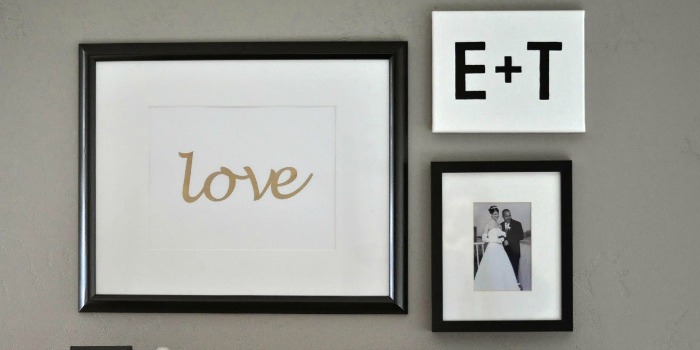
Blank walls are not automatically bad, but a room with no art, photography, or personal objects can feel unfinished. Wall decor is an opportunity to show personality without crowding every surface with decorative objects.
Create a gallery wall using a mix of framed photographs, vintage prints, children’s artwork, postcards, sketches, or thrifted frames. You can also hang one oversized piece of art for a cleaner, more dramatic effect. Another easy option is a collection of woven baskets, sculptural plates, mirrors, or framed textiles.
Lay the arrangement on the floor before putting nails into the wall. Take a photo of the layout, adjust the spacing, and then hang it. This simple step can save you from creating what designers call “an accidental constellation of nail holes.”
9. Add Greenery and Natural Materials
Plants, branches, flowers, wood, woven baskets, ceramic pieces, linen, and stone can make a room feel warmer and more lived-in. Natural materials add contrast to smooth surfaces such as glass tables, metal fixtures, and painted cabinetry.
You do not need to become a full-time plant parent with a hydration spreadsheet. A low-maintenance pothos, snake plant, ZZ plant, faux olive tree, or simple vase of branches can add color and life. The key is choosing something that suits your actual routine, not the imaginary version of you who remembers to mist orchids every morning.
Use natural texture in small doses: a woven tray on a coffee table, linen pillow covers, a ceramic lamp base, a wood bowl, or a jute basket for blankets. These details make modern home decor feel softer and less generic.
10. Create a Functional Entryway Drop Zone
Your entryway introduces your home before anyone sees the living room. It is also where bags, shoes, umbrellas, keys, jackets, and unopened mail like to gather for a meeting nobody scheduled.
Create a simple landing zone with hooks, a narrow console, a bench, a basket, and a tray for small essentials. Even a tiny apartment entry can benefit from a wall-mounted shelf, mirror, and a few hooks. A mirror makes the area more useful while reflecting light and creating the impression of more space.
Keep only the items you use regularly in this area. Seasonal gear, duplicate shoes, and broken umbrellas should live elsewhere. A functional entryway makes daily routines smoother and instantly makes the home feel more organized.
11. Make the Bathroom Feel Less Temporary
Bathrooms are often treated like they are not allowed to have personalities. They get a soap dispenser, a towel, and perhaps one tragic wall sign reminding everyone to wash their hands. A few updates can make the space feel more intentional.
Start with the basics: replace old towels, add a framed mirror, upgrade the vanity light if appropriate, and use coordinated storage for toiletries. A new shower curtain, bath mat, soap pump, and small piece of art can change the room’s mood quickly.
Choose materials that handle moisture well, such as washable textiles, ceramic accessories, sealed wood, and easy-to-clean baskets. If you rent, removable wallpaper, peel-and-stick floor tiles, and updated cabinet hardware can create a bathroom refresh without making permanent changes.
12. Mix New Pieces With Meaningful Finds
A home feels more memorable when everything does not arrive from the same store on the same delivery truck. Mix newer furniture with vintage pieces, handmade objects, family photos, travel finds, flea market art, or a chair you inherited because it is genuinely beautiful or because nobody else had room for it.
The most interesting rooms usually have a little history. A vintage lamp can make a modern console look less predictable. An old wood stool can become a bedside table. A handmade bowl can add personality to a coffee table. These pieces do not need to be expensive; they just need to feel chosen.
Think of your home as a collection rather than a catalog page. Matching sets can be useful, but too much matching can make a room feel flat. A few unexpected pieces add character, warmth, and stories worth telling when someone asks where you found them.
How to Make These Home Decor Updates Work Together
The secret to a successful home refresh is not doing every update at once. Start with the changes that solve the biggest everyday frustration. Maybe your living room needs better lighting. Maybe your entryway needs storage. Maybe your bedroom needs curtains that do more than bravely cover half the window.
Choose two or three priorities, set a realistic budget, and make changes gradually. A well-designed home should evolve with your life. It should have room for new habits, new memories, and the occasional chair you bought online without checking the dimensions.
Experience Notes: What a Realistic Home Refresh Teaches You
The most useful lesson from home decor updates is that a room rarely feels wrong because of one terrible item. More often, it feels off because several small things are working against each other. The lighting is harsh, the rug is undersized, the curtains are too short, the surfaces are crowded, and the furniture is arranged around a television like it is running for office.
A realistic refresh begins by noticing how you use the room. In a living room, ask where people actually sit. Do guests have a place to set a drink? Is there enough light to read? Does the room encourage conversation, or does everyone end up balancing on one side of the sofa while the other half of the room collects decorative pillows?
In bedrooms, comfort matters more than impressing strangers. A bedroom should support rest, not function as a storage warehouse for laundry, packages, and abandoned exercise equipment. Softer lighting, better bedding, blackout curtains, and fewer unnecessary objects can make the room feel calmer without changing the entire design.
Small changes also reveal that scale matters more than price. A modest lamp placed at the correct height can look better than an expensive lamp that is too tiny for the table. A large framed print can have more impact than ten small decor pieces scattered around the room. A bigger rug can make affordable furniture look more intentional simply because it brings the layout together.
Another practical experience is that decorating gets easier when you stop trying to finish every room immediately. Homes look more personal when they develop over time. Leave space for something meaningful: a photograph from a trip, a handmade object, a vintage chair, a funny ceramic animal you unexpectedly fall in love with at a flea market.
Budget also becomes less stressful when you distinguish between updates that improve daily life and updates that only look good in a photograph. Better storage, curtains that block early morning light, a comfortable chair, and layered lighting can improve how a home functions every day. Decorative accessories are still valuable, but they work best after the room already feels useful.
Finally, the best home decor updates are forgiving. They allow you to move a chair, repaint a wall, replace a pillow cover, or change your mind. Design is not a permanent personality test. It is an ongoing process of making your space feel more like you. A home should not make you nervous about touching anything. It should make you want to kick off your shoes, turn on a lamp, and stay awhile.
Note: Measure furniture, rugs, and window treatments before purchasing. For major electrical work, structural changes, or permanent renovations, use qualified professionals and follow local building requirements.













