
Note: This article is written for web publishing and is based on real production history, comic-book background, and verified entertainment-industry information.
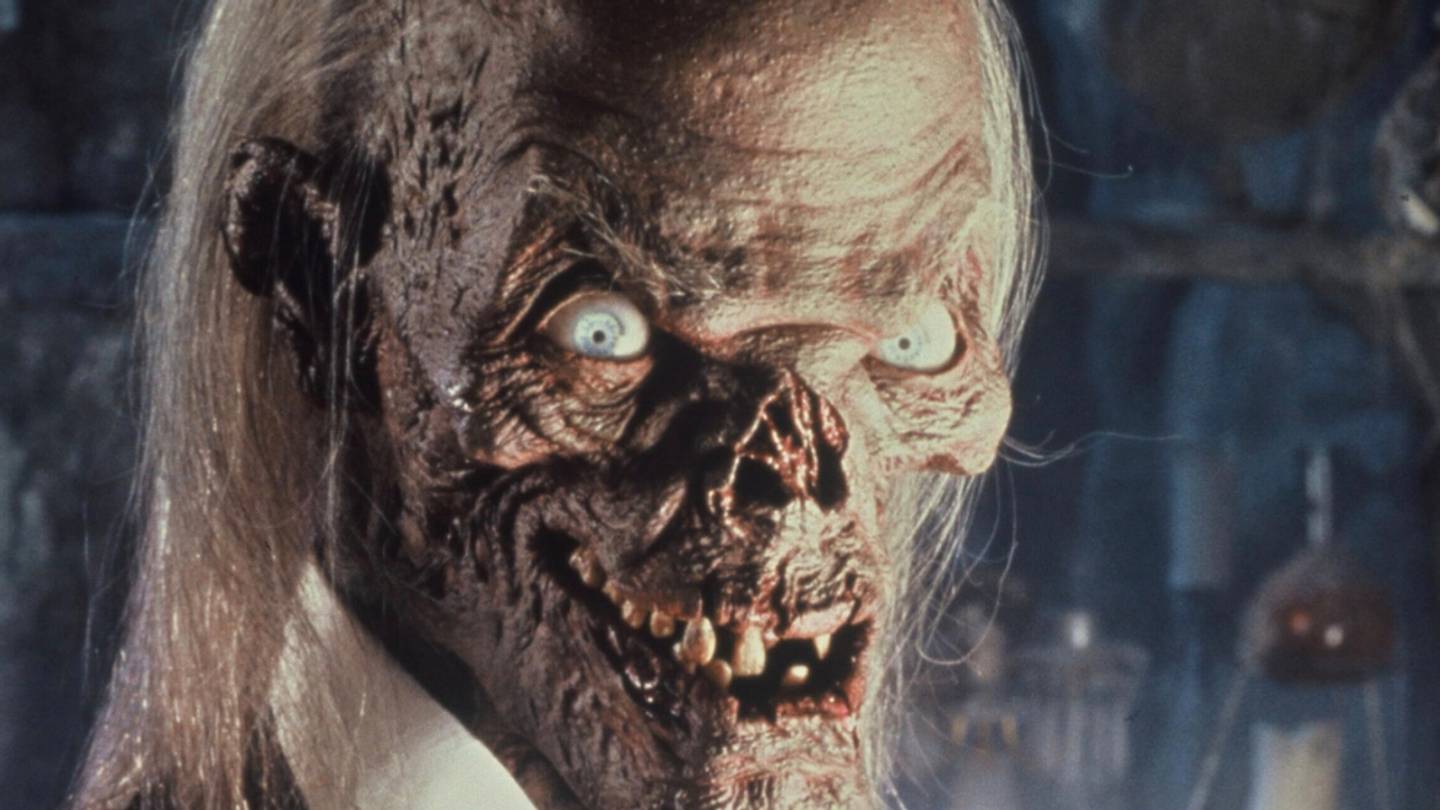
Before prestige TV wore a black turtleneck and asked to be taken seriously, Tales From the Crypt was already cackling from the basement. This HBO horror anthology series mixed wicked jokes, stylish directing, celebrity guest stars, and morality tales with the enthusiasm of a haunted carnival barker who had one too many espressos. At the center of it all stood the Crypt Keeper, a pun-loving skeletal host who could turn even the most terrifying introduction into a stand-up routine from beyond the grave.
Based on the legendary EC Comics of the 1950s, Tales From the Crypt became one of the most recognizable horror TV shows of the late 20th century. It ran on HBO from 1989 to 1996, produced 93 episodes across seven seasons, inspired movies, helped bring comic-book horror to adult television, and gave fans a host whose laugh could probably lower property values in a three-block radius.
Here are 12 spine-tingling facts about Tales From the Crypt, from its controversial comic-book roots to its celebrity-packed HBO afterlife.
1. Tales From the Crypt Began as a Controversial EC Comics Classic
Long before the HBO series opened its creaky coffin, Tales From the Crypt was a horror comic published by EC Comics. The original comic grew out of EC’s crime titles before fully embracing horror in the early 1950s. Publisher William M. Gaines and editor Al Feldstein helped shape the series into a deliciously dark anthology filled with suspense, revenge, irony, and moral punishment.
What made the EC Comics line special was not just the scary imagery. It was the storytelling structure. Many tales followed terrible people making terrible choices, only to receive a terrible surprise at the end. In other words, the universe of Tales From the Crypt had a very strict customer service policy: evil behavior would be processed, judged, and returned with interest.
This formula later became the backbone of the HBO series. Each episode usually presented a new story, new characters, and a new nightmare, while the Crypt Keeper tied everything together with jokes sharp enough to need their own tiny warning label.
2. The Comics Were Part of a Major 1950s Censorship Battle
The original EC horror comics arrived during a moral panic over comic books in the United States. Critics argued that crime and horror comics were harmful to young readers, and the issue became serious enough to reach Senate hearings in 1954. EC Comics, including titles like Tales From the Crypt, became a central example in the debate.
The result was the rise of the Comics Code Authority, a strict self-censorship system that made it nearly impossible for horror comics to continue in their old form. Words like “horror” and “terror” became radioactive in comic-book titles. For EC, the blow was enormous. The company’s famous horror line faded, while MAD eventually survived in magazine form.
That history gives Tales From the Crypt extra bite. The HBO series was not merely adapting old scary stories. It was resurrecting a style of storytelling that had once been considered too dangerous for polite society. Naturally, it came back on premium cable, wearing a grin and probably tracking mud across the carpet.
3. HBO Gave the Series Freedom Network TV Could Not
When Tales From the Crypt premiered on HBO in 1989, the channel’s premium-cable format gave creators more freedom than traditional broadcast networks. The show could be darker, weirder, more satirical, and more adult in tone. That creative space helped the series preserve the wicked spirit of the EC Comics while updating it for a TV audience raised on slasher films, late-night cable, and suspiciously foggy graveyards.
The HBO format also helped each episode feel like a mini-movie. Instead of following one cast through a long seasonal arc, the show reset itself every week. A viewer could jump into almost any episode and immediately understand the deal: someone is about to behave badly, the atmosphere is going to get creepy, and the Crypt Keeper will absolutely not let a pun die with dignity.
This anthology structure made Tales From the Crypt perfect for horror fans. It was quick, punchy, and unpredictable. Some episodes leaned into supernatural terror. Others were crime stories, psychological thrillers, dark comedies, or twisted morality plays. The variety helped keep the coffin lid from getting stale.
4. The Crypt Keeper Was Reimagined for Television
In the original EC Comics, the Crypt Keeper was one of several horror hosts, including the Vault Keeper and the Old Witch. For HBO, the Crypt Keeper became the face, voice, mascot, and unofficial rotten master of ceremonies for the entire brand.
The TV version was no ordinary narrator. He was an animatronic puppet with a wild personality, stringy hair, expressive eyes, and a laugh that sounded like a haunted doorbell discovering sarcasm. Special effects artist Kevin Yagher and a team of puppeteers helped bring the character to life, while actor John Kassir provided the unforgettable voice.
Kassir’s performance was essential. The Crypt Keeper could have been a simple creepy puppet, but the voice transformed him into a full character: part horror host, part insult comic, part undead carnival uncle who definitely should not be allowed near the punch bowl. His introductions and closing jokes gave the series a playful identity that separated it from more straightforward horror shows.
5. John Kassir Won the Role With a Truly Unforgettable Voice
John Kassir’s Crypt Keeper voice is one of the most recognizable sounds in horror television. It is raspy, manic, playful, and just theatrical enough to make every line feel like it was written on a tombstone by a comedy writer with poor impulse control.
The brilliance of Kassir’s performance is that it balances fear and fun. The Crypt Keeper is creepy, yes, but he is also oddly charming. He is the kind of host who welcomes viewers into a nightmare with the energy of someone opening a theme restaurant. That balance made the show accessible to viewers who liked horror but also enjoyed camp, satire, and old-fashioned showmanship.
His catchphrases, greetings, and relentless wordplay became part of the series’ DNA. Without Kassir’s voice, Tales From the Crypt would still have had strong stories and big-name talent, but it would have lost the cackling personality that made it instantly recognizable.
6. Danny Elfman Composed the Iconic Theme
The opening credits of Tales From the Crypt are a small masterpiece of spooky atmosphere. The camera glides through a gloomy mansion, travels down into the basement, approaches the coffin, and finally reveals the Crypt Keeper. Then comes the laugh. If you watched it as a kid, congratulations: you may still be emotionally renting space in that hallway.
The main theme was composed by Danny Elfman, whose music has helped define the sound of playful gothic fantasy and dark comedy. His Tales From the Crypt theme captures the exact flavor of the show: mischievous, creepy, grand, and slightly ridiculous in the best possible way.
It does not sound like pure terror. It sounds like terror wearing a tuxedo and holding a whoopee cushion. That is the secret. The series was never just about scares; it was about theatrical horror, ironic punishment, and the joy of watching a story snap shut like a trapdoor.
7. The Show Attracted Huge Hollywood Talent
One of the most fascinating facts about Tales From the Crypt is how many major Hollywood names passed through its crypt doors. The executive producers included major filmmakers and producers such as Richard Donner, Walter Hill, Robert Zemeckis, David Giler, and Joel Silver. That is not a production team; that is a blockbuster dinner party.
The series also featured an impressive list of actors and directors. Tom Hanks directed the Season 4 episode “None but the Lonely Heart” and made a cameo. Arnold Schwarzenegger directed “The Switch.” Robert Zemeckis directed standout episodes, including “Yellow.” Stars such as Demi Moore, Brad Pitt, Whoopi Goldberg, Michael J. Fox, Kirk Douglas, Tim Curry, Christopher Reeve, and many others appeared across the series.
Because episodes were short and self-contained, busy actors and directors could treat the show like a stylish short film. That gave Tales From the Crypt a rotating showcase quality. You never knew who might appear next, which made the series feel like a haunted Hollywood guestbook.
8. Many Episodes Worked Like Morality Tales With Fangs
At its heart, Tales From the Crypt loved poetic justice. The show often followed greedy criminals, selfish spouses, arrogant professionals, con artists, bullies, and other deeply unpleasant people. Then, with theatrical timing, the story would turn the tables.
This structure came directly from EC Comics. The endings were not always happy, but they usually felt balanced in a grim fairy-tale way. If a character cheated, lied, exploited, or harmed others, the universe eventually noticed. And in the Crypt Keeper’s universe, the universe apparently had a very dark sense of humor.
That is why the show remains satisfying. It does not simply ask, “What is scary?” It asks, “What if bad choices came with creatively creepy consequences?” The result is horror with a punchline, suspense with a moral, and drama with a trapdoor under the rug.
9. “And All Through the House” Became One of the Most Famous Stories
One of the most famous Tales From the Crypt stories is “And All Through the House,” a holiday-themed nightmare that appeared in different adaptations. The HBO version, directed by Robert Zemeckis, became a fan favorite because it takes the cozy visual language of Christmas and gives it a wicked horror twist.
The episode works because it understands contrast. Holiday lights, snow, decorations, and family rituals usually suggest warmth. In Tales From the Crypt, those same details become tools of suspense. It is the storytelling equivalent of finding a skeleton in a gift box labeled “from Santa.”
Importantly, the episode also demonstrates how the series could compress a complete horror experience into a short runtime. It has setup, tension, irony, and a memorable ending without needing a feature-length structure. That efficiency is one reason the series still plays well for modern viewers with busy schedules and short attention spans.
10. The Series Even Had a Kid-Friendly Animated Spin-Off
In one of the strangest and funniest turns in the franchise, Tales From the Crypt inspired an animated series called Tales from the Cryptkeeper. The cartoon toned down the adult elements and presented spooky stories for younger audiences. John Kassir returned as the voice of the Crypt Keeper, though the animated version was softer and less horrifying than his HBO counterpart.
This spin-off shows how flexible the Crypt Keeper became as a pop-culture figure. He could host adult horror on HBO, appear in movies, sell the brand with terrible puns, and then shuffle into animation with a slightly cleaner cape. Few horror icons can make that transition without looking confused. The Crypt Keeper did it while laughing at his own jokes.
The cartoon also helped introduce the franchise to viewers who may have been too young for the HBO version. For many fans, the animated series was a gateway crypt: spooky enough to be fun, but not as intense as the original show.
11. Tales From the Crypt Expanded Into Feature Films
The franchise did not stay locked inside television. Tales From the Crypt expanded into feature films, including Tales from the Crypt Presents: Demon Knight in 1995 and Bordello of Blood in 1996. These movies used the Crypt Keeper branding to bring the anthology’s horror-comedy tone to theaters.
Demon Knight in particular has developed a strong cult following. It combined action, horror, humor, and practical effects with a cast that included Billy Zane, William Sadler, Jada Pinkett, C. C. H. Pounder, and Thomas Haden Church. Like the show, it understood that horror could be scary and funny without canceling itself out.
The film branch of the franchise was uneven, but it proved the strength of the brand. The Crypt Keeper was not just a TV host. He was a horror mascot, a salesman, a comedian, and a grinning reminder that every successful franchise eventually tries to escape the basement.
12. The Show’s Legacy Keeps Crawling Back
Tales From the Crypt never really vanished. For years, fans discussed reboots, rights issues, DVD collections, favorite episodes, and the difficulty of finding the series in convenient streaming form. That scarcity only made the show feel more legendary, like a cursed tape passed between horror fans who also owned too many action figures.
Recent streaming attention has helped bring the series back into the conversation. Modern viewers can now appreciate how ahead of its time the show was. It had cinematic directors, rotating casts, adult anthology storytelling, comic-book roots, and a host-driven brand identity decades before horror anthologies became trendy again.
The legacy of Tales From the Crypt lives in shows that mix horror with irony, in anthology formats that reset every episode, and in the continuing popularity of horror hosts. The Crypt Keeper may be a corpse, but the franchise has proven impressively hard to bury.
Why Tales From the Crypt Still Works Today
The reason Tales From the Crypt remains beloved is not just nostalgia. Yes, the show has a very specific late-1980s and 1990s flavor, complete with practical effects, bold lighting, and a willingness to be shamelessly theatrical. But beneath the period style is a storytelling engine that still works.
Each episode offers a clean hook. A corrupt person wants something. A strange situation develops. Suspense builds. Then the ending snaps into place. That structure is simple, but simple does not mean easy. The best episodes are tightly constructed, visually memorable, and darkly funny. They invite viewers to enjoy the ride while quietly waiting for the trap to spring.
The series also respects the fun side of horror. Not every scary story needs to be solemn. Sometimes horror is a roller coaster. Sometimes it is a joke with a skull attached. Tales From the Crypt understood that fear and laughter are close neighbors. Both involve surprise, timing, and the sudden realization that you are not as in control as you thought.
Viewer Experience: Spending a Night in the Crypt
Watching Tales From the Crypt today feels like opening a dusty trunk and finding a haunted jukebox inside. The first thing that hits you is the atmosphere. The opening sequence does half the work before the episode even begins. The camera drifts through the house, the music swells, and the basement seems to wait like it knows your browser history. Then the Crypt Keeper pops out, laughs, and suddenly you are in his world.
The best way to experience the show is not to binge it like homework. It works better as a late-night snack: one or two episodes at a time, lights low, phone ignored, snacks nearby, and no judgment if you check the hallway afterward. Because each story stands alone, you can sample different seasons without needing a spreadsheet, a family tree, or a detective wall covered in red string.
What stands out most is the show’s confidence. Tales From the Crypt knows exactly what it is. It does not apologize for the puns. It does not hide the camp. It does not pretend every episode is a grand philosophical statement whispered into a rainstorm. Some episodes are stylish and genuinely sharp. Some are goofy. Some are strange little time capsules of cable TV history. But even when an episode gets ridiculous, it usually gets ridiculous with commitment, and commitment counts for a lot when your narrator is a skeleton in formalwear.
There is also a special pleasure in spotting famous faces. A viewer might start an episode for the horror and suddenly realize, “Wait, is that Tom Hanks? Is that Christopher Reeve? Is that Brad Pitt?” The show becomes a spooky version of celebrity bingo. This rotating cast gives the series extra replay value because every episode feels like a surprise package from a very dramatic funeral home.
For writers, filmmakers, and horror fans, the series is also a compact storytelling lesson. It shows how quickly a premise can be established, how tone can be shaped through music and lighting, and how an ending can reframe everything that came before it. The episodes are short, but they are rarely empty. They move with purpose, even when that purpose is to drag a greedy character toward a wonderfully ironic fate.
Most of all, Tales From the Crypt is fun. Not polite fun. Not “we brought board games to a team-building retreat” fun. It is spooky, mischievous, midnight-movie fun. It reminds viewers that horror does not always need to be joyless to be effective. Sometimes the best scare comes with a wink, a shriek, and a pun so shameless it should be buried twice.
Conclusion
Tales From the Crypt remains one of the most distinctive horror anthology shows ever made. Its success came from a rare combination: EC Comics’ sharp moral storytelling, HBO’s creative freedom, Hollywood-level talent, Danny Elfman’s unforgettable theme, John Kassir’s iconic voice work, and the Crypt Keeper’s gloriously rotten sense of humor.
More than a nostalgic horror series, it is a reminder that genre television can be stylish, funny, scary, and smart at the same time. The show turned short horror stories into mini-events and made a wisecracking corpse one of TV’s most beloved hosts. That is not just impressive. That is practically supernatural.













