
French desserts have a reputation for being elegant, mysterious, and possibly guarded by a tiny chef wearing a toque and judging your whisking technique. But here is the good news: many authentic French desserts are built on simple foundationseggs, butter, sugar, flour, cream, fruit, chocolate, and patience. The fancy part usually comes from technique, not impossible ingredients.
Whether you dream of cracking the caramelized top of a crème brûlée, folding batter for tender madeleines, or turning apples into a glossy tarte Tatin, you can absolutely bring the charm of a French pâtisserie into your own kitchen. You do not need a marble countertop, a culinary degree, or a dramatic accordion soundtrack. Helpful? Yes. Required? Thankfully, no.
This guide explores 17 authentic French desserts you can master at home, with practical tips, flavor notes, and realistic advice for home bakers. Some are beginner-friendly, some require a little courage, and a few may ask you to make peace with your oven. But all of them are worth learning.
1. Crème Brûlée
Crème brûlée is one of the most famous French desserts for a reason: it is creamy, dramatic, and gives you permission to use a kitchen torch. The dessert is made with a silky baked custard, usually flavored with vanilla, then finished with a thin layer of caramelized sugar.
Why You Can Master It
The key is gentle heat. Bake the custards in a water bath so they cook evenly and stay smooth. Once chilled, sprinkle sugar evenly over the top and caramelize it until crisp. The perfect spoonful gives you glassy crunch followed by cool, creamy custard. It is basically dessert theater.
2. Tarte Tatin
Tarte Tatin is the legendary upside-down caramelized apple tart. Traditionally, apples are cooked in butter and sugar until golden, then covered with pastry and baked. After baking, the tart is flipped over, revealing glossy apples that look like they have been polished by pastry angels.
Home Baker Tip
Use firm apples such as Granny Smith, Honeycrisp, Braeburn, or Golden Delicious. They hold their shape and balance the sweetness of the caramel. Let the tart rest briefly before flipping, but do not wait too long or the caramel may stick to the pan like it has signed a lease.
3. Madeleines
Madeleines are small shell-shaped sponge cakes from France, famous for their delicate crumb and buttery flavor. They are often flavored with lemon zest, vanilla, or almond, and their signature hump is a badge of baking honor.
The Secret to the Hump
Chill the batter before baking. The cold batter hitting a hot oven encourages that classic rise. Also, butter and flour the madeleine pan carefully so the cakes release cleanly and show off their scalloped edges.
4. Chocolate Mousse
French chocolate mousse is rich, airy, and surprisingly simple. Classic versions rely on good chocolate, eggs, sugar, and sometimes cream or butter. The magic happens when melted chocolate meets whipped egg whites or whipped cream, creating a texture that is light but deeply chocolatey.
How to Avoid Disaster
Let melted chocolate cool slightly before folding it into the airy mixture. If it is too hot, it can deflate the mousse or scramble the eggs. Fold gently with a spatula, not with the energy of someone trying to win an arm-wrestling match.
5. Clafoutis
Clafoutis is a rustic French dessert traditionally made with cherries baked in a custardy batter. It lands somewhere between a pancake, flan, and fruit-filled comfort food. It is simple enough for a weeknight but charming enough for guests.
Best Fruits to Use
Cherry clafoutis is the classic, but you can also use raspberries, blueberries, plums, pears, or peaches. The batter is usually thin, so do not panic if it looks more like crêpe batter than cake batter. That is exactly the point.
6. French Crêpes
Crêpes are thin French pancakes that can be filled with almost anything sweet: Nutella, jam, lemon and sugar, pastry cream, whipped cream, or fresh berries. They are one of the most approachable authentic French desserts because the batter is simple and forgiving.
Master the Swirl
The trick is using a hot nonstick skillet and swirling the batter immediately after pouring. Your first crêpe may look like a folded napkin. This is normal. French tradition does not officially say the first crêpe belongs to the cook, but emotionally, it does.
7. Profiteroles
Profiteroles are small choux pastry puffs filled with cream, pastry cream, or ice cream, then topped with chocolate sauce. They look fancy but are built from pâte à choux, a classic French dough made by cooking flour with liquid and butter, then beating in eggs.
Why Choux Pastry Works
Choux pastry puffs because steam forms inside the dough during baking. Do not open the oven too early, or the puffs can collapse. Once baked, they should be crisp outside and hollow inside, ready for filling.
8. Éclairs
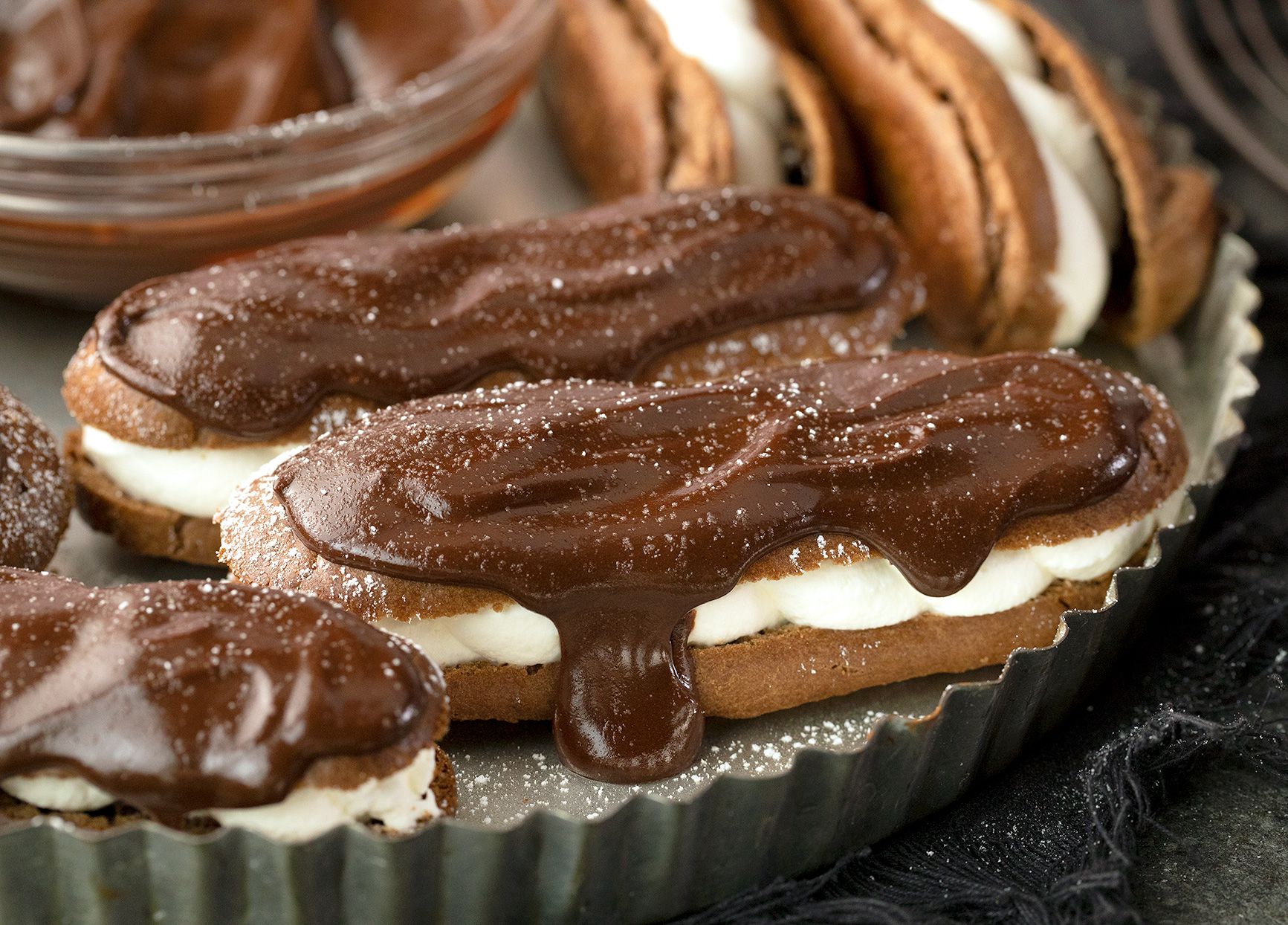
Éclairs use the same choux pastry as profiteroles, but they are piped into long shapes, filled with pastry cream, and topped with glaze. Chocolate éclairs are the classic, but coffee, vanilla, raspberry, and caramel versions are also beloved.
Make Them Easier
Prepare the pastry cream one day ahead. Cold pastry cream is easier to pipe, and splitting the work keeps the project from turning into a full kitchen opera. For a smooth glaze, dip the tops gently and let the excess drip off before setting them down.
9. Macarons
French macarons are colorful almond meringue cookies filled with buttercream, ganache, or jam. They are crisp outside, chewy inside, and famously particular. Yes, macarons have attitude. But once you understand the process, they become much less intimidating.
Keys to Success
Use finely ground almond flour, measure ingredients carefully, and do not rush the resting stage. The piped shells should form a light skin before baking, which helps create the famous “feet.” If your first batch looks strange, congratulationsyou are officially learning macarons.
10. Mille-Feuille
Mille-feuille means “a thousand leaves,” referring to its many flaky layers of puff pastry. The classic version stacks crisp pastry with pastry cream and finishes with icing or powdered sugar. It is elegant, crunchy, creamy, and delightfully messy to eat.
Home Shortcut
Use good-quality frozen puff pastry if you do not want to make your own. Bake it between sheet pans to keep the layers even and crisp. Once assembled, serve the dessert fairly soon so the pastry keeps its texture.
11. Financiers
Financiers are small French almond cakes made with brown butter, egg whites, sugar, and almond flour. They are usually baked in small rectangular molds, though muffin tins work well at home. Their flavor is nutty, buttery, and quietly luxurious.
Do Not Skip the Brown Butter
Brown butter gives financiers their signature depth. Cook butter until the milk solids turn golden and smell nutty, then cool it slightly before mixing. This one step transforms a simple cake into something that tastes like it came from a very confident bakery.
12. Canelés
Canelés are small pastries from Bordeaux with a deeply caramelized crust and custardy center. They are traditionally baked in fluted molds and flavored with vanilla. Some classic recipes include rum, but home bakers can use vanilla, citrus zest, or orange blossom water for a family-friendly version.
Texture Is Everything
The batter needs to rest before baking, often overnight. High heat helps create the dark, crisp exterior, while the inside stays tender and custardy. Silicone molds are convenient, but metal molds usually produce a better crust.
13. Crêpes Suzette
Crêpes Suzette is a classic French dessert made with thin crêpes and a bright orange-butter sauce. Restaurant versions are often flambéed, but home cooks can make a delicious non-flambé version that keeps all the citrusy elegance without the kitchen drama.
Flavor Tip
Use fresh orange juice and zest for the best flavor. Fold the crêpes into quarters, warm them in the sauce, and spoon extra sauce over the top. It is simple, glossy, and far more impressive than the effort suggests.
14. Paris-Brest
Paris-Brest is a ring-shaped choux pastry filled with praline cream. It was created to honor a bicycle race between Paris and Brest, which explains the wheel shape. It is rich, nutty, and spectacular on a dessert table.
Make It Manageable
Break the process into parts: bake the choux ring, make the praline cream, then assemble. Toasted almonds on top add crunch and help hide any piping imperfections. Pastry is very forgiving when you distract people with nuts.
15. Île Flottante
Île flottante, or “floating island,” is made with soft poached meringue floating on crème anglaise, a pourable vanilla custard sauce. It is delicate, old-fashioned, and much easier than it looks.
Gentle Cooking Matters
Poach the meringues gently so they stay soft and cloudlike. For the crème anglaise, stir constantly over low heat until the sauce lightly coats the back of a spoon. If you rush it, the custard may curdle, and nobody wants scrambled dessert.
16. Lemon Tart
French tarte au citron combines a crisp pastry shell with smooth lemon filling. It is bright, sharp, buttery, and refreshing. Some versions are topped with meringue, while others keep the lemon filling bare and glossy.
Balance the Flavor
The best lemon tart is not just sour or sweetit is balanced. Use fresh lemon juice, enough zest for fragrance, and a fully baked tart shell so the crust stays crisp. Chill before slicing for clean, beautiful pieces.
17. Pain au Chocolat
Pain au chocolat is a beloved French bakery classic made with laminated dough wrapped around chocolate. It is related to the croissant, which means it requires layers of butter and dough folded together to create that flaky texture.
Realistic Home Approach
Making laminated dough from scratch is a weekend project, but it is absolutely possible. Keep the dough cold, work patiently, and do not let the butter melt into the dough. For a beginner-friendly version, start with quality puff pastry and chocolate batons or dark chocolate pieces.
Essential French Dessert Techniques to Learn
French desserts become easier when you recognize the building blocks. Pâte à choux gives you profiteroles, éclairs, and Paris-Brest. Pastry cream fills tarts, mille-feuille, and choux pastries. Crêpe batter becomes simple crêpes or Crêpes Suzette. Custard techniques show up in crème brûlée, crème anglaise, clafoutis, and lemon tart.
Instead of thinking of French pastry as 17 separate mountains to climb, think of it as a few useful skills repeated in delicious ways. Once you can make custard, fold egg whites, brown butter, roll pastry, and bake choux, you suddenly have access to a whole dessert universe. It is like unlocking a secret level, except the prize is butter.
Ingredients That Make French Desserts Taste Authentic
French desserts often use short ingredient lists, so quality matters. Choose real butter, good chocolate, fresh eggs, pure vanilla, ripe fruit, and fresh citrus. Almond flour is essential for macarons and financiers, while heavy cream and whole milk give custards their smooth texture.
That does not mean you need the most expensive ingredients in the store. It simply means each ingredient should taste good on its own. If your chocolate tastes flat, your mousse will taste flat. If your apples are bland, your tarte Tatin will need emotional support. Start with solid ingredients, and the dessert has a much better chance of making you look brilliant.
Common Mistakes When Making French Desserts at Home
The first mistake is rushing. French desserts reward patience. Custards need gentle heat, pastry needs chilling time, and macarons need careful mixing. The second mistake is ignoring temperature. Butter that is too warm can ruin laminated dough, while chocolate that is too hot can deflate mousse.
The third mistake is expecting perfection immediately. A slightly uneven éclair still tastes wonderful. A macaron without perfect feet is still a cookie, not a personal failure. French pastry is technical, yes, but it is also food. If it tastes good, you are winning.
How to Choose the Right Dessert for Your Skill Level
If you are new to French desserts, begin with crêpes, clafoutis, chocolate mousse, madeleines, or lemon tart. These recipes teach important skills without requiring advanced equipment. Once you are comfortable, move on to crème brûlée, profiteroles, éclairs, financiers, and tarte Tatin.
For ambitious bakers, macarons, mille-feuille, Paris-Brest, canelés, and pain au chocolat offer a satisfying challenge. These desserts are not impossible, but they require accuracy and patience. Think of them as baking projects rather than quick treats.
Personal Kitchen Experiences: What French Desserts Teach You
The best thing about learning French desserts at home is that they teach you to slow down. In a world where dinner can arrive at your door faster than you can find matching socks, French pastry asks for attention. You measure, chill, fold, whisk, wait, and watch. At first, that can feel fussy. Then something changes. The process becomes part of the pleasure.
Making crème brûlée at home, for example, teaches respect for quiet heat. The custard does not want drama. It wants a low oven, a water bath, and time to set properly. When you finally tap the caramelized top with a spoon and hear that tiny crack, it feels like a small victory. Not a loud victory. A very elegant one, probably wearing a scarf.
Crêpes teach flexibility. The first one almost always looks questionable. It may tear, wrinkle, or fold itself into something resembling laundry. But by the third crêpe, your wrist understands the swirl. By the fifth, you start feeling suspiciously French. By the tenth, you are wondering why you do not make crêpes every weekend.
Macarons teach humility. They are beautiful, colorful, and emotionally unpredictable. One batch may come out smooth and perfect; another may crack for reasons known only to the almond flour universe. But macarons also teach precision. You learn to weigh ingredients, fold batter just enough, pipe evenly, and let the shells rest. Even imperfect macarons help you become a better baker.
Tarte Tatin teaches courage. There is a moment when you must flip a hot apple tart onto a plate, and that moment feels more intense than it has any right to be. But when the tart lands successfully, glossy caramel apples facing upward, you feel like you have performed a magic trick. If a few apples stick, just place them back on top. Rustic charm is a very useful phrase.
Choux pastry teaches trust. When you pipe the dough, it may not look impressive. Then it goes into the oven, steam works its magic, and suddenly you have golden shells ready for cream. The most important lesson is not to open the oven too soon. This is difficult because curiosity is powerful, especially when pastry is involved. Resist. Your profiteroles will thank you.
Financiers teach that small desserts can be deeply satisfying. Brown butter, almond flour, and egg whites create something simple but memorable. They are excellent with coffee, tea, or the quiet satisfaction of eating one while standing at the counter and pretending you are only “checking the texture.”
French desserts also teach presentation without panic. A dusting of powdered sugar, a spoonful of sauce, fresh berries, toasted almonds, or a curl of chocolate can make a dessert look polished. You do not need restaurant-level decoration. You need intention. Put the dessert on a nice plate, wipe the edge, and suddenly your kitchen becomes a tiny bistro.
Most importantly, these desserts teach that mastery is not about never making mistakes. It is about understanding why things happen. Custard curdled? The heat was too high. Choux collapsed? The oven opened too early or the dough needed more drying. Tart crust shrank? It needed more chilling. Every mistake leaves a clue, and every clue makes the next attempt better.
That is the real joy of mastering authentic French desserts at home. You are not just collecting recipes. You are building instincts. You begin to notice texture, temperature, timing, and aroma. You learn when batter is ready, when caramel is dark enough, when cream is whipped just right, and when a tart needs five more minutes. Eventually, the desserts stop feeling intimidating and start feeling familiar.
And when someone asks, “You made this?” you get to smile casually and say, “Yes,” as if you did not spend the afternoon negotiating with pastry dough. That moment alone is worth every egg, every buttery fingerprint, and every pan soaking in the sink.
Conclusion
Authentic French desserts may look fancy, but many are completely achievable in a home kitchen. Start with approachable classics like crêpes, madeleines, clafoutis, and chocolate mousse, then build toward more technical favorites like macarons, éclairs, mille-feuille, and pain au chocolat. The secret is not perfection. The secret is learning the core techniques and enjoying the process.
With good ingredients, patience, and a willingness to let the first crêpe be weird, you can bring the elegance of French baking into your home. Whether you are making a quick lemon tart or spending the weekend on laminated dough, each dessert gives you a little more confidenceand possibly a very good excuse to buy more butter.
Note: This original article is written as web-ready HTML body content for publication, based on established French dessert traditions and practical home-baking techniques.













