
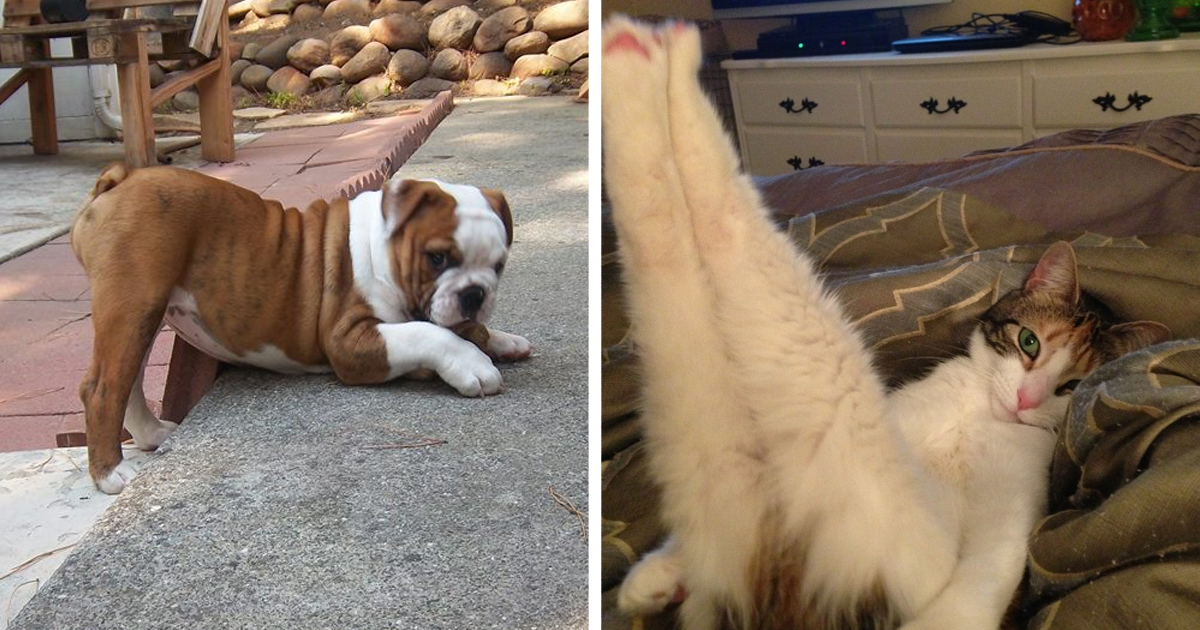
Note: This is an original, web-ready article written in standard American English and synthesized from reputable animal behavior, wildlife ethics, pet photography, and animal-welfare guidance.
Some animals were simply born for the spotlight. Give a dog a sunbeam, a cat a cardboard box, a horse a dramatic breeze, or a raccoon a trash can lid that accidentally looks like a magazine cover prop, and suddenly you have a four-legged supermodel. That is the irresistible magic behind 177 Animals Posing For The Camera Like Pros: a joyful celebration of pets, wildlife, farm animals, and backyard visitors who seem to understand angles better than most of us do after three cups of coffee and 47 failed selfies.
Animal photography works because it combines surprise, personality, timing, and pure chaos. Unlike human models, animals do not care about “finding the light” or “working the camera.” They care about snacks, safety, curiosity, naps, and whether the suspicious black rectangle in your hand is edible. Yet somehow, that honesty is exactly what makes their photos so charming. A tilted puppy head, a parrot’s side-eye, a llama’s runway stare, or a squirrel frozen mid-snack can feel more expressive than a professionally directed photoshoot.
In this article, we will look at why animals look so hilarious and photogenic on camera, what makes a great animal pose, how photographers capture these moments ethically, and why our favorite animal pictures often say more about us than we expect.
Why Animals Look Like Professional Models
The best animal photos usually happen when no one is trying too hard. A golden retriever sitting proudly in a pile of leaves, a cat stretching like a tiny yoga instructor, or a goat staring into the lens as if it just read your group chat can all look carefully staged. In reality, these images often come from patience, observation, and a photographer who knows when to press the shutter.
Animals communicate through body posture, facial movement, ear position, tail motion, eye contact, and energy level. A relaxed dog may have soft eyes, loose body language, and an open mouth that looks suspiciously like a smile. A confident cat may sit tall, blink slowly, and flick its tail like it owns the studio, the house, and probably the mortgage. Birds, horses, rabbits, reptiles, and even tiny rodents all have their own visual language.
That body language is what makes animal portraits feel alive. When we see a pug looking dramatically into the distance, we do not simply see a dog. We see a tiny philosopher wondering where the last meatball went. When a cow leans into the frame with perfect deadpan timing, we see personality. The camera catches a second of behavior, and our brains happily turn it into a story.
The Classic Animal “Model” Poses
Across pet photos, wildlife images, shelter portraits, and social media galleries, certain animal poses appear again and again. They work because they are expressive, easy to understand, and wonderfully meme-ready.
1. The Royal Stare
This is the pose where an animal looks directly into the camera with the quiet confidence of someone about to release a luxury fragrance. Cats are masters of this. So are owls, horses, huskies, and any goat that has ever stood on a rock for no practical reason. The royal stare works because eye contact creates connection. It makes the viewer feel noticed, judged, or chosen.
2. The Head Tilt
Few things on Earth are more powerful than a dog tilting its head at the exact moment a camera appears. The head tilt suggests curiosity, confusion, and maximum cuteness. Puppies use it like a superpower. Adult dogs use it to avoid consequences. “Did I chew the remote? Interesting question, Susan.”
3. The Accidental Fashion Pose
Some animals do not pose; they simply exist with flair. A long-haired cat caught in a breeze, a horse tossing its mane, or a chicken standing in golden-hour light can look like an editorial spread. These moments show how important lighting and timing are in animal photography. Soft natural light can turn an ordinary backyard scene into a portrait worthy of a gallery wall.
4. The Side-Eye
The animal side-eye is a universal treasure. Dogs do it when they hear the word “bath.” Cats do it when humans breathe too loudly. Parrots, alpacas, and rabbits can deliver side-eye sharp enough to slice cucumbers. This pose is funny because it feels deeply human. We recognize the expression instantly: suspicion, sass, and mild disappointment.
5. The Snack-Time Glamour Shot
Food brings out big feelings. A squirrel clutching a peanut, a hamster stuffing its cheeks, or a dog waiting heroically beside a treat can look both adorable and theatrical. The secret is anticipation. The animal is focused, the eyes are bright, and the body is alert. That intensity makes the photo pop.
What Makes Animal Photos So Shareable?
Animal pictures dominate the internet because they are quick emotional shortcuts. A funny animal photo does not require a long setup. You see a cat sitting like a tired accountant or a dog wearing an expression of betrayal after hearing “vet,” and the joke lands immediately.
These photos are also low-conflict joy. In a busy digital world full of heavy news, hot takes, and comment sections that should probably drink more water, animals give people a moment of relief. A well-timed animal portrait can make someone smile in three seconds. That is powerful.
There is also a storytelling element. A single photo invites viewers to imagine what happened before and after the shot. Why is the raccoon standing like a tiny landlord? Why does the sheep look like it knows tax secrets? Why is the cat posing beside the broken vase with the confidence of an innocent citizen? The image becomes a miniature comedy scene.
How Photographers Capture Animals Like Pros
Great animal photography requires more than luck, although luck definitely helps. Professionals and skilled hobbyists often use a blend of preparation, patience, comfort, and respect for the animal’s natural behavior.
Use Natural Light Whenever Possible
Soft light is flattering for animals just as it is for people. Early morning and late afternoon are especially helpful because the sun is lower and warmer. Indoors, window light can create gentle highlights in the eyes and fur without startling the animal. Harsh flash, especially around sensitive pets or nocturnal wildlife, should be avoided or used with great care.
Get Down to Eye Level
One of the simplest ways to improve an animal photo is to lower the camera. Photographing from the animal’s eye level makes the image feel more intimate and respectful. A rabbit becomes a woodland prince. A dachshund becomes a heroic explorer. A turtle becomes a wise old traveler with excellent floor-level real estate.
Focus on the Eyes
The eyes are usually the emotional center of an animal portrait. Sharp eyes can make a photo feel alive, even if the rest of the image is soft or simple. This is especially true for dogs, cats, horses, birds, and wildlife. A fox looking through tall grass or a cat peeking from under a blanket can become unforgettable when the eyes are clear.
Let the Animal Be Comfortable
The best “poses” often happen when animals feel safe. For pets, that may mean shooting at home, using familiar toys, taking breaks, and letting them sniff the camera. For wildlife, it means keeping distance, avoiding disruption, and never forcing an encounter. A stressed animal rarely produces a joyful photo, and no picture is worth frightening or endangering a living creature.
Ethical Animal Photography Matters
As charming as animal photos are, responsible photography must come first. Wild animals should not be chased, baited, cornered, or handled for the sake of a picture. Nesting birds, young animals, and animals feeding or resting are especially vulnerable to disturbance. Ethical photographers use distance, patience, long lenses, and respect.
For domestic pets, ethics also matter. A costume may look funny to humans, but if the animal is frozen, panting heavily, hiding, flattening its ears, or trying to escape, the session needs to stop. Cute should never come at the expense of comfort. The funniest animal photos are usually the ones where the animal is relaxed, curious, and free to be itself.
This is why candid animal photography often feels better than forced posing. A dog choosing to flop upside down on the couch is hilarious. A cat voluntarily climbing into a mixing bowl is comedy gold. A horse nuzzling a friend, a duck photobombing a picnic, or a donkey standing proudly in fresh snow all create images that feel authentic because they are authentic.
177 Animals, 177 Tiny Personalities
The idea of 177 animals posing for the camera like pros is not just about quantity. It is about variety. Every species brings a different kind of charm. Dogs are expressive and eager. Cats are elegant, weird, and sometimes emotionally unavailable in a very photogenic way. Birds can be colorful divas. Horses bring grace. Goats bring mischief. Rabbits bring softness. Reptiles bring ancient wisdom and the occasional “tiny dinosaur in a sweater” energy.
Even animals that are not traditionally considered cuddly can be stunning in photographs. Frogs have jewel-like eyes. Snakes can create elegant shapes. Lizards often look like fantasy creatures taking a break between quests. Cows, pigs, chickens, and sheep can be deeply expressive when photographed with patience and kindness.
That is the joy of a large animal photo collection: it reminds us that personality is everywhere. A serious-looking owl, a delighted Labrador, a suspicious ferret, and a proud peacock may have nothing obvious in common, but each can command the frame in its own way.
Why We See Human Emotions in Animal Faces
Part of the fun comes from anthropomorphism, which means giving human traits to nonhuman animals. We know a cat sitting beside a knocked-over plant is probably not “smirking,” but it sure looks like it. We know a capybara relaxing with total peace is not necessarily practicing mindfulness, but honestly, it has the posture of someone who canceled all meetings and chose wellness.
Humans are wired to read faces and body language. We look for emotion, intention, and story. Animal photos invite us to do that in a playful way. The result is a delightful blend of real behavior and imagined dialogue. The animal provides the pose; we provide the caption.
Tips for Taking Your Own Pro-Level Animal Photos
You do not need a studio or expensive gear to capture memorable animal photos. A smartphone, good light, and patience can go a long way.
Choose a familiar setting
Pets look more natural when they are comfortable. Start in a favorite room, yard, park, or quiet corner. Familiar environments reduce stress and help real personality shine.
Use toys, sounds, and treats wisely
A squeaky toy, treat, or gentle sound can help catch attention, but do not overdo it. If the animal becomes overstimulated, frustrated, or distracted, pause. The goal is expression, not chaos with crumbs.
Watch the background
A great pose can lose impact if the background is cluttered. Move laundry baskets, trash cans, and mysterious floor socks out of frame. Your pet may be a star, but the sock does not need a supporting role.
Take many photos
Animals move quickly. One second they look majestic; the next they are licking their nose in a way that defies physics. Burst mode helps capture the perfect split second.
Respect the animal’s mood
If the animal walks away, let it. If your cat refuses to cooperate, congratulations: you have met a cat. Try again later. A relaxed animal will always photograph better than one being pressured.
The Experience: What Animals Teach Us From Behind the Lens
Spending time photographing animals changes the way you look at them. At first, you may think you are simply trying to get a cute shot. Then you begin noticing details: the way a dog’s ears lift before a favorite person enters the room, the way a cat’s whiskers move forward when curiosity takes over, the way a horse softens its eyes when it trusts someone nearby. The camera becomes less of a tool for control and more of a reason to pay attention.
One of the funniest lessons is that animals do not care about your plan. You may imagine a perfect portrait of your dog sitting neatly beside a pumpkin. Your dog may decide the pumpkin is emotionally suspicious and must be barked at from a safe distance. You may set up a cozy blanket for your cat, only for the cat to ignore it and pose inside the shipping box it arrived in. You may wait for a bird to land beautifully on a branch, only for it to choose the least scenic fence post in the county. And somehow, those imperfect moments are often better.
Animal photography teaches patience because you cannot rush trust. A shy rescue dog may need ten minutes just to approach the camera. A senior cat may offer only one regal glance before returning to nap mode. A rabbit may sit perfectly still until the exact moment you focus, then hop away like it has urgent business elsewhere. The experience becomes a negotiation: you bring calm energy, the animal brings personality, and the final image is whatever happens when those two things meet.
It also teaches humility. Humans love to believe we are directing the session, but animals are usually the creative directors. The best photos happen when you stop demanding a specific pose and start noticing what the animal naturally offers. A dog rolling in grass, a pig enjoying a mud puddle, a parrot inspecting a camera strap, or a kitten attacking a shoelace can all become more memorable than a perfectly arranged portrait.
There is also a deeper emotional reward. Photographing animals helps preserve tiny chapters of life: a puppy’s first clumsy months, a cat’s favorite sunny window, a horse’s winter coat, a senior dog’s silver muzzle, a backyard squirrel that visits every morning like it pays rent. These images become memories with fur, feathers, scales, or hooves attached.
For many people, animal photos are not just entertainment. They are reminders of companionship, tenderness, and the ridiculous beauty of sharing the planet with creatures who do not speak our language but still manage to communicate constantly. A single look from an animal can be funny, moving, or oddly wise. Sometimes it is all three.
That is why collections like 177 Animals Posing For The Camera Like Pros are so satisfying. They are not merely about animals looking cute. They are about catching personality in the wild little second before it disappears. They celebrate the dog who thinks every camera is a friend, the cat who treats every photo like a legal deposition, the bird who knows its good side, and the goat who accidentally becomes an icon by standing on a picnic table.
In the end, the best animal photos are collaborations. The human brings the camera. The animal brings the soul, the comedy, the timing, and occasionally a muddy paw print on your pants. Fair trade.
Conclusion
177 Animals Posing For The Camera Like Pros is more than a funny idea for an animal photo collection. It is a reminder that animals are endlessly expressive when we give them space, patience, and respect. Their poses may be accidental, but their charm is undeniable. From dramatic dogs and mysterious cats to elegant birds, goofy goats, soulful horses, and tiny creatures with giant personalities, animal photography captures the wild, sweet, and hilarious moments that make people stop scrolling and start smiling.
The next time your pet stares into the camera like a movie star or a backyard visitor pauses in perfect light, take the shot. You may not capture perfection, but you might capture something better: personality.














