
Creativity does not disappear when adulthood arrives. It simply gets buried beneath meetings, errands, laundry, and the mysterious collection of charging cables nobody dares throw away. The best DIY craft kits for adults make it easier to recover that creative spark by providing the materials, tools, and instructions needed to begin a satisfying project at home.
Whether you want to sculpt pottery, crochet an adorable animal, pour a fragrant candle, or create wall art that looks surprisingly professional, there is a kit for your interests and skill level. Many projects also produce something useful or display-worthy, so your relaxing evening can end with more than an empty snack bowl.
This guide explores 20 popular adult craft kits, selected for accessibility, creative potential, material usefulness, and the quality of the finished project. Specific designs and supplies vary by manufacturer, so always check the package contents before buying.
How to Choose a DIY Craft Kit for Adults
Start by considering how much time, space, and patience you can realistically give the project. A two-hour painting kit is very different from a miniature house that may occupy your dining table for several weekends.
A worthwhile beginner kit should include clear instructions, enough material to recover from small mistakes, and any specialized tools required. Also check whether ordinary household itemssuch as scissors, a ruler, gloves, or a heat-safe containermust be supplied separately. If the craft involves resin, hot wax, sharp needles, wood-burning tools, or chemical colorants, review the ventilation and safety requirements before opening anything.
The 20 Best DIY Craft Kits for Creative Adults
1. Beginner Embroidery Kit
Best for: Quiet evenings and first-time stitchers.
A good embroidery starter kit includes a hoop, printed fabric, needles, colorful floss, and illustrated stitch instructions. Floral patterns are especially forgiving because an imperfect leaf still looks like a leafpossibly one that has enjoyed an adventurous life. Choose a design that teaches several basic stitches so you can later personalize clothing, tote bags, and household linens.
2. Amigurumi Crochet Kit
Best for: Learners who enjoy cute, three-dimensional projects.
Amigurumi kits turn yarn into small animals, foods, plants, or characters. Beginner-focused options, such as kits from The Woobles and similar brands, often include pre-started yarn, a crochet hook, stuffing, stitch markers, and video instruction. Look for tutorials designed for both right- and left-handed makers. The first few loops may test your diplomacy with yarn, but the finished creature is worth negotiating for.
3. Punch Needle Wall Art Kit
Best for: Fast, textured results.
Punch needle crafting uses a hollow needle to push loops of yarn through tightly stretched fabric. Many kits provide a printed pattern, hoop or frame, yarn, threader, and punch needle. Progress is visible quickly, making this a rewarding alternative for people who find traditional embroidery slow. Check that the needle, yarn, and foundation cloth are compatible; mismatched supplies cause most beginner frustration.
4. Air-Dry Pottery Kit
Best for: Hands-on makers without access to a kiln.
Air-dry pottery kits let adults sculpt trinket dishes, vases, candleholders, and decorative pots at home. Well-equipped sets include clay, shaping tools, paint, brushes, sealant, and project guides. Sculpd and other modern pottery-kit brands demonstrate how approachable home ceramics can be. Remember that air-dry creations are generally decorative unless a manufacturer specifically labels the finished material food-safe and waterproof.
5. Soy Candle-Making Kit
Best for: Creating attractive, practical gifts.
A candle-making kit typically contains soy wax, wicks, wick holders, fragrance oils, dye, containers, and pouring instructions. Kits with a thermometer and measured ingredients make the process easier for beginners. Follow the recommended fragrance ratio instead of improvising an “extra cozy” candle powerful enough to announce itself from another ZIP code. Melt wax carefully and keep the workspace away from children and pets.
6. Pressed-Flower Resin Coaster Kit
Best for: Preserving flowers in functional décor.
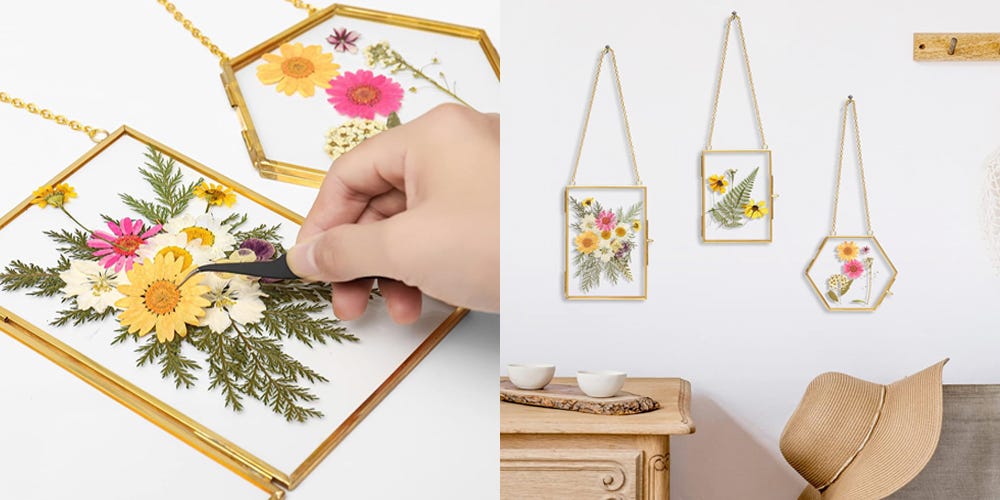
Resin coaster kits combine clear casting resin, molds, decorative materials, and pigments to produce glossy home accessories. Pressed petals can commemorate a bouquet, vacation, or garden season. Select a kit with precise mixing directions, measuring cups, stirrers, and protective gloves. Work in a properly ventilated area, protect the table, and allow the pieces to cure fully before removing them from their molds.
7. Macramé Plant Hanger Kit
Best for: Bohemian décor and repetitive knotting.
Most macramé kits include precut cord, a wooden ring or dowel, beads, and instructions for several foundational knots. A plant hanger is an excellent first project because its structure is repetitive and useful. Measure carefully before tightening every knot; otherwise, your planter may hang with the dramatic tilt of a ship in a storm. Kits using soft cotton cord are generally easiest on beginner hands.
8. Needle-Felting Animal Kit
Best for: Sculptors who prefer wool to clay.
Needle felting transforms loose wool fibers into compact figures using repeated pokes from a barbed needle. A complete kit should provide wool roving, multiple needles, a foam work surface, finger guards, and detailed photographs. Simple animals with rounded shapes are beginner-friendly. The needles are extremely sharp, so use the protective surface and keep your eyes on the project rather than the television.
9. Linocut Printmaking Kit
Best for: Making repeatable artwork, cards, and prints.
Linocut kits introduce relief printing through a carving block, cutting tools, ink, roller, and paper. After carving a reverse image, you can print it repeatedly in different colors. Begin with bold shapes instead of a portrait containing 900 eyelashes. Because carving tools can slip, cut away from your body and choose a beginner kit with a secure handle and softer carving material.
10. Mosaic Art Kit
Best for: Color lovers who enjoy arranging small pieces.
Mosaic kits may use glass, ceramic, stone, or beads to decorate coasters, trays, frames, and wall panels. Look for precut tiles, adhesive, grout, gloves, and a clearly marked design. Geometric patterns provide structure, while free-form projects allow more experimentation. If the kit includes glass pieces, inspect them for sharp edges and cover the work surface before beginning.
11. Paint-by-Number Canvas Kit
Best for: Relaxing without designing from scratch.
Paint-by-number kits offer a numbered canvas, matching acrylic paints, and several brushes. They are approachable for beginners but still teach brush control, layering, and color relationships. Choose a design with larger sections if you want a gentle weekend project; highly detailed landscapes require more time and steadier hands. Paint lighter areas first and keep the containers closed so the acrylic does not dry prematurely.
12. Diamond Painting Kit
Best for: Sparkle, precision, and low-mess crafting.
Diamond painting involves placing tiny resin gems onto a coded adhesive surface. Kits usually include the canvas or blank object, applicator pen, wax, tray, and sorted gems. Bookmark sets provide quick gratification, while large canvases can become elaborate wall art. Work one small section at a time and keep every packet labeled. One accidental sneeze can turn careful color organization into modern performance art.
13. Crepe-Paper Flower Kit
Best for: Floral décor that never wilts.
Paper flower kits use precut or templated petals, floral wire, tape, adhesive, and shaping instructions to create surprisingly realistic blooms. Crepe paper stretches gently, allowing petals to curve and cup like natural flowers. A bouquet kit offers repeated practice and a polished centerpiece. Choose coordinated colors for realism or embrace electric-blue peonies if botanical accuracy has never been your supervisor.
14. Miniature House or Book-Nook Kit
Best for: Patient builders who love tiny details.
Miniature kits contain precut furniture, structural pieces, paper decorations, lights, and accessories for assembling a small room or bookshelf scene. They deliver impressive display value but often require many hours. Check whether glue, paint, batteries, and tweezers are included. Create labeled containers for the smallest parts; a miniature teacup becomes significantly less charming when discovered later by a bare foot.
15. Wood-Burning Starter Kit
Best for: Personalizing signs, boxes, and wooden utensils.
Wood-burning kits use a heated pen to create permanent lines and shading on unfinished wood. Beginner sets commonly include interchangeable tips, wood blanks, templates, transfer paper, and a stand. Practice on scrap wood before touching the main project because the marks cannot be erased. Work in a ventilated space, use untreated wood, and unplug the tool as soon as the creative smoke clears.
16. Modern Calligraphy Kit
Best for: Handmade cards, invitations, and elegant labels.
A calligraphy starter kit generally includes a pen holder, nibs or brush pens, ink, practice sheets, and alphabet guides. The strongest kits teach pressure control and stroke order rather than asking beginners to copy complete words immediately. Short daily practice sessions are more effective than one heroic five-hour attempt. Expect wobbly lines at first; every polished alphabet begins with letters that look mildly concerned.
17. Jewelry-Making Kit
Best for: Wearable creativity and group craft nights.
Jewelry kits range from simple friendship bracelets to wire-wrapped stones and seed-bead earrings. Look for coordinated beads, clasps, stringing material, pliers, findings, and several project patterns. An assortment with enough supplies for multiple pieces offers room to experiment. Check metal components if you have sensitivities, and use a bead mat or shallow tray to prevent your floor from acquiring an unwanted treasure layer.
18. Cold-Process or Melt-and-Pour Soap Kit
Best for: Useful handmade products with customizable colors and scents.
Beginners should generally start with a melt-and-pour kit, which supplies a premade soap base, molds, colorants, fragrances, and mixing tools. Cold-process soap involves lye and demands stricter safety procedures. Read the method before purchasing, wear the recommended protection, and use skin-safe additives only. Dried flowers may look lovely, but not every decorative ingredient belongs in a product used on skin.
19. Cyanotype Sun-Printing Kit
Best for: Nature lovers and experimental photographers.
Cyanotype kits use light-sensitive paper or fabric to capture silhouettes in deep blue and white. Arrange leaves, flowers, lace, or flat objects on the prepared surface, expose it to sunlight, and rinse according to the directions. Each print is slightly unpredictable, which is part of the appeal. Keep unused sheets sealed away from light and test exposure times before using your favorite botanical specimens.
20. Botanical Building Set
Best for: Structured creativity and display-ready results.
Adult botanical building sets combine detailed instructions with flexible arrangement. LEGO Botanicals and similar model kits let makers construct orchids, bouquets, bonsai trees, or succulents that can be repositioned after assembly. They require no paint, glue, or specialized technique, making them ideal for a clean craft night. They also survive neglected watering schedules with heroic dignity.
Which Adult Craft Kit Is Right for You?
Choose embroidery, crochet, punch needle, or macramé if you enjoy rhythmic handwork. Try painting, cyanotype, calligraphy, or printmaking if color and composition appeal to you. Pottery, felting, and miniature construction are better for makers who prefer three-dimensional objects, while candle, soap, and jewelry kits produce practical gifts.
For a one-evening activity, consider diamond painting bookmarks, jewelry, calligraphy, or a small paint-by-number canvas. For a longer creative escape, choose a book nook, detailed crochet figure, mosaic, or large embroidery design. The best kit is not necessarily the most complicated one; it is the project you will actually open instead of admiring the box for six months.
What the Adult Craft-Kit Experience Is Really Like
The First Session: Excitement Meets Mild Confusion
Opening a new craft kit creates a particular kind of optimism. Every skein is tidy, every paint pot is sealed, and the person pictured on the instruction card appears to have completed the project without once dropping anything. Then the real work begins.
The most successful first session is usually spent organizing rather than rushing. Lay out every component, compare it with the supply list, read the instructions from beginning to end, and prepare any extras. This simple routine prevents common discoveries such as needing water halfway through painting or realizing the “included tool” is actually listed under “you will also need.”
Beginners often assume they are doing badly when the first few stitches, knots, or brushstrokes look uneven. In reality, the opening stage is where hands learn the motion. A practice scrap can dramatically improve confidence, especially for wood burning, calligraphy, resin pigments, and printmaking.
The Middle: Where Creativity Actually Appears
Once the basic technique becomes familiar, the project begins to feel less like an assignment and more like personal work. This is the ideal time to change a color, adjust a pattern, combine decorative elements, or add initials. Even a heavily guided kit can become original through small decisions.
The middle is also where mistakes happen. Yarn tangles, clay cracks, paint wanders outside its number, and miniature furniture displays a strong opposition to standing upright. Most errors are repairable. A misplaced stitch can be removed, dry paint can be covered, and uneven clay can become “organic.” Crafting has an extensive vocabulary for turning accidents into artistic intention.
Short breaks help with detailed projects. After an hour of concentrating on tiny beads or printed symbols, colors can start looking suspiciously similar. Good lighting, a supportive chair, and organized materials make the experience far more enjoyable than trying to balance everything on a couch cushion.
The Finish: Satisfaction Without Perfection
Completing a craft provides a visible record of time and attention. Unlike many digital activities, it leaves behind an object you can hold, display, use, or give away. The final result may not match the product photograph exactly, but it carries choices and small imperfections that a factory-made item cannot reproduce.
Finishing also helps reveal whether the hobby deserves a larger investment. Someone who loves a starter embroidery kit might next purchase better hoops and create original patterns. A person who enjoyed one candle kit may begin testing waxes, vessels, and fragrances. Conversely, discovering that needle felting feels like aggressively grooming a cloud is useful information too. A kit lets you explore the technique without filling an entire closet with specialized supplies.
Craft nights can also become social experiences. Set up several beginner projects, serve simple snacks away from the materials, and let guests work at their own pace. Collaborative crafting removes the pressure to maintain constant conversation while still giving everyone something to discuss. At the end, each person takes home a handmade object and, ideally, the correct number of beads they arrived with.
Final Thoughts
The best DIY craft kits for adults remove the intimidating parts of starting a hobby while preserving the pleasure of making something yourself. Embroidery offers calm repetition, pottery encourages experimentation, candle making appeals to practical creators, and miniature kits reward patient builders. There is no universal winner because creativity is delightfully uncooperative with universal rules.
Choose a project that fits your available time, workspace, and curiosity. Read the safety directions, accept that the first attempt may have personality, and enjoy the process. The finished item is a bonus; the real achievement is giving your imagination somewhere to go.
Note: Kit contents, materials, age recommendations, and safety requirements vary by manufacturer. Review the current product description and instructions before purchasing or beginning any project.













