
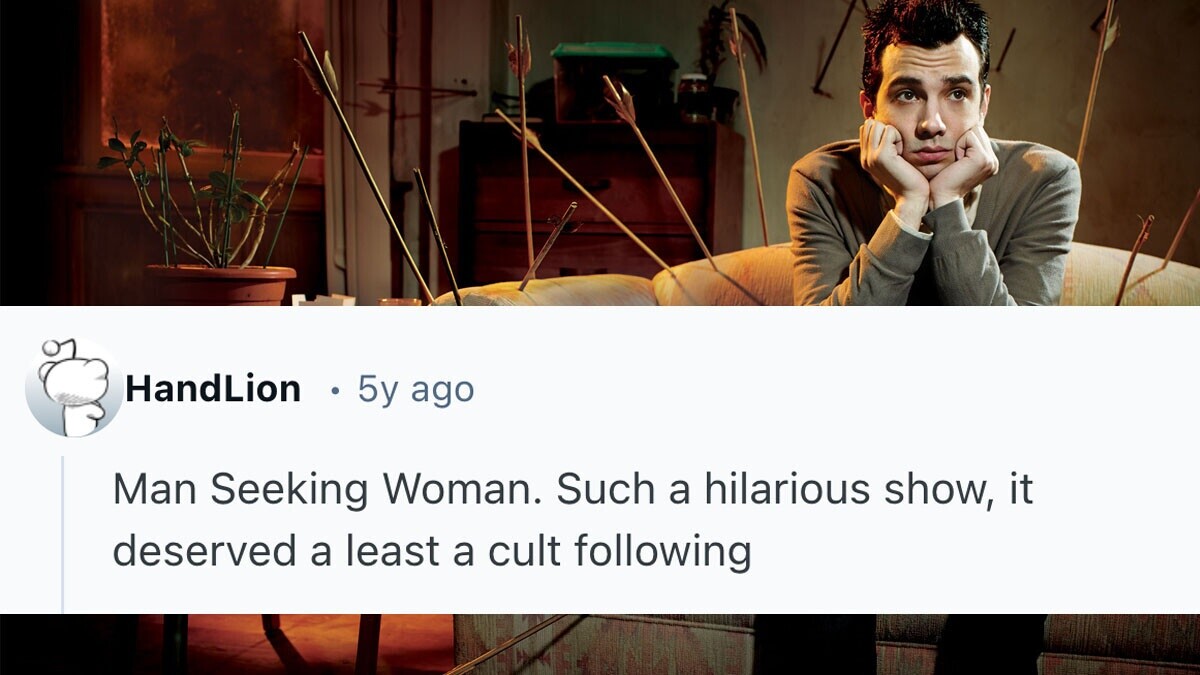
Television has always had a cruel sense of humor. It will happily reward a show about a guy glaring moodily in a hallway for eight seasons, then cancel something smart, weird, heartfelt, and wildly original before half the country even realizes it exists. That is how cult classics are born: not with a victory lap, but with confused ratings reports, bad time slots, shaky marketing, and the collective cry of, “Wait, that got canceled?”
This list is for the hidden gem series, underrated TV shows, and one-season wonders that should have broken through in a much bigger way. Some were canceled too soon. Some lasted a little longer but never got the audience their writing, acting, or sheer nerve deserved. A few became cult favorites later, which is lovely, but still feels a bit like giving someone a lifetime achievement award at age 29. Nice gesture. Wrong timing.
So here are 20 obscure TV shows that deserved to be hits: funny, inventive, emotionally sharp series that proved great television does not always arrive with a trumpet blast. Sometimes it sneaks in through the side door carrying a pie, a spaceship, a private-investigator license, or a deep sense of existential dread.
Why Some Great Shows Never Become Big Hits
Before the list, it helps to remember why terrific shows sometimes disappear into the pop-culture fog. Some are simply ahead of their time. Others are tonally hard to market because they are comedy-dramas, sci-fi westerns, or surreal workplace satires that make executives nervous and viewers curious only after they are gone. Then there are the scheduling disasters: episodes aired out of order, midseason dumps, weak promotion, or platforms that did not know how to sell a show beyond “Trust us, it’s quirky.”
The result is a special kind of TV heartbreak. Years later, critics still cite these series as examples of what the medium can do at its best. Viewers still recommend them with the intensity of people trying to recruit a friend into a secret society. And yet, in their own moment, they never became the hits they should have been.
20 Obscure TV Shows That Deserved To Be Hits
1. Freaks and Geeks
This is the gold standard of “How on earth was this not huge?” Set in suburban Michigan and built around teenagers who actually felt like teenagers, Freaks and Geeks mixed awkwardness, heartbreak, and dead-on humor with unusual empathy. It launched an absurd number of careers, but the bigger legacy is simpler: the show understood that adolescence is both ridiculous and devastating, often before lunch.
2. My So-Called Life
Long before prestige teen dramas became a recognized category, My So-Called Life treated high school life with honesty instead of glitter. Claire Danes gave Angela Chase a nervous intelligence that made every hallway feel like a battlefield. It was intimate, messy, and startlingly real, which may explain why it endures while so many louder teen shows from the era now feel like museum pieces.
3. Wonderfalls
If someone pitched “a sarcastic gift-shop clerk in Niagara Falls starts receiving life advice from animal figurines,” you would either greenlight it immediately or hide under a desk. Thankfully, Wonderfalls got made. Even better, it was warm, funny, strange, and far more emotionally grounded than its premise suggested. It aired only a handful of episodes, which remains one of television’s all-time own goals.
4. Dead Like Me
Only Bryan Fuller could turn grim reapers into the engine for a funny, melancholy show about dead-end work, unfinished business, and the absurdity of being alive. Dead Like Me balanced cosmic weirdness with office-comedy rhythms, then layered in grief, loneliness, and a surprisingly humane take on mortality. It was morbid comfort food, which is not a phrase you hear every day.
5. Firefly
Firefly is no longer obscure in cult circles, but it still belongs here because mainstream success never arrived when it mattered. Joss Whedon’s space western blended frontier grit, found-family chemistry, and banter sharp enough to cut steel. The world felt lived-in, the crew dynamic was electric, and the network mishandled it so badly that the series became a legend mostly through absence. It deserved far more than a posthumous victory parade.
6. Pushing Daisies
Visually, Pushing Daisies looked like a storybook designed by someone who had consumed equal parts Tim Burton, candy corn, and melancholy. Narratively, it centered on Ned, a pie maker who could bring the dead back to life with a touch. That premise gave the series room for romance, mystery, comedy, and grief all at once. Few shows were this whimsical without becoming weightless.
7. Better Off Ted
Corporate satire is hard. Corporate satire that is actually funny is harder. Better Off Ted pulled it off by imagining an absurdly polished company where ethics were optional and nonsense was a management strategy. The writing was dry, the cast was impeccable, and the show understood a truth many offices prefer not to print on the wall: the more cheerful the branding, the stranger the machine behind it.
8. Party Down
Before it became a beloved cult comedy with a revival, Party Down was a brutally funny little show about Hollywood dreamers stuck catering events while their ambitions quietly developed stress fractures. Its genius was in how ruthlessly it mocked the entertainment industry while still caring about the people being chewed up by it. Also, very few shows have ever squeezed this much comedy out of a pink bow tie and professional disappointment.
9. Terriers
Despite its title, Terriers was not about dogs, which may have been the first marketing problem. What it actually was: a terrific buddy-noir series about two unlicensed private investigators stumbling through crimes, regrets, and class rot in a Southern California beach town. It was scruffy, soulful, and far deeper than its setup suggested. If more people had watched it, the title would now feel cool instead of confusing.
10. Happy Endings
Happy Endings had the speed of a joke machine and the looseness of a friend group that genuinely seemed to like one another. In another universe, this became a massive network sitcom with endless rerun life and a line of novelty T-shirts. In ours, it remains a criminally under-watched gem whose pop-culture references, Chicago setting, and ensemble chemistry still feel delightfully caffeinated.
11. Bunheads
Amy Sherman-Palladino brought her trademark rhythm to Bunheads, and the result was a series that felt airy on the surface and carefully observant underneath. Set around a dance school and a woman adjusting to a life she never planned, it found comedy in personality clashes and tenderness in reinvention. It was graceful without being precious, which, honestly, is harder than a triple pirouette.
12. Enlightened
Enlightened was too prickly, too sincere, too uncomfortable, and too smart to become easy water-cooler television. Which is exactly why it was so good. Laura Dern played a woman trying to remake herself after a breakdown, only to discover that self-improvement does not magically make the world less ridiculous or corrupt. The show was funny, sad, and piercingly aware of how people sabotage their own desire to be better.
13. Rectify
Some dramas demand attention with noise. Rectify barely raised its voice. It followed a man released from death row as he tried to reenter a world that had already emotionally buried him. The pacing was deliberate, but never empty. Every conversation mattered. Every silence carried weight. It was one of the most compassionate shows of its era, and one of the least flashy, which probably cost it the audience it deserved.
14. Halt and Catch Fire
At first glance, a period drama about the early computer industry sounds like homework with shoulder pads. Then Halt and Catch Fire becomes one of television’s richest character dramas, turning the rise of personal computing and online culture into a story about ambition, ego, collaboration, and reinvention. By the end, it was not just a show about technology. It was about the people who dream first and pay later.
15. You’re the Worst
The title sounds like a joke. The show turned out to be one of the sharpest anti-romantic comedies of the last decade. You’re the Worst knew that damaged, selfish people can still be lovable on screen if the writing is honest enough. It also handled depression, trauma, and emotional avoidance with far more intelligence than many supposedly serious dramas. Meaner than a rom-com, wiser than a typical sitcom, and much more moving than it had any right to be.
16. Galavant
Medieval musical comedy should have been a programming dare, not a genuine broadcast series. And yet Galavant somehow worked. It spoofed fairy-tale storytelling, embraced ridiculously catchy songs, and moved with the confidence of a show fully aware that it was deeply weird. In a fairer universe, people would still randomly burst into conversation about its songs the way they do with bigger cult comedies.
17. Patriot
Patriot is one of those shows you describe badly because there is no tidy elevator pitch for a melancholy spy dramedy about an intelligence officer pretending to work at a piping company while slowly unraveling. But that oddness is the point. The show used deadpan humor, bureaucratic absurdity, and emotional exhaustion to create something genuinely original. It was dark, funny, sad, and gloriously off-center.
18. Lodge 49
Lodge 49 drifted into television like a sun-faded secret. It followed a former surfer who stumbles into a fraternal lodge and finds, of all things, a kind of accidental spiritual community. The series was about debt, drift, grief, capitalism, alchemy, optimism, and maybe magic, depending on the episode and your tolerance for symbolic pool scenes. It was impossible to reduce, which may be why so many critics adored it and so few casual viewers found it in time.
19. Detroiters
Before more people caught on to Tim Robinson’s comedic wavelength, Detroiters gave him and Sam Richardson a perfect vehicle: a warm, absurd sitcom about two ad men with giant hearts and catastrophic instincts. The series loved local weirdness, small-business hustle, and male friendship without turning sentimental mushy. It was silly in the best way, and its affection for Detroit made the whole thing feel specific instead of generic.
20. Undeclared
Overshadowed by Freaks and Geeks, Undeclared deserves its own flowers. Judd Apatow shifted from high school to college and kept the same knack for writing people who were insecure, funny, and painfully recognizable. It captured the elastic, identity-melting chaos of early college life before that phase had been mined into cliché. Not every joke landed, but the voice was there, and the ensemble made even the awkward stretches worth following.
What These Hidden Gem Series Have in Common
The best obscure TV shows rarely fail because they lack quality. More often, they fail because they are hard to package. These series refused to fit neatly into one box. They were too strange for mainstream comedy, too funny for prestige drama, too emotional for parody, or too specific to be sold with one lazy logline. But that hybrid energy is exactly what makes them memorable.
They also trusted viewers. They assumed audiences could handle tonal complexity, eccentric characters, and stories that did not behave like factory-built content. That trust is one reason these shows remain so beloved years later. A big hit can dominate a season. A cult favorite can quietly colonize your brain for a decade.
The Experience of Loving a Show Nobody Else Seemed to Watch
There is a very particular feeling that comes with discovering an underappreciated TV show before it becomes a cult badge of honor. At first, it feels almost accidental. You click on something because the thumbnail is odd, the cast looks good, or you vaguely remember one critic losing their mind over it ten years ago. Then three episodes later, you are sitting bolt upright on the couch wondering why this thing is not being discussed by every coworker, every cousin, and every stranger in line for coffee.
Watching an obscure series can feel more intimate than watching a mainstream hit. Big shows arrive with noise. Hidden gem series arrive like a personal recommendation from a very clever friend. You are not just consuming them; you are participating in a tiny act of discovery. There is pleasure in that. You feel less like a viewer and more like an archeologist with decent taste and questionable sleep habits.
Then the second stage kicks in: evangelism. This is when you start telling people, “No, really, just get past the first episode,” or, “Ignore the terrible title, I swear it’s brilliant.” Fans of obscure TV shows become unpaid publicists because they know the pain of a series being ignored in real time. They develop elevator pitches for impossible premises. They explain tonal shifts with the urgency of emergency responders. They become strangely emotional about scheduling decisions made twelve years ago by executives who have probably moved on to ruining something else.
There is also the bittersweet part. When you fall for a show that never became a hit, you often feel like you are watching with one eye on the story and one eye on the cliff. Every brilliant episode can come with dread. Will this get renewed? Will anyone find it? Will the network panic and shove it into a death slot on Friday night? Loving these shows teaches viewers a kind of defensive pessimism. You learn not to trust joy too early.
But there is a reward for all that heartbreak. Obscure shows often age beautifully because they were never built around trend-chasing in the first place. They were too weird, too specific, or too smart to be disposable. When you revisit them years later, they still feel alive. In some cases, they even feel more modern than the shows that beat them in the ratings. The world catches up, and suddenly that “odd little show” looks like it knew exactly what it was doing all along.
That is why lists like this keep appearing and why audiences keep seeking out underrated TV shows long after cancellation. We are not just chasing nostalgia. We are looking for proof that television can still surprise us, that originality leaves a mark even without massive ratings, and that sometimes the best thing you watch is the show that almost nobody watched when it first aired. It is frustrating, yes. It is unfair, absolutely. But it is also part of what makes television fandom so fun. Sometimes loving a show feels like joining a crowd. Sometimes it feels like discovering a secret door.
Final Thoughts
If you are tired of algorithm-approved sameness, these 20 shows are a terrific place to start. They are funny without being shallow, dramatic without being self-important, and inventive without losing sight of character. Most importantly, they remind us that success and quality are not the same thing. A ratings chart can tell you what people watched. It cannot always tell you what deserved to last.
So the next time someone says television has never been better, nod politely and ask a follow-up question: “Great. But have you seen Terriers?” That is when the real conversation begins.













