
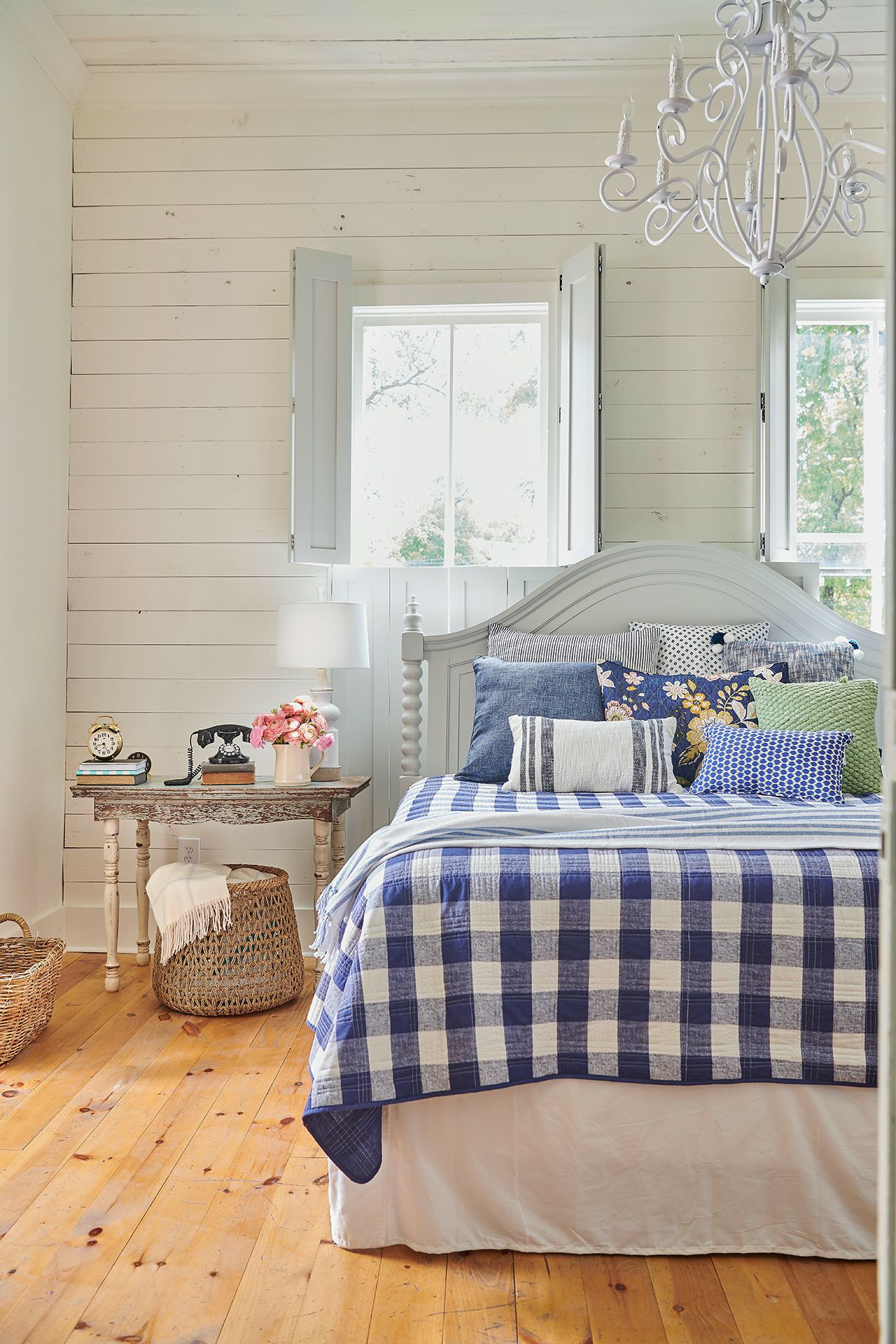
If your room feels a little too polished, a little too plain, or a little too “I bought everything in one stressful Saturday,” cottage style might be exactly what it needs. Cottage decorating is less about perfection and more about personality. It welcomes soft colors, worn wood, layered fabrics, collected treasures, and those delightfully unnecessary details that somehow make a room feel like a hug.
The beauty of cottage style is that it works almost anywhere. You do not need a stone cottage in the countryside, a fireplace that crackles on cue, or a cat named Mabel sleeping on a quilt. You just need a few smart design choices that make a space feel warm, lived-in, and charming in the best possible way. From kitchens and bedrooms to entryways and bathrooms, these cottage decorating ideas can help any room feel more inviting without turning your home into a historical reenactment.
What Makes Cottage Style So Cozy?
Cottage decorating is all about comfort with character. The style leans into natural materials, gentle color palettes, vintage-inspired furniture, cozy lighting, and layers of texture that make a room feel collected over time. Instead of chasing a showroom-perfect look, cottage interiors celebrate the slightly imperfect. A scuffed table, a floral curtain, a stack of old books, and a woven basket can all work together to make a room feel more human.
That is also why cottage style has such staying power. It mixes practical design with sentimental charm. In other words, it is the rare decorating style that says, “Yes, that old lamp can stay,” and means it.
22 Cottage Decorating Ideas for Every Room
1. Start with a Soft, Relaxed Color Palette
One of the easiest ways to bring cottage style home is through color. Think warm whites, creamy beige, pale sage, dusty blue, soft blush, and buttery yellow. These shades make rooms feel calm instead of cold. They also create a gentle backdrop for patterned fabrics, vintage furniture, and natural textures.
If you are nervous about color, start with walls in a warm neutral and add cottage character through painted furniture, pillows, or curtains. The goal is not “boring beige box.” The goal is “quietly charming room that knows how to exhale.”
2. Add Beadboard, Wainscoting, or Simple Wall Paneling
Cottage rooms often feel cozy because the walls are not left completely flat and forgettable. Beadboard, vertical trim, wainscoting, or paneled details add instant texture and old-house charm. Even a small application, like beadboard in a bathroom or a paneled accent wall behind a bed, can make the space feel more finished and more inviting.
This is especially useful in entryways, kitchens, and bedrooms where you want subtle architectural character without a full renovation.
3. Mix Vintage Pieces with Everyday Furniture
A cottage-style room should not look as though everything arrived in the same delivery truck. Mixing old and new creates depth. Pair a newer sofa with a weathered wood side table. Add a vintage mirror above a modern dresser. Use an antique chair in a reading corner. These combinations make the room feel personal instead of predictable.
You do not need valuable antiques, either. A flea-market stool, thrifted nightstand, or hand-me-down cabinet can do the job beautifully.
4. Use Slipcovers for a Relaxed, Lived-In Feel
Slipcovered seating is a cottage classic for a reason. It softens the room instantly and gives even structured furniture a more casual, welcoming shape. White or oatmeal slipcovers feel timeless, but muted stripes and soft florals can also work if you want more personality.
Bonus: slipcovers are forgiving. Life happens. Tea spills. Dogs exist. Cottage style understands.
5. Layer Patterns Like a Brave and Slightly Romantic Adult
Florals, plaids, checks, stripes, and block prints all belong in a cottage-style home. The trick is to keep them connected through color. If your bedding is floral, add a striped pillow in similar tones. If your curtains are plaid, try a small-scale pattern on the bench cushion.
This layered approach gives a room that collected-over-time feeling. It also keeps cottage decorating from becoming too plain or too polished.
6. Bring in Natural Wood and Woven Textures
Nothing warms up a room faster than natural materials. Light or medium-toned wood, wicker, rattan, seagrass, cane, jute, and linen all help create the easy comfort cottage interiors are known for. A woven basket next to the sofa, a jute rug under the dining table, or a rattan chair in the bedroom can change the mood of a room almost instantly.
These textures are especially important if your walls and furniture are mostly neutral. They keep the space from feeling flat.
7. Style Open Shelves with Useful, Pretty Things
Open shelving works beautifully in cottage kitchens, bathrooms, and even laundry rooms because it makes everyday items part of the decor. Stack white dishes, display mugs, add glass jars, tuck in a small framed print, and finish with a trailing plant or a bowl of fruit. The key is to make it practical and charming, not cluttered and chaotic.
If you hear a tiny voice whispering, “What if I just pile random stuff there?” ignore it. The cottage look is curated, not accidental doom shelving.
8. Hang Cafe Curtains for Instant Cottage Charm
Cafe curtains are one of the quickest shortcuts to a cottage-inspired room. They bring softness to kitchens, bathrooms, and breakfast nooks without blocking too much light. Choose linen, cotton, subtle checks, or tiny florals for a look that feels relaxed and classic.
They are especially good in spaces that feel a bit too exposed or a bit too plain. A window with a cafe curtain suddenly looks like it belongs in a room where someone definitely bakes something excellent on Sundays.
9. Create a Reading Nook, Even if It Is Tiny
Cottage decorating loves corners with purpose. A small chair, a floor lamp, a side table, and a throw blanket can turn an awkward corner into the coziest spot in the house. Window seats, underused landings, and bedroom corners are all perfect places for this.
The best cottage spaces feel like they invite you to pause. A reading nook does exactly that.
10. Choose Warm, Layered Lighting
Overhead lighting alone can make a room feel flat and uninviting. Cottage rooms benefit from layered light: table lamps, sconces, small chandeliers, pendants, and even plug-in wall lights. Look for shades in linen or pleated fabric, and finishes like aged brass, iron, ceramic, or painted wood.
Warm pools of light make even simple rooms feel richer and softer by evening.
11. Lean into Quilts, Throws, and Textiles with History
If you want instant cozy character, textiles are your best friend. Fold a quilt across the end of the bed. Drape a knit throw over an armchair. Use embroidered pillow covers or soft linen bedding. Cottage style is all about layers that look inviting and feel even better.
Handmade or vintage-inspired textiles are especially effective because they add depth, color, and that little whisper of nostalgia.
12. Display Collected Art Instead of Matching Prints
A cottage room should feel collected, not copied. Instead of buying one big generic print and calling it a day, try grouping small framed landscapes, botanicals, sketches, or family photos. Mismatched frames often look better than matching ones because they feel more personal.
This works well in hallways, above beds, around desks, and over sofas. The result is layered and homey rather than overly styled.
13. Use Baskets as Decor That Actually Earns Its Keep
Baskets are the quiet heroes of cottage decorating. They add natural texture, help corral clutter, and make a room feel more relaxed. Use them for throws in the living room, shoes in the entryway, towels in the bathroom, or toys in the family room.
They are pretty, practical, and far less judgmental than clear plastic bins.
14. Try Skirted Furniture for Softness
Skirted sinks, skirted tables, and upholstered pieces with loose fabric at the base bring instant softness to a room. They also hide storage beautifully. A sink skirt in a powder room or a table skirt in a bedroom can make a space feel sweeter and more tailored without becoming fussy.
It is a small detail, but cottage decorating is often built from small details that quietly do a lot of work.
15. Decorate with Books Like You Actually Read Them
Books belong in cottage spaces because they add warmth, color, and a sense of life. Stack them on nightstands, layer them on coffee tables, tuck them into shelves, and line a hallway console with a few well-loved hardcovers. They instantly make a room feel lived in and intelligent without trying too hard.
A room with books says, “Someone interesting lives here.” A room with no books says, “Please admire my candle collection from a safe distance.”
16. Show Off Pretty Dishes and Pottery
Cottage kitchens and dining spaces often feel charming because everyday objects are allowed to be beautiful. Display pitchers, bowls, ironstone, handmade mugs, or floral plates in a hutch, on shelves, or behind glass-front cabinets. You are not creating a museum. You are making daily life look a little nicer.
This idea also works in bathrooms with apothecary jars, ceramic trays, or vintage-looking containers for soap and cotton rounds.
17. Make the Bed Look Generous and Layered
In a cottage bedroom, the bed should feel soft enough to cancel your plans. Layer sheets, a coverlet, a quilt, and a folded throw. Add a mix of pillows in different sizes and textures. Stick to colors and patterns that feel gentle rather than shouty.
This does not mean the bed has to look formal. The best cottage beds are a little rumpled in the most attractive way.
18. Refresh Old Furniture Instead of Replacing Everything
Cottage style thrives on pieces with history, so do not rush to replace every older item. A dated dresser can look beautiful with paint and new knobs. An old table can gain charm from a light sanding and wax finish. Even a cabinet with a few nicks can feel more authentic than something factory-perfect.
Character often comes from what has been kept, not just what has been bought.
19. Add a Small Table for Flowers, Tea, or Daily Life
Small occasional tables make rooms feel more useful and more welcoming. A pedestal table in the kitchen corner, a drop-leaf table in a hallway, or a tiny round table beside a chair gives the room that “stay awhile” feeling cottage homes do so well.
Top it with flowers, a lamp, or a teacup and suddenly the room tells a story.
20. Bring in Botanical Touches
Fresh flowers, leafy branches, potted herbs, or simple greenery add life to cottage interiors. You do not need a dramatic floral arrangement every week. A bunch of grocery-store tulips, eucalyptus in a jug, or rosemary on a sunny sill is enough to make the room feel fresher and more connected to the outdoors.
Botanical prints and floral wallpaper can also create that same garden-adjacent mood.
21. Layer Rugs for Extra Warmth
Layering rugs is one of the easiest ways to add texture and charm, especially in living rooms and bedrooms. Place a patterned vintage-style rug over a larger jute or natural-fiber rug to make the space feel softer and more grounded. This also helps define seating areas in open rooms.
It is practical, cozy, and forgiving if your floors are less than photogenic.
22. Let the Room Look Lived In, Not Over-Styled
This may be the most important cottage decorating idea of all. Cottage style is not about making every surface perfect. It is about creating rooms that feel welcoming and real. A folded throw on the chair, a stack of mail in a pretty tray, a half-burned candle on the mantel, and a bowl of pears on the counter can all make a room feel more alive.
So resist the urge to make everything too precious. Cottage character comes from warmth, use, and a little bit of delightful imperfection.
How to Keep Cottage Style from Looking Too Theme-y
The best cottage-inspired rooms do not try too hard. If you add every floral, every distressed finish, every wicker basket, and every sign that says “gather,” you may accidentally end up decorating a gift shop. Instead, choose a few strong cottage elements and balance them with simple shapes and practical pieces.
A good formula is this: start with soft color, add one architectural detail, mix in natural textures, then finish with a few vintage or patterned accents. That gives you cozy character without visual chaos. Cottage style should feel easy and layered, not like your room lost a bet with a flea market.
Real-Life Experiences with Cottage Decorating Ideas
One of the reasons cottage decorating ideas connect with so many people is that the style changes how a room feels, not just how it looks. In real homes, the difference often shows up in small everyday moments. A plain guest room becomes the room everyone suddenly wants to sleep in once the bed is layered with a quilt, a floral pillow, and a soft reading lamp. A sterile kitchen starts feeling friendly when open shelves display everyday dishes instead of hiding everything behind solid cabinet doors. An awkward corner that used to collect laundry becomes a favorite coffee spot after adding a chair, a side table, and a little lamp.
People also tend to notice that cottage decorating makes a home feel more personal. Instead of chasing one perfect matching set, they start combining inherited furniture, flea-market finds, handmade textiles, and newer basics. That mix creates rooms with memory. A scratched dining table feels more charming when it is surrounded by mismatched chairs and lit by a warm pendant. An old dresser becomes a conversation piece after fresh paint and new hardware. Even a bathroom can feel memorable with beadboard, a skirted sink, and a tiny vase of flowers by the mirror.
There is also something emotionally comforting about cottage style. Rooms designed this way often encourage slower habits. People sit longer. They read more. They drink tea in an actual cup instead of standing over the sink like a goblin at dawn. Soft lighting in the evening changes the mood of a room. Layered textiles make a bedroom feel restful. Natural materials like wicker, wood, and linen remove that hard, overly manufactured feeling some spaces have.
Another common experience is that cottage decorating helps people appreciate what they already own. Instead of tossing everything and starting over, they begin editing with more intention. A woven basket from the closet becomes storage in the living room. A stack of old books becomes decor on a console. Vintage dishes that used to hide in a cabinet get displayed and enjoyed. This makes the style feel more approachable and often more budget-friendly than people expect.
Perhaps the best part is that cottage character builds gradually. You do not need to finish the entire house in one weekend. Most people get the best results when they begin with one room and let it evolve. They add curtains, then a lamp, then a thrifted table, then a rug, and suddenly the room feels warmer, softer, and more complete. That layered evolution is part of the charm. Cottage style is not supposed to look instant. It is supposed to look loved.
In that sense, cottage decorating is really about permission. Permission to mix things. Permission to keep old pieces. Permission to value comfort. Permission to make a home feel welcoming rather than impressive. And honestly, that may be the coziest decorating idea of all.
Conclusion
The best cottage decorating ideas are not complicated. They simply ask you to create rooms that feel warm, useful, textured, and personal. Soft colors, natural materials, vintage touches, layered textiles, and lived-in details can turn even the plainest space into something far more inviting. Whether you start with beadboard in the bathroom, a quilt on the bed, cafe curtains in the kitchen, or baskets in the entryway, every small change adds to the overall feeling.
And that is really the magic of cottage style. It is not about chasing perfection. It is about building a home that feels welcoming the second you walk in the door and even harder to leave once you sit down.










