
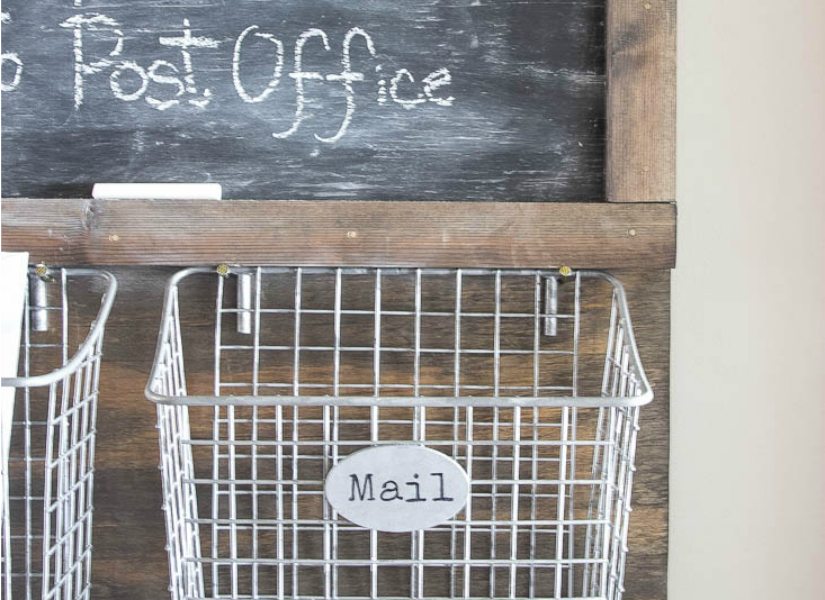
Some homes have a “drop zone.” Others have what can only be described as a tiny indoor landslide of keys, mail, backpacks, chargers, sunglasses, receipts, dog leashes, and that one mystery screw nobody is brave enough to throw away. The good news? You do not need a mansion, a custom carpenter, or a reality-show renovation budget to fix it. A smart DIY wall organization station can turn one blank wall into a command center, entryway organizer, office hub, craft storage zone, or family paperwork lifesaver.
The best part is that wall organization uses vertical spacealso known as the space your clutter has been rudely ignoring. With a few hooks, shelves, baskets, pegboards, clipboards, cork panels, magnetic strips, or repurposed materials, you can build a system that looks intentional instead of “I gave up and made a pile.” Whether you live in a small apartment, a busy family home, a dorm-style room, or a house where everyone asks “Where are my keys?” while standing directly next to the keys, these 24 DIY wall organization stations will help restore peace, order, and maybe even your countertops.
Why DIY Wall Organization Stations Work So Well
A wall organization station works because it gives everyday items a visible, reachable home. Instead of hiding everything in a drawerwhere receipts go to start their second life as confettiyou create dedicated places for the things you use most. Hooks hold bags and coats. Mail slots stop paper piles from spreading across the kitchen. A calendar keeps schedules visible. A pegboard adapts when your routine changes. Small baskets catch the loose stuff that normally wanders around like it pays rent.
Before building any organizer, think about three questions: what lands here every day, who uses the space, and what needs to be grabbed quickly? A family command center near the kitchen may need a calendar, school forms, meal plan, and charging station. An entryway station may need hooks, shoe storage, keys, and dog-walking gear. A home office wall may need shelves, files, supplies, and a whiteboard. Match the station to real habits, not imaginary perfect-person habits. Nobody needs a decorative clipboard labeled “Important Documents” if the real issue is seven reusable bags attacking the front door.
24 Awesome DIY Wall Organization Stations
1. The Classic Family Command Center
A family command center is the grandparent of wall organization stations, and it still deserves respect. Combine a dry-erase calendar, mail sorter, corkboard, hooks, and a small shelf into one central wall hub. Place it near the kitchen, mudroom, or main hallway. Use the calendar for school events, appointments, practices, and grocery reminders. Add labeled pockets for each family member so permission slips and bills stop hiding under cereal boxes.
2. Pegboard Entryway Station
Pegboards are wonderfully flexible because hooks, cups, baskets, shelves, and pegs can move around whenever your needs change. Install a painted pegboard near the front door and use it for keys, sunglasses, umbrellas, hats, and small bags. For extra style, frame the pegboard with simple trim. For extra honesty, add a basket labeled “Things I Swear I’m Returning Tomorrow.”
3. Mail-and-Key Wall Organizer
If paper clutter is your home’s natural disaster, create a slim wall station with a mail slot, key hooks, and a tiny shelf for wallets or earbuds. Use three sections: “Action,” “File,” and “Recycle.” The trick is to make the recycling bin close enough that junk mail does not get a dramatic farewell tour across the house.
4. DIY Mudroom Wall Without the Mudroom
No mudroom? No problem. Pick a wall near the door and install a row of sturdy hooks, a floating shelf above, and baskets below. Add name labels if multiple people use the space. This station works beautifully for coats, backpacks, sports gear, scarves, and hats. A narrow bench underneath makes it easier to put on shoes and gives bags a landing spot that is not the floor’s entire personality.
5. Kitchen Wall Organization Station
Kitchen counters are magnets for clutter, so use a wall station to keep daily tools visible and off the workspace. A rail system, pegboard, or shallow shelves can hold mugs, measuring spoons, recipe cards, spices, towels, and cooking utensils. Keep only frequently used items here. If you hang every kitchen tool you own, your wall may begin to resemble a restaurant supply store having an emotional moment.
6. Coffee Bar Wall Station
Turn a small kitchen wall into a cheerful coffee station with mug hooks, a shelf for beans or pods, a basket for filters, and a tiny sign if you enjoy announcing your caffeine loyalty to the world. A mounted paper towel holder or napkin basket can help, too. Keep it compact and practical so your morning routine feels smooth instead of like a scavenger hunt before your brain has clocked in.
7. Homework Wall Station
A homework station is perfect for kids, teens, or anyone taking classes from a desk that keeps disappearing under supplies. Mount file pockets for worksheets, cups for pencils, a small whiteboard for deadlines, and a cork strip for reminders. Add a shelf for notebooks or reference books. The goal is simple: everything needed for schoolwork lives in one zone, so “I couldn’t find a pencil” loses its power as a dramatic plot twist.
8. Home Office Wall Organizer
For a home office, combine floating shelves, wall files, a magnetic board, and cord control. Use one shelf for active projects, one for supplies, and one for decor so the station does not feel purely industrial. A small wall-mounted inbox can keep bills, forms, and notes from taking over your desk. Bonus points if you label it clearly enough that future-you cannot pretend confusion.
9. Craft Room Pegboard Station
Crafters know that small supplies multiply like glittery rabbits. A pegboard station can hold scissors, ribbon, thread, paintbrushes, markers, washi tape, beads, and tools. Clear cups or jars help you see what you own, which is useful before buying your 14th pair of scissors. Arrange supplies by category and keep the most-used items at eye level.
10. Garage Tool Wall Station
A garage wall organizer can save time, frustration, and the ancient ritual of asking, “Where did I put the screwdriver?” Use pegboard, slatwall, or heavy-duty hooks to organize hand tools, extension cords, gardening tools, and small hardware bins. Outline tools on the board if you want a visual reminder of what belongs where. It is slightly intense, but in a satisfying “organized person with a drill” way.
11. Bathroom Wall Organization Station
Bathrooms often have limited counter space, so go vertical with shelves, hooks, small baskets, and a wall-mounted cabinet. Use the station for towels, skincare, hair tools, cotton swabs, and daily toiletries. Choose moisture-resistant materials and avoid crowding the wall. The best bathroom station feels calm and clean, not like the beauty aisle exploded politely.
12. Laundry Room Wall Station
A laundry wall station can include a shelf for detergent, hooks for hangers, a rod for air-drying clothes, and labeled bins for lost socks, stain removers, and dryer sheets. Add a small sign for laundry symbols if you enjoy pretending you will read clothing tags before shrinking things. This setup makes even a tiny laundry closet more efficient.
13. Kids’ Backpack and School Gear Station
Install low hooks so children can hang their own backpacks and jackets. Add a small basket or wall pocket for lunch boxes, library books, and school papers. Keeping everything at kid height encourages independence and reduces the morning chorus of “Where is my backpack?” Use bright labels or pictures for younger kids who are still learning to read.
14. Pet Care Wall Station
A pet station near the door can hold leashes, waste bags, grooming brushes, treats, and towels for muddy paws. Use hooks for walking gear and small lidded containers for treats. If you have more than one pet, label sections by name. Your dog may not appreciate the typography, but your household routine will.
15. Sports Gear Wall Station
Sports equipment loves to roll, flop, and vanish. A DIY wall station with hooks, mesh baskets, and shelves can organize helmets, gloves, balls, rackets, yoga mats, and water bottles. Put grab-and-go items close to the door. Use breathable bins for sweaty gear, because organization should never come with a mysterious locker-room fog.
16. Small Apartment Drop Zone
In a small apartment, every inch matters. Use a narrow wall-mounted shelf, two or three hooks, and a compact mail holder. Choose pieces in the same color as the wall if you want the station to visually disappear, or paint the station a bold accent color if you want it to become a design feature. A tiny drop zone is better than a giant pile with ambition.
17. Bedroom Accessories Wall Station
Bedrooms need organization too, especially for jewelry, hats, scarves, bags, and tomorrow’s outfit. Use hooks, a shallow shelf, small rods, or a decorative grid panel. This station can function like a mini boutique wall, minus the boutique prices and the salesperson asking if you need help while you are clearly just touching fabrics.
18. Command Center With Charging Shelf
Phones, tablets, earbuds, and smart watches need a charging home. Build a wall station with a small shelf, cable clips, and a power strip hidden nearby. Label charging spots by device or person to avoid the classic household mystery: “Who stole my charger?” Keep cords short and controlled so the station does not look like an electronic spaghetti incident.
19. Menu Planning and Grocery Station
A kitchen wall can become a meal-planning zone with a weekly menu board, grocery list pad, coupon pocket, and recipe clip. This station helps reduce last-minute dinner panic, also known as opening the fridge and staring into it like it may reveal wisdom. Keep a pen attached with string or a magnetic holder because pens are famously dramatic escape artists.
20. Cleaning Supply Wall Station
Use wall hooks, a mounted broom holder, and small shelves to organize cleaning tools in a closet, laundry area, or garage. Hang brooms, dustpans, reusable cloths, spray bottles, and gloves. Keep chemicals safely out of reach of young children and pets. This station makes cleaning faster because supplies are visible and ready, though sadly it does not make the mop use itself.
21. Sewing Wall Station
A sewing wall organizer can hold thread, scissors, measuring tape, fabric clips, patterns, and small tools. Use a pegboard, thread rack, magnetic strip, and labeled bins. Keep sharp items secured and out of reach of younger children. A tidy sewing station makes projects easier and prevents the classic “I bought more thread because I couldn’t find the thread I already owned” situation.
22. Garden Gear Wall Station
For gardeners, a wall station in the garage, shed, or porch can organize gloves, trowels, seed packets, twine, pruners, and plant labels. Use hooks for tools and small drawers for seeds. Add a clipboard for garden notes, planting dates, or reminders. It is basically a command center for people who talk to tomatoes, and honestly, the tomatoes probably appreciate it.
23. Travel Prep Wall Station
If your family travels often or simply runs errands like a tiny logistics company, create a wall station for sunglasses, reusable bags, travel documents, chargers, hand sanitizer, and grab-and-go pouches. Add hooks for tote bags and a pocket for passports or tickets when preparing for a trip. Keep sensitive documents secure and do not leave valuables visible near an entry door.
24. Minimalist “One Shelf, One Hook Row” Station
Not every wall organizer needs to be a full production. Sometimes the best station is a simple floating shelf above a clean row of hooks. This works in entryways, bedrooms, bathrooms, and small kitchens. Add one basket for loose items and stop there. Minimalist organization succeeds when every item has a purposeand when you resist adding seven decorative objects that immediately need dusting.
How to Plan Your DIY Wall Organization Station
Choose the Right Wall
The best wall is near the action. For mail and keys, choose the entryway or kitchen. For schoolwork, choose a desk area. For tools, choose the garage or workshop. For cleaning gear, use a closet or laundry wall. If the station is too far from where clutter naturally lands, people will ignore it with Olympic-level consistency.
Measure Before You Buy
Measure width, height, door swing, outlet placement, light switches, and nearby furniture. Leave enough clearance for coats, bags, baskets, and people walking by. A beautiful organizer that blocks a door is not organization; it is a decorative obstacle course.
Use the Right Hardware
For light items, small wall anchors may be enough. For heavier stations, shelves, coat hooks, or pegboards holding tools, attach supports to wall studs whenever possible. Pegboards usually need space behind the board so hooks can fit properly, which is why furring strips are commonly used. Always match anchors and screws to the wall type and the weight of what you plan to hang.
Think in Zones
Divide your station into simple zones: incoming, outgoing, daily use, storage, and display. For example, a family command center might include incoming mail, outgoing forms, keys, calendar, and school notices. A garage station might include hand tools, power tool accessories, safety gear, and project supplies. Zones make the system easier to maintain because each item has an obvious home.
Make It Easy to Reset
The secret to long-term organization is not perfection; it is a quick reset. Use open baskets, visible labels, easy hooks, and reachable shelves. If putting something away requires opening three containers and solving a small puzzle, nobody will do it. Not even you. Especially not you after a long day.
Budget-Friendly Materials for Wall Organization Stations
You can build a great wall organization station with affordable materials. Pegboard is one of the most versatile options because it can be painted and reconfigured. Wood boards with hooks create a simple farmhouse-style rack. Floating shelves add storage without taking up floor space. Cork tiles make an easy bulletin board. Wire baskets create breathable storage for scarves, gloves, or sports gear. Magnetic strips work for metal tools and small containers. Reclaimed wood, thrifted frames, old crates, and leftover paint can make the project feel custom without making your wallet file a complaint.
For a polished look, repeat finishes. Use the same metal tone for hooks and baskets, or paint mismatched pieces the same color. Keep labels consistent. Choose baskets that fit the shelf depth. Hide cords where possible. These small design decisions make a DIY station look intentional rather than assembled during a caffeine-fueled midnight cleaning spree.
Common Mistakes to Avoid
The first mistake is trying to store too much on one wall. A wall organization station should support your routine, not display every object you have ever owned. The second mistake is hanging items too high or too low for the people who use them. Kids need low hooks. Adults need shelves that do not require a step stool and a motivational speech. The third mistake is ignoring weight. Heavy bags, tools, cookware, and coats need strong mounting. The fourth mistake is forgetting labels. Labels may seem fussy, but they help everyone understand the system without asking you where everything goes 46 times.
Finally, do not build a station for a fantasy lifestyle. If your household dumps mail on the counter, build a mail solution near the counter. If shoes pile up by the door, add shoe storage by the door. If backpacks land in the hallway, put hooks in the hallway. Organization works best when it follows existing habits and gently improves them, instead of pretending your family will suddenly behave like a catalog photo.
Styling Tips That Make Wall Storage Look Beautiful
Function matters most, but style helps the station feel like part of the home. Start with a simple color palette. Use wood tones for warmth, black or brass hooks for contrast, white bins for a clean look, or woven baskets for texture. Add one decorative element, such as a small framed print, plant, or family photo. One is charming. Twelve is a gallery wall that forgot it had a job.
Balance open and closed storage. Open hooks are great for daily items, while baskets and boxes hide visual clutter. Use matching labels for a clean finish. If your station is in a main living area, choose containers that look good even when they are doing hard work. A wall organizer should make life easier and still look nice enough that you do not apologize for it when guests come over.
Maintenance: How to Keep the Station Organized
A DIY wall organization station is not a magical portal where clutter disappears forever. It needs a tiny routine. Spend two minutes each evening putting items back in their zones. Clear mail once or twice a week. Rotate seasonal items monthly. Remove broken, expired, or unused things before they become permanent residents. If a basket is always overflowing, that is not a moral failure; it is feedback. Add a bigger basket, reduce the category, or move some items elsewhere.
The best systems evolve. Your wall station may start as a backpack zone, become a sports gear hub, then later turn into a home office organizer. That is the beauty of DIY: you can adjust it as life changes. The wall is not judging you. It is just happy to be useful.
Extra Experience-Based Tips for Building DIY Wall Organization Stations
After working through many wall organization ideas, one lesson becomes clear: the most successful stations are not always the fanciest. They are the ones placed exactly where clutter already happens. A gorgeous command center in a quiet hallway may look beautiful, but if everyone drops keys on the kitchen counter, the kitchen counter is telling you the truth. Listen to the mess. It is annoying, but it is honest.
Another practical experience is to start smaller than you think. Many people begin with a huge wall plan: calendar, files, shelves, hooks, bins, charging dock, chalkboard, family motto, tiny plant, inspirational quote, and maybe a trumpet section. Then the project becomes overwhelming and never gets finished. A better approach is to install the basics first: hooks, one shelf, one mail holder, and one basket. Use it for two weeks. Notice what works and what still piles up. Then add the missing pieces.
Labeling is also more powerful than it looks. A basket labeled “Hats” works better than a mystery basket that becomes home to gloves, snacks, toy cars, receipts, and emotional baggage. Labels make the system easier for everyone, especially in shared homes. They also reduce the number of questions one person has to answer. If you are the unofficial manager of household objects, labels are basically unpaid assistants.
Height matters more than style. A hook that is too high will not be used by a child. A shelf that is too deep in a narrow hallway will be bumped forever. A mail pocket that is too small will overflow by Wednesday. Always test with real objects before final mounting. Hold up a backpack. Place a few envelopes in the sorter. Check whether a coat blocks the light switch. This is the boring part of DIY, which means it is the part that saves you from redoing everything later.
One of the best tricks is to build in an “outgoing” zone. This can be a basket, hook, or shelf for library books, returns, packages, forms, and items that need to leave the house. Without an outgoing zone, those items tend to live in random spots and whisper, “Forget me,” until the deadline passes. A visible outgoing area makes errands easier and prevents last-minute chaos.
It is also wise to choose materials based on mess level. A garage tool wall needs durability. A bathroom station needs moisture-friendly finishes. A kids’ station needs rounded edges, sturdy hooks, and washable surfaces. A kitchen station should be easy to wipe clean. A craft station needs flexible storage because craft supplies have a suspicious ability to expand overnight.
Finally, give your DIY wall organization station permission to be imperfect. Real homes are busy. Hooks will sometimes be overloaded. The mail slot will occasionally look like it is digesting a newspaper. Someone will put sunglasses in the dog-leash basket because humanity remains mysterious. The goal is not flawless organization. The goal is a system that makes cleanup faster, mornings smoother, and your home feel less like it is being slowly conquered by loose objects.
Conclusion
DIY wall organization stations are one of the easiest ways to create order without adding bulky furniture or spending a fortune. They turn blank walls into hardworking spaces for keys, mail, bags, tools, school papers, craft supplies, cleaning gear, pet accessories, and everyday essentials. Whether you choose a pegboard, hook rail, floating shelf, command center, or simple basket-and-calendar setup, the best design is the one that fits your real routine.
Start with one problem area, choose a wall close to where clutter naturally lands, and build a station that makes daily life easier. Keep it simple, sturdy, and easy to reset. Add style through color, texture, and matching containers. Then enjoy the quiet satisfaction of knowing where your keys are. It may not solve every problem in life, but honestly, it is a pretty great start.













