
Gardening is basically a long-term relationship with dirtequal parts romance, mystery, and the occasional “why is
this plant mad at me?” moment. The good news: you don’t need a PhD in Photosynthesis to grow a thriving garden.
You just need a handful of smart, repeatable habits that stack the odds in your favor.
Below are 25 practical gardening tips that work for vegetables, flowers, shrubs, and even that one “easy” houseplant
that’s currently auditioning for a drama series. You’ll get soil and watering basics, planting and timing strategies,
pest prevention, and a bonus section of real-garden lessons at the endbecause experience is a great teacher, but it
charges tuition in the form of crispy basil.
Start With Soil: The “Pantry” Your Plants Eat From
1. Test your soil before you “fix” it
Soil isn’t just brown stuffit’s chemistry, biology, and texture all working together. A basic soil test tells you
pH and nutrient levels so you can add the right amendments instead of guessing (and accidentally creating a
five-star buffet for weeds). If your report says phosphorus is already high, for example, adding more “just because”
can cause problems and waste money.
2. Improve soil with compost, not miracles
Compost is the garden’s version of meal prep: it makes everything easier later. Mix finished compost into beds,
top-dress around plants, or use it to refresh containers. Good compost looks dark and crumbly and smells earthy
(not like a science project gone wrong).
3. Learn your soil texture (clay, sand, loam) and work with it
Clay holds water and nutrients but can drain slowly. Sandy soil drains fast and may need more organic matter.
Loam is the “Goldilocks” blend. Knowing your soil type helps you choose plants and watering routines that actually
make sense.
4. Don’t over-tillsoil structure matters
It’s tempting to pulverize soil into dust, but over-tilling can break down structure and reduce the good stuff
(like stable aggregates and beneficial organisms). Loosen when needed, add compost, and let biology do some of the
heavy lifting.
5. Mulch like you mean it
Mulch conserves moisture, moderates soil temperature, and helps suppress weeds. Organic mulches (shredded leaves,
straw, bark, compost) also improve soil over time. Keep mulch a couple inches away from stems so you don’t create a
soggy “collar” that invites rot.
Watering: The Fastest Way to Become a Gardening Legend (or a Cautionary Tale)
6. Water based on soil moisture, not the calendar
Here’s a shocker: plants don’t own watches. Check moisture by pushing a finger about 2 inches into the soil near
the plant. If it’s dry down there, water. If it’s still moist, wait. This one habit prevents a huge chunk of
overwatering and underwatering drama.
7. Water deeply, less often (most of the time)
Deep watering encourages deeper roots. Frequent shallow watering can keep roots near the surface, where they’re
more vulnerable to heat and drought. Aim to soak the root zone, then let the top layer dry slightly before the next
watering.
8. Water early in the day when possible
Morning watering reduces evaporation and lets foliage dry sooner, which can lower disease pressure. Evening watering
isn’t automatically “wrong,” but damp leaves overnight can invite fungal issues in some gardens.
9. Water the soil, not the leaves
When hand-watering, target the base of the plant and wet the soil around the root zone. Overhead watering can
encourage some plant diseases if leaves stay wet too long. If you must water overhead, do it early so foliage dries
quickly.
10. Containers dry out fastertreat them like a different ecosystem
Pots can go from “perfectly moist” to “crispy desert” quickly, especially in heat or wind. Check containers more
often than in-ground beds. On hot days, some containers may need water daily (or even twice daily, depending on size
and plant type).
Planting & Timing: Put the Right Plant in the Right Place (and at the Right Time)
11. Start small and expand later
A smaller garden that’s weeded and watered consistently will outproduce a giant garden that turns into a jungle by
June. Your future self will thank youwith tomatoes.
12. Match plants to light: “full sun” means 6+ hours
Many vegetables and flowering plants need full sun for strong growth and better blooms or yields. If you plant
sun-lovers in shade, they won’t “try harder.” They’ll just sulk politely and underperform.
13. Use frost dates and local timing as your planting compass
Cool-season crops (like lettuce, peas, spinach) can handle chillier weather. Warm-season crops (like tomatoes,
peppers, eggplant, melons) hate cold soil and frost risk. Timing is a bigger deal than many beginners realize.
14. Harden off seedlings before transplanting outdoors
Seedlings raised indoors are used to gentle light, stable temps, and zero windbasically a spa vacation. “Hardening
off” means gradually acclimating them to sun, wind, and temperature swings over about a week (or more, depending on
conditions). Skip this step and your plants may sunburn or stall.
15. Plant at the proper depth (it’s not always “deeper is better”)
Seeds generally plant about 2–3 times as deep as they are wide (unless a packet says otherwise). Transplants should
usually go at the same depth as the potexcept certain plants (like tomatoes), which can root along buried stems.
When in doubt, read the tag or packet like it holds the secrets of the universe (because it kind of does).
16. Give plants enough spaceairflow is a disease prevention tool
Crowded plants trap humidity, shade out neighbors, and make it easier for diseases to spread. Proper spacing improves
airflow, reduces competition, and often boosts yields more than extra fertilizer ever could.
17. Try succession planting for a longer harvest
Instead of planting everything at once, stagger plantings every 7–14 days for crops like lettuce, radishes, or beans,
or replant a bed after an early crop finishes. This spreads harvests out and keeps your garden productive for longer
(and prevents the “help, I have 40 zucchinis” situation).
18. Raised beds can be amazingfill them with a smart mix
Raised beds improve drainage and make soil management easier. A common recommendation is a compost-rich blend (often
around half compost and half soilless mix, or a compost/topsoil blend depending on bed height and location). Avoid
mystery soil with unknown contaminants, and use mature compost (not half-finished compost that steals nitrogen).
Feeding Plants Without Overfeeding Problems
19. Fertilize based on need, not vibes
Overfertilizing can cause fast, weak growth and can contribute to nutrient imbalances. Soil tests help you apply the
right nutrients at the right levels. If you’re unsure, start with compost and modest, targeted fertilizer rather
than dumping a “more is better” buffet.
20. Watch for nutrient clues (and confirm before correcting)
Yellowing leaves, poor flowering, or stunted growth can come from nutrientsbut also from watering issues, root
damage, pests, or temperature stress. Use symptoms as clues, not conclusions. If the soil is waterlogged, adding
fertilizer is like giving espresso to someone who needs a nap.
Maintenance That Pays Off All Season
21. Weed early and often (small weeds, small effort)
Tiny weeds pull easily and haven’t stolen resources yet. Once weeds get established, they compete for water and
nutrients and can host pests. A quick weekly “weed walk” is easier than an all-day battle later.
22. Deadhead flowers to encourage more blooms (when appropriate)
Deadheadingremoving spent bloomscan encourage many flowering plants to keep blooming instead of putting energy
into seed production. It also tidies up the garden instantly, which is basically free curb appeal.
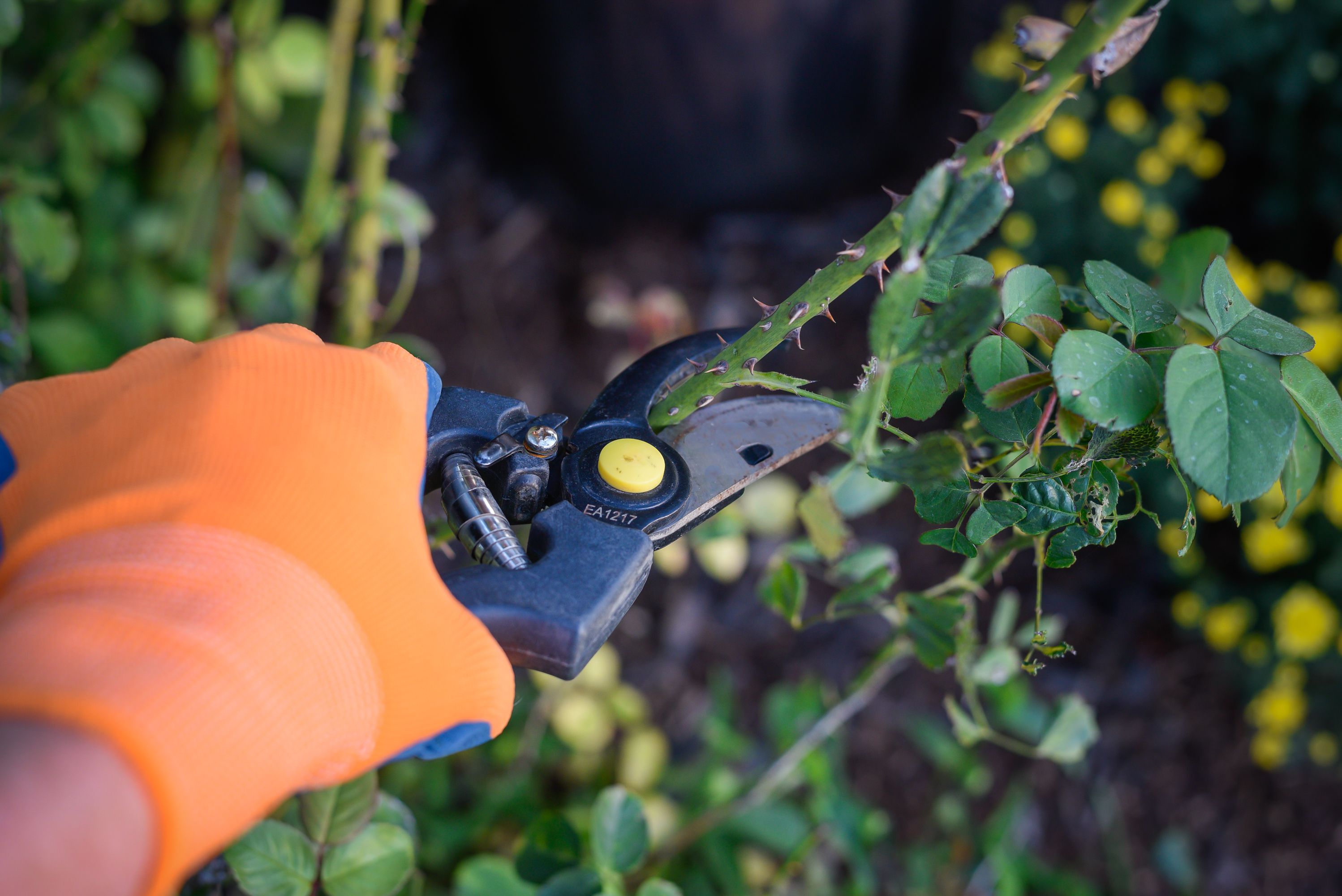
23. Prune at the right time, especially for spring bloomers
Some shrubs and trees set flower buds on old wood (last year’s growth). Pruning them at the wrong time can remove
next season’s blooms. A common guideline: prune many spring-flowering shrubs soon after they finish blooming, so you
don’t cut off next year’s buds.
Pests & Disease: Calm, Strategic, and (Mostly) Non-Dramatic
24. Use an IPM mindset: scout first, act second
Integrated Pest Management (IPM) starts with observation. Regularly check leaves (tops and undersides), stems, and
soil. Identify the pest or problem before you treat it, and notice beneficial insects tooyour garden has allies.
Physical controls (handpicking, barriers), cultural fixes (spacing, watering), and targeted treatments beat
“spray-and-pray” almost every time.
25. Protect plants with simple barriers and smart design
Fences and netting can keep out deer, rabbits, and birds. Row covers help against insect pests and cold snaps.
Trellises improve airflow and make harvesting easier. Good garden design prevents problems before they startlike
installing a seatbelt before you drive, not during the crash.
Conclusion: Grow Smarter, Not Harder
The best gardeners aren’t the ones with the fanciest gadgetsthey’re the ones who stack simple wins: soil testing,
compost, mulch, smart watering, good timing, and consistent observation. Start with a few tips that fit your garden
today, then build from there. Plants are forgiving… as long as you keep showing up.
Bonus: of Real-Garden Experience (What Gardeners Learn the “Fun” Way)
Gardening advice sounds straightforward until real life shows up wearing muddy boots. Here are the kinds of
lessons many gardeners learn over timeoften after a few preventable mishaps. Consider this the “field notes”
section: the wisdom that appears after you’ve stared at a struggling plant and whispered, “I have provided you
with everything.”
One of the most common early surprises is that “more care” can be worse than “consistent care.” New gardeners
tend to hover: daily watering, extra fertilizer, constant repositioning of pots like the plant is a living room
couch. But plants prefer patterns. When gardeners switch to checking soil moisture and watering only when needed,
roots strengthen and growth stabilizes. It feels less “active,” but the garden looks more alivelike it finally
got a routine and stopped doom-scrolling.
Labels also become a big deal the moment you grow more than one variety of anything. Gardeners often begin with
good intentions“I’ll totally remember what I planted”and then July arrives with a jungle of green leaves that
all look suspiciously similar. A cheap marker and a basic garden map (even a doodle) saves you from harvesting a
“mystery pepper” that might be sweet… or might be a tiny flamethrower.
Many gardeners discover that weeds are easiest when they’re barely visible. The longer you wait, the more you
negotiate with them like a landlord who missed rent“If I ignore you, will you go away?” (Spoiler: they won’t.)
A quick weekly passten minutes with a hoe or hand pull after rainprevents hours of cleanup. Weed control becomes
maintenance instead of warfare.
Another hard-earned lesson: pest problems are usually noticed late because gardeners look at plants from above.
But many pests (aphids, mites, caterpillars) hang out where it’s shadyunder leaves, in tight growth, near tender
new shoots. Gardeners who build a habit of flipping a few leaves during regular “garden walkabouts” catch issues
early, often with easy fixes like hand removal, a strong water spray, or a barrier. The garden starts feeling less
like a surprise quiz and more like an open-book test.
Timing is the stealth superpower. Gardeners who track first and last frosts, heat waves, and rainfall patterns
start making smarter choices automatically: planting cool crops earlier, protecting seedlings on cold nights, and
waiting to transplant warm-season crops until the soil is truly ready. Those small timing decisions often matter
more than buying the “perfect” fertilizer.
Finally, experienced gardeners usually develop one mindset shift: every season is data, not a verdict. A failed
crop doesn’t mean you’re bad at gardeningit means something about your timing, spacing, variety choice, sun
exposure, pests, or watering needs adjusting. Keep notes, stay curious, and treat your garden like a friendly
science experiment that occasionally rewards you with strawberries.
Last takeaway: Consistency beats intensity. The garden doesn’t need you to be perfectjust present.













