
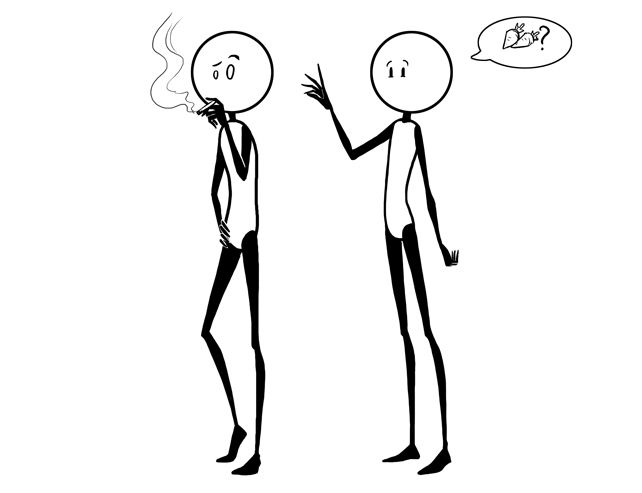
Trying to quit smoking is a little like deleting an app that keeps reinstalling itself in your brain. You wake up determined, confident, practically glowing with personal growthand then coffee happens. Suddenly your hand is looking for a cigarette like it has its own tiny GPS system.
If you are quitting smoking, cutting back, restarting after a slip, or cheering on someone who is trying to become smoke-free, you already know this is not just about “willpower.” Nicotine addiction is physical, emotional, social, behavioral, and weirdly tied to everyday moments like driving, talking on the phone, finishing dinner, taking a break, or surviving one mildly annoying email.
The good news? Millions of people quit smoking successfully, and support exists for a reason. Nicotine cravings, irritability, trouble sleeping, increased appetite, and mood swings are common withdrawal symptomsnot proof that you are failing. They are signs that your body and brain are adjusting to life without nicotine. That life can feel awkward at first, but it also comes with better breathing, improved circulation, lower health risks, more money, fewer smoky jackets, and the sweet freedom of not planning your entire day around “just one quick cigarette.”
So let’s laugh, nod, and maybe snack responsibly as we explore the 29 things only a person trying to quit smoking would truly understand.
Why Quitting Smoking Feels So Personal
Smoking is not just a habit; it becomes stitched into routines. A cigarette can become the punctuation mark after meals, the fake “pause button” during stress, the social ticket outside a building, or the reward after completing a task. When you quit, you are not only removing nicotine. You are rebuilding tiny rituals all day long.
That is why smoking cessation is both a health decision and a lifestyle renovation. You are remodeling your mornings, breaks, moods, cravings, and coping tools. No wonder it feels like your brain is holding a dramatic town hall meeting.
29 Things Only A Person Trying to Quit Smoking Would Understand
1. Coffee Suddenly Feels Like a Setup
For many smokers, coffee and cigarettes have been a legendary duo. When you quit, that morning cup can trigger a craving so specific it feels pre-programmed. You may need to change the routine: drink tea, switch locations, brush your teeth first, or take your coffee on a walk.
2. Your Hands Need a New Career
Smoking gives your hands something to do. Without it, they wander. You may find yourself clicking pens, folding napkins, peeling labels, or holding a straw like it contains ancient wisdom. Gum, stress balls, toothpicks, or a water bottle can help replace the hand-to-mouth habit.
3. Cravings Arrive Like Uninvited Salespeople
A craving can appear while you are working, driving, waiting, relaxing, celebrating, or doing absolutely nothing. The annoying part is that cravings feel urgent. The encouraging part is that they usually pass. Delay, breathe, drink water, move around, and distract yourself until the wave drops.
4. You Become Very Aware of Time
Day one feels like an achievement. Day three can feel like a boss battle. Week two feels suspiciously long. Quitting makes time feel elastic because your old nicotine schedule has vanished. Tracking smoke-free hours, days, and money saved can turn time into motivation instead of torture.
5. Your Mood Has Weather Patterns
One minute you are proud. The next minute you are irritated because someone breathed too loudly near a microwave. Irritability is a common nicotine withdrawal symptom. It does not make you a bad person; it means your nervous system is recalibrating. Apologize when needed, warn loved ones kindly, and keep snacks nearby for peace negotiations.
6. The Sense of Smell Returns With Opinions
As your body recovers, smells can become sharper. Food may smell better. Clothes may smell worse. Your car may reveal secrets. This can be embarrassing, but it is also motivating. Fresh air starts to feel less like a concept and more like a luxury product.
7. Food Becomes More Interesting
Some people notice stronger taste after quitting smoking. Unfortunately, your brain may interpret this as “we should now investigate every cookie in the region.” Increased appetite is common, so plan filling foods, crunchy snacks, water, and meals that do not rely on cigarettes as dessert.
8. Stress Tries to Negotiate
Stress is one of the biggest smoking triggers. The brain says, “A cigarette will solve this.” But cigarettes do not fix the bill, email, argument, deadline, or traffic. They only restart the nicotine cycle. Better stress tools include walking, breathing exercises, short workouts, journaling, calling a friend, or stepping outside without lighting up.
9. You Learn Your Triggers Are Sneaky
Triggers are not always obvious. Yes, bars and smoke breaks matter. But so do boredom, finishing a meal, seeing a lighter, smelling smoke, driving a familiar route, or sitting in the same chair where you used to smoke. Quitting becomes easier when you identify the trigger before it ambushes you.
10. You May Temporarily Avoid Certain People or Places
This is not rude; it is strategy. If a certain porch, friend group, or parking lot always includes cigarettes, you may need a temporary detour. Protecting your quit attempt is not weakness. It is smart environmental design.
11. “Just One” Sounds Harmless and Suspicious
People trying to quit know the dangerous poetry of “just one.” One cigarette can reactivate old patterns and make the next craving stronger. A slip does not mean failure, but pretending one cigarette is harmless can be risky. The safest cigarette is the one you do not smoke.
12. You Start Doing Math With Money
Quitting smoking can turn you into a financial analyst. You calculate daily savings, weekly savings, monthly savings, and suddenly that old cigarette budget looks like a vacation fund, a grocery upgrade, or a suspiciously fancy coffee machine.
13. Breathing Becomes a Motivational Speech
As the body begins to recover, some people notice easier breathing, less coughing, or better stamina over time. The first time stairs feel less like a personal attack, it is a quiet victory. Your lungs may not send thank-you cards, but they are definitely involved.
14. Sleep Can Get Weird
Nicotine affects the body, and quitting can temporarily disturb sleep. Some people feel restless, dream vividly, wake up often, or feel tired during the day. A consistent bedtime, less caffeine, evening walks, and avoiding screens late at night can help your sleep routine settle.
15. You Discover the Power of Tiny Distractions
A craving does not always need a grand solution. Sometimes it needs five minutes. Wash dishes, take out trash, stretch, text someone, play a quick game, chew gum, refill water, or walk around the block. Small distractions can interrupt the craving loop.
16. You Become Protective of Your Quit Date
Your quit date becomes a personal holiday, even if nobody else understands it. It marks the day you chose yourself over a habit that kept asking for more. Whether it is day one or day 100, that date matters.
17. Support Helps More Than Pride Admits
Trying to quit alone can work for some people, but support improves the journey. Quitlines, counseling, apps, text programs, healthcare providers, friends, and support groups can all help. There is no trophy for suffering silently while angrily chewing a pencil.
18. Medication Is Not “Cheating”
Nicotine replacement therapy, such as patches, gum, and lozenges, can reduce withdrawal symptoms. Prescription options may also help some people. Using evidence-based quit-smoking medication is not cheating; it is using tools. Nobody calls a ladder cheating because climbing is hard.
19. Your Brain Romanticizes Smoking Like a Bad Ex
During cravings, the brain may replay only the “good” parts: the break, the calm, the ritual. It conveniently edits out the cough, smell, cost, shame, dependence, and health risks. Keep a list of reasons you quit so reality can interrupt the highlight reel.
20. You Notice How Many Scenes Include Smoking
Movies, shows, sidewalks, old photos, songssuddenly cigarettes appear everywhere. Once you are quitting, smoking imagery becomes oddly loud. Treat it like background noise, not instruction.
21. You Learn to Celebrate Small Wins
No cigarette after coffee? Win. No cigarette after an argument? Huge win. No cigarette after seeing someone smoke? Standing ovation. Quitting is built from small victories stacked until they become a new identity.
22. You May Grieve the Habit
This surprises people. Even when you want to quit, you may miss smoking. It was a companion during boredom, stress, celebration, loneliness, or routine. Grieving the habit does not mean you want it back. It means you are letting go of something that occupied space in your life.
23. Your Inner Negotiator Gets Very Creative
“I’ll only smoke on weekends.” “I’ll only smoke socially.” “I’ll quit after this stressful week.” “I’ll buy one pack and throw away the rest.” The quitting brain can become a lawyer with questionable ethics. Prepare answers in advance, such as: “Not today,” “This craving will pass,” or “I do not smoke anymore.”
24. Exercise Starts to Make More Sense
Movement can reduce stress, distract from cravings, and help your body recover. You do not need to become a marathon runner. A brisk walk, stretching, dancing badly in the kitchen, or taking stairs can help reset your mood.
25. You Realize Boredom Was a Big Trigger
Many people smoke not because something is happening, but because nothing is happening. Quitting reveals empty moments. Fill them intentionally with music, podcasts, puzzles, cooking, cleaning, walking, reading, or calling someone who will not say, “Just have one.”
26. You Need a Plan for Slips
A slip is not the same as failure. The danger is turning one cigarette into a full return. If you smoke, pause and ask what happened. Was it stress, alcohol, anger, hunger, habit, or being around smokers? Learn from it and restart immediately.
27. Your Confidence Grows Quietly
At first, quitting may feel like constant resistance. Later, you notice longer gaps between cravings. You handle a trigger without smoking. You stop checking for cigarettes before leaving home. Confidence arrives quietly, then starts rearranging the furniture.
28. Identity Changes Before Everyone Notices
There is a strange gap between “I am trying to quit” and “I am a nonsmoker.” You may not believe the new identity at first. Keep practicing it. Every smoke-free choice is a vote for the person you are becoming.
29. Freedom Feels Better Than the Cigarette Ever Did
The best part is not just improved health, better breath, more money, or fewer cravings. It is freedom. Freedom from planning, hiding, smelling, worrying, bargaining, and needing nicotine to feel normal. That freedom is worth protecting.
What Actually Helps When You Are Trying to Quit Smoking?
Build a Quit Plan Before Motivation Disappears
Motivation is wonderful, but it is not always available at 9:47 p.m. during a craving. A quit plan gives you structure when motivation takes a snack break. Choose a quit date, remove cigarettes and lighters, identify triggers, prepare substitutes, and tell supportive people what you are doing.
Use the 4D Method for Cravings
When a craving hits, try the 4D method: delay, deep breathe, drink water, and do something else. This simple approach works because it buys time. Cravings feel permanent when they start, but they usually fade if you do not feed them.
Talk to a Healthcare Professional
A doctor, pharmacist, counselor, or tobacco treatment specialist can help you choose safe, effective options. This is especially important if you have medical conditions, take medications, are pregnant, or have struggled with depression, anxiety, or severe withdrawal symptoms.
Combine Behavioral Support With Quit-Smoking Tools
Many people do better when they combine practical support with medication or nicotine replacement therapy. The physical addiction and the behavioral habit are connected but not identical. Treating both gives you more ways to win.
Extra Experiences: What Quitting Smoking Really Feels Like Day to Day
There is a very specific experience that happens when you quit smoking: your normal day suddenly has missing furniture. The morning routine has an empty spot. The drive to work has an empty spot. The break after lunch has an empty spot. The problem is not only that you want nicotine. It is that your schedule used to have little smoke-shaped bookmarks, and now you have to learn where the chapters begin and end without them.
One of the most relatable parts of quitting smoking is the strange emotional confidence swing. In the morning, you may feel unstoppable. You imagine yourself jogging in clean air, saving money, drinking green smoothies, and becoming the kind of person who owns matching food storage containers. By late afternoon, you may be negotiating with a craving outside a gas station like it is a tiny villain in a hoodie. This does not mean you are weak. It means addiction is loud when it is losing.
Another common experience is discovering how many emotions were being handled with cigarettes. Anger? Smoke. Anxiety? Smoke. Celebration? Smoke. Boredom? Smoke. Awkward silence? Smoke. After quitting, those emotions still show up, but now they bring no instruction manual. That is why building replacement rituals matters. Take a walk after meals. Hold a hot drink when stressed. Step outside for fresh air without smoking. Call someone after bad news. Celebrate with dessert, music, or a small reward that does not come with a warning label.
Social situations can be tricky too. If you used to smoke with friends, quitting may feel like leaving a tiny club. You might miss the conversations outside, the excuse to step away, or the feeling of belonging. It helps to prepare a simple line: “I’m not smoking today,” or “I quit, but I’ll hang out inside.” You do not owe anyone a dramatic speech. Your health decision does not need a press conference.
Then there is the snack era. Many people trying to quit smoking suddenly become deeply interested in crunchy things. Carrots, pretzels, sunflower seeds, gum, mints, popcorn, applesanything that gives the mouth a job may become important. This is normal, but it helps to plan snacks instead of letting cravings drive you to a convenience-store dinner made entirely of chips and regret.
The most encouraging experience is realizing that cravings change. In the beginning, they may feel frequent and bossy. Later, they become shorter, weaker, and easier to recognize. You start saying, “Oh, this is a trigger,” instead of “I need a cigarette.” That shift is powerful. It means you are no longer obeying the craving automatically. You are observing it, managing it, and letting it pass.
Quitting smoking is rarely graceful. It may involve gum wrappers, mood swings, extra walks, awkward pauses, and a suspicious relationship with toothpicks. But every smoke-free day teaches your brain a new truth: you can live through discomfort without lighting up. And that lesson is bigger than cigarettes. It is proof that change can be messy, funny, frustrating, and still absolutely worth it.
Conclusion
Anyone trying to quit smoking understands the tiny battles that outsiders may miss: the coffee trigger, the restless hands, the sudden appetite, the emotional weather, and the suspicious voice that whispers “just one.” But quitting is not about being perfect. It is about building a new pattern, one craving at a time.
Nicotine withdrawal can be uncomfortable, but it is temporary. The benefits of quitting smoking continue to grow, from better breathing and improved circulation to lower risks of serious disease. With a quit plan, support, healthier coping tools, and the right treatment options when needed, becoming smoke-free is possibleeven if the journey includes a few dramatic conversations with a pack of gum.
If you are quitting, keep going. If you slipped, restart. If today feels hard, focus on the next five minutes. A smoke-free life is not built in one heroic moment. It is built in ordinary moments when you choose freedom again.










