
Some people seem to walk into a room and instantly turn up the lighting. They smile easily, listen warmly, and somehow make even a Monday morning feel less like a punishment invented by calendar villains. But being bright and sunny is not about pretending life is perfect, forcing a smile when you feel exhausted, or becoming the human version of a motivational coffee mug. It is about building habits that help you bring more energy, optimism, kindness, and emotional steadiness into your everyday life.
The good news? A cheerful personality is not reserved for naturally bubbly extroverts or people who wake up singing to woodland animals. Anyone can become brighter in the way they think, speak, move, and connect with others. Research on positive thinking, gratitude, exercise, sleep, social connection, and stress management all points to a practical truth: mood is influenced by behavior. When you take care of your body, train your thoughts, and treat people with warmth, your inner weather becomes a little sunnier.
This guide explores three realistic ways to be bright and sunny without becoming fake, annoying, or emotionally exhausted. Think of it as a personal sunshine plan: simple, grounded, and surprisingly powerful.
What Does It Mean to Be Bright and Sunny?
To be bright and sunny means carrying a positive, approachable, and hopeful energy into daily life. It does not mean ignoring problems, denying sadness, or pretending every inconvenience is “a blessing in disguise.” Sometimes a flat tire is just a flat tire, and it deserves a sigh, not a TED Talk.
A bright and sunny person usually has three qualities. First, they tend to look for solutions instead of getting stuck in complaints. Second, they make others feel comfortable through kindness, humor, and encouragement. Third, they protect their own energy with healthy routines, boundaries, and perspective. In other words, they are not just cheerful on the outside; they are intentionally caring for the inside.
Being sunny is not a personality costume. It is a lifestyle skill. Like learning to cook, organize your closet, or stop losing your keys in the same mysterious dimension, it improves with practice.
1. Train Your Mind to Notice the Light
Your thoughts are like the playlist in the background of your day. If the playlist is full of self-criticism, worry, and “everything is terrible” remixes, your mood will probably follow the beat. One of the most important ways to be bright and sunny is to train your mind to notice what is good, useful, hopeful, or funny without denying what is difficult.
Practice realistic positive thinking
Positive thinking is often misunderstood. It is not telling yourself, “Everything is amazing,” while your inbox is on fire and your laundry pile has developed its own government. Real positive thinking sounds more like, “This is stressful, but I can handle one step at a time.” It accepts reality while choosing a constructive response.
Start by paying attention to negative self-talk. Common patterns include exaggerating problems, blaming yourself for everything, expecting the worst, or filtering out anything good. For example, if you make one mistake at work or school, your brain may say, “I’m terrible at this.” A brighter response would be, “I made a mistake, but I can learn from it and improve.” That small shift matters because your inner voice becomes the tone you carry into the world.
Try this simple habit: once a day, catch one negative thought and rewrite it in a fairer way. Do not make it unrealistically cheerful. Make it balanced. “I failed” becomes “I’m still learning.” “Nobody cares” becomes “I need to reach out instead of assuming.” “Today is ruined” becomes “Today is hard, but one good moment can still happen.”
Use gratitude as a daily brightness switch
Gratitude is one of the most practical tools for becoming sunnier. It helps your mind stop scanning only for threats and start noticing support, beauty, progress, and small comforts. You do not need a fancy journal, a candlelit ritual, or a pen that looks like it belongs to a Victorian poet. A notes app works. A sticky note works. Even saying it out loud while brushing your teeth works.
Each evening, write down three specific things you appreciated that day. The key word is specific. Instead of “family,” write “Mom saved me the last slice of cake.” Instead of “weather,” write “the afternoon sunlight made my room feel calm.” Instead of “food,” write “that sandwich had no business being that good, but it was.” Specific gratitude trains your brain to notice life in high definition.
You can also use social gratitude. Send a short message to someone who helped you, encouraged you, taught you something, or simply made your day better. A bright person does not keep appreciation locked in a drawer. They share it, and that shared warmth often comes back like emotional boomerang magic.
Choose humor without using it as armor
Humor is sunshine with sneakers on. It helps reduce tension, makes social moments easier, and reminds you not to take every inconvenience personally. Laughing at a small mistake can keep it from becoming a dramatic three-act tragedy starring you, your coffee spill, and a very judgmental carpet.
However, healthy humor is different from hiding behind jokes. Being bright and sunny does not mean laughing off real pain or turning every serious moment into stand-up comedy. Use humor to create relief, not avoidance. A sunny person can say, “This is hard,” and still find one tiny absurd detail to smile about.
Practical ways to add more humor include watching clean comedy, sharing funny stories with friends, keeping a list of ridiculous things your pet does, or learning to gently laugh at everyday imperfections. The goal is not to become the funniest person in the room. The goal is to make life feel a little lighter.
2. Build a Lifestyle That Gives You Real Energy
It is difficult to be bright and sunny when your body feels like a phone stuck at 3% battery. A cheerful attitude becomes much easier when you support your mood with movement, sleep, nourishing food, hydration, and time outdoors. This is not about becoming a wellness influencer who owns twelve matching water bottles. It is about giving your brain and body what they need to function well.
Move your body to move your mood
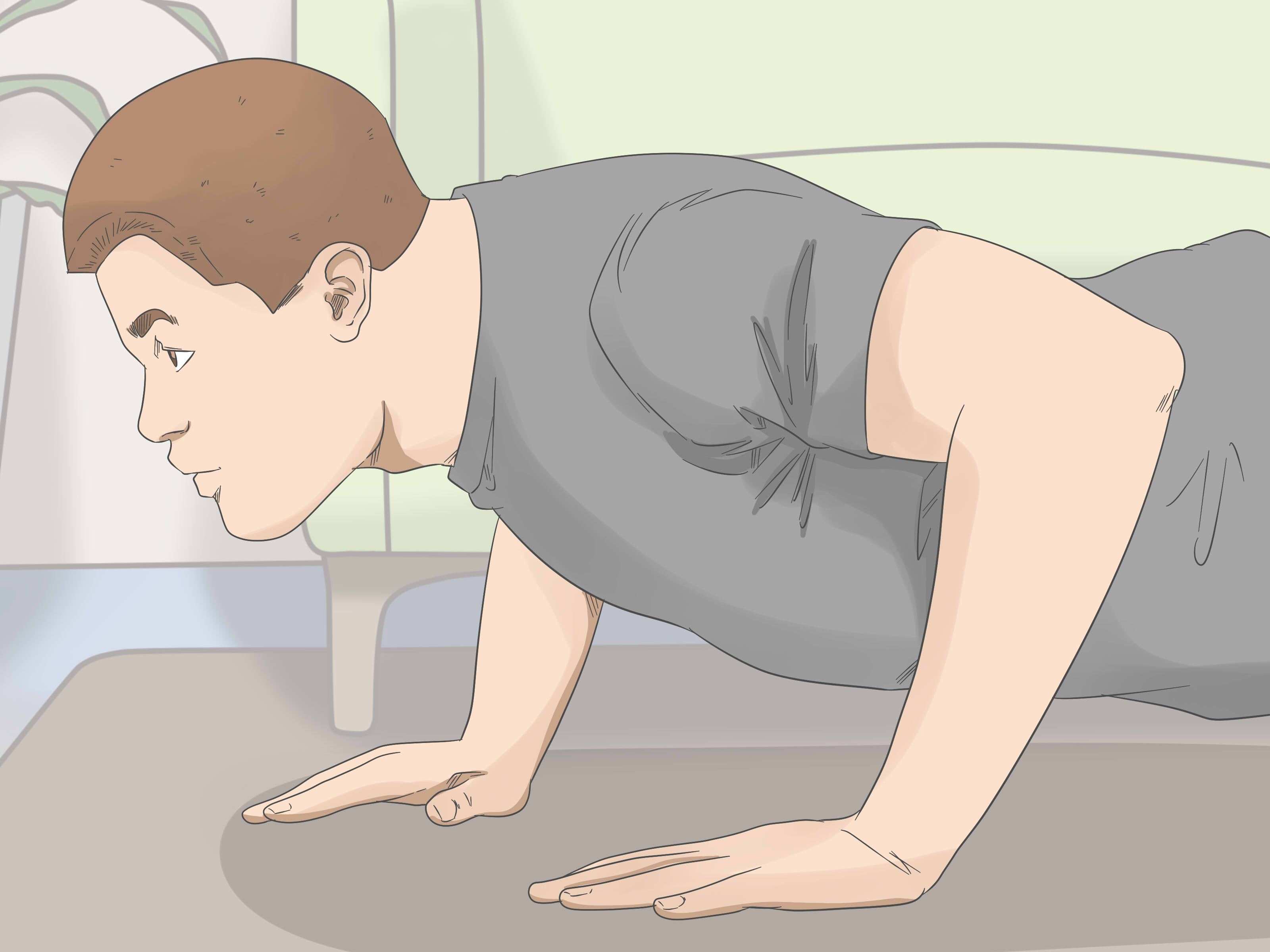
Exercise is one of the simplest ways to brighten your mental state. Walking, stretching, dancing, cycling, swimming, playing a sport, or doing a quick home workout can help release stress and improve energy. You do not need to train like an Olympic athlete. In fact, if your current routine is “walk to the fridge and back,” a ten-minute walk is already a heroic plot twist.
A practical goal is to add movement you can actually repeat. Take a walk after lunch. Stretch for five minutes in the morning. Put on music and clean your room with dramatic flair. Use stairs when possible. The best exercise for a sunny mood is not the most impressive one; it is the one you will do consistently without needing a motivational thunderstorm.
Movement also gives your day momentum. When you move, you often feel more capable. That sense of capability affects how you speak, think, and interact. A person with a little more energy tends to smile more easily, handle frustration better, and show up with more patience.
Prioritize sleep like your personality depends on it
Because honestly, it kind of does. Sleep affects mood, focus, patience, decision-making, and emotional control. When you are tired, even tiny problems can feel huge. A missing sock becomes a personal betrayal. A slow-loading webpage becomes a test of character. A cheerful personality is much harder to access when your brain is running on fumes.
To sleep better, build a wind-down routine. Keep a consistent bedtime when possible, reduce screen use before bed, dim bright lights, and avoid turning your bed into a second office, movie theater, snack zone, and emotional headquarters. Your brain loves cues. If you teach it that nighttime means calm, it becomes easier to rest.
If sleep is difficult, start small. Choose one change: a regular wake-up time, less caffeine later in the day, a cooler bedroom, or ten minutes of quiet reading before bed. Better sleep will not turn you into a sunbeam overnight, but it can make you less likely to hiss at morning like a dramatic vampire.
Get outside and let nature do its quiet work
Spending time outdoors can help you feel more grounded and refreshed. Sunlight, fresh air, green spaces, and even a short walk around the block can shift your mood. Nature gives your attention somewhere gentle to land. Trees do not ask you to respond to emails. Clouds do not care whether your outfit matches. Birds may judge you, but at least they do it musically.
Try a “sunny reset” once a day. Step outside for five to fifteen minutes. Notice three things: something you see, something you hear, and something you feel. Maybe it is warm light on your face, leaves moving, or the smell of rain on pavement. This tiny practice brings you back to the present moment, where brightness is easier to find.
If you spend most of your day indoors, place small reminders of nature around you. Open curtains in the morning, keep a plant nearby, use natural light when possible, or take calls while walking outside. Brightness grows when your environment gives you room to breathe.
3. Shine Warmth Toward Other People
A bright and sunny personality is not only about how you feel. It is also about how people feel around you. Warmth, kindness, listening, and encouragement can make you memorable in the best way. You do not need to be loud or overly social. Quiet people can be sunny too. Sometimes the warmest person in the room is the one who listens carefully and makes others feel seen.
Smile with sincerity, not pressure
A smile is one of the simplest signals of friendliness. It says, “You are safe here,” “I am open,” or “Yes, I also survived that awkward meeting.” But the best smiles are sincere. You do not have to grin constantly like a customer service poster from 1998. Instead, let your face soften when greeting people. Make eye contact. Show that you are present.
If smiling does not come naturally, practice pairing it with real appreciation. Smile when you say thank you. Smile when someone shares good news. Smile when you greet someone you like. Over time, your expressions become more connected to genuine warmth, not performance.
Become an encourager
Encouragement is emotional sunlight. People remember those who make them feel capable. A bright person notices effort, progress, courage, creativity, and kindness in others. They say things like, “You handled that well,” “I can tell you worked hard,” “That idea is smart,” or “You’ve improved a lot.”
Encouragement does not have to be dramatic. In fact, small honest comments often mean more than grand speeches. Compliment the classmate who explained something clearly. Thank the coworker who stayed patient. Tell your friend you admire their persistence. These moments build connection and help you become known as someone who adds light instead of draining it.
One important rule: keep compliments genuine and specific. “You’re amazing” is nice, but “You made that confusing topic easy to understand” feels more personal. Specific kindness lands better because it proves you were paying attention.
Listen like sunshine has ears
Sunny people are not sunny because they talk nonstop. They are sunny because others feel better after interacting with them. One of the fastest ways to create that feeling is to listen well. Put down your phone. Let people finish their sentences. Ask follow-up questions. Avoid instantly turning the conversation back to yourself.
Good listening sounds like, “That makes sense,” “What happened next?” “How did you feel about it?” or “Do you want advice, or do you just want me to listen?” That last question is a friendship superpower. Sometimes people do not need a solution. They need a witness.
When you listen with patience, you become a calm presence. That calmness is part of being bright and sunny. It shows that your positivity is not shallow. It has room for real life.
How to Stay Sunny Without Becoming Fake
There is a difference between being sunny and being emotionally plastic. Real brightness includes honesty. You can be positive and still admit when you are tired, disappointed, angry, or unsure. In fact, genuine people are easier to trust because their cheerfulness does not feel forced.
To stay authentic, use phrases that hold both truth and hope. Try “This is difficult, but I’m taking it one step at a time.” Or “I’m not okay today, but I know what helps me feel grounded.” Or “I’m frustrated, so I’m going to pause before I respond.” These statements are bright because they are responsible, not because they are sugary.
Also, protect your boundaries. Being sunny does not mean saying yes to everything, absorbing everyone’s stress, or becoming the unpaid therapist of your entire group chat. You can be kind and still say, “I can’t help with that today,” or “I need some quiet time.” A burned-out candle cannot brighten a room. Take care of your flame.
Everyday Examples of a Bright and Sunny Attitude
Being bright and sunny shows up in ordinary situations. When plans change, you look for the next best option instead of complaining for an hour. When someone is nervous, you offer reassurance. When you make a mistake, you apologize, learn, and move forward. When the day feels dull, you create one small moment of beauty: music while cooking, a walk at sunset, a kind text, or a clean desk.
Imagine two people stuck in a long line. One sighs loudly, mutters about how everything is always terrible, and spreads irritation like glitter at a craft table. The other says, “Well, at least we have time to decide what we want,” then starts a light conversation. Same line. Different energy. That is the power of a sunny mindset.
Or imagine receiving criticism. A cloudy response says, “Everyone hates me.” A bright response says, “That was uncomfortable, but maybe there is one useful point I can take from it.” Brightness does not remove discomfort. It gives you a better way to carry it.
of Real-Life Experience: What Being Bright and Sunny Actually Feels Like
Becoming bright and sunny often begins in small, almost boring moments. It may start with making your bed even when no one sees it, opening the curtains before checking your phone, or choosing not to answer a rude comment with an even ruder one. These choices do not look dramatic from the outside. No orchestra plays. No golden spotlight appears. But inside, something shifts. You begin to feel less like life is happening to you and more like you are participating in it.
One common experience is realizing that mood follows action more often than expected. Many people wait to feel motivated before doing something positive. But sometimes the order is reversed. You take the walk first, and the better mood arrives halfway down the street. You send the kind message first, and the feeling of connection comes afterward. You clean one corner of your room first, and then your mind feels a little less crowded. Brightness often arrives after the first small action, not before it.
Another experience is learning that cheerfulness becomes easier when you stop trying to impress everyone. When you are busy performing, you become tense. You worry whether your jokes are funny enough, your smile is attractive enough, or your personality is “interesting” enough. Real sunniness is calmer. It says, “I do not need to dominate the room. I can simply bring warmth to it.” That shift is freeing. You can ask questions, laugh naturally, admit what you do not know, and enjoy people without turning every interaction into an audition.
There is also a surprising strength in choosing kindness on difficult days. Anyone can be pleasant when they slept well, had a great breakfast, and found money in an old jacket. The real test is whether you can remain decent when you are stressed, delayed, misunderstood, or hungry enough to consider a granola bar a full emotional support system. Being bright and sunny does not mean you never snap or sulk. It means you notice when your energy is becoming sharp, and you choose to soften it when you can.
Over time, people may respond differently to you. Friends might come to you because you help them feel hopeful. Coworkers or classmates may enjoy working with you because you bring solutions instead of drama. Family members may relax around you because your presence feels steady. These changes are rewarding, but they also require balance. You must remember that being the “sunny one” does not mean you are responsible for everyone’s weather. You are allowed to have cloudy days too.
The most meaningful experience is discovering that brightness is not a mask. It is a practice of returning. Returning to gratitude after complaint. Returning to movement after stagnation. Returning to humor after frustration. Returning to kindness after impatience. Returning to yourself after trying too hard to be liked. The sunny life is not perfect. It is simply more awake to small joys, more generous with warmth, and more willing to believe that even ordinary days can hold a little light.
Conclusion: Let Your Sunshine Be Practical
Learning how to be bright and sunny is not about becoming endlessly cheerful. It is about building habits that help you think more clearly, care for your body, and treat others with warmth. Start with your mind: practice balanced positive thinking, gratitude, and humor. Support your energy with movement, sleep, and time outdoors. Then share your brightness through sincere smiles, encouragement, and listening.
You do not need to transform your personality overnight. Begin with one small sunny choice today. Take a walk. Thank someone. Rewrite one negative thought. Open the curtains. Laugh at the tiny chaos of being human. A bright life is built in small rays, and even one ray can change the feel of a whole room.













