
Every girl knows the moment: you arrive at the beach, pool, lake, swim meet, or summer camp bathroom only to discover that the changing stall situation is… not exactly five-star. Maybe every stall is occupied. Maybe there are no stalls at all. Maybe the “changing room” is a mysterious corner with one hook, questionable lighting, and the emotional energy of a raccoon hideout.
The good news? You can still change into your bathing suit privately, safely, and without turning the whole thing into a slapstick comedy scene. The trick is planning ahead, using cover-ups wisely, protecting your personal space, and knowing when not to change in a public area. This guide covers three practical ways to change into your swimsuit when a stall is not available, plus smart tips for privacy, hygiene, beach bags, swim safety, and confidence.
Before we dive in, one important reminder: privacy matters. Your body is yours. You never have to change somewhere that feels unsafe, too exposed, or pressured. If you are a minor, it is always okay to ask a trusted adult, friend, coach, camp counselor, lifeguard, or staff member where you can change safely.
Why Changing Smart Matters
Changing into a bathing suit may sound simple, but the setting can make it tricky. Beaches, public pools, water parks, school trips, swim teams, and lake days all have different rules. Some places require designated swimwear, prohibit street clothes in the pool, or ask swimmers to rinse before entering the water. Many public pools also discourage changing on the pool deck because it can create privacy, safety, and policy concerns.
There is also the practical side. Wet floors, sandy towels, sunscreen-covered hands, and slippery sandals are not exactly helpful assistants. A little preparation can prevent wardrobe chaos, protect your privacy, and make your swim day feel smooth instead of stressful.
Method 1: Use the Towel Wrap Technique
The classic towel wrap is popular for a reason: it works almost anywhere, from the beach to the backseat of a parked car with the doors closed and a trusted adult nearby. The idea is simple. Wrap a large towel around your body, secure it high enough so it stays in place, and change underneath it one piece at a time.
What You Need
Choose a large beach towel, microfiber towel, or oversized bath sheet. A regular hand towel will not save the day here unless your goal is panic origami. A towel with good coverage gives you enough fabric to move without worrying about gaps.
For extra security, use a towel clip, hair clip, safety pin, or elastic towel wrap. Some beach towels are designed with buttons, snaps, or Velcro, which makes changing much easier. A sarong, swim cover-up, or loose dress can also work if your towel is too small.
Step-by-Step Towel Wrap Change
- Find the most private available spot, such as behind a beach umbrella, near a wall, beside your car, or with your back turned away from foot traffic.
- Wrap the towel around your chest or under your arms, depending on what you are wearing and what feels secure.
- Hold the towel firmly or clip it closed.
- Remove your shirt under the towel, then put on the top of your bathing suit.
- If changing bottoms, keep the towel wrapped low enough to cover your hips and thighs.
- Step carefully into your swimsuit bottoms, then remove your shorts, pants, or underwear underneath the towel.
- Adjust the swimsuit only after everything is covered and secure.
Why This Method Works
The towel wrap method is flexible, fast, and does not require special gear. It is especially helpful for girls who are changing at the beach, after sports practice, during a lake trip, or in a crowded locker room where stalls are full. It also gives you control. You can pause, readjust, or ask a friend to stand nearby as a privacy shield.
The key is not to rush. Rushing is how towels fall, straps twist, and one sandal mysteriously ends up under a picnic table. Move slowly and keep one hand on the towel whenever possible.
Method 2: Wear a Loose Cover-Up, Dress, or Oversized Shirt
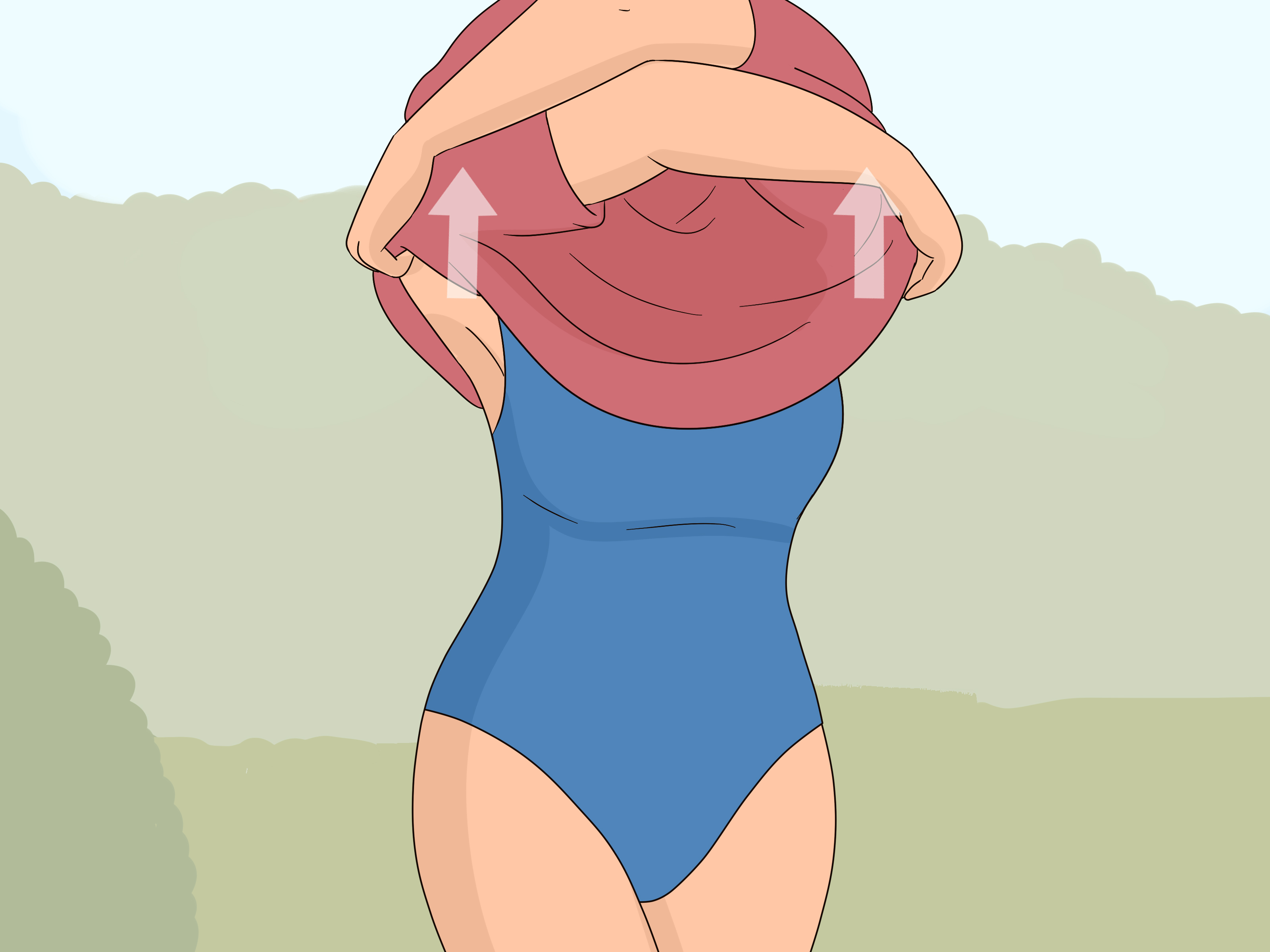
If towel changing feels too risky, a loose cover-up can be your best friend. Think of it as a tiny portable changing room with sleeves. A flowy sundress, oversized T-shirt, hoodie dress, swim robe, kaftan, or long rash guard can give you enough coverage to change underneath.
Best Clothing for This Method
Choose something roomy, lightweight, and long enough to cover your hips. The best options are loose dresses, oversized T-shirts, beach cover-ups, swim parkas, or hooded changing robes. If the fabric is thin, check that it is not see-through in bright sunlight. Nobody wants surprise transparency as part of the beach itinerary.
A cover-up is also useful after swimming. Getting out of a wet bathing suit sooner can help reduce skin irritation, especially if you have sensitive skin, eczema, or chafing. It also keeps you warmer when the breeze hits and your body suddenly remembers it is not, in fact, a dolphin.
Step-by-Step Cover-Up Change
- Put the cover-up, oversized shirt, or loose dress over your regular clothes.
- Reach underneath and remove your shirt while keeping the cover-up on.
- Put on your swimsuit top underneath the cover-up.
- For bottoms, keep the cover-up pulled down and step into the swimsuit bottoms first.
- Remove your shorts, pants, or underwear carefully underneath the cover-up.
- Check straps, ties, and seams before removing the cover-up or heading to the water.
When This Method Is Best
This method is excellent when you are changing in a semi-private place, such as a beach, campsite, restroom entrance area, car area, or locker room bench. It is also a good choice if you feel nervous using only a towel. The fabric stays on your body, so there is less risk of dropping it.
For one-piece suits, this method may take a little more patience. Step into the suit first, pull it up underneath the cover-up, then slip your arms through the straps one at a time. If the suit rolls, twists, or sticks to sunscreen, take a breath. Swimsuits are tiny elastic puzzles. You are not failing; the fabric is simply being dramatic.
Method 3: Create a Quick Privacy Zone
Sometimes the best solution is not a towel or a cover-up by itself, but a small privacy setup. This does not mean building a beach fortress, though if you have an umbrella and enough confidence, respect. A privacy zone simply means using your surroundings wisely so you are not changing in open view.
Safe Privacy Zone Ideas
- Stand behind a beach umbrella, windbreak, tent, or shade shelter.
- Use an open car door as a visual shield, but only in a safe, appropriate parking area.
- Ask a trusted friend to hold up a towel while you change.
- Use a family beach tent or pop-up changing tent.
- Look for a restroom, bathhouse, locker room, or staff-approved changing area.
- Ask a lifeguard, pool employee, coach, or camp staff member where girls can change privately.
What Not to Do
Do not change in the middle of a pool deck, in an exposed parking lot, near strangers, or anywhere cameras may be present. Locker rooms and changing areas should be treated as private spaces. Phones and recording devices do not belong where people are changing. If you ever notice someone filming, taking photos, behaving strangely, or making you uncomfortable, leave the area and tell a trusted adult or facility staff right away.
Also, avoid changing alone in isolated areas. Privacy is important, but safety comes first. A hidden spot that makes you feel uneasy is not a good spot. Choose somewhere private enough for modesty but public enough that help is nearby if you need it.
How to Ask for Help Without Feeling Awkward
You can keep it simple: “Can you hold this towel for a second?” or “Do you know where I can change privately?” Most people understand. Swim days are full of logistics. Asking for privacy is not embarrassing; it is normal.
If you are with friends, create a buddy system. One person changes while the other holds a towel or stands lookout, then you switch. No drama, no giggling at anyone’s body, and no photos. Real friends protect your privacy.
What to Pack for Easier Swimsuit Changes
A smart swim bag can turn changing from chaos into a two-minute routine. Here is what to bring:
- A large towel or towel wrap
- A loose cover-up, oversized shirt, or sundress
- A dry bag or plastic bag for wet clothes
- Clean underwear and dry clothes for after swimming
- Flip-flops or water shoes
- Hair ties or clips
- Sunscreen and SPF lip balm
- Hand wipes or sanitizer
- A small brush or comb
- A backup swimsuit if you swim often
Pack your bathing suit near the top of your bag so you are not digging through snacks, sunglasses, and three mystery receipts while wrapped in a towel. Put dry clothes in a separate pouch so they stay clean and sand-free. Sand has a way of joining every vacation like an uninvited cousin.
Privacy Tips for Girls at Pools, Beaches, and Swim Events
Privacy is not only about covering up. It is also about choosing the right place, respecting others, and listening to your instincts. If a place feels too crowded, wait a few minutes. If someone is standing too close, move. If a changing area does not feel safe, ask for another option.
At a Public Pool
Use designated locker rooms or changing areas whenever possible. Many pools have rules about swim attire, pre-swim showers, and where guests may change. If stalls are full, use a towel wrap or cover-up in the locker room rather than changing on the deck.
At the Beach
Beach changing usually requires creativity. A towel wrap, cover-up, beach tent, umbrella, or friend-held towel can help. Stay close to your group, avoid isolated dunes or hidden paths, and keep your bag within reach.
At a Swim Meet or School Trip
Ask coaches, teachers, or chaperones where changing is allowed. Swim programs often have stricter privacy and safety policies, especially for minors. Do not change in hallways, buses, or pool decks unless an adult in charge has clearly provided a safe, private setup.
Hygiene Tips Before and After Swimming
Changing into a swimsuit is not just about privacy. Hygiene matters too. Many pools encourage or require swimmers to shower before entering the water because sweat, lotions, dirt, and body oils can affect pool chemistry. A quick rinse helps keep the water cleaner for everyone.
After swimming, rinse off chlorine, saltwater, lake water, or sand when possible. Change out of a wet suit if you will not be swimming again soon. Sitting around in damp swimwear can contribute to chafing, irritation, and general “why am I still wet?” discomfort.
Keep Dry Clothes Dry
Use a waterproof pouch or separate bag for wet swimsuits. Never toss a soaked suit directly on top of your dry clothes unless you enjoy discovering that your hoodie has become a swamp. A resealable plastic bag, wet bag, or dry sack is a simple fix.
Be Gentle With Your Skin
If you have sensitive skin, eczema, or irritation, choose soft fabrics and avoid staying in a tight wet swimsuit for too long. Rinse, pat dry, and change when you can. Sunscreen, salt, chlorine, and friction can all make skin feel cranky, so treat it kindly.
Sun and Water Safety While You Are Getting Ready
Changing is only one part of the swim-day routine. Before you head into the water, apply broad-spectrum sunscreen, especially to easy-to-miss areas like shoulders, ears, the back of the neck, tops of feet, and around swimsuit straps. Reapply after swimming, sweating, or towel drying.
Swim with a buddy, stay near lifeguards when available, and follow posted signs or flag warnings. At beaches, rip currents can be dangerous even for strong swimmers. At pools, follow depth markers, no-diving signs, and lifeguard instructions. Looking cute in your bathing suit is fun; staying safe is the actual main character.
Common Mistakes to Avoid
Changing Too Publicly
Even if you are in a hurry, avoid changing where people can easily see you. It may violate facility rules, make you uncomfortable, or put your privacy at risk.
Forgetting Dry Underwear
This is the tiny item that can ruin the ride home. Always pack clean underwear and dry clothes. Future you will be deeply grateful.
Using a Tiny Towel
A small towel may be fine for drying your hands, but it is not ideal for changing. Bring the big towel. This is its time to shine.
Not Checking the Swimsuit Fit First
Try on your bathing suit at home before wearing it out. Make sure straps stay up, bottoms fit comfortably, and the fabric is not see-through when wet. A swimsuit that fits well makes changing easier and swimming more comfortable.
Leaving Wet Clothes Loose in Your Bag
Wet suits can soak everything. Use a wet bag and rinse the suit when you get home. Let it air-dry instead of leaving it in a backpack, where it may develop a smell with the personality of a haunted gym sock.
Confidence Tips: How to Feel Less Awkward
Changing without a stall can feel awkward because you are trying to move quickly, stay covered, and not accidentally elbow your friend in the face. The best confidence tip is preparation. Wear easy layers, bring the right towel, and decide your changing plan before you arrive.
It also helps to remember that most people are focused on themselves. At the beach, everyone is managing sunscreen, snacks, chairs, towels, waves, kids, coolers, and the eternal question of where the flip-flops went. You are probably not the center of attention. Still, your comfort matters, so choose the method that helps you feel secure.
of Real-Life Experience and Practical Scenarios
One of the most useful lessons about changing into a bathing suit without a stall is that the “best” method depends on the place. At a public beach, the towel wrap method often wins because it is quick and does not require a bathroom line. Picture this: your friends are already walking toward the water, the sand is hot enough to toast a bagel, and the restroom line looks like a theme park ride. A large towel, clipped at the top, lets you change close to your group while still staying covered. The trick is to face away from crowds, keep your feet planted, and move one clothing item at a time. Slow is smooth, and smooth avoids towel disasters.
At a pool, the experience is different. Public pools usually have locker rooms, but stalls may be full during busy hours. In that case, a loose cover-up can be more comfortable than a towel because it stays on your shoulders. You can slip your swimsuit underneath while standing near your locker or a bench. This is especially helpful if the floor is wet. Trying to balance on one foot while holding a towel and stepping into swimsuit bottoms is basically an Olympic event nobody trained for. Flip-flops help, and so does keeping your clean clothes in a dry pouch instead of on the bench.
For school trips, camps, or swim meets, privacy rules matter even more. The smartest move is to ask about changing areas before the group arrives. A simple “Where should we change if the stalls are full?” can solve the problem early. Coaches, teachers, and counselors should help students find appropriate spaces. Girls should not feel pressured to change in open areas, buses, or hallways. If the setup feels wrong, speak up. It is not being difficult; it is being safe and sensible.
Another real-world tip is to practice at home once. That may sound silly, but it works. Try changing into your swimsuit under a towel or oversized shirt in your bedroom. You will quickly learn whether your towel is large enough, whether your swimsuit straps twist, and whether your cover-up gives enough room. Practicing for two minutes at home can prevent ten minutes of beach panic later.
Finally, always think about the after-swim change too. Getting into a swimsuit is only half the adventure. After swimming, you may be wet, sandy, tired, and slightly sun-fried. Pack dry underwear, a second towel if possible, and a wet bag. Change out of your swimsuit when you are done swimming for the day, especially before a long car ride. It feels better, protects your skin from friction, and keeps your seat from becoming a tiny indoor pool. The goal is simple: swim, have fun, stay private, stay safe, and leave with your dignity, dry clothes, and both flip-flops intact.
Conclusion
Changing into your bathing suit without a stall does not have to be stressful. With a large towel, loose cover-up, or quick privacy zone, you can stay covered and comfortable almost anywhere. The best method is the one that feels safe, respects your privacy, and fits the situation. Plan ahead, pack smart, ask for help when needed, and never change somewhere that makes you feel unsafe or exposed.
Whether you are heading to the pool, beach, lake, water park, camp, or swim meet, a little preparation goes a long way. Bring the big towel. Pack the dry clothes. Use the buddy system. And remember: confidence is not about pretending nothing is awkward. Confidence is knowing you can handle the awkward part with a towel, a plan, and maybe a little humor.














