
When you feel genuinely sick but your parents think you are simply trying to escape a math test, gym class, or the mysterious cafeteria casserole, the situation can become frusfrom “totally fine” last night to “unable to attend school” at precisely 6:47 a.m.
The best way to convince your parents you’re sick is not to become a one-person medical drama. It is to communicate honestly, describe what is happening clearly, and use objective information whenever possible. Real illness does not always arrive with flashing lights and a thermometer reading worthy of a disaster movie. Headaches, nausea, sore throats, fatigue, dizziness, congestion, stomach problems, and other symptoms can make a normal school day difficult even when you do not look dramatically ill.
This guide focuses on three practical ways to help your parents understand that you are genuinely unwell. It does not explain how to fake symptoms, manipulate measurements, or deceive anyone. Those tactics can damage trust and, more importantly, may interfere with getting appropriate medical care when you actually need it.
1. Explain Your Symptoms Clearly and Specifically
“I feel sick” is true, but it is not very informative. From a parent’s perspective, that sentence could mean anything from “my stomach hurts badly” to “I would prefer not to present my science project today.”
The first way to convince your parents you’re sick is to describe your symptoms in concrete, calm language.
Say what hurts or feels different
Instead of saying, “I feel terrible,” try describing exactly what is happening:
- “My throat hurts when I swallow.”
- “I have had stomach cramps since last night.”
- “I feel dizzy when I stand up.”
- “I woke up three times because I was coughing.”
- “I have vomited twice since early this morning.”
- “My headache gets worse when I move around.”
Specific descriptions help a parent evaluate the situation. They also make it easier to decide whether you need rest, a temperature check, a call to the pediatrician, or more urgent medical attention.
Major pediatric health organizations recommend paying attention not only to a single symptom but also to a child’s overall condition, including breathing, hydration, alertness, pain, vomiting, diarrhea, and the ability to participate in normal activities. parents a timeline
Timing matters. Tell your parents when the symptoms started and whether they are improving, staying the same, or getting worse.
For example:
“My throat started feeling scratchy after dinner. I woke up congested at 2 a.m., and this morning I have a headache and feel much more tired than usual.”
That is more useful than suddenly announcing, “I am dying,” while standing beside your backpack five minutes before the school bus arrives.
A simple timeline can include:
- When you first noticed the problem
- What symptoms appeared first
- Whether you slept normally
- Whether you have eaten or had fluids
- Whether symptoms are becoming stronger
- Whether medicine or rest has changed anything
Honest detail builds credibility because it gives your parents information they can actually use.
Describe what you cannot comfortably do
Another helpful approach is explaining how your symptoms affect normal activities.
You might say:
“I can walk around, but I get dizzy when I stand for long.”
Or:
“I could probably sit in class, but I have been running to the bathroom repeatedly and do not think I could participate normally.”
This matters because being “sick enough” is not always determined by whether someone is completely unable to move. Schools and health organizations often consider whether a student can participate normally and whether symptoms could create health or infection concerns for other people. CDC guidance identifies symptoms such as fever, repeated vomiting, and significant diarrhea among reasons a student may need to stay home, although individual school policies can differ. r Actions Match What You Are Saying
Parents naturally notice behavior. If you say you are too sick to attend school but immediately launch a six-hour gaming marathon while shouting enthusiastically into a headset, you may create some understandable questions.
This does not mean a sick person must lie perfectly still in a dark room and stare tragically at the ceiling. People with mild illnesses can still watch television, use a phone, read, or joke around. The point is simpler: if you genuinely feel bad, focus on recovery rather than turning a sick day into an unexpected vacation package.
Choose rest before entertainment
Tell your parents what you need:
“I want to lie down for an hour, drink some water, and see whether the headache improves.”
That approach shows that your goal is to feel better, not merely to avoid responsibility.
Reasonable self-care may include resting, drinking fluids, eating simple foods if you can tolerate them, and following your parent’s or healthcare provider’s advice. Hydration is especially important during illnesses involving fever, vomiting, or diarrhea because fluid loss can lead to dehydration. to accept reasonable restrictions
Suppose your parents say, “Fine, you can stay home, but you need to rest.” If your immediate response is, “Great! Can three friends come over?” your case may experience what lawyers technically call a catastrophic credibility malfunction.
When you are actually sick, accepting a quiet day is usually reasonable. You might need sleep, fluids, bland food, medicine recommended by a responsible adult, or simply time away from normal activity.
Being consistent does not mean performing sickness. Do not exaggerate pain, pretend to be weaker than you are, stage symptoms, or interfere with a thermometer or other health measurement. Besides damaging trust, false information can cause parents or healthcare professionals to make decisions based on inaccurate details.
Offer a practical plan instead of making a demand
Rather than saying, “I am not going to school, end of discussion,” try:
“Can I rest for 30 minutes while we check my temperature and see whether I can eat or drink? Then we can decide what makes sense.”
This changes the conversation from a battle into a problem-solving exercise.
You can also suggest:
- Checking your temperature correctly
- Drinking water and seeing whether dizziness improves
- Trying a small breakfast if nausea is mild
- Calling the school nurse or checking the school’s illness policy
- Contacting your pediatrician if symptoms are concerning
Parents may be especially cautious if you have an important test, presentation, practice, or event that day. A calm plan helps show that you understand their concern without pretending your symptoms do not exist.
3. Use Objective Information and Ask for Help When Needed
The third way to convince your parents you’re sick is to move the discussion away from “Do you believe me?” and toward “What does the available information tell us?”
Objective information cannot identify every illness, but it can help parents make better decisions.
Check measurable signs honestly
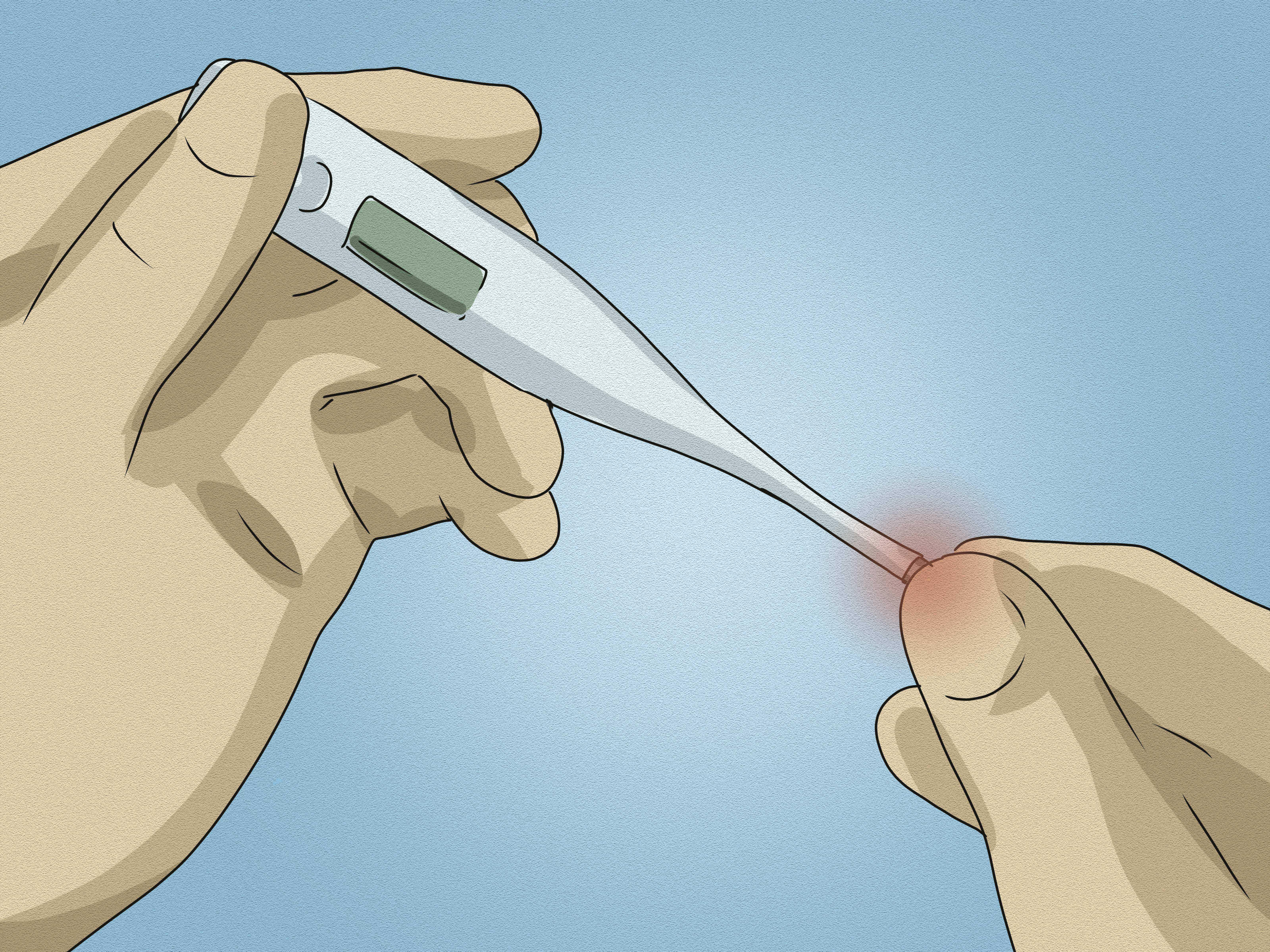
If appropriate, your parent may check your temperature. A commonly used threshold for fever is 100.4°F, or 38°C, although the meaning of a temperature reading depends on factors such as age, symptoms, measurement method, and medical history.
A normal temperature also does not prove that you are healthy. Many illnesses and health problems can occur without a fever. You could still have significant nausea, migraine symptoms, diarrhea, a sore throat, pain, or another problem requiring rest or evaluation.
Other useful observations include:
- How often you have vomited
- How often you have had diarrhea
- Whether you can keep fluids down
- Whether you are urinating normally
- Whether breathing feels comfortable
- Whether you are unusually sleepy or confused
- Whether you have a new rash
- Whether pain is mild, moderate, severe, or worsening
Signs such as a very dry mouth, unusually little urination, sunken eyes, unusual sleepiness, or difficulty keeping fluids down can indicate dehydration and deserve adult attention. ral adult or healthcare professional
Sometimes the easiest solution is to involve someone who is not part of the parent-child disagreement.
Depending on the situation, that could mean:
- A school nurse
- Your pediatrician or family doctor
- An urgent care professional
- A telehealth clinician
- Another responsible adult who can observe how you are doing
You do not need to demand a doctor’s appointment for every sniffle. The point is that being willing to seek an objective opinion shows that your main concern is understanding what is wrong.
You might say:
“I understand that you are not sure whether I need to stay home. Could we call the doctor’s office or school nurse and ask what they recommend based on my symptoms?”
That is a mature response, and it is much more effective than repeating “But I am sick!” at increasing volume until the windows begin to vibrate.
Know when the problem is bigger than convincing your parents
Some symptoms should shift the priority from debating school attendance to getting appropriate medical help.
Tell an adult immediately if you have severe trouble breathing, confusion, extreme difficulty staying awake, a seizure, a stiff neck with serious illness, severe or rapidly worsening pain, signs of significant dehydration, persistent inability to keep fluids down, or another symptom that feels severe or frightening. Young infants with fever require particular caution. Medical guidance also recommends prompt evaluation for combinations of fever with certain concerning symptoms. ency, seek emergency medical help rather than spending time trying to prove that you are sick.
What If Your Parents Still Do Not Believe You?
Even after you explain everything carefully, your parents may still think you can go to school. That can feel unfair, especially when you genuinely feel awful.
Try not to turn the disagreement into a shouting match. Instead, summarize the facts:
“I understand why you think I may be able to go. I have had stomach pain since last night, I have vomited twice this morning, and I am having trouble keeping breakfast down. Can we decide what would make you comfortable with me staying home or getting checked?”
If they still send you to school and your symptoms continue or worsen, tell a teacher, school nurse, counselor, coach, or another responsible adult. Do not hide significant symptoms because you are worried that someone will think you are exaggerating.
At the same time, remember that parents sometimes say no because they have seen previous patterns of avoidance. If you have pretended to be sick in the past, rebuilding trust may take time. The best strategy is not a more convincing performance. It is consistent honesty.
What Not to Do When Trying to Convince Your Parents You’re Sick
Do not invent symptoms
False symptoms can lead to unnecessary worry, inappropriate treatment, missed school, medical expenses, and damaged trust.
Do not exaggerate a mild symptom into an emergency
A mild headache can still be real. You do not need to describe it as the worst pain experienced by any human since the invention of homework.
Accurate information is more useful than dramatic information.
Do not tamper with measurements
Health information should be accurate. Manipulating a temperature reading or other measurement can mislead the people responsible for caring for you.
Do not ignore emotional or stress-related symptoms
Sometimes the real problem is not an infection. Anxiety about school, bullying, overwhelming academic pressure, poor sleep, or another emotional problem can cause genuine distress and physical discomfort.
In that situation, honesty is still the strongest approach:
“I do not think I have the flu, but I feel extremely anxious about going to school today, and my stomach has been hurting because of it. I need help figuring out what is going on.”
That conversation may be difficult, but it gives your parents a chance to help with the actual problem rather than focusing only on whether you have a fever.
Related Experiences: What Usually Works in Real Family Situations
The following are realistic composite experiences rather than stories about one specific person. They illustrate why clear communication usually works better than trying to “look sick enough.”
Experience 1: The vague complaint that went nowhere
Imagine a student named Alex waking up with a pounding headache, congestion, and very little sleep after coughing throughout the night.
Alex walks into the kitchen and says, “I can’t go to school. I’m sick.”
His mother looks at him. He is standing normally, holding his phone, and does not have an obvious fever. She replies, “You look fine.”
Now the conversation becomes an argument about appearance.
A more effective version sounds like this:
“I started coughing around 10 last night and woke up several times. My head hurts, my nose is completely blocked, and I feel lightheaded when I stand up quickly. Can I drink something, check my temperature, and rest for a little while before we decide?”
Nothing about that statement guarantees a sick day. What it does is give the parent useful information. The discussion can now focus on symptoms and function instead of whether Alex deserves an Academy Award for looking miserable.
Experience 2: The stomach bug during an inconvenient school day
Consider Maya, who has a major test scheduled in the morning. Unfortunately, she also wakes up nauseated and vomits twice.
The timing is suspicious. Illness, rudely, does not check the academic calendar before arriving.
Maya knows her father may assume she is trying to avoid the test. Instead of becoming defensive, she says:
“I know this is bad timing because of the test. I studied for it and I do not want to miss it. But I have vomited twice since 5 a.m. and still feel nauseated. I can email my teacher about making up the test. Can we check the school’s illness rules?”
That statement addresses the parent’s likely concern directly. Maya is not pretending the test does not exist. She is proposing a responsible way to handle both the illness and the missed obligation.
This is an important lesson: credibility often improves when you acknowledge inconvenient facts instead of trying to avoid them.
Experience 3: The illness without a dramatic fever
Jordan has a painful sore throat and headache but no fever. A parent might reasonably wonder whether school is still possible.
Instead of claiming that the absence of fever is irrelevant, Jordan explains:
“My temperature is normal, but swallowing hurts a lot, and my headache is getting worse. I would like to see whether I can drink, eat something, and function normally before we decide.”
This is a balanced approach. Not every symptom requires staying home, but not every genuine illness produces a high temperature either. Looking at the whole situation is more useful than treating one thermometer reading as the final judge in a courtroom drama.
Experience 4: When the real problem is stress
One of the hardest situations happens when a young person feels physically sick because of severe stress but fears that a parent will dismiss the problem as “not real.”
Suppose Taylor has stomach pain every Sunday night and Monday morning. After several weeks, it becomes clear that the symptoms appear before school because Taylor is being bullied.
Trying to convince a parent that each episode is a mysterious stomach illness may delay help. A more honest conversation could begin with:
“My stomach really does hurt, but I have noticed that it gets worse when I think about school. Something has been happening there, and I have been afraid to tell you.”
That admission changes the entire problem. The goal is no longer to win permission for one sick day. The goal becomes addressing a situation that may require help from parents, school staff, counselors, or other trusted adults.
The lesson from these experiences
Across all these situations, the most convincing behavior is surprisingly simple: tell the truth, provide details, acknowledge inconvenient facts, and accept reasonable ways of checking what is happening.
You do not need to create the perfect “sick look.” You need to help your parents understand your actual condition.
Conclusion
So, how do you convince your parents you’re sick? Start by replacing vague claims with specific information. Explain your symptoms and when they began. Let your behavior match your need for recovery, and use objective checks or professional advice when the situation is unclear.
The three best approaches are:
- Describe your symptoms clearly and honestly.
- Act consistently with how you genuinely feel and focus on recovery.
- Use objective information and ask for adult or medical help when appropriate.
Parents may not always make the decision you hoped for, but honesty gives you the best chance of being understood while protecting the trust you will need the next time you are genuinely ill.
Note: This article is for general educational information and is not a substitute for medical diagnosis or treatment. If symptoms are severe, rapidly worsening, or otherwise concerning, tell a responsible adult and seek appropriate medical care.













