
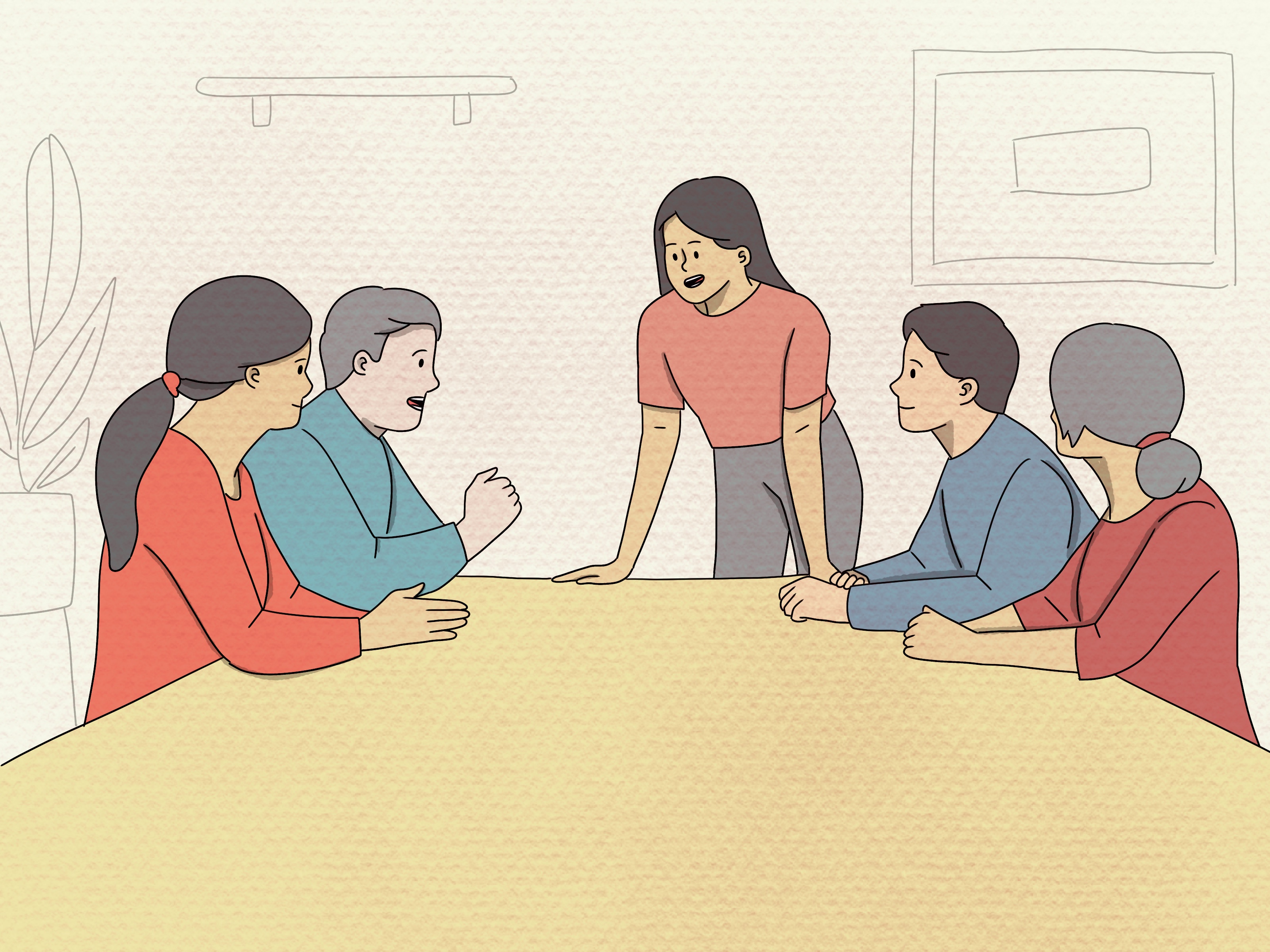
There are hard family situations, and then there is having to parent your parent while they are still insisting they are “perfectly fine” with a drink in hand. If you are an adult child trying to deal with an aging parent whose drinking is affecting their health, safety, money, relationships, or your peace of mind, you are not overreacting. You are also not alone.
Let’s get one thing straight before the guilt committee barges in: loving your parent does not require you to become their chauffeur, excuse writer, crisis janitor, and emotional sponge. It does not mean pretending that every blackout, fall, angry phone call, or “I only had two glasses” story is normal. It means responding with compassion, realism, and boundaries that protect everyone involved including you.
This article uses the keyword phrase elderly alcoholic parents because that is what many people search for online. But in healthcare settings, the more accurate term is usually alcohol use disorder. That wording matters because the goal is not to slap a label on your mom or dad like a sale sticker on a clearance rack. The goal is to understand the behavior, respond wisely, and avoid getting dragged into the chaos.
So what actually helps? In most cases, adult children do best when they focus on three things: setting firm boundaries, having calm and strategic conversations about treatment, and protecting their own safety and mental health. Those may sound simple, but in real life they are about as easy as assembling furniture without the instructions. Still, they work better than arguing, rescuing, or hoping the problem evaporates by Thanksgiving.
Why alcohol problems in older parents can be especially complicated
Alcohol use in older adults can be riskier than many families realize. Aging changes the body. Medications enter the mix. Balance is not what it used to be. Sleep gets lighter, memory can get fuzzier, and chronic conditions like diabetes, heart disease, liver disease, or depression may already be in the picture. That means an amount of alcohol that seemed “manageable” years ago can become much more dangerous later in life.
For adult children, that creates a double burden. You may be worried not just about the drinking itself, but also about falls, car accidents, missed medications, money problems, self-neglect, unsafe behavior, or frequent emotional blowups. In some families, the drinking has been around forever. In others, it gets worse after retirement, grief, loneliness, chronic pain, or the loss of a spouse. Either way, you may feel like you are dealing with two problems at once: the parent you love and the alcohol-fueled version of that parent who steals every ounce of oxygen from the room.
That is why the best approach is not “How do I make my parent stop drinking by next Tuesday?” The better question is: How do I respond in a way that is loving, effective, and sustainable?
Way #1: Set boundaries and stop doing the jobs alcohol should not assign you
The first and most important step is to stop confusing love with unlimited access. Many adult children of parents with drinking problems slide into a pattern of rescuing because it feels helpful in the moment. You pay the bill they forgot. You call the doctor and invent a polite excuse. You clean up the mess before siblings notice. You absorb the insults because “they didn’t mean it.” You keep showing up, hoping this time it will somehow be different.
That pattern is common, but it often becomes enabling. In plain English, that means your efforts reduce the immediate consequences of the drinking, which can unintentionally make it easier for the problem to continue. No, this does not mean you caused your parent’s drinking. It means your coping strategy may be keeping you trapped in a role that is exhausting and ineffective.
What healthy boundaries look like
Boundaries are not punishments. They are rules for what you will and will not do. That distinction matters. You cannot control whether your parent drinks. You can control whether you stay for a screaming match, lend money that will disappear into a liquor store run, or keep answering midnight calls that end with emotional shrapnel in your lap.
Healthy boundaries may sound like this:
- “I’m happy to visit in the morning, but I’m leaving if you start drinking while I’m there.”
- “I won’t give you cash, but I can help order groceries.”
- “I’m not riding in the car if you’ve been drinking.”
- “I will go with you to a doctor’s appointment or counseling session, but I won’t cover for missed appointments anymore.”
- “If you become verbally abusive, I’m ending the conversation and leaving.”
Notice what these boundaries do not include. They do not threaten, lecture, or beg. They do not try to out-argue addiction with superior grammar. They are clear, specific, and enforceable.
How to hold boundaries without turning into a courtroom drama
Boundaries work only when they are calm and consistent. If you announce a boundary dramatically and then abandon it five minutes later, the message becomes background noise. It is much more effective to say less and mean more.
For example, imagine your father calls and slurs through a request for money because he “just needs help with gas.” The old pattern might be panic, debate, guilt, transfer, regret. A better pattern is: “I’m not able to send cash. I can help schedule a grocery delivery tomorrow.” Then stop explaining. Long speeches are catnip for circular arguments.
You also do not need permission to protect yourself. If your parent becomes aggressive, unsafe, or impossible to reason with when drinking, it is okay to leave, hang up, lock your door, or involve other support people. If there is an immediate medical or safety emergency, treat it like the emergency it is.
When boundaries feel cruel
This is where many adult children get stuck. You may worry that boundaries make you cold, selfish, or ungrateful. But boundaries are often the opposite. They are one of the few ways to keep the relationship from collapsing under the weight of resentment. A daughter who says, “Mom, I love you, but I can’t keep doing this dance with you every weekend,” is not being heartless. She is being honest.
Think of boundaries as emotional railings. They do not solve the whole mountain road, but they do keep everyone from going over the edge.
Way #2: Talk about the problem strategically, not in the heat of the circus
If your parent has a drinking problem, you have probably already tried some version of the Big Talk. It may have started with concern and ended with denial, rage, tears, or the classic line: “You’re exaggerating.” That does not mean conversations are useless. It means the timing and style of the conversation matter a lot.
Pick a calm moment, not a messy one
Do not try to reason with someone who is actively drinking or intoxicated. That conversation will go about as well as doing taxes on a roller coaster. Wait until your parent is sober, relatively calm, and able to follow a conversation.
Then stay focused on what you have observed, not on diagnosing them like a reality-show therapist. Use specific examples:
- “I’m worried because you fell last month after drinking.”
- “I’ve noticed you’re mixing alcohol with sleep medication.”
- “You missed your heart appointment after drinking the night before.”
- “I don’t feel safe when you drive after having drinks.”
This approach reduces the chance that the conversation turns into a debate over whether your parent is “really an alcoholic.” You are not trying to win a label argument. You are pointing to concrete harms.
Use concern, not humiliation
Shame rarely motivates lasting change. People are more likely to listen when they feel respected, even if they do not like what they hear. Try language like:
“I love you, and I’m worried about your health.”
“I’m not here to attack you. I’m here because I care.”
“I can’t make your choices for you, but I don’t want to pretend this isn’t affecting you and me.”
This does not mean you have to sound like a motivational poster in human form. It just means you do not need to weaponize the conversation. Anger may be understandable, but if the goal is change, calm honesty usually works better than a verbal flamethrower.
Offer help that points toward treatment
Once you raise the issue, be ready with next steps. A vague plea to “get help” is easy to dodge. A concrete offer is harder to ignore. You can suggest:
- A primary care appointment to discuss alcohol, medications, memory issues, sleep, or falls
- An addiction specialist, therapist, or licensed counselor
- An outpatient or residential treatment program, depending on severity
- Family support groups such as Al-Anon for you and peer recovery support for them
- U.S. resources such as FindTreatment.gov or Eldercare Locator for local options
Be especially careful if your parent drinks heavily every day and talks about simply “quitting cold turkey” on their own. Sudden alcohol withdrawal can be dangerous for some people and may require medical supervision. This is one more reason why a doctor or treatment professional should be involved instead of the family running a homegrown detox operation with crackers and good intentions.
Should you stage an intervention?
Sometimes families consider a formal intervention. That can help in certain situations, but it tends to work best when guided by a qualified professional. A badly planned intervention can become a theatrical ambush lots of emotion, not much progress. If you are considering this step, get advice first. Structured support beats surprise monologues in the living room.
Also remember this truth, which is rude but useful: your parent may refuse help. They may minimize, deflect, charm, cry, or act offended that anyone brought it up. Refusal is painful, but it is not proof that the conversation was pointless. Sometimes the first conversation plants the seed. Sometimes it takes several. Your job is to be honest, offer real options, and stop pretending the problem is invisible.
Way #3: Protect your own life, safety, and sanity
Adult children of parents with alcohol problems often become experts in one very unhealthy skill: abandoning themselves. They miss sleep, skip their own appointments, hide the family situation, cancel plans, carry constant stress, and feel guilty whenever they are not “doing enough.” That pattern can wreck your physical health, your marriage, your work, and your peace of mind.
If that sounds familiar, here is your reminder: you are allowed to have a life.
Get support for yourself
You do not need to earn support by reaching total burnout first. Family support groups and counseling can be incredibly helpful because they give you language, perspective, and community. They also help you tell the difference between compassion and overfunctioning.
A support group like Al-Anon can help you stop feeling like the weird one in a family role nobody asked for. A therapist can help you untangle old patterns, especially if your parent’s drinking shaped your childhood and still affects how you handle conflict, guilt, or responsibility now. Sometimes the current crisis is not just about today’s drinking. It is about twenty years of walking on eggshells in orthopedic shoes.
Create a practical safety plan
If your parent is elderly, the concern may go beyond emotional stress. You may need a plan for what to do if there are falls, wandering, medical confusion, missed medications, financial errors, or unsafe driving. That could include:
- Keeping emergency contacts in one place
- Knowing which neighbor, sibling, or friend can help in a crisis
- Using rideshare, delivery, or transportation services instead of letting them drive
- Discussing advance care planning, healthcare proxies, or powers of attorney when appropriate
- Contacting local aging services for caregiver support, home care, or assessments
This is not about taking over your parent’s entire life because they misplaced the remote twice. It is about responding realistically when alcohol is intersecting with aging, health problems, and safety risks.
Know your red lines
Some situations require immediate action, not another family debate. If your parent is severely confused, repeatedly falling, mixing alcohol with sedatives or opioids, having signs of withdrawal, becoming violent, or creating an urgent safety risk, seek emergency help. If there is a crisis and you do not know what to do, calling 988 for guidance or emergency services for immediate danger can be appropriate.
And if your parent’s behavior becomes abusive toward you, that matters too. Adult children sometimes minimize verbal abuse because “they’re old” or “they’ve had a hard life.” Both things can be true, and abuse can still be abuse. Love does not require volunteering as a target.
What not to do when dealing with elderly parents who drink too much
- Do not argue with a drunk person. Logic is not going to swoop in wearing a cape.
- Do not cover up the consequences every time. Rescue can become routine.
- Do not make threats you will not enforce. Empty warnings train people to ignore you.
- Do not isolate yourself with the secret. Shame grows in silence.
- Do not ignore your own health. Burned-out caregivers help nobody well.
- Do not assume age makes treatment pointless. Older adults can still benefit from support and treatment.
A realistic example of how this can look
Let’s say your 74-year-old mother has started drinking heavily in the evenings after losing her spouse. She has fallen twice, skips meals, and gets angry when anyone mentions alcohol. You live nearby and have been stopping by almost daily, cleaning up, bringing groceries, and taking late-night calls that leave you wrung out.
A healthier response might look like this: you stop dropping everything every time the phone rings; you visit earlier in the day instead of during her usual drinking hours; you tell her calmly that you will leave if she drinks while you are there; you schedule a primary care visit and offer to go with her; you refuse to give cash; you talk with your siblings about sharing responsibility; and you join a support group because carrying this alone is flattening you.
Will that instantly fix her drinking? No. But it changes your position from frantic rescuer to grounded adult. That shift matters more than people realize.
Common experiences adult children have in this situation
Many adults dealing with an elderly parent’s drinking describe a strange kind of emotional time travel. On the outside, they are grown. They have jobs, children, mortgages, calendars, and lower back opinions. But one slurred voicemail from Mom or one angry denial from Dad, and suddenly they feel twelve years old again anxious, responsible, and weirdly convinced that if they just say the perfect thing, they can restore order to the family.
One common experience is the slow realization that the crisis is not always dramatic. Sometimes it arrives quietly. A father who was once high-functioning starts missing appointments. A mother who used to keep an immaculate home now leaves unpaid bills on the counter and forgets whether she ate dinner. There is no movie soundtrack. Just a growing pile of little signs that something is wrong, and a knot in your stomach every time the phone rings after 9 p.m.
Another experience adult children talk about is the burden of secrecy. Families often become expert public relations departments. They smooth over awkward moments at holidays. They explain away strange behavior to neighbors. They whisper to siblings instead of speaking plainly. Over time, this secrecy becomes exhausting. You are not just dealing with alcohol. You are managing the image of the family, and that hidden labor can wear people down as much as the drinking itself.
There is also the grief of having a parent who is physically present but emotionally unreliable. Adult children may mourn the relationship they wish they had, even while their parent is still alive. They may think, “Why can’t I have one normal conversation?” or “Why am I always the parent in this relationship?” That grief is real. It deserves space.
Some people describe feeling guilty when they start stepping back. The first time they leave a visit because their parent has been drinking, they feel terrible. The first time they stop sending money, they second-guess themselves for days. But many also say that over time, boundaries bring clarity. They begin sleeping better. They stop reacting to every emergency like a fire alarm. They notice they are less angry because they are no longer volunteering for impossible jobs.
Adult children also often discover that help can come from unexpected places. A support group makes them feel less alone. A doctor finally says out loud what the family has been dancing around. A sibling who seemed checked out steps in once the problem is spoken plainly. A social worker offers practical options nobody knew existed. Progress may not look dramatic, but it can still be meaningful.
Perhaps the most important experience people describe is this: the moment they realize love and limits can exist in the same sentence. “I love you, and I’m leaving now.” “I care about you, and I won’t give you money.” “I want to help, and I need help too.” That is not cruelty. That is maturity. And for many adult children, it is the beginning of getting their own life back.
Final thoughts
If you are trying to figure out how to deal with elderly alcoholic parents as an adult, the answer is not to become louder, tougher, or more available 24 hours a day. The answer is to become clearer. Clear about what you see. Clear about what you will do. Clear about what you will no longer carry.
Start with boundaries. Have sober, strategic conversations about treatment. Protect your health and safety like they matter because they do. And remember: you are not failing because you cannot control another adult’s drinking. You are succeeding when you respond with honesty, self-respect, and steadiness in a situation that makes many people feel like they are losing their footing.
In other words, you do not have to set yourself on fire just because your family has been standing too close to the smoke for years.














