
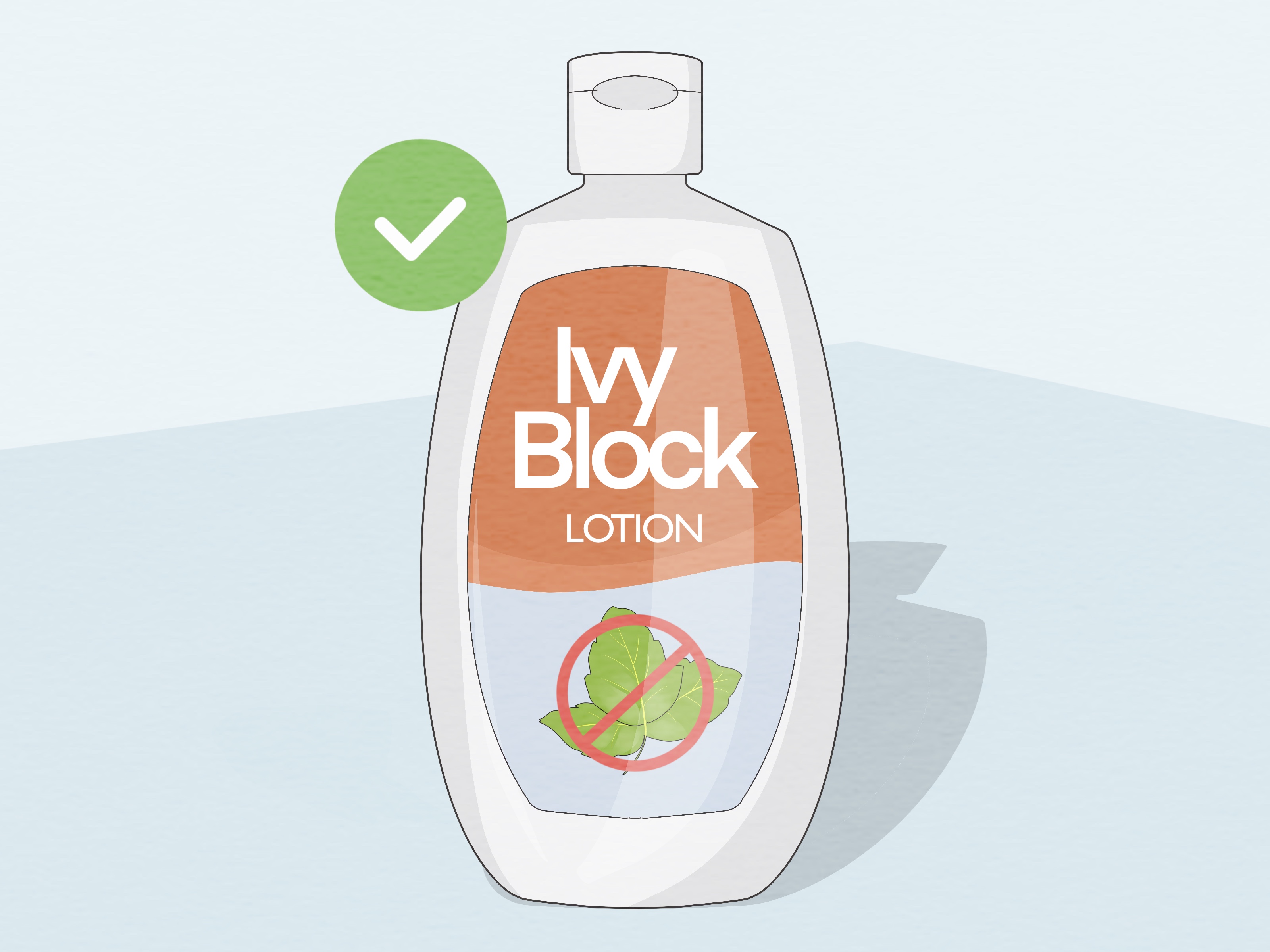
Poison ivy has a special talent for turning a pleasant afternoon outdoors into several nights of Olympic-level scratching. The rash may look wet, blistered, and dramatic, which naturally makes people search for a way to “dry it up” fast. Fortunately, several evidence-based treatments can reduce oozing, calm inflammation, and protect the skin while it heals. The less exciting news is that no safe home remedy erases poison ivy overnight.
A poison ivy rash is a form of allergic contact dermatitis caused by urushiol, a sticky oil found throughout the plant. Poison oak and poison sumac contain the same troublemaking substance. Once the oil has been removed, blister fluid does not spread the rash, and the rash itself is not contagious. New patches usually appear because different areas react at different times or because urushiol remains on clothing, tools, shoes, or pet fur.
This guide explains three practical ways to manage a mild poison ivy rash, what not to put on it, and when the situation deserves medical care rather than another expedition into the bathroom cabinet.
What Does “Dry Up” a Poison Ivy Rash Really Mean?
In everyday language, “drying up” a poison ivy rash usually means reducing weeping from broken blisters and helping the surface crust over. That may make the rash easier to manage, but it does not immediately switch off the allergic reaction underneath the skin.
Most mild cases need approximately one to three weeks to clear. The timing varies depending on the amount of urushiol exposure, the size of the affected area, and how sensitive the person is to the plant oil.
The safest treatment strategy has three goals:
- Control moisture without damaging the skin.
- Reduce inflammation and itching.
- Prevent repeated exposure, scratching, and infection.
Aggressive “drying” methods often do the opposite. Bleach, gasoline, strong solvents, undiluted vinegar, and scalding water can burn or further irritate already inflamed skin. Poison ivy is annoying enough without inviting a chemical burn to join the party.
Way 1: Use Cool Compresses and a Gentle Astringent
For a poison ivy rash that is weeping or forming small fluid-filled blisters, cool wet compresses are among the simplest and most useful treatments. They cool the skin, reduce the urge to scratch, and gently absorb drainage.
The U.S. Food and Drug Administration also identifies skin protectants and astringents, including calamine and aluminum acetate, as options that can help dry the oozing and weeping associated with poison ivy, poison oak, and poison sumac.
How to Apply a Cool Compress
- Soak a clean washcloth or sterile gauze in cool water.
- Wring it out so it is damp rather than dripping.
- Lay it gently over the rash for 15 to 30 minutes.
- Repeat several times during the day.
- Use a clean cloth for every treatment.
- Pat the skin dry instead of rubbing it.
Cool is the important word here. Ice placed directly on the skin can cause injury. Very hot water may temporarily overwhelm the itching sensation, but it can leave the skin feeling more irritated afterward.
When to Consider Aluminum Acetate
An over-the-counter aluminum acetate solution, sometimes sold as Burow’s solution or in dissolvable packets, acts as an astringent. It may be especially helpful when blisters are actively weeping.
Follow the package instructions carefully when preparing the solution. A stronger concentration will not necessarily work better and could irritate the skin. Soak a clean cloth in the prepared solution, apply it for the recommended time, and wash or discard the cloth before using another compress.
How Calamine Lotion Fits In
Calamine lotion can provide a cooling sensation, ease minor itching, and absorb some drainage. Shake the bottle, apply a thin layer, and allow it to dry. Reapply according to the product label.
If several applications create a thick, cracked coating, gently rinse away the old residue before applying more. A poison ivy rash does not need to be frosted like a birthday cake.
Try a Short, Soothing Bath
A short lukewarm or cool bath containing colloidal oatmeal may soothe itching and irritation. Baking soda added to bathwater is another commonly recommended option. These baths are primarily soothing rather than curative, but reducing the itch helps prevent scratching, giving the blisters a better chance to dry and heal normally.
Keep the bath brief. Long, hot baths can strip moisture from the skin and leave the irritated area feeling tighter and itchier.
Way 2: Calm Inflammation With the Right OTC Treatment
A poison ivy rash is not simply wet or damaged skin. It is an inflammatory allergic reaction. That is why drying products alone can leave you with a crustier rash that still itches as though it has a personal grudge.
For a mild, limited outbreak, over-the-counter 1% hydrocortisone cream, ointment, or lotion may reduce inflammation and itching, particularly when used early and exactly as directed. Calamine can be used as a soothing skin protectant, but it does not replace anti-inflammatory treatment when redness and swelling are the main problems.
How to Use Hydrocortisone Safely
- Apply only a thin layer to the affected area.
- Follow the label’s frequency and duration instructions.
- Do not place it inside the eyes, mouth, or genital area.
- Ask a healthcare professional before using it on the face.
- Do not apply it over a large area or under an airtight covering unless instructed.
- Ask a pediatrician or pharmacist before treating a young child.
Stop using the product and seek medical advice if the treated skin becomes increasingly painful, swollen, or irritated.
Nonprescription hydrocortisone may be too weak for a severe reaction. A clinician can prescribe a stronger topical corticosteroid or, for a widespread or highly swollen rash, an oral corticosteroid. Prescription steroids should be taken exactly as prescribed. Do not use leftover medication from another illness or another family member.
Can an Oral Antihistamine Help?
An oral antihistamine may reduce itching or help someone sleep, although it does not remove urushiol or directly dry the blisters. Some products, particularly diphenhydramine, can cause significant drowsiness.
Do not drive, operate machinery, drink alcohol, or combine sedating medicines unless a pharmacist or clinician confirms that doing so is safe. Nondrowsy antihistamines may be preferable during the day. People who are pregnant, older, treating a child, or taking other medications should consult a healthcare professional first.
Avoid Creating a Second Rash
Topical antihistamines and certain numbing creams can irritate sensitive skin or cause an additional contact reaction in some people. Unless a clinician recommends them, stick with simpler options such as cool compresses, calamine, colloidal oatmeal, and properly used hydrocortisone.
Layering six different creams does not transform them into a superhero team. It mostly makes it difficult to identify which product caused the new burning sensation.
Way 3: Remove Urushiol and Protect the Blisters
If contact with poison ivy happened recently, washing is the most important step. Gently clean exposed skin with soap and plenty of water or use a cleanser specifically labeled for poison plants. Clean carefully beneath the fingernails as well.
Wash clothing separately and clean shoes, garden tools, sports equipment, camping gear, and pet fur that may carry the oil. Urushiol can remain on contaminated objects and cause a new reaction later.
Do Not Scrub an Established Rash
Once the rash is present, vigorous scrubbing will not pull the allergic reaction out of the skin. It can tear blisters, worsen inflammation, and increase the risk of infection.
Wash the area gently with mild soap and lukewarm water, then pat it dry. Rubbing alcohol may be useful immediately after suspected plant contact as part of decontamination. However, repeatedly applying alcohol to an established rash can sting and excessively dry damaged skin.
Leave Poison Ivy Blisters Intact
Do not intentionally pop poison ivy blisters. The skin covering the blister provides natural protection while the tissue underneath repairs itself.
If a blister breaks on its own, rinse the area gently, pat it dry, and cover it loosely with a sterile nonstick dressing when clothing or dirt may rub against it. Replace the dressing whenever it becomes wet or dirty.
Control Scratching Before It Controls You
Scratching does not spread poison ivy through blister fluid, but it can break the skin and introduce bacteria from beneath the fingernails.
- Keep fingernails short and clean.
- Use a cool compress when itching suddenly becomes intense.
- Wear loose, breathable cotton clothing.
- Consider light cotton gloves at night for children who scratch in their sleep.
- Use a loose nonstick covering over areas that rub against clothing.
Avoid wrapping the rash tightly with plastic or airtight material unless a healthcare professional specifically recommends an occlusive treatment.
What Not to Put on Poison Ivy
The internet contains enough poison ivy “hacks” to keep an urgent care clinic busy for the entire summer. Avoid applying the following substances to the rash:
- Household bleach
- Drain cleaner
- Gasoline or kerosene
- Paint thinner or other solvents
- Undiluted vinegar
- Concentrated essential oils
- Toothpaste
- Scalding water
- Unknown herbal mixtures
These products do not neutralize an allergic reaction that is already underway. They may cause burns, additional dermatitis, open wounds, or delayed healing.
Never burn poison ivy plants. Smoke can carry plant particles and urushiol into the eyes, nose, throat, and lungs. Breathing difficulty after exposure to smoke from burning poison ivy requires emergency medical attention.
When to See a Doctor for Poison Ivy
Home treatment is usually reasonable for a small, mild rash. Medical care is appropriate when the reaction is severe, widespread, rapidly worsening, or located on a delicate part of the body.
Contact a healthcare professional if:
- The rash involves the eyes, face, mouth, or genitals.
- A large portion of the body is affected.
- Swelling is severe or continues to increase.
- The itching consistently prevents sleep or normal activities.
- The rash is not beginning to improve.
- The patient is a young child or has a weakened immune system.
Possible signs of a secondary bacterial infection include increasing pain, warmth, spreading redness, pus, fever, or red streaks extending from the rash. Trouble breathing, throat tightness, wheezing, significant facial swelling, or swollen eyes requires emergency care.
A clinician may prescribe a stronger topical steroid or an oral steroid for a severe poison ivy reaction. Antibiotics are not a routine treatment for poison ivy itself, but they may be needed if scratching has caused a bacterial infection.
Frequently Asked Questions
Does Poison Ivy Spread When the Blisters Leak?
No. The clear fluid inside poison ivy blisters does not contain urushiol and cannot spread the rash. Apparent spreading usually happens because different skin areas react at different times or because plant oil remains on a contaminated object.
How Long Does Poison Ivy Take to Dry Up?
Blisters often begin crusting as the allergic reaction settles, but the entire rash may last one to three weeks. A first reaction, severe exposure, or repeated contact with contaminated objects may make the outbreak last longer.
Should Poison Ivy Be Covered or Left Open?
Either approach may be appropriate. A clean, dry rash can be left uncovered when it will not be rubbed or contaminated. Open or weeping areas should be loosely covered with a sterile nonstick dressing when they may contact clothing, bedding, dirt, or work surfaces.
Can Sunshine Dry Up Poison Ivy?
Sunlight is not a reliable poison ivy treatment. Heat and sweat may make the itching feel worse, while sun exposure can irritate inflamed skin or deepen temporary skin discoloration. Keep the area cool and protected rather than trying to roast the rash into submission.
Can I Use Antibiotic Ointment?
Antibiotic ointment does not treat the allergic reaction caused by poison ivy. Some antibiotic products may also irritate sensitive skin. Use one only when a healthcare professional recommends it for a suspected infection or specific wound-care need.
Conclusion
The safest ways to dry up a poison ivy rash are not dramatic. Use cool compresses and an appropriate astringent for weeping areas, calm inflammation with correctly used over-the-counter treatment, and remove urushiol while protecting blisters from scratching and contamination.
Most mild poison ivy rashes improve with patience and simple skin care. The objective is to make healing more comfortablenot to punish the rash with every chemical stored under the kitchen sink.
Practical Experience: Making Poison Ivy Care Easier
Real-life poison ivy care usually goes better when treatment follows a simple daily routine rather than happening randomly whenever the itch wins an argument. A useful morning routine is to rinse the area gently, inspect it in good light, apply the chosen treatment in a thin layer, and put on clean, loose clothing. At night, a cool compress and fresh bedding can make sleep considerably less miserable.
This routine may sound almost too basic, but consistency usually works better than the “try everything once” approach. Changing treatments every few hours makes it difficult to know what is helping and what is irritating the skin.
One common experience is that the rash appears to spread even after careful washing. That can create panic and lead to repeated scrubbing. In many cases, however, different areas simply reveal their reactions at different speeds. A patch on the wrist may appear first, followed by a streak on the forearm a day later.
The practical response is to clean likely contaminated objects, such as watchbands, gloves, sleeves, garden tools, shoelaces, backpacks, phone cases, and vehicle seats. The skin itself should still be treated gently. Scrubbing until the area squeaks will not negotiate with the immune system.
Another useful lesson is that weeping blisters need moisture control, not total dehydration. A cool compress temporarily makes the area wetter, yet it can improve comfort and loosen dried drainage without tearing the skin. An astringent or calamine can then help the surface dry.
People sometimes make the rash more uncomfortable by applying thick layers of lotion repeatedly without removing old residue. Thin, label-directed applications are usually easier to tolerate. They also make it easier to spot important changes, including increasing redness, swelling, or pus.
Sleep is frequently the hardest part of a poison ivy outbreak. Itching feels much louder when the room is quiet and there is nothing else to think about. Keeping the bedroom cool, wearing loose cotton sleepwear, shortening fingernails, and preparing a cool compress before bed can reduce nighttime scratching.
A sedating antihistamine may be appropriate for some adults, but it is not a universal sleep solution. Drowsiness may continue into the following morning, and the medicine may be unsafe with alcohol, driving, certain medical conditions, or other medications. A pharmacist can review potential interactions.
Work and exercise may also require temporary adjustments. Sweat, heat, friction, and tight clothing can make poison ivy feel angrier even though they do not produce more urushiol. A landscaper with a rash beneath a waistband may benefit from breathable clothing, clean fabric barriers, and scheduled cooling breaks. A runner may need to pause high-friction workouts until open areas close. That is not surrender; it is a tactical retreat from chafing.
Families often discover that the poison ivy plant was only the opening act. A dog’s coat, a child’s soccer ball, gardening gloves, or camping equipment may still carry urushiol. Cleaning these items while wearing disposable or washable gloves can help prevent additional reactions.
The person performing the cleanup should avoid touching the face and should clean or discard the gloves afterward. Clothing should be handled carefully and laundered with detergent according to its fabric-care instructions.
The most valuable practical rule is recognizing when home treatment has reached its limit. A small patch on the ankle is one thing. Swollen eyelids, a rash across several limbs, genital involvement, fever, pus, intense pain, or breathing symptoms are entirely different situations. Seeking care early can prevent unnecessary suffering and reduce the risk of complications.
SEO Tags
Note: This article provides general educational information for mild poison ivy rash and is not a substitute for diagnosis or individualized medical care.














