
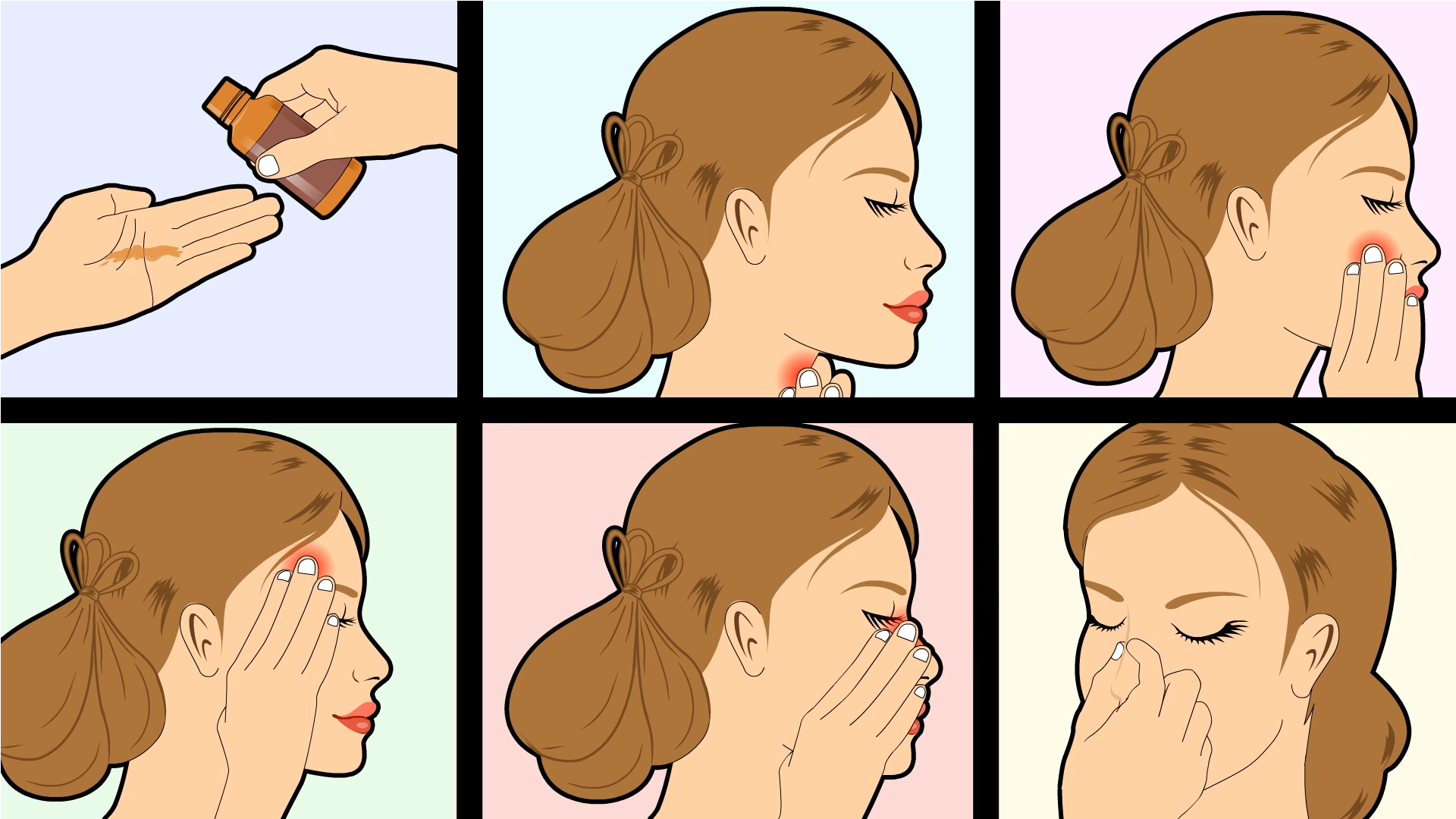
A facial massage is one of the rare beauty rituals that requires almost no equipment, takes only a few minutes, and feels good even when your bathroom lighting is doing you absolutely no favors. With clean hands, a little moisturizer or facial oil, and the right amount of pressure, you can turn an ordinary skin-care routine into a calming at-home treatment.
Facial massage may temporarily reduce puffiness, encourage circulation, relax tense facial muscles, and help skin-care products spread more evenly. Small studies have also found short-term increases in facial skin blood flow after massage. However, research remains limited, so it is best to think of facial massage as a relaxation and skin-care techniquenot a permanent face-lift performed by your own thumbs.
This guide covers three practical methods: a simple fingertip massage, a light lymphatic drainage routine, and a tension-relieving massage using your knuckles or a facial tool. Each method has a different purpose, but all three follow the same golden rule: your face is not bread dough. Be gentle.
What Can a Facial Massage Actually Do?
Facial massage works by gently moving the skin and the soft tissues beneath it. Depending on the technique, it may stimulate local blood flow, encourage the movement of accumulated fluid, or help tight muscles around the jaw, brow, and temples relax. Massage can also make applying moisturizer feel more deliberate and evenly distribute the product across the skin.
Realistic benefits may include:
- Temporary reduction in morning puffiness
- A relaxed feeling around the jaw, forehead, and temples
- A short-term increase in facial skin circulation
- More even application of moisturizer, serum, or facial oil
- A calming ritual that may help reduce everyday tension
- A temporarily refreshed or glowing appearance
What facial massage probably will not do is permanently reshape your bones, erase deep wrinkles, melt facial fat, or “detox” your entire body before breakfast. Lymphatic massage may reduce swelling and create a temporarily less puffy appearance, but it does not directly produce weight loss. Evidence supporting permanent lifting or anti-aging effects is still preliminary and often comes from small studies.
Before You Begin: Prepare Your Skin and Hands
Wash your hands and start with a clean face. Use a mild cleanser and lukewarm water rather than aggressively scrubbing your skin. Dermatology guidance consistently favors gentle cleansing because excessive rubbing, hot water, and harsh products can irritate the skin barrier.
Next, apply enough moisturizer, facial oil, cleansing balm, or hydrating serum to create slip. Your fingers should glide instead of dragging. People with acne-prone skin may prefer a lightweight, noncomedogenic moisturizer, while dry skin may tolerate a richer cream or a few drops of facial oil.
Remove rings, trim sharp nails, and tie back your hair. Sit or stand comfortably with your shoulders relaxed. Three to ten minutes is plenty for most at-home routines. Longer is not automatically better, especially if your skin begins turning red, warm, or irritated.
Way 1: The Everyday Fingertip Facial Massage
This is the easiest facial massage for beginners. It fits naturally into an evening skin-care routine and requires nothing more complicated than your fingertips. The goal is to relax the face and distribute your moisturizernot to stretch the skin as though you are trying to pull it into next Tuesday.
Step 1: Warm the product
Place a small amount of moisturizer or facial oil between your palms. Rub your hands together for several seconds, then press them gently over your cheeks, forehead, and chin. Pressing first helps distribute the product before you begin moving your fingers.
Step 2: Massage the forehead
Place the pads of your index, middle, and ring fingers between your eyebrows. Glide upward toward the hairline, then move outward across the forehead toward the temples. Repeat five to eight times using slow, comfortable strokes.
Next, use tiny circular motions over the temples. Keep the pressure moderate and avoid pressing so hard that your skin bunches dramatically. If your eyebrows are attempting to relocate, you are using too much force.
Step 3: Work across the cheeks
Position your fingertips beside the nose and sweep outward across the cheeks toward the ears. Use broad, smooth movements. Repeat at three levels: alongside the nose, across the middle of the cheeks, and along the area just above the jaw.
Always add more moisturizer or oil if your fingers begin skipping. Repeatedly dragging dry skin can create irritation, particularly for people using retinoids, exfoliating acids, or acne treatments.
Step 4: Massage the jawline
Place your index and middle fingers around the jawbone so that one finger rests above it and the other rests below it. Glide from the center of the chin toward the earlobe. Repeat five to ten times on each side.
You may use slightly firmer pressure over the jaw muscles than around the eyes, but the movement should still feel comfortable. Massage is sometimes recommended as one part of a relaxation routine for people who clench their jaws, although recurring jaw pain, clicking, headaches, or difficulty opening the mouth should be evaluated by a dentist or health professional.
Step 5: Finish at the neck
Use your palms to make gentle downward strokes along the sides of your neck. Avoid forceful pressure over the front of the throat. Finish by resting your hands over your face and taking three slow breaths.
This complete fingertip routine takes approximately three to five minutes. It is ideal when your main goals are relaxation, product application, and a little end-of-day ceremony that says, “I survived my inbox.”
Way 2: A Gentle Facial Lymphatic Drainage Massage
Lymph is a clear fluid that travels through a network of vessels and lymph nodes. Unlike blood circulation, the lymphatic system does not have a central pump like the heart. Muscle movement, breathing, and very gentle manual techniques can help lymphatic fluid move through its normal pathways. Professional manual lymphatic drainage is a specialized treatment, but a simplified cosmetic self-massage may temporarily help with mild facial puffiness.
This method uses featherlight pressure. Lymphatic vessels sit close to the skin’s surface, so pushing harder does not make the routine more effective. Imagine moving the skin rather than kneading the muscles.
Step 1: Begin near the collarbones
Place two or three fingertips just above your collarbones. Make five to ten gentle pumping or circular movements. This area is commonly addressed first in lymphatic routines because fluid from the face and neck ultimately moves toward lymphatic pathways in the lower neck and upper chest.
Step 2: Prepare the sides of the neck
Place your fingers below each ear and glide gently down the sides of your neck toward the collarbones. Repeat five times. Keep the front of the throat free from direct pressure.
Step 3: Move from the chin toward the ears
Starting at the center of the chin, lightly sweep along the jawline toward the area in front of the ears. After each sweep, continue down the side of the neck toward the collarbone. Repeat five to seven times on each side.
Step 4: Drain the cheeks
Place your fingers beside the corners of your mouth and sweep outward toward the ears. Move slightly higher and repeat from the sides of the nose across the cheekbones. Follow every facial sweep with a downward neck stroke.
Step 5: Be especially gentle under the eyes
Using your ring fingers, begin near the inner corners beneath the eyes. Glide lightly along the orbital bone toward the temples. Do not massage the eyeballs or pull the delicate skin directly beneath them. One or two light passes may be enough.
Step 6: Finish with the forehead
Sweep from the center of the forehead toward the temples. Then travel down in front of the ears, along the neck, and toward the collarbones. Complete the sequence with several slow breaths.
Facial lymphatic massage may be useful after sleeping, eating a salty meal, crying through an emotionally ambitious movie, or waking with mild temporary puffiness. It should not be used as a substitute for medical evaluation when swelling is persistent, painful, one-sided, sudden, or accompanied by fever, breathing trouble, dental pain, or vision changes.
Way 3: A Tension-Relieving Massage With Knuckles or a Tool
The third method focuses on common tension zones: the jaw, temples, eyebrows, and forehead. You can use clean knuckles, a smooth facial roller, or a gua sha tool. Facial tools are optional; your hands already arrived with the basic subscription.
Research involving facial rollers has found that several minutes of use can temporarily increase skin blood flow. Gua sha may also increase local microcirculation, but cosmetic studies are limited, and the dramatic lifting claims seen online usually run several miles ahead of the evidence.
Using your knuckles
Apply moisturizer or oil. Make loose fists and place the flat surfaces of your knuckles beneath the cheekbones. Slowly glide outward toward the ears. Repeat three to five times without digging into the tissue.
Next, position your knuckles over the jaw muscles, located between the corners of the mouth and the ears. Open your mouth slightly and make small circles for 20 to 30 seconds on each side. The sensation can feel pleasantly intense, but sharp or electric pain is a signal to stop.
Finish by placing one knuckle above each eyebrow and slowly gliding outward. Do not press directly into the eye socket.
Using a facial roller
Begin at the center of the face and roll outward. Work from the chin to the ear, from the side of the nose to the temple, and from the eyebrow toward the hairline. Lift the roller after each stroke instead of rapidly rolling back and forth.
A chilled roller may feel soothing and can temporarily make puffiness less noticeable. However, extremely cold tools should not be held against the skin for long periods, and ice should never be placed directly on sensitive facial skin.
Using a gua sha tool
Apply enough facial oil to prevent friction. Hold the tool almost flat against your face rather than perpendicular to it. Starting at the chin, glide the smooth edge along the jaw toward the ear. Continue across the cheeks and forehead with slow outward strokes.
Facial gua sha should use light pressure. Aggressive scraping that leaves dark marks, bruises, or lasting redness is neither necessary nor desirable. Clinical guidance describes facial gua sha as a gentle technique, even though stronger pressure may sometimes be used by professionals on larger muscles elsewhere on the body.
Clean reusable tools after every session according to the manufacturer’s instructions. Do not share them, particularly when anyone has acne, cold sores, irritated skin, or an infection.
How Often Should You Massage Your Face?
A gentle fingertip massage can be done several times per week or briefly during daily moisturizer application if your skin tolerates it. A longer lymphatic or tool-assisted routine may be performed two to four times per week. There is no universal schedule supported by strong clinical evidence, so your skin’s response matters more than an impressive-looking calendar.
Start with three minutes and observe your skin afterward. If you experience burning, prolonged redness, itching, tenderness, or new breakouts, reduce the frequency, change the product used for slip, or stop the technique.
Common Facial Massage Mistakes
Using too much pressure
Facial massage should not hurt. Heavy pressure is particularly inappropriate around the eyes and during lymphatic drainage. Sinus massage guidance also emphasizes using a light touch because excessive pressure on inflamed facial areas may worsen discomfort or cause dizziness.
Massaging dry skin
Without enough slip, fingers and tools can tug at the surface. Apply additional moisturizer, balm, or oil whenever your movements stop gliding smoothly.
Expecting permanent sculpting
A less puffy face can temporarily look more defined, but massage does not permanently remove fat or remodel facial bones. Before-and-after photographs can also be influenced by lighting, camera position, facial expression, hydration, and how much salt was hiding in last night’s takeout.
Massaging irritated or damaged skin
Skip facial massage over sunburn, open wounds, cold sores, fresh scars, painful cystic acne, active infection, or a severe dermatitis flare. People with rosacea should be especially cautious because rubbing and excessive touching can worsen redness and irritation.
Ignoring professional aftercare
After injections, facial surgery, chemical peels, laser treatment, microneedling, or another cosmetic procedure, follow the exact aftercare instructions provided by your clinician. Do not introduce massage until the treating professional says it is appropriate.
A Realistic Two-Week Facial Massage Experience
The following sample experience reflects what a beginner might realistically observe during two weeks of gentle facial massage. It is not a promise of identical results, and it avoids the magical thinking that sometimes turns a perfectly pleasant massage into a supposed replacement for dermatology, dentistry, sleep, water, sunscreen, and genetics.
Days 1–3: Learning not to attack the face
The first surprise is usually how little pressure is needed. Many beginners instinctively press hard, especially along the jaw. After switching to slower, lighter strokes, the massage begins to feel more relaxing and less like an argument with the cheekbones. The easiest routine is the fingertip method performed while applying evening moisturizer. It adds only three or four minutes and makes product application feel less rushed.
At this stage, visible changes are subtle. The skin may look slightly pink immediately afterward because of temporary circulation changes. The jaw and temples may feel more relaxed, particularly after a day spent squinting at screens or clenching during traffic.
Days 4–6: Noticing temporary de-puffing
The lymphatic routine is most noticeable in the morning. After several gentle passes from the center of the face toward the ears and down the neck, mild under-eye or cheek puffiness may appear less prominent. The effect is temporary, which becomes obvious by the following day. That is normal. Facial massage is managing a moment, not negotiating a lifetime contract with gravity.
A useful lesson during these days is that more product is not always better. Too much facial oil can leave hair, pillowcases, and possibly the household cat unnecessarily glossy. Two or three drops may provide enough slip for many skin types.
Days 7–9: Finding the tension zones
By the end of the first week, personal patterns become clearer. One side of the jaw may feel tighter, one temple may be more sensitive, or the muscles between the eyebrows may feel surprisingly tense. Slow knuckle circles over the jaw can feel satisfying, but pressing directly on painful joints or tender teeth does not.
This is also when beginners often become overenthusiastic. Adding a roller, gua sha tool, cold spoon, seven serums, and a 25-minute online routine may suddenly seem reasonable. Returning to one simple technique usually produces a more sustainable habit and less irritated skin.
Days 10–12: Improving technique rather than intensity
The strokes become smoother. Instead of dragging rapidly back and forth, the hands begin lifting and resetting after each outward pass. The under-eye area receives barely any pressure, while the jaw muscles tolerate slightly more. The massage starts to feel meditative because the movements are predictable and breathing naturally slows.
Skin may look refreshed directly afterward, but dramatic wrinkle reduction or permanent lifting is unlikely in such a short period. The most convincing benefit remains relaxation, followed by temporary de-puffing and the pleasant appearance of freshly moisturized skin.
Days 13–14: Building a routine worth keeping
After two weeks, the most practical schedule may be a two-minute fingertip massage on ordinary evenings, plus a five-minute lymphatic or tension-relieving routine two or three times per week. This approach is easy enough to maintain without turning skin care into a part-time job.
The lasting lesson is not that facial massage transforms someone into a different person. It is that a small, gentle ritual can create a pause between a busy day and bedtime. The face may look temporarily brighter and less puffy, but the deeper reward is often simply unclenching the jaw, lowering the shoulders, and spending several minutes without scrolling.
Conclusion
The best facial massage is gentle, comfortable, and realistic. Use the everyday fingertip method to apply moisturizer and relax your face, try light lymphatic strokes when temporary puffiness is the main concern, and use knuckles or a clean facial tool to work carefully around tense areas such as the jaw and temples.
Consistency matters more than pressure. A brief routine performed with clean hands and adequate slip is more useful than an aggressive session that leaves the skin irritated. Treat facial massage as supportive self-care rather than a medical treatment or permanent anti-aging solution.
Note: This article provides general educational and cosmetic skin-care information. Stop if massage causes pain or irritation. Persistent facial swelling, numbness, weakness, severe headaches, dental pain, vision changes, or unexplained one-sided symptoms should be evaluated by a qualified health professional.














