
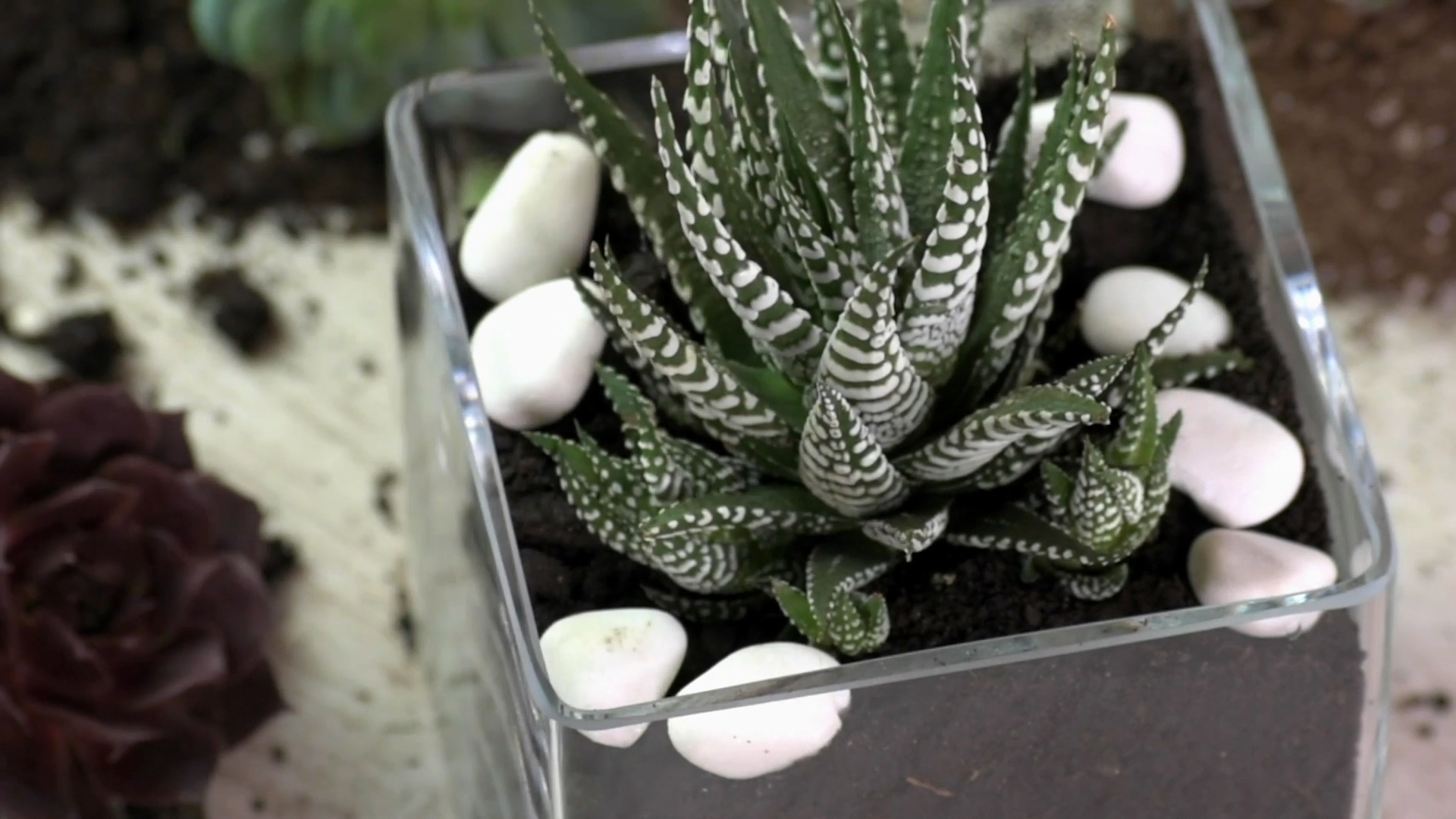
Terrariums are proof that you do not need a backyard, a greenhouse, or a suspiciously large collection of gardening tools to grow something beautiful. Give a plant a clear container, the right soil, and a little common sense, and suddenly your coffee table looks like it graduated from design school. That is the charm of a terrarium: part miniature garden, part home decor, part science experiment that is far less alarming than the ones from middle school.
The best part is that there is not just one way to make a terrarium. In fact, the biggest mistake beginners make is assuming every terrarium works the same way. It does not. A closed terrarium behaves like a tiny tropical greenhouse. An open terrarium is better for plants that hate soggy roots and want more airflow. A moss terrarium is its own little woodland mood, perfect if you like greenery that feels peaceful, soft, and slightly enchanted.
In this guide, you will learn three practical ways to make a terrarium that actually lasts: a closed tropical terrarium, an open succulent terrarium, and a moss terrarium. Along the way, you will also learn how to choose the right container, build the layers, avoid common mistakes, and keep your mini landscape looking less like a thriving ecosystem and more like a jar of regret.
Before You Start: The Basic Rules of a Good Terrarium
No matter which style you choose, a strong terrarium starts with the same core ideas. First, use a clear container so light can reach the plants. Second, match the container to the plant’s needs. Closed containers hold humidity, so they suit tropical plants that enjoy moisture. Open containers allow more airflow and dry out faster, which is better for succulents, cacti, and other dry-loving plants. Third, choose plants with similar care needs. A moisture-loving fern and a desert cactus should not be roommates. They will not work it out.
Most terrariums also benefit from a layered base. Because glass containers usually do not have drainage holes, excess water needs somewhere to go. A bottom layer of gravel, pebbles, or perlite creates a space for extra moisture. A thin layer of activated charcoal is often added to help manage odor and keep the setup fresher over time. Then comes the soil. The exact potting mix depends on what you are planting: tropical plants like a light, moisture-retentive mix, while succulents want fast-draining soil with grit.
One more rule matters more than all the cute stones and miniature mushrooms combined: light. Most terrariums do best in bright, indirect light. Too little light causes stretching, dull color, and weak growth. Too much direct sun can turn a glass container into a tiny solar oven. Your terrarium should feel like it is living in a bright room, not participating in survival television.
Way #1: Make a Closed Tropical Terrarium
Who this terrarium is for
A closed tropical terrarium is the classic version most people picture first. It is ideal for humidity-loving plants that stay fairly small and enjoy warm, moist conditions. Think fittonia, small ferns, selaginella, peperomia, and some mosses. If you want a lush little jungle in a jar, this is the one.
What you need
- A clear container with a lid or cork
- Small pebbles, gravel, or perlite
- Activated charcoal
- A thin barrier layer such as sheet moss or mesh, optional but helpful
- Light potting mix for tropical plants
- Small humidity-loving plants
- Long tweezers, spoon, or chopsticks for arranging
- Decorative stones, bark, or wood, optional
How to build it
Start with a clean, dry container. Add about 1 to 2 inches of pebbles or gravel at the bottom. This creates a reservoir where excess water can collect instead of sitting around the roots and causing rot. Sprinkle a thin layer of activated charcoal over the drainage layer. If you have sheet moss or a fine screen, place it on top so the soil stays separate from the gravel layer. This helps keep the design tidy and the roots where they belong.
Next, add enough potting mix to anchor the roots, usually 1 to 3 inches depending on the size of the container and the plants. Before planting, arrange the plants outside the terrarium so you can decide what looks balanced. Put the tallest plant slightly off-center or toward the back, then tuck smaller plants around it. Terrariums almost always look better with some asymmetry. Nature is not usually arranged like a row of identical cupcakes.
Gently remove excess soil from each plant’s root ball so it fits the space more easily. Make small holes, set the plants in place, and firm the soil around them. Add moss, stones, bark, or a small branch if you want texture. Water lightly. Very lightly. A terrarium is not a kiddie pool.
Once finished, close the lid and place the terrarium in bright, indirect light. Over the next several days, watch the glass. A little condensation is normal, especially in the morning. Heavy fogging that never clears means the setup is too wet. Leave the lid open for a few hours to let moisture escape, then close it again.
How to care for it
A closed terrarium usually needs less watering than beginners expect. In many cases, it may go months between waterings, depending on the plants, light, and how well sealed the container is. The easiest clues are visual: if the glass has no light condensation for long stretches and the soil looks dry, it may need a little water. If the glass is constantly fogged and the soil looks soggy, it needs less.
Trim plants as needed so they do not press against the glass forever. Remove yellow or dead leaves quickly. Rotate the container once in a while so growth stays even. If one plant begins acting like it owns the place, prune it or replace it. A terrarium is a community, not a dictatorship.
Way #2: Make an Open Succulent Terrarium
Who this terrarium is for
An open terrarium is best for plants that want more air circulation and drier conditions. This makes it a smart choice for succulents, small cacti, and some air plants. Unlike closed tropical setups, these plants do not want trapped humidity. Give them a lid and they will respond with mush, rot, and general disappointment.
What you need
- An open glass bowl, dish, or geometric terrarium
- Gravel or coarse pebbles
- Activated charcoal, optional
- Fast-draining cactus or succulent mix
- Extra grit or coarse sand, optional
- Small succulents or cacti with similar light needs
- Decorative stone, driftwood, or shells, optional
How to build it
Start the same way with a clean container and a shallow drainage layer. Add your gritty succulent mix next. For extra drainage, you can blend in a little coarse sand or grit. The goal is not rich, moisture-holding soil; it is a lean, airy mix that dries fairly quickly.
Choose plants that stay compact and share the same general care needs. A few small echeverias, haworthias, or similarly sized succulents can look fantastic together. Space them a little farther apart than you would in a tropical terrarium. Open designs look better when each plant has room to show off its shape.
Plant them at the same depth they were growing in their nursery pots. Top-dress with small stones or gravel if you like. This finishes the look, helps keep leaves off damp soil, and makes the whole thing feel more intentional. Suddenly it is not just “a bowl of plants.” It is “a curated desert vignette.”
How to care for it
Place the terrarium in the brightest spot you have, often near a sunny window. Succulents generally need more light than tropical terrarium plants. Water sparingly. One deep watering after planting is fine, but after that, let the mix dry well before watering again. In many homes, once every few weeks to once a month may be enough, depending on light, temperature, and container depth.
The biggest danger here is overwatering. Because the container has no drainage hole, even open terrariums can stay wet longer than you think. If you are unsure whether to water, wait another day or two. Succulents are much more forgiving of slight dryness than constant dampness.
Also, skip the lid. A succulent terrarium with a closed top is basically sending a cactus to a steam room and hoping for the best.
Way #3: Make a Moss Terrarium
Who this terrarium is for
A moss terrarium is perfect if you want a softer, calmer look. It works beautifully in a jar, bowl, ornament, bottle, or shallow glass dish. It is also great for people who like terrariums for their atmosphere as much as their horticulture. Moss has a quiet kind of magic. It makes everything look like it belongs in a fairy tale, but in a tasteful, adult way.
What you need
- A clear glass container, open or lightly closed
- Small gravel or crushed stone
- Activated charcoal
- A small amount of soil
- Live moss
- Stones, twigs, bark, or miniature accents, optional
- A spray bottle
How to build it
Begin with about an inch of gravel or fine stone. Add a light sprinkle of charcoal, then a shallow layer of soil. You do not need a lot because moss does not require deep rooting space. Press the moss gently onto the soil surface. If you have different moss textures, combine them for a more natural look. Add pebbles, a twig, or a small piece of bark to create a woodland scene.
Mist the moss lightly so it settles in, then place the terrarium in bright, indirect light. If your container has a lid, keep it only lightly closed or open it occasionally for airflow. Moss likes moisture, but stale, swampy air is not the goal. Think “forest floor after a soft rain,” not “forgotten sponge behind the sink.”
How to care for it
Moss terrariums are simple, but they do need attention to moisture. The moss should feel slightly damp, not crunchy and not waterlogged. A spray bottle is your best friend here. Mist when the moss starts to dry, and avoid pouring in too much water at once.
Trim any browning sections, remove debris, and keep the glass clean so the whole arrangement still shines. Moss terrariums are especially good for desks, shelves, and gift projects because they are compact, attractive, and easy to personalize without becoming a maintenance circus.
How to Choose the Best Terrarium for Your Space
If your home gets bright indirect light and you love lush greenery, go with a closed tropical terrarium. If you have a sunnier windowsill and prefer a sculptural, modern look, choose an open succulent terrarium. If you want a small, soothing project that feels artistic and natural, make a moss terrarium.
You can also think about lifestyle. Closed terrariums are low-maintenance once balanced, but they require plant pairing and moisture control. Open succulent terrariums are easy if you are already comfortable under-watering. Moss terrariums are simple to assemble and fun to style, but they do best with regular light misting and a gentle eye for texture.
Common Terrarium Mistakes to Avoid
- Mixing the wrong plants: Tropical plants, succulents, and moss do not all want the same environment.
- Using too much water: This is the number one terrarium disaster. If in doubt, use less.
- Placing it in direct sun: Glass magnifies heat fast.
- Skipping pruning: Tiny plants do not always stay tiny.
- Choosing a container before choosing the plants: The prettier vessel is not always the right one.
- Overdecorating: A terrarium is still a garden, not a toy aisle explosion.
Conclusion
Making a terrarium is one of the easiest ways to bring gardening indoors without needing a big space or a complicated routine. The trick is understanding that different terrariums serve different plants. A closed terrarium creates a humid mini-ecosystem for tropicals. An open terrarium gives succulents and cacti the airflow they need. A moss terrarium offers a quiet, textured landscape that feels calm and creative.
Once you understand those differences, terrarium-making becomes much easier and much more fun. You stop guessing, start designing with purpose, and end up with something that looks polished instead of accidental. Whether you build a lush jungle jar, a sunny succulent scene, or a tiny mossy woodland, the result is the same: a small world you made with your own hands, sitting there in glass, looking far more expensive than it actually was.
Real-Life Terrarium Experiences: What Beginners Usually Notice
The first experience many people have with terrariums is surprise. Not at the planting part, because that feels straightforward enough, but at how different the finished piece feels from an ordinary potted plant. A terrarium has presence. It catches light. It reflects the room around it. It turns a windowsill, bookshelf, or desk corner into a little scene. Even people who claim they are “not plant people” tend to stop and stare at one for a second longer than they expect.
Another common experience is learning that terrariums reward observation more than effort. You do not usually spend a lot of time maintaining one, but you do notice things. A closed terrarium might develop a soft fog on the glass in the morning and clear by afternoon, which is oddly satisfying. A moss terrarium may look slightly dull one day and richly green again after a light misting. A succulent terrarium can go weeks without asking for much at all, then suddenly remind you that bright light really matters. These little shifts make the project feel interactive without being demanding.
People also tend to remember the building process itself. There is something calming about arranging pebbles, tucking in roots, brushing soil off the glass, and deciding where one small stone should go. It feels creative, but not in a high-pressure way. You do not need to be an artist. You do not need to be a master gardener. You just need enough patience to step back once or twice and say, “Maybe that fern looks better slightly to the left.” Terrarium-making has a nice way of slowing your brain down.
Then there is the learning curve, which is real but manageable. Most beginners overwater at least once. Many choose one plant that grows faster than expected and starts acting like it has expansion plans. Some discover that the cute closed jar they bought for a succulent was absolutely the wrong choice. But those mistakes are useful. Terrariums teach plant care in a very visible way. You start to connect cause and effect quickly: too much sun, too much moisture, not enough airflow, not enough pruning. Because the setup is small, the lessons feel easy to notice and easier to fix.
There is also a personal side to terrariums that people do not always expect. They make memorable gifts because they feel handmade without feeling flimsy. They are great conversation starters in offices and apartments because they look thoughtful and distinctive. They can even become seasonal rituals: a moss terrarium in spring, a tropical terrarium in summer, a succulent design for a bright winter windowsill. Over time, many people stop thinking of terrariums as a one-time craft and start seeing them as a flexible, repeatable hobby.
In the end, the experience of making a terrarium is less about perfection and more about paying attention. You build a small landscape, live with it, learn from it, and notice how it changes. That is probably why terrariums remain so appealing. They are decorative, yes, but they are also a gentle reminder that growing things can fit into everyday life, even on the smallest scale.













