
Rubber boots are supposed to make muddy jobs, rainy walks, and questionable puddle decisions more comfortable. But when a pair fwaterproof wonders can turn into foot-shaped grump machines.
The good news is that you may be able to gain a little breathing room. The less-good news is that rubber boots are not leather boots. Leather can often be stretched dramatically with moisture, heat, and a shoe stretcher. Rubber is more like that friend who agrees to “go with the flow” but only within very specific boundaries. It can flex and relax slightly, especially around the shaft and lining, but it does not safely expand by an entire size.
This guide explains three safe ways to stretch rubber boots or make them feel roomier without wrecking their waterproof protection. You will also learn which popular “hacks” are more likely to create a sad, warped boot than a comfortable one.
Before You Stretch Rubber Boots, Identify the Tight Spot
“My rubber boots are too tight” can mean several different things. The fix for a narrow toe area is not the same as the fix for a tight calf shaft. Before you start stretching anything, wear the boots indoors for five to ten minutes with the socks you normally use. Walk on a clean floor, climb a few stairs, bend your knees, and notice where the pressure shows up.
- Toe box pressure: Your toes feel squished, bumped, or unable to wiggle.
- Instep pressure: The top of your foot feels compressed when you step forward.
- Calf tightness: The boot shaft pinches or leaves deep marks around your leg.
- Heel friction: Your heel rubs, slips, or creates hot spots while walking.
- Liner crowding: Thick insulation or a bulky insole is stealing valuable interior space.
A roomy toe box matters more than people sometimes realize. Orthopedic and podiatric guidance consistently emphasizes that footwear should allow toes to lie naturally and move without being cramped. Narrow toe areas can increase discomfort and pressure at the front of the foot. so, check whether your boots are made from plain rubber, neoprene-and-rubber, PVC, EVA foam, or a mixed material. A neoprene shaft may give more than a solid molded rubber shaft. A safety boot with a steel or composite toe cap will not become meaningfully wider at the toe, because the protective cap is designed to keep its shape. Trying to stretch that area is like trying to negotiate with a mailbox.
1. Stretch Rubber Boots Gradually With Thick Socks and Short Wear Sessions
The safest first method is gradual wear. It sounds almost too simple, which is probably why people skip it and immediately start eyeing the hair dryer. Resist the urge. A controlled break-in period lets the lining compress slightly, helps flexible areas settle around your foot, and may create a modest amount of extra room where the rubber naturally bends.
What You Need
- One or two pairs of thick socks
- Clean, dry rubber boots
- A safe indoor walking space
- Patience, the least glamorous but most useful boot accessory
How to Do It
- Put on one pair of thick socks. Add a second pair only if you can still get your foot into the boot without yanking, twisting, or swearing creatively.
- Wear the boots indoors for 10 to 15 minutes.
- Walk normally, flex your ankles, squat gently, and take a few slow stair steps.
- Remove the boots and let them rest at room temperature.
- Repeat once daily for several days, increasing the wear time gradually to 20 or 30 minutes if the fit improves.
This approach works best for snugness around the upper foot, ankle, and calf. It is less effective for a severely narrow toe box or a boot that is clearly too short. Your feet should never feel numb, tingly, cold, or sharply painful. Discomfort is a useful messenger; do not silence it by doubling down on socks and pretending you are training for an Antarctic expedition.
Boot fit also changes with sock thickness. Retail fit guidance commonly notes that socks can noticeably affect how a boot feels, and people between sizes or needing more width may benefit from sizing up rather than forcing a tight fit. hy This Method Is Safer Than Heat
Moderate body warmth and movement are gentler than external heat. Many rubber-boot manufacturers warn that high heat can cause shrinking, warping, cracking, crazing, or damage to waterproof performance. That means no oven, no radiator, no fireplace ledge, no clothes dryer, and no “just 30 seconds” with an industrial heat gun. . Use a Boot Stretcher or Calf Expander for Mild, Targeted Stretching
A mechanical stretcher can help when one specific area feels tight, especially the calf shaft or a flexible section near the ankle. The key word is mild. Rubber boots should be stretched slowly and conservatively. You are encouraging a little relaxation in the material and lining, not attempting to turn a women’s size 7 into a men’s size 11 through sheer optimism.
Choose the Right Stretching Tool
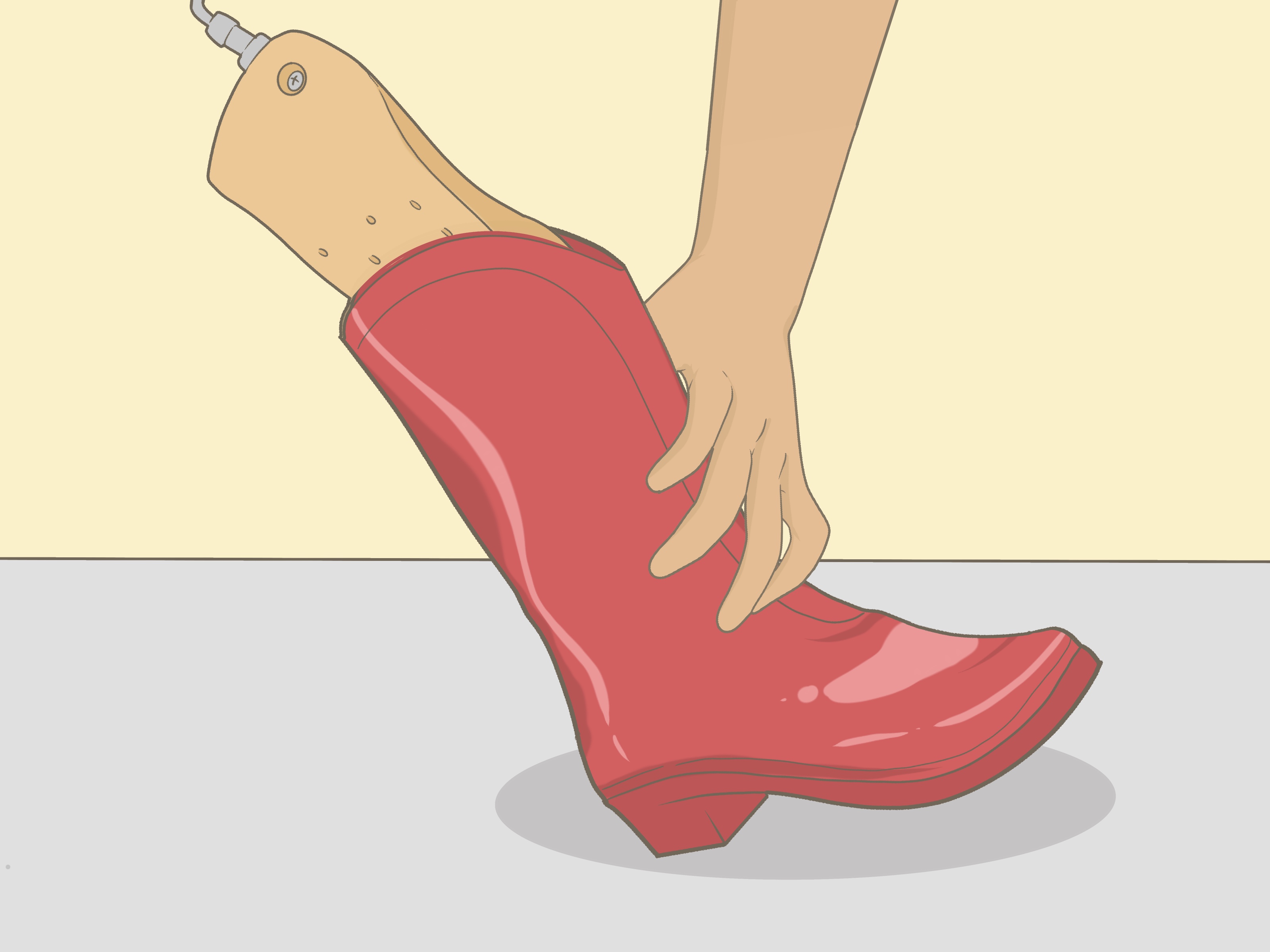
For tall rain boots, gardening boots, or field boots, use a boot-calf stretcher or adjustable shaft expander. For a tight forefoot area in a flexible boot, a ball-and-ring shoe stretcher may help create a small amount of relief in one spot. Orthopedic guidance recognizes shoe stretchers as a possible option for localized tightness in conventional footwear, but rubber requires extra caution because it cannot respond like leather. ow to Stretch the Boot Shaft
- Clean and dry the boots completely.
- Insert the stretcher into the tight section of the shaft.
- Expand the tool only until you feel gentle resistance. Do not crank it until the rubber looks pale, shiny, or stressed.
- Leave it in place for four to eight hours at a moderate indoor temperature.
- Remove the stretcher and test the boot with your usual socks.
- Repeat only if necessary, adding a very small amount of tension each time.
If your boots have a soft neoprene upper, this method may work particularly well around the calf. Some rubber-and-neoprene boot designs are intentionally built with stretch-fit top lines or flexible uppers that conform more readily to the wearer’s leg. o Not Overstretch the Toe Area
A molded rubber toe box has limits. If the front of the boot presses against your toenails or bends your toes, a stretcher may offer only tiny relief. It will not reliably create enough length for a short boot, and it should never be used aggressively on safety-toe boots. A wider, longer, or differently shaped boot is usually the sensible answer.
As a general comfort rule, your toes should have room to move. A square or rounded toe shape generally gives more room than a narrow, pointed design, while a wide toe box can reduce crowding. . Make Rubber Boots Feel Roomier by Adjusting the Liner, Insole, and Calf Setup
Sometimes the smartest way to “stretch” rubber boots is not to stretch the rubber at all. Instead, reclaim space inside the boot. This method is especially useful for insulated rain boots, hunting boots, work boots, and winter rubber boots with thick liners that take up more room than expected.
Remove or Replace a Bulky Insole
Many rubber boots include a removable insole. Take it out and try the boots again. If they suddenly feel comfortable, the shell may not be the problem. Replace the thick factory insole with a thinner moisture-wicking insole, or use a low-profile support insert if you need cushioning.
Do not remove an insole permanently if doing so leaves your heel unstable or reduces support. The goal is comfort, not turning your boots into slippery rubber buckets. If you need additional arch support, look for a slim orthotic designed for work or rain boots rather than stacking multiple inserts like a mattress sale.
Switch to Thinner Socks for Everyday Wear
Heavy wool socks are excellent for cold-weather boots, but they can make a marginal fit unbearable. Try a thinner moisture-wicking sock for mild weather or indoor work. Save the thick socks for cold days, then choose a half-size larger or a wide-fit boot for winter use.
Properly fitted footwear and moisture-managing socks can also help reduce friction and blister risk. Blisters are often less about toughness and more about repeated rubbing, trapped moisture, and a boot that refuses to cooperate with your heel. se a Boot Band, Adjustable Topper, or Wider-Shaft Style
If the problem is a tight calf, look for an adjustable boot band, a boot topper, or a model with a gusseted shaft. Some boots are designed with wider fits or stretch panels specifically to accommodate fuller calves, long days on your feet, or extra layers of clothing. That option is often safer than trying to stretch solid rubber until it resembles a science experiment.
When shopping for replacements, check the shaft circumference, calf opening, width option, lining thickness, and whether the brand recommends sizing up for half sizes. Several rubber-boot makers advise going up to the next whole size when half sizes are unavailable, while some offer wider models for people who need more room. hat Not to Do When Stretching Rubber Boots
Rubber boots are durable, but they are not invincible. Avoid shortcuts that can compromise their structure, comfort, or waterproof seal.
- Do not bake the boots in an oven. High heat can warp the shell, weaken adhesives, and create irreversible damage.
- Do not soak them in boiling water. Lukewarm water is commonly recommended for cleaning, but hot water is a different story entirely.
- Do not use a hair dryer on high heat. Concentrated heat can create uneven softening, shrinkage, or cracking.
- Do not leave boots beside a radiator or fireplace. Rubber-care guidance repeatedly recommends air-drying away from artificial heat and direct sunlight.
- Do not cut the shaft unless you accept the consequences. Cutting may destroy waterproofing, weaken the boot, and create an edge that rubs your leg.
- Do not rely on leather stretching sprays. Products designed for leather may not help rubber and could leave residue or affect the finish.
- Do not keep wearing painful boots. Tight footwear can contribute to blisters, pressure points, nail problems, and forefoot discomfort.
Proper care helps rubber stay flexible longer. Clean boots with water or mild soap when needed, let them air-dry naturally, and store them in a cool, dry place away from sunlight and heat. Manufacturers specifically warn that heat and harsh storage conditions can damage rubber and reduce a boot’s useful life. ow to Tell Whether You Need a Different Size Instead
A little stretching can solve a little problem. It cannot solve a major sizing mismatch. Consider returning or replacing your rubber boots if any of these apply:
- Your toes touch the front when standing or walking downhill.
- Your foot becomes numb, tingly, pale, or unusually cold.
- The boot pinches hard across the widest part of your foot.
- You cannot wear the socks needed for the weather.
- Your heel lifts excessively even after adjusting the insole.
- The shaft leaves painful marks or restricts circulation.
- You have diabetes, neuropathy, circulation concerns, severe foot pain, or recurring skin breakdown.
For ongoing foot pain, persistent numbness, repeated blisters, or a sudden change in how shoes fit, speak with a qualified healthcare professional or podiatrist. A boot problem can sometimes be a footwear problem, but it can also reveal swelling, a structural foot change, or another issue worth checking. eal-World Experiences: What People Learn After Trying to Stretch Rubber Boots
People often discover that the first fitting mistake happens before the boots even leave the store. Rubber boots are frequently purchased for a specific task: a rainy commute, gardening, fishing, farm work, dog walking, or a weekend camping trip. The buyer slips them on quickly, thinks, “Close enough,” and heads home. Then the first long day arrives, feet swell a little, socks get thicker, and suddenly the boots feel as welcoming as two narrow flowerpots.
A common experience involves the person who buys insulated rubber boots in their usual sneaker size. Around the house, the boots feel fine. Outdoors in cold weather, they add thick wool socks and spend several hours walking or standing. By lunchtime, the toes are cramped and the instep is sore. The lesson is not that the boots are “bad.” It is that winter boot sizing needs to account for insulation, socks, and the fact that feet can expand during a long day.
Another frequent scenario happens with tall rain boots. The foot section fits beautifully, but the shaft grips the calf like it has been assigned a security job. In this case, a gradual shaft stretcher or a model with an adjustable gusset can make a meaningful difference. People who try to solve calf tightness by forcing the boot on harder usually end up exhausted, annoyed, and in possession of a boot that still does not fit. A little measured stretching is better than turning every morning into a wrestling match.
Some people are surprised to learn that the liner causes most of the trouble. A thick removable insole, plush faux-fur lining, or layered thermal sock can consume enough room to make a normally comfortable boot feel undersized. Removing the insole for a test walk can reveal the real issue quickly. When a thinner insole or sock makes the boot comfortable, there is no need to attack the rubber with heat, chemicals, or medieval-looking stretching devices.
There are also lessons from people who tried the dramatic internet methods. Boots placed near heaters may come back looking slightly distorted. Boots exposed to intense heat can feel softer for a moment, but the result may be uneven, permanently warped, or more likely to crack later. That kind of “success” is expensive, because it can turn a waterproof boot into a decorative object that leaks at the first puddle.
The best outcomes usually come from realistic expectations. A wearer gains a few millimeters of room around the shaft, breaks in a flexible upper through short sessions, or makes the interior feel better by changing an insole. The worst outcomes come from expecting rubber to transform into leather. Rubber boots can become more comfortable, but they cannot safely become a completely different size, shape, or category of footwear.
One final experience is nearly universal: a properly fitted pair of rubber boots makes you forget about your feet. You can walk through wet grass, rinse the patio, haul garden soil, or investigate a suspicious backyard puddle without thinking about toe pain, calf pressure, or heel rubbing. That is the standard to aim for. Comfortable boots should let you focus on the weather, the work, and the adventurenot on whether your left pinky toe is filing a formal complaint.
Final Thoughts
Stretching rubber boots is possible in a limited, careful way. Start with thick socks and short indoor wear sessions, use a gentle boot stretcher for a tight shaft or flexible area, and create extra interior space by adjusting insoles, liners, and socks. Keep heat out of the equation, because rubber boots are made for rainnot roasting.
When the boot is only a little snug, these methods may turn an awkward fit into a comfortable one. When the boot is clearly too short, too narrow, or painfully tight, the smartest solution is a different size or style. Your feet deserve dry boots, stable footing, and enough room to wiggle their toes without having to negotiate a peace treaty.













