
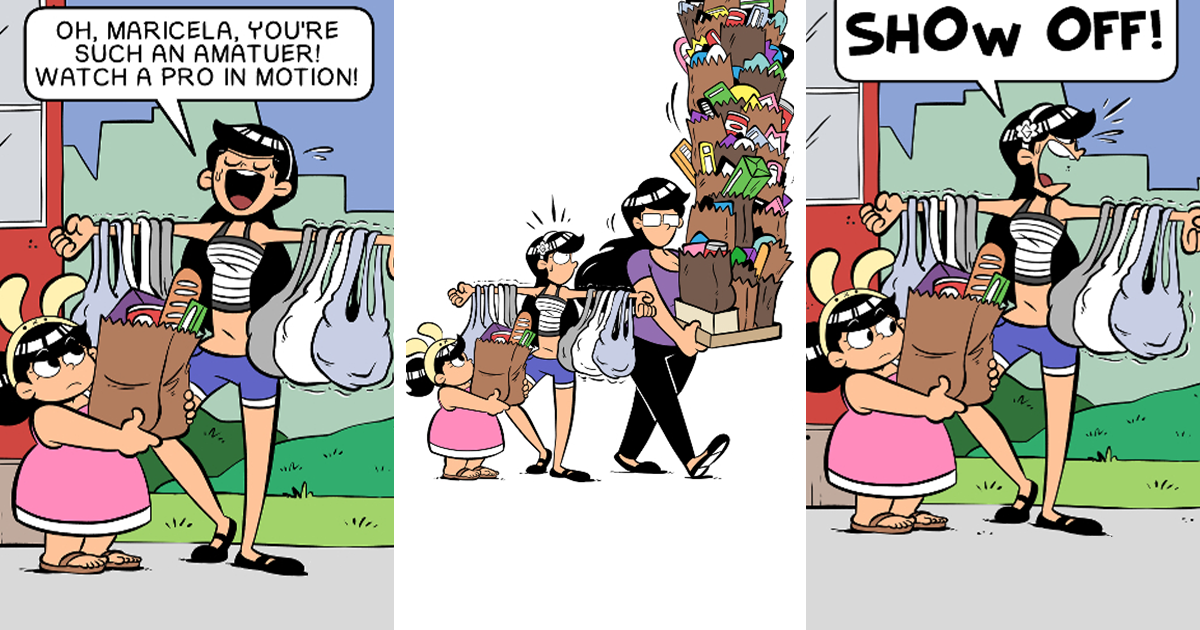
Sisterhood is a strange little universe. One minute, a sister is your emergency contact, life coach, emotional support goblin, and backup singer in the kitchen. The next minute, she is the person who “borrowed” your hoodie in 2014 and somehow still believes the case is closed. That mix of loyalty, rivalry, affection, chaos, and extremely specific grudges is exactly what makes Deon Parson’s comics feel so alive.
Known online as Supr Dee, Deon Parson has built a warm, expressive comic world through Rosebuds, a syndicated strip centered on three sisters: Rosa, Maria, and Maricela Gonzalez. Their daily lives are not built around superhero battles or galaxy-ending threats. Instead, the drama comes from homework, food, family expectations, teasing, dramatic misunderstandings, tiny acts of love, and the occasional sibling-level emotional explosion. In other words, the real stuff.
The title “30 Comics By Deon Parson That Show The Beauty And Madness Of Sisterhood” captures why readers keep coming back. These comics are funny because they exaggerate everyday life, but they are memorable because they understand something deeply true: sisters can be each other’s biggest problem and safest place at the same time.
Who Is Deon Parson, Also Known As Supr Dee?
Deon Parson is an Indiana-based cartoonist, illustrator, animator, educator, and public speaker who has been professionally creating comic strips and cartoons for years. Under the pen name Supr Dee, he has developed multiple comic projects, including Life With Kurami, Pen & Ink, and Rosebuds. His work is often praised for its expressive character acting, playful pacing, and ability to turn everyday moments into bright, readable comedy.
What makes Parson’s work especially appealing is the emotional clarity beneath the jokes. His characters do not simply deliver punchlines; they react, overreact, hide feelings, reveal feelings, and bounce off one another like real family members trapped in the same house with one bathroom and too many opinions. That is not just cartooning. That is sociology with better facial expressions.
What Is Rosebuds About?
Rosebuds follows the daily bonds and rivalries of Rosa, Maria, and Maricela Gonzalez. The comic explores sibling life from the inside: the teasing, the tenderness, the competition, the protection, and the odd little rituals that only make sense inside a family. These sisters are not presented as perfect role models. They are funny, moody, dramatic, clever, stubborn, sweet, and occasionally capable of turning a simple conversation into a full courtroom trial.
That imperfection is the magic. Parson understands that sisterhood is not a greeting-card quote printed in cursive over a sunset. It is more like a group chat with 47 unread messages, three emotional support snacks, and one person insisting she is “fine” while clearly preparing a speech. The result is a comic strip that feels both playful and honest.
Why These 30 Comics Connect With Readers
The popularity of Deon Parson’s sisterhood comics comes from their balance of humor and recognition. Readers see themselves in the Gonzalez sisters because the situations are familiar even when the punchlines are delightfully exaggerated. A strip may begin with a simple household moment and end with a dramatic declaration, a visual gag, or a sibling insult so precise it should probably require a permit.
1. The Comedy Comes From Real Family Energy
Many family comics rely on broad jokes: messy rooms, strict parents, annoying siblings. Parson goes further by giving the sisters distinct personalities and emotional rhythms. Rosa often carries a sense of responsibility and composure, though that composure can absolutely be tested. Maria brings big energy, imagination, and theatrical confidence. Maricela often adds sweetness, mischief, or unexpected emotional truth. Together, they create a believable triangle of sisterly chaos.
That is why the comics work even when the situation is small. A lunch, a homework assignment, a snowy day, a school moment, or a family errand becomes funny because the characters are already emotionally loaded. Sisters do not enter a room neutrally. They enter with history. Every sentence has a footnote.
2. The Art Style Makes Feelings Easy To Read
Parson’s style is clean, colorful, and highly expressive. The characters’ faces do a lot of heavy lifting, which is crucial in short-form comics. A raised eyebrow, a tiny glare, a wide-eyed panic, or a sudden smile can carry the emotional weight of an entire paragraph. This makes Rosebuds easy to understand at a glance, which is one reason the strip works well online and in newspaper-style formats.
The visual rhythm also helps the jokes land. Parson often builds a scene with simple staging, then lets the final panel twist the mood. That twist might be a punchline, a visual surprise, or a heartfelt reversal. The result is a comic that feels quick without feeling thin.
3. The Sisters Are Funny Because They Care
The best sibling humor is not cruel; it is intimate. The Gonzalez sisters tease each other because they know each other. They fight because they are close enough to get under each other’s skin. They comfort each other because, even after the drama, the bond remains. Parson’s comics understand that family love is often loud, inconvenient, and wearing bunny ears for reasons no one has fully explained.
This emotional balance keeps the strip from becoming just a series of jokes. A gag about teasing can suddenly reveal insecurity. A chaotic scene can turn soft. A dramatic complaint can become a reminder that the sisters are growing up together, learning from each other, and shaping each other’s worlds.
The Beauty Of Sisterhood In Deon Parson’s Comics
The beauty of sisterhood in Rosebuds is not polished or overly sentimental. It is found in the little things: checking on someone when she is upset, sharing a moment of imagination, defending each other, making ordinary errands feel like adventures, or offering comfort in a way that is awkward but sincere.
In many strips, the sisters’ affection appears through action rather than speeches. One sister might try to help another prepare for a challenge. Another might turn a dull chore into a shared adventure. A character may say the wrong thing while trying to comfort someone, but the attempt itself matters. This is one of Parson’s strongest storytelling instincts: he lets love be imperfect.
That makes the comic emotionally accessible. Real families rarely communicate like inspirational posters. They communicate through snacks, sarcasm, badly timed jokes, rides to appointments, borrowed clothes, and the silent agreement that nobody else is allowed to mess with your sibling except you.
The Madness Of Sisterhood: Why Chaos Is Part Of The Charm
Of course, beauty is only half the story. The other half is madness, and Rosebuds has plenty of it. Sisterhood in Parson’s comics can include dramatic teasing, strange ideas, over-the-top confidence, emotional spirals, and the kind of household logic that makes perfect sense only to the people living inside it.
This is where the strip shines as comedy. The sisters are not passive characters waiting for life to happen. They create situations. They escalate them. They misunderstand instructions. They turn small problems into theatrical productions. They deliver lines with the confidence of people who have never once considered the possibility that they are being ridiculous.
And that is exactly what makes them lovable. Madness, in these comics, is not a flaw in sisterhood. It is proof of closeness. When people grow up together, they develop a shared language of jokes, reactions, habits, and emotional shortcuts. Outsiders may call it chaos. Sisters call it Tuesday.
Why Rosebuds Feels Fresh In Modern Comics
Modern comic readers have endless options, from webcomics and social media strips to newspaper syndication and graphic novels. Rosebuds stands out because it blends classic comic-strip readability with a contemporary sense of character and culture. It feels friendly to longtime newspaper comic fans while still fitting naturally into the fast-scrolling world of online humor.
Another reason the strip feels fresh is its focus on three sisters as the emotional center. Instead of using sibling characters as sidekicks, Parson makes their relationship the main engine of the story. Their bond is not background decoration; it is the plot, the joke, the conflict, and the heart.
The comic also benefits from cultural texture. The Gonzalez family setting, occasional bilingual flavor, and everyday family details help the world feel specific rather than generic. Specificity matters in comedy. A joke becomes stronger when it feels rooted in a real household, not assembled from spare parts in the sitcom factory.
30 Comic Moments That Capture Sisterhood
While each Rosebuds strip stands on its own, the best sisterhood moments tend to fall into recognizable categories. Across a collection of 30 comics, readers can expect the full emotional buffet: sweetness, pettiness, confusion, loyalty, competition, and at least one moment where somebody probably should have taken a deep breath before speaking.
Shared Adventures
Some of the most charming comics show the sisters turning ordinary life into a mini-adventure. Grocery shopping, school routines, outdoor play, holidays, and chores become more entertaining when filtered through their personalities. The joke is not simply that something happens; it is that the sisters make it happen in their own spectacularly specific way.
Teasing And Rivalry
No honest comic about sisterhood can ignore teasing. Parson uses rivalry as comedy, but he rarely lets it become mean-spirited. A sarcastic comment or dramatic reaction usually reveals how well the sisters know each other. They can push buttons because they personally installed several of them.
Comfort And Protection
Several comics show the softer side of the relationship. A sister may try to encourage another, protect her from embarrassment, or offer help during a stressful moment. Even when the comfort is clumsy, it adds depth. The strip understands that caring for family is not always graceful. Sometimes it is messy, badly worded, and still exactly what someone needs.
Big Feelings In Small Situations
One of Parson’s funniest tools is emotional exaggeration. A small problem can receive a huge reaction, which is extremely accurate to childhood, sibling life, and honestly most adult group chats. The sisters’ big feelings make the strip visually energetic and emotionally relatable.
What Content Creators Can Learn From Deon Parson’s Sisterhood Comics
For writers, artists, bloggers, and social media creators, Rosebuds offers a useful lesson: relatable content works best when it is specific. “Sisters fight and love each other” is a broad idea. Rosa, Maria, and Maricela turning a small domestic moment into a bright, character-driven joke is storytelling.
Another lesson is consistency. Readers return to comic strips because they enjoy the characters, not just one joke. Parson gives the sisters recognizable emotional patterns, which makes each new strip feel like another visit with familiar people. That familiarity builds audience loyalty.
Finally, the strip shows the power of warmth. In a media environment that often rewards cynicism, Rosebuds proves there is still a strong appetite for humor with heart. The comics can be chaotic without being cold. They can be silly without being empty. That combination is harder to create than it looks.
Why Sisterhood Is Such A Powerful Comic Theme
Sisterhood is a perfect subject for comics because it naturally contains contrast. Sisters can be rivals and allies, critics and cheerleaders, chaos agents and caretakers. The relationship is emotionally rich, visually expressive, and instantly understandable to many readers. Even people without sisters often recognize the dynamic from cousins, friends, classmates, or chosen family.
Comics are especially good at capturing this because the form thrives on compression. A single panel can show annoyance, affection, and panic all at once. A short strip can move from conflict to punchline to tenderness in just a few beats. Deon Parson uses that compression beautifully, turning sisterhood into a series of quick, vivid emotional snapshots.
Reader Experience: Why These Comics Feel Personal
Reading these comics can feel like opening a drawer full of family memories. You may remember being the responsible sibling, the dramatic sibling, the protected sibling, or the one who caused 72 percent of household incidents while insisting you were “helping.” The Gonzalez sisters invite readers to laugh at the strange logic of growing up close to someone who knows your best qualities and your most embarrassing phases.
That personal connection is the reason a simple strip can linger. A joke about a sibling misunderstanding may remind readers of childhood arguments. A sweet panel may recall a sister who gave advice at exactly the right time. A chaotic gag may feel like every family holiday compressed into four panels and lightly shaken.
Experience Section: The Real-Life Feelings Behind “The Beauty And Madness Of Sisterhood”
Anyone who has lived around sisters, grown up with siblings, or watched close family members interact knows that sisterhood has its own weather system. It can be sunny at breakfast, stormy by lunch, and weirdly peaceful by dinner because someone made noodles. That emotional flexibility is part of what Deon Parson captures so well in Rosebuds. His comics feel funny because the situations are heightened, but they also feel familiar because family life often is heightened.
One of the strongest experiences connected to these comics is the feeling of being known too well. Sisters often remember everything: your childhood nickname, your worst haircut, your favorite snack, the song you secretly loved, the time you cried during a movie and claimed it was allergies. That knowledge can be dangerous in an argument, but it can also be comforting. A sister may tease you mercilessly, then notice before anyone else that you are having a bad day.
The comics also reflect how love in families is rarely neat. Sometimes affection looks like a hug. Sometimes it looks like sharing food. Sometimes it looks like yelling, “Move over,” and then sitting beside someone anyway. In real sisterhood, kindness often travels in disguise. It might arrive as advice nobody asked for, a joke delivered at the wrong volume, or a dramatic rescue from a problem that was not actually that serious. The madness is part of the love language.
Another relatable experience is the role each sibling plays. Many families have the responsible one, the dreamer, the performer, the peacekeeper, the instigator, or the tiny philosopher who says something alarming at dinner. Rosebuds works because Rosa, Maria, and Maricela feel like they occupy different emotional positions in the family. Their personalities clash, but those clashes create motion. Without friction, there is no spark. Without spark, there is no comedy.
There is also a deeper emotional truth in the way sisterhood changes over time. Childhood siblings may fight over toys, seats, snacks, attention, and imaginary rules. As they grow, those conflicts become memories. The arguments that once felt world-ending become stories told later with laughter. Deon Parson’s comics often sit in that sweet spot: they show childhood chaos while gently reminding adult readers how precious that chaos can become in hindsight.
For readers, these comics can feel like a small emotional reset. They invite us to laugh at the absurdity of family life without dismissing its importance. They remind us that closeness is not always quiet or elegant. Sometimes closeness is loud, competitive, ridiculous, and covered in crumbs. Sometimes it is a sister making your life harder in the morning and easier by night.
That is the beauty and madness of sisterhood: the same person who drives you bananas may also be the person who understands your silence. The same sibling who steals your fries may defend you like a courtroom attorney with nothing to lose. The same sister who creates the chaos may become the reason the chaos feels like home. In that sense, Deon Parson’s Rosebuds is not just a funny comic strip about three sisters. It is a bright, expressive tribute to the wild emotional architecture of family.
Conclusion
30 Comics By Deon Parson That Show The Beauty And Madness Of Sisterhood is more than a collection of funny sibling moments. It is a celebration of family bonds in all their noisy, sweet, dramatic, and ridiculous forms. Through Rosebuds, Deon Parson shows that sisterhood is not perfect because sisters are always kind, calm, or reasonable. Sisterhood is powerful because love survives the teasing, the misunderstandings, the dramatic reactions, and the everyday mess.
Rosa, Maria, and Maricela Gonzalez feel relatable because they live in the emotional middle ground where most families actually exist. They argue, laugh, compete, protect, perform, and care. They are beautiful and chaotic at once. And honestly, that is the most accurate family portrait a comic strip can offer.
Note: This article is written as original, publication-ready commentary based on real publicly available information about Deon “Supr Dee” Parson, Rosebuds, and the comic’s sisterhood themes. It does not include source links inside the HTML body, as requested.














