
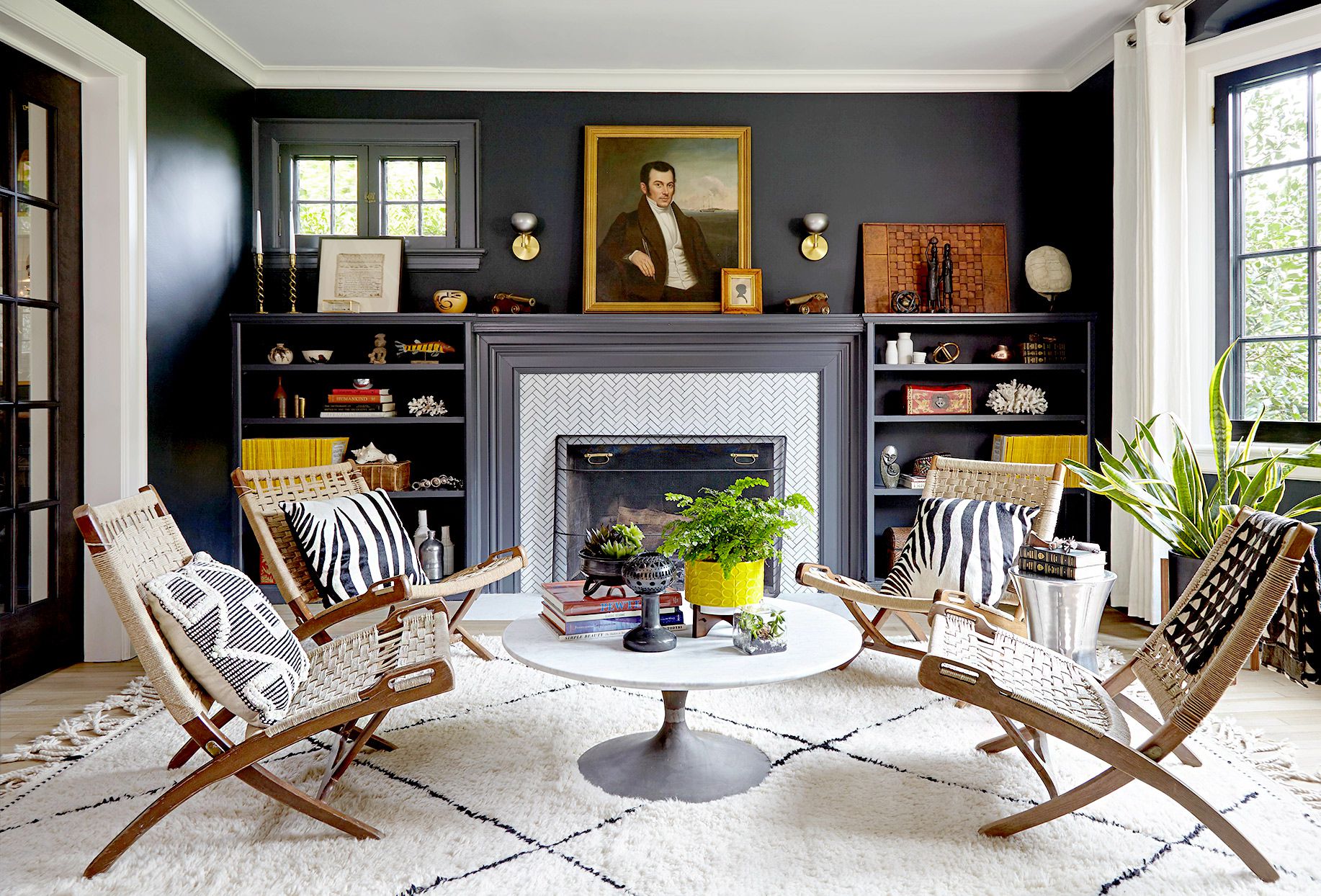
A fireplace has a funny way of becoming the emotional headquarters of a home. Even when it is not roaring with flames, it still says, “Come sit here, bring a blanket, and maybe pretend your inbox does not exist.” The best fireplace design ideas do more than heat a room. They create a focal point, balance the architecture, support your decorating style, and make everyday living feel a little more special.
Whether you have a wood-burning fireplace, a gas insert, an electric fireplace, or a nonworking hearth that simply wants to be fabulous, the right design can turn it into a year-round centerpiece. Think stone surrounds, painted brick, built-in bookcases, dramatic tile, modern slabs, rustic mantels, and cozy styling that works long after winter has packed up its scarves.
Below are 35 beautiful fireplace design ideas for cozy warmth all year long, from budget-friendly refreshes to full fireplace remodel inspiration. Some are dramatic, some are subtle, and a few are so charming they may convince you to rearrange the entire living room. Honestly, the sofa had it coming.
Why Fireplace Design Matters
A fireplace naturally attracts attention because it sits at the intersection of architecture and comfort. It can visually anchor a living room, bedroom, kitchen sitting area, den, or outdoor patio. But a dated fireplace can also make a space feel heavy, awkward, or stuck in a past decade that involved too much orange brick and too many questionable curtains.
The good news is that fireplace design is flexible. You can update a surround with paint, tile, stone veneer, plaster, wood trim, or a new mantel. You can add storage, frame it with artwork, style it seasonally, or make it sleek and minimal. The key is choosing a design that suits the room’s scale, your home’s style, and the way you actually live.
35 Beautiful Fireplace Design Ideas
1. Create a Floor-to-Ceiling Stone Fireplace
A floor-to-ceiling stone fireplace adds instant drama and gives the room a grounded, lodge-inspired feeling without requiring everyone to wear flannel. Choose stacked stone for rustic texture, limestone for a softer traditional look, or slate for a modern edge. This idea works beautifully in rooms with high ceilings because it draws the eye upward and makes the fireplace feel intentionally architectural.
2. Refresh Brick With Soft White Paint
Painting a brick fireplace white is one of the easiest ways to brighten a room while keeping texture intact. White brick pairs well with coastal, farmhouse, cottage, and transitional interiors. Use a warm white if your room has cream, beige, or wood tones, and a cooler white if your palette leans gray or black.
3. Try a Moody Painted Brick Fireplace
White is not the only paint color invited to the fireplace party. Charcoal, navy, forest green, espresso, and deep clay can make old brick look sophisticated and intentional. A dark painted fireplace is especially striking when paired with brass accents, pale walls, or a chunky wood mantel.
4. Install a Marble Surround
Marble brings timeless elegance to a fireplace, especially in formal living rooms, bedrooms, and classic townhome interiors. A white marble mantel feels refined, while black marble creates a more dramatic statement. For a modern look, consider a simple marble slab surround with minimal trim.
5. Use a Single Slab for Modern Luxury
A single slab of quartz, marble, porcelain, or stone-look material can turn a fireplace into a sleek feature wall. This approach works best when the rest of the room is clean and edited. Let the veining or texture do the talking, and keep the mantel styling simple so the fireplace does not have to compete for attention.
6. Add Built-In Bookcases Around the Fireplace
Built-in shelves on both sides of a fireplace create symmetry, storage, and a polished custom look. Use the shelves for books, baskets, ceramics, framed art, and small sculptural pieces. For a modern twist, paint the built-ins the same color as the walls. For a traditional effect, choose crisp white cabinetry with a stained wood mantel.
7. Frame the Fireplace With Shiplap
Shiplap can make a fireplace feel casual, cozy, and textured. Horizontal shiplap leans farmhouse or cottage, while vertical shiplap feels fresher and slightly more modern. For safety, always use materials and installation methods appropriate for your fireplace type and required clearances.
8. Go Minimal With a Plaster Fireplace
A plaster fireplace surround creates a smooth, sculptural look that feels warm without being busy. Venetian plaster, limewash-style finishes, or smooth concrete-inspired surfaces work well in minimalist, Mediterranean, organic modern, and desert-inspired interiors. The result is quiet luxury without shouting, “I read design blogs at 2 a.m.”
9. Choose Handmade Tile
Handmade tile gives a fireplace character through slight color variation, uneven edges, and glossy texture. Zellige-style tile, hand-painted terra cotta, and artisan ceramic tiles are especially beautiful around smaller fireplaces where every detail is visible. Keep surrounding decor simple so the tile remains the star.
10. Make It Graphic With Patterned Tile
Patterned tile can transform a plain fireplace into a bold focal point. Try black-and-white cement-style patterns for a classic look, geometric tile for a modern space, or floral motifs for a vintage-inspired room. This is a smart choice for homeowners who want impact without redesigning the entire room.
11. Add a Reclaimed Wood Mantel
A reclaimed wood mantel adds warmth, history, and a little “I found this in a charming old barn” energy. It softens stone, brick, tile, and painted surrounds. Pair it with simple sconces, a large mirror, or layered artwork for an inviting look that feels collected rather than staged.
12. Keep the Mantel Slim and Modern
If your style is contemporary, skip the heavy mantel and choose a slim floating shelf. A clean wood, metal, or stone mantel keeps the fireplace streamlined while still giving you a place for art and decor. This approach works especially well above linear gas or electric fireplaces.
13. Build a Fireplace Feature Wall
A fireplace feature wall combines the hearth, surround, storage, TV placement, lighting, and sometimes cabinetry into one cohesive design. This is ideal for open-concept homes where the fireplace must compete with a kitchen, dining area, and media setup. Use consistent materials and balanced proportions so the wall feels designed, not assembled during a caffeine emergency.
14. Design Around a TV Without Letting It Take Over
Many homes place a TV above or near the fireplace, but the trick is balance. Consider a Frame-style TV, a recessed niche, dark paint behind the screen, or built-ins that visually distribute the weight. Make sure the viewing height is comfortable and that heat exposure is safe for electronics.
15. Embrace a Traditional Mantel
A traditional mantel with molding, columns, or carved detail can make a fireplace feel timeless. This style works beautifully in colonial, Georgian, Victorian, cottage, and classic American interiors. Decorate it with a mirror, candlesticks, greenery, or a few antique pieces for a layered look.
16. Add a Mirror Above the Fireplace
A mirror above the mantel reflects light and helps the room feel larger. Round mirrors soften angular fireplaces, while rectangular mirrors create a formal feel. For best results, choose a mirror that is narrower than the mantel and tall enough to fill the wall without overwhelming it.
17. Layer Artwork for an Effortless Look
Instead of hanging one piece of art, lean two or three framed pieces on the mantel. Mix sizes and keep colors connected to the room’s palette. This creates a relaxed, designer-style arrangement that can be changed with the seasons.
18. Try a Corner Fireplace Layout
A corner fireplace can be tricky, but it can also make a room feel intimate. Angle a pair of chairs toward it, float the sofa instead of pushing everything against the wall, and use a rug to define the seating zone. Treat the corner fireplace as a cozy destination rather than an awkward architectural afterthought.
19. Install a Double-Sided Fireplace
A double-sided fireplace can connect two spaces, such as a living room and dining room or a bedroom and bathroom. It adds warmth while maintaining visual openness. For a contemporary look, use glass, stone, or a linear firebox with clean trim.
20. Use Black for a Crisp Modern Statement
Black fireplace surrounds are elegant, practical, and surprisingly versatile. Matte black paint can update brick, while black tile, stone, or metal creates a polished modern effect. Balance the dark color with soft textiles, warm wood, and good lighting so the room feels cozy rather than cave-like.
21. Add Sconces on Both Sides
Wall sconces beside a fireplace add symmetry and a gentle glow. They are especially useful in rooms where overhead lighting feels harsh. Choose brass for warmth, black for contrast, or ceramic shades for a softer artisan look.
22. Create a Raised Hearth
A raised hearth gives a fireplace more presence and can provide extra casual seating. Stone, brick, tile, or concrete can all work, depending on the room’s style. Add a cushion nearby, and suddenly everyone has discovered the best reading spot in the house.
23. Keep the Hearth Flush for a Clean Look
For modern rooms, a flush hearth can feel sleek and unobtrusive. This works especially well with linear fireplaces and minimalist surrounds. It keeps the floor plane clean and helps small rooms feel less chopped up.
24. Add Storage for Firewood
A built-in firewood niche is both practical and beautiful. Stacked logs add natural texture even when the fireplace is not in use. For gas, electric, or decorative fireplaces, a nearby basket of logs can still create a cozy visual cue without needing a full wood-burning setup.
25. Use Limewash for Old-World Texture
Limewash softens brick and stone while preserving depth and movement. It is a great option when paint feels too flat but the existing masonry feels too strong. The finished look is relaxed, aged, and slightly European, as if your fireplace has been casually charming people for centuries.
26. Choose a Tile Color That Echoes the Room
For a cohesive fireplace design, repeat a color already present in the room. Blue tile can echo a rug, green tile can connect to plants or upholstery, and warm beige tile can pick up wood tones. This makes the fireplace feel integrated rather than randomly selected from a showroom under fluorescent lighting.
27. Go Rustic With Fieldstone
Fieldstone fireplaces feel organic, relaxed, and timeless. They work especially well in cabins, lake houses, mountain homes, and traditional family rooms. Keep the furniture comfortable and unfussy so the fireplace’s natural texture remains the main attraction.
28. Add a Fireplace in the Bedroom
A bedroom fireplace brings boutique-hotel comfort to everyday life. Electric and gas options can make this easier in homes where a wood-burning fireplace is not practical. Keep the surrounding design soft with upholstered furniture, layered bedding, and warm lighting.
29. Design a Kitchen Fireplace Moment
A fireplace in or near the kitchen creates an old-world gathering feeling. It can sit beside a breakfast nook, anchor a keeping room, or warm up an open kitchen-living area. Pair it with natural stone, plaster, or brick for a welcoming, lived-in atmosphere.
30. Bring Fireplace Style Outdoors
An outdoor fireplace can make a patio, porch, or backyard feel like a true extension of the home. Stone, stucco, brick, and concrete are popular choices. Add weather-friendly seating, lanterns, and durable cushions to create a space that works for cool evenings, weekend coffee, and marshmallow diplomacy.
31. Refresh the Fireplace Screen
Sometimes the surround is fine, but the screen is quietly ruining the vibe. A new fireplace screen in black metal, brass, glass, or arched iron can instantly improve the whole room. It is a small change with a surprisingly polished payoff.
32. Decorate With Seasonal Greenery
Greenery keeps a fireplace feeling alive year-round. Use eucalyptus in spring, simple branches in summer, dried foliage in fall, and evergreens in winter. Keep flammable materials safely away from open flames and heat sources, especially if the fireplace is active.
33. Style a Nonworking Fireplace
A nonworking fireplace can still be beautiful. Fill the firebox with stacked birch logs, pillar candles, books, plants, or a sculptural basket. The goal is to treat it like an architectural niche rather than a sad little cave where dust goes to retire.
34. Add Color Above the Mantel
Painting the wall above the mantel can frame the fireplace without changing the surround. Try a warm neutral, smoky blue, olive green, or terracotta. This is a renter-friendly or budget-conscious way to create contrast and make existing materials feel more intentional.
35. Keep It Simple and Let the Fire Shine
Not every fireplace needs a dramatic makeover. Sometimes the best design choice is restraint: clean the surround, simplify the mantel, add one strong piece of art, and let the flames do their job. Cozy does not always require complicated. Occasionally, it just requires fewer tiny decorative pumpkins.
Fireplace Materials to Consider
Brick
Brick is durable, textured, and classic. It can be left natural, painted, limewashed, or paired with wood and tile. Red brick feels traditional and warm, while painted brick can lean modern, cottage, or coastal.
Stone
Stone adds weight and permanence. Fieldstone, limestone, slate, marble, granite, and travertine each create a different mood. Stone is ideal when you want the fireplace to feel like part of the home’s architecture rather than an accessory.
Tile
Tile offers endless design flexibility. It can be subtle, colorful, handmade, glossy, matte, patterned, or oversized. Tile is especially useful for updating older fireplaces without rebuilding the entire structure.
Wood
Wood mantels, paneling, and built-ins add warmth and contrast. Because fireplaces involve heat, wood must be installed with proper clearances and code-compliant materials. When done correctly, it can soften hard surfaces and make the entire room feel more inviting.
Plaster and Concrete
Plaster and concrete finishes create a seamless, sculptural appearance. They suit modern, Mediterranean, minimalist, and organic interiors. These materials are especially effective when the room already has strong texture from rugs, upholstery, or natural wood.
Fireplace Safety and Practical Tips
Beautiful fireplace design should always work hand in hand with safety. Keep furniture, curtains, books, baskets, and other combustible items a safe distance from active fireplaces and heating equipment. Use a screen with open wood-burning fireplaces to help contain sparks. If you burn wood, use dry, seasoned wood rather than wet or treated materials, which can create more smoke and buildup.
Have chimneys, vents, and heating equipment inspected and maintained regularly by qualified professionals. Ashes should be handled carefully and placed in a metal container with a lid, away from the home and anything flammable. Also, keep smoke alarms and carbon monoxide alarms working properly. Cozy is wonderful; surprise fire department visits are not the aesthetic we are going for.
How to Choose the Right Fireplace Design for Your Home
Match the Architecture
A sleek black linear fireplace may look stunning in a modern new build, but it can feel out of place in a historic cottage unless the whole room supports the contrast. Look at your home’s bones: ceiling height, trim style, flooring, windows, and overall proportions.
Consider the Room Size
A massive stone fireplace can overwhelm a small room, while a tiny mantel may disappear in a vaulted living area. Scale matters. The fireplace should feel important, but it should not behave like it owns the deed to the house.
Balance Texture and Color
If your room already has patterned rugs, colorful upholstery, and busy built-ins, choose a calmer fireplace finish. If the room is neutral and simple, the fireplace can carry more texture, color, or pattern.
Think About Year-Round Styling
A fireplace should look good even when it is not in use. Choose materials, artwork, and mantel decor that feel appropriate in every season. Baskets, branches, ceramic vases, mirrors, and framed art work beautifully throughout the year.
Personal Experience: What Makes a Fireplace Feel Truly Cozy
After looking at countless fireplace designs and living with a few different kinds of hearths, I have learned that the best fireplaces are not always the biggest, newest, or most expensive. The best ones feel connected to the room. They invite people to sit down, talk longer, read another chapter, or linger after dinner when everyone says they are “just resting their eyes.” Sure, the materials matter. A marble surround is gorgeous. A stone fireplace can make a room feel like a luxury mountain lodge. But the real magic comes from proportion, lighting, texture, and how the fireplace supports daily life.
One of the most effective fireplace updates I have seen is also one of the simplest: reducing clutter on the mantel. Many people treat the mantel like a tiny museum of unrelated objects: three candles, seven frames, two mystery vases, a souvenir shell, and something that may once have been holiday decor. When the mantel is edited down to one large mirror, one piece of art, or a few objects with different heights, the whole fireplace suddenly looks intentional. It is the design equivalent of taking a deep breath.
Another experience-based lesson: lighting changes everything. A fireplace can look flat during the day and magical at night with the right lamps and sconces nearby. I like placing table lamps on either side of a fireplace seating area, especially with warm bulbs. If built-ins flank the fireplace, small picture lights or shelf lighting can make the entire wall glow softly. This matters because cozy design is not just about what you see; it is about how the room feels at 7 p.m. when the day is done and nobody wants overhead lighting interrogating them.
Texture is also underrated. A fireplace surrounded by hard surfaces can feel cold even when it is visually beautiful. Add a wool rug, soft throw blankets, velvet pillows, leather chairs, woven baskets, linen curtains, or a chunky knit throw. These layers make stone, brick, tile, and plaster feel warmer. A basket of logs beside the hearth can also add instant charm, even if the fireplace is gas or decorative. Nobody needs to know the logs are basically there for emotional support.
For small homes or apartments, I have found that electric fireplaces can be surprisingly effective when designed well. The key is to avoid making them look like an appliance dropped into the wall. Frame the unit with built-ins, a mantel shelf, tile, or a painted feature wall. Once the fireplace feels integrated, it can create the same visual comfort as a traditional hearth. It may not crackle like real wood, but it also will not ask you to haul logs in the rain, so fair is fair.
For older fireplaces, my biggest advice is to respect what is already good before ripping everything out. Original brick, vintage tile, carved mantels, and old stone often have character that new materials try very hard to imitate. Sometimes the right move is cleaning, repairing, painting the surrounding wall, changing the screen, or updating the mantel decor. A fireplace does not always need a full renovation. Sometimes it just needs better styling and fewer objects shouting for attention.
Finally, the coziest fireplace designs are the ones that make room for real life. Leave space for a chair that people actually want to sit in. Keep a side table nearby for tea, books, or the remote. Use storage baskets if blankets tend to migrate around the room like soft little tumbleweeds. A beautiful fireplace should not feel like a showroom display. It should feel like the heart of the home: warm, useful, welcoming, and ready for quiet mornings, movie nights, holiday gatherings, rainy afternoons, and every ordinary Tuesday that could use a little glow.
Conclusion
Fireplace design is about more than choosing pretty materials. It is about shaping the mood of a room. A fireplace can be rustic or refined, traditional or modern, dramatic or understated. It can anchor built-ins, brighten a dark corner, add architectural detail, or turn an unused hearth into a charming focal point. From painted brick and marble slabs to handmade tile, plaster surrounds, reclaimed wood mantels, and outdoor fireplaces, there is a design idea for every style and budget.
The best approach is to start with your home’s architecture, choose materials that complement the room, and style the fireplace in a way that feels beautiful all year long. Add safety-conscious habits, thoughtful lighting, comfortable seating, and a few personal touches, and your fireplace will become exactly what it should be: the coziest spot in the house, even when the fire is not lit.













