
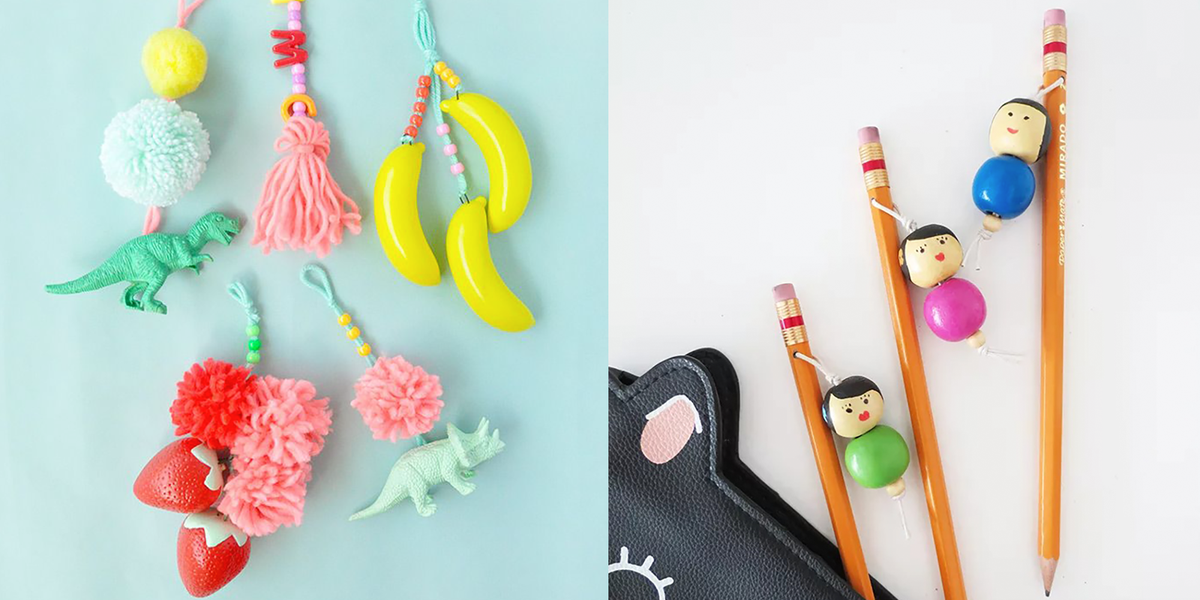
The beginning of a new school year comes with freshly sharpened pencils, mysteriously vanishing glue sticks, and backpacks that somehow weigh more than the children carrying them. It can also bring a mixture of excitement and nervousness, especially for students entering a new classroom or meeting a new teacher.
Back-to-school crafts offer a playful way to make that transition easier. Children can personalize their supplies, create classroom decorations, record first-day memories, and express how they feel about the year ahead. Many projects also encourage cutting, drawing, measuring, problem-solving, and other useful skills without making the activity feel suspiciously like homework.
The following 35 fun back-to-school craft ideas are suitable for families, teachers, homeschool groups, libraries, and after-school programs. Most use inexpensive materials such as paper, cardboard, craft sticks, markers, yarn, recycled containers, and enough glue to make at least one tabletop permanently shiny.
Back-to-School Crafts for Decorating the Classroom
1. Collaborative Classroom Puzzle
Give each student a large paper puzzle piece to decorate with their name, favorite colors, hobbies, or personal symbols. Connect the completed pieces on a bulletin board under the message, “We All Fit Together.” The project celebrates individuality while showing that every student contributes to the class community.
2. Paper Plate School Bus
Cut a paper plate in half and paint it yellow. Add construction-paper windows, wheels, doors, and headlights. Students can place small self-portraits inside the windows. It is a cheerful first-week activity and an easy opportunity to review circles, rectangles, and other basic shapes.
3. Welcome Pencil Banner
Cut oversized pencil shapes from yellow cardstock. Let each child decorate one pencil with patterns and write a welcoming word on it. String the pencils together to create a colorful classroom banner. Unlike real pencils, these will not disappear after being loaned to a classmate.
4. Handprint Friendship Tree
Paint or draw a large tree trunk on bulletin-board paper. Students trace their hands on colored paper, cut out the shapes, and write one quality of a good friend on each “leaf.” Assemble the handprints into a tree that can remain displayed throughout the school year.
5. Painted Alphabet Rocks
Wash and dry smooth rocks before painting one letter on each. Add dots, stripes, faces, or miniature illustrations beginning with the featured letter. Use the finished rocks for spelling games, literacy centers, name-building activities, or decorative accents around the reading corner.
6. Our Bright Ideas Light Bulbs
Provide paper light-bulb templates and ask students to draw or write something they hope to learn. Cover a bulletin board with the completed bulbs and add a title such as “A Year of Bright Ideas.” Metallic paper can supply sparkle without releasing glitter into the classroom ecosystem.
7. Classroom Kindness Chain
Cut strips of colorful paper and invite students to write kind actions they can perform at school. Connect the strips into a paper chain. New links can be added whenever someone notices a thoughtful act, allowing the display to grow with the classroom’s culture.
DIY School Supplies Students Can Personalize
8. Washi Tape Pencil Makeover
Wrap plain pencils with narrow strips of washi tape, leaving the sharpened end and eraser uncovered. Students can mix patterns or create color-coded sets for different subjects. Seal loose edges with clear craft glue so the tape survives more than one enthusiastic sharpening session.
9. Craft-Stick Pencil Bookmark
Paint a jumbo craft stick yellow, add a pink eraser section, and draw a pointed graphite tip at the opposite end. Write the student’s name down the center. This simple back-to-school craft encourages reading and helps children stop folding page corners into tiny paper triangles.
10. Pom-Pom Pencil Toppers
Glue small pom-poms, felt ears, googly eyes, or chenille-stem antennae onto lightweight foam pieces. Attach the decorations to the tops of pencils without blocking the erasers. Students can create monsters, animals, aliens, or creatures that seem unusually interested in math worksheets.
11. Personalized Notebook Collage
Transform an inexpensive composition book with magazine clippings, printed words, stickers, scrapbook paper, and hand-drawn designs. Cover the finished collage with clear adhesive film or decoupage medium. The notebook becomes easier to identify and far more exciting than standard black-and-white marble.
12. Cardboard Desk Organizer
Arrange clean cardboard tubes inside a small box or recycled food container. Paint the pieces, cover them with patterned paper, and label sections for pencils, markers, scissors, and rulers. Adding a wider compartment creates a useful home for sticky notes and index cards.
13. No-Sew Felt Pencil Pouch
Fold a rectangle of thick felt and use a hole punch around the edges. Lace yarn through the holes, tying it securely at both ends. Add a flap with an adhesive hook-and-loop dot. Older students can decorate the pouch with felt initials, patches, or fabric markers.
14. Backpack Name Tag
Cut a tag from craft foam, laminated cardstock, or flexible plastic canvas. Decorate the front with the child’s initials and place contact information discreetly on the reverse side. Attach it with a sturdy loop. Avoid displaying a child’s full name prominently in public spaces.
First-Day Keepsakes and Memory Crafts
15. Reusable First-Day Chalkboard
Paint a thin wooden board or sturdy piece of cardboard with chalkboard paint. Add permanent labels for the student’s name, grade, age, favorite subject, and future ambition. Fill in the answers with chalk each year to create a consistent first-day photo tradition.
16. Back-to-School Time Capsule
Decorate a clean box, jar, or mailing tube and fill it with a self-portrait, handwriting sample, height measurement, current favorites, and predictions for the year. Seal it until the last day of school. Comparing the contents later often produces equal amounts of pride and comedy.
17. First-Day Interview Booklet
Staple folded paper into a miniature booklet containing prompts about friends, favorite foods, school goals, and current interests. Children can answer in words or pictures. Repeat the interview at the end of the year to document changes in skills, preferences, and handwriting.
18. School-Year Memory Jar
Decorate a large jar or box with ribbons and paper labels. Throughout the year, family members or classmates can add notes about funny moments, accomplishments, field trips, and acts of kindness. Read the notes during the final week of school for a meaningful celebration.
19. Growing Ruler Photo Frame
Paint craft sticks or a wooden frame to resemble a yellow ruler. Add measurement lines, numbers, and the school year. Place a first-day photograph inside. Make a new frame annually to create a visual record of how much the child has grown.
20. My School Journey Map
Students draw a simple map showing the route from home to school or important locations inside the school building. Younger children can add symbols for the cafeteria, playground, library, and classroom. The activity helps unfamiliar spaces feel more manageable.
21. Future Self-Portrait
Ask children to draw themselves at the end of the school year accomplishing something important. They might picture themselves reading a chapter book, mastering multiplication, joining a club, or making new friends. Display the portraits as visual reminders of their goals.
Creative Learning and STEAM Craft Ideas
22. Name-Building Bead Bracelet
Provide letter beads, colorful beads, and elastic cord so students can spell their names. Younger children can practice identifying letters and creating patterns. Check bead sizes carefully when working with small children, and supervise the activity because beads possess a supernatural ability to roll under furniture.
23. Patterned Paper Weaving
Cut parallel slits into a sheet of construction paper, leaving the edges intact. Weave contrasting paper strips over and under the openings. Students can experiment with repeating colors, alternating patterns, and increasingly complex designs while strengthening coordination and concentration.
24. Salt-Painted School Shapes
Draw school-themed designs with liquid glue, cover the lines with salt, and shake off the excess. Once dry, touch diluted watercolor paint to the salt and watch the color travel. Try apples, pencils, letters, numbers, buses, or simple classroom symbols.
25. Recycled Cardboard Marble Maze
Use a shallow box lid as the maze base. Glue strips of cardboard inside to create paths, corners, and dead ends. Students can test the design with a marble, revise difficult sections, and compare different solutions. This project combines art with planning, engineering, and persistence.
26. Magnetic Locker Picture Frames
Decorate lightweight craft-stick frames with paint, foam shapes, buttons, or stickers. Attach magnetic strips to the back and add a favorite photo or positive message. These frames work on school lockers, magnetic boards, and refrigerators.
27. Straw-and-Paper Structure Challenge
Give small groups paper straws, index cards, and masking tape. Challenge them to build the tallest freestanding structure or a bridge capable of holding several erasers. Let students sketch plans before building, then discuss why certain designs remained stable while others experienced dramatic architectural events.
28. Homemade Shape Stamps
Cut simple shapes from clean sponges or craft foam and attach them to bottle caps or cardboard blocks. Dip the stamps in washable paint to create patterns on paper. Children can design wrapping paper, notebook covers, classroom signs, or abstract artwork.
Social-Emotional Crafts and Teacher Gifts
29. Worry Monster Envelope
Create a monster face on a large envelope or folded paper pocket. Children can write or draw their school worries and “feed” them to the monster. Parents or teachers can review the notes privately and use them to begin supportive conversations.
30. Positive Affirmation Mirror
Decorate a safe acrylic mirror or reflective cardstock with encouraging phrases such as “I can learn,” “I belong here,” and “Mistakes help me grow.” Students can add stickers, paper shapes, or drawings that represent their strengths.
31. Friendship Recipe Card
Ask students to create an imaginary recipe for friendship. Ingredients might include two cups of kindness, three spoonfuls of listening, and a generous sprinkle of laughter. Display the cards in a classroom cookbook or bind them into a shared book.
32. Compliment Catcher
Fold colorful paper into a traditional fortune teller. Instead of fortunes, write compliments, encouraging actions, or friendly conversation starters beneath the flaps. Students can use the catchers during morning meetings or partner activities.
33. Apple Mason Jar Teacher Gift
Paint a clean jar red and add a green paper leaf around the lid. Fill it with pencils, wrapped candy, dry-erase markers, or handwritten appreciation notes. Confirm school policies before including food, particularly when allergies or dietary restrictions may be involved.
34. Blooming Pencil Bouquet
Create paper or felt flowers and carefully attach one to each pencil. Arrange the decorated pencils in a small painted pot filled with paper filler. The bouquet is practical, cheerful, and much less likely than real flowers to wilt during a long staff meeting.
35. Thank-You Bookmark for Teachers
Cut sturdy cardstock into bookmark-sized strips and decorate them with drawings, stamped patterns, or short messages. Add a ribbon through a punched hole at the top. Students can write one thing they appreciate about their teacher on the back.
How to Make Back-to-School Crafting Easier
Prepare materials before inviting children to the table, especially when a project requires cardboard pieces, repeated shapes, or measured lengths. Pre-cutting complicated components can help younger students participate without turning the activity into a twenty-minute wait for one pair of scissors.
However, not every result needs to look identical. Templates are useful starting points, but children should have room to choose colors, rearrange pieces, change the design, and invent unexpected details. A purple school bus with rocket engines may not be transportation-department approved, but it demonstrates imagination.
Use washable, age-appropriate supplies and cover work surfaces before painting or gluing. Small beads, magnets, sharp tools, and hot-glue equipment require close adult supervision. Families and teachers can also reduce costs by collecting clean cardboard, paper scraps, jars, boxes, magazines, ribbon remnants, and leftover wrapping paper.
Experience-Based Lessons From Back-to-School Craft Sessions
Successful back-to-school crafting rarely depends on owning the fanciest supplies. The most enjoyable sessions generally begin with a small, organized selection of materials and a project that children can understand quickly. When the table contains seventeen types of glitter, six containers of beads, and enough decorative tape to circle the building, choosing materials can become harder than making the craft.
A practical setup uses separate trays for paper, drawing tools, adhesives, and decorations. Finished examples can help visual learners understand the basic idea, but presenting several different examples is better than showing one “perfect” model. A single model sometimes convinces children that their project must match it exactly. Multiple versions quietly communicate that there is no single correct purple, no mandatory number of pom-poms, and no international law governing googly-eye placement.
Age differences also become obvious during group projects. Preschoolers may spend most of their time exploring glue, texture, and color. Elementary-age children are often eager to personalize every surface with their names and favorite characters. Tweens usually prefer crafts that have a practical purpose, such as decorated notebooks, locker accessories, pencil pouches, or photo displays. Offering adjustable difficulty allows everyone to work on the same general project without expecting identical results.
Time estimates should include cleanup, which is the part adults optimistically pretend does not exist. A craft described as a 20-minute activity may require another 10 minutes for distributing supplies and 15 minutes for recovering markers from beneath chairs. Setting out a scrap bowl, damp cloths, and a drying area before the activity begins prevents much of the end-of-session scramble.
Projects connected to real school routines tend to remain meaningful longer. A handmade desk organizer may be used every afternoon. A worry monster can support conversations during the first uncertain weeks. A classroom kindness chain can continue growing for months. These crafts become tools rather than temporary decorations, giving children a sense of ownership over their learning spaces.
It is equally important to allow children to solve manageable problems. A tower that leans, a bookmark that turns out shorter than expected, or a collage piece placed “the wrong way” does not always require adult rescue. Asking, “What could you try next?” encourages experimentation and independence. Children often invent a better solution than the adult had plannedand occasionally create an entirely new object while insisting that this was obviously the plan from the beginning.
Finally, the conversation surrounding the activity can matter as much as the finished product. While decorating a notebook or assembling a time capsule, adults can ask what the child is looking forward to, what feels difficult, and what support would help. Hands stay busy, pressure decreases, and concerns about teachers, friendships, transportation, or schoolwork may emerge naturally.
The best back-to-school craft experience is therefore not the project with the straightest cuts or cleanest paint lines. It is the one that helps a child feel capable, heard, creative, and a little more prepared for the first bell.
Conclusion
These 35 fun back-to-school craft ideas can turn school preparation into a creative celebration. Whether children are painting alphabet rocks, building marble mazes, personalizing notebooks, recording first-day memories, or designing gifts for teachers, every activity offers an opportunity to make the new school year feel more familiar and exciting.
Choose projects that suit the child’s age, available time, and interests. Keep the instructions flexible, emphasize exploration over perfection, and remember that a crooked paper apple still counts as an apple. More importantly, it may become a keepsake that captures exactly who the child was at the beginning of the 2024-2025 school year.
Note: Adults should supervise children when crafts involve scissors, small parts, magnets, strong adhesives, or other materials that may not be appropriate for every age group.














