
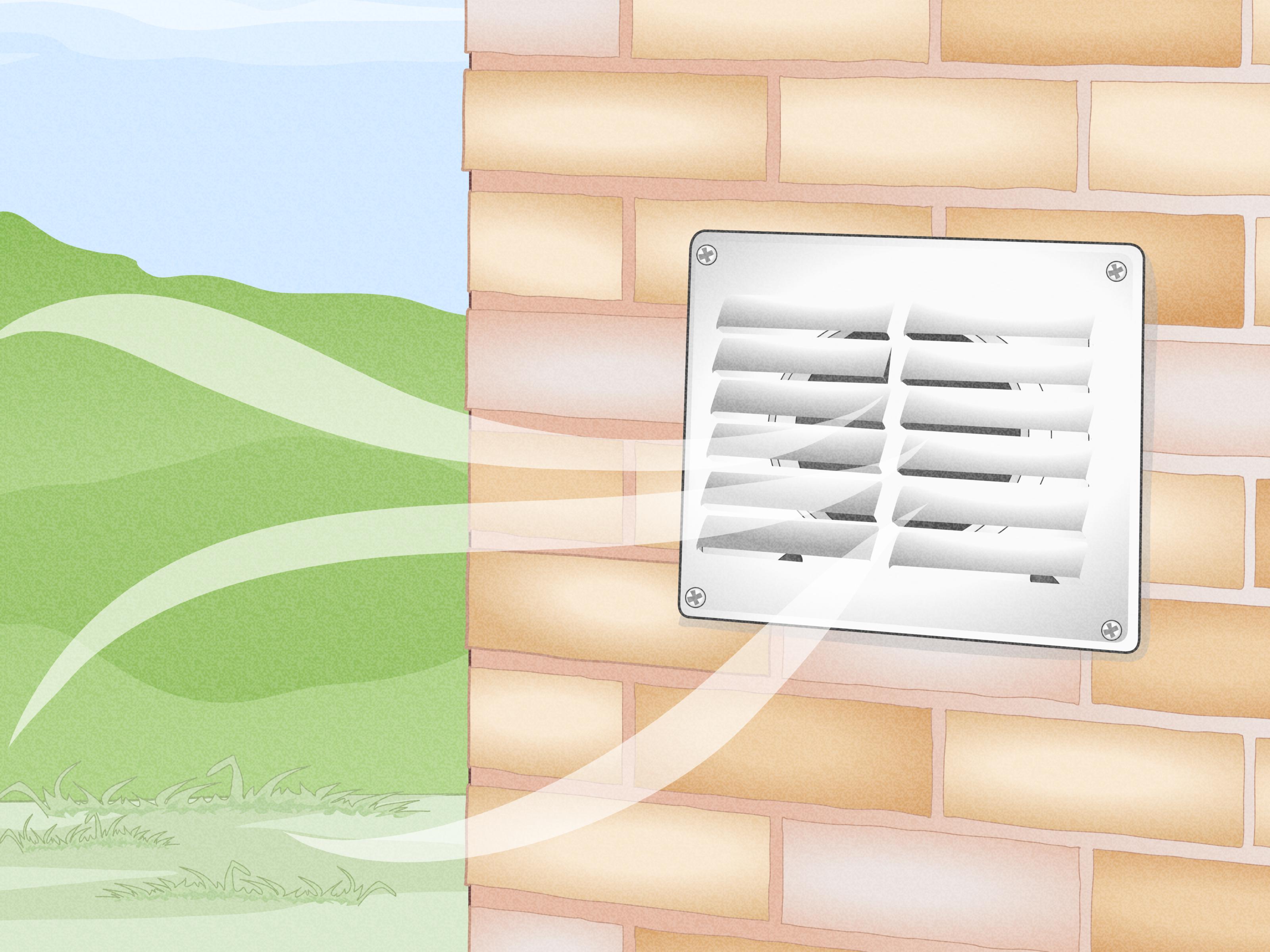
A bathroom with no outside access sounds like a design mystery wrapped in a towel and fogged up in a mirror. No window. No exterior wall. No obvious place for steam to escape. After one hot shower, the room feels less like a bathroom and more like a tropical greenhouse with shampoo bottles.
The good news is that you do have options. The important catch is this: in a full bathroom with a shower or tub, real ventilation means moving moist air outdoors. A fan that simply blows humid air into an attic, ceiling cavity, hallway, or wall space is not a clever shortcut. It is a mold invitation wearing a plastic grille.
This guide explains four simple, practical ways to vent a bathroom with no outside access, including solutions for interior bathrooms, basement bathrooms, apartments, powder rooms, and tricky remodels. You will also learn what not to do, how to choose the right fan, and how to control moisture when construction options are limited.
Why Bathroom Ventilation Matters More Than People Think
Bathroom ventilation is not just about removing smells, although your household may deeply appreciate that part. The bigger problem is moisture. Hot showers create steam. Steam becomes condensation. Condensation settles on paint, drywall, grout, wood trim, cabinets, mirrors, and ceiling corners. Over time, that moisture can lead to peeling paint, swollen doors, musty odors, mildew, mold, and structural damage.
In a bathroom with a window, some of that moisture can escape naturally. In a bathroom with no window and no exterior wall, moisture has nowhere to go unless you build it an escape route. That is why bathroom exhaust fans exist. Their job is to pull humid air out of the room and send it outside, where it can stop bullying your drywall.
For a bathroom under 100 square feet, a common rule of thumb is to choose a fan that provides at least 1 CFM per square foot, with 50 CFM as a typical minimum. Larger bathrooms need more airflow, especially if they include a separate shower, tub, toilet room, or jetted tub. A timer switch or humidity-sensing fan can help because most moisture problems happen after the shower, when someone turns the fan off too early and walks away like the steam is going to file its own evacuation paperwork.
First, Understand What “No Outside Access” Really Means
When homeowners say a bathroom has “no outside access,” they usually mean one of four things:
- The bathroom has no window.
- The bathroom is not located on an exterior wall.
- The room is in a basement or middle of the house.
- There is no existing exhaust duct.
None of those situations mean the bathroom cannot be ventilated. They simply mean the duct route may need to travel farther: through the ceiling, across an attic, between joists, through a soffit area, out a roof, through a gable wall, or toward a rim joist in a basement.
The main goal is simple: capture humid air near the source and discharge it outdoors through a proper wall cap, roof cap, or exterior termination. Keep the duct route as short, straight, smooth, insulated, and well-sealed as possible. Long, sagging, crushed, or leaky ducts reduce airflow and can collect condensation. In other words, the fan may be working hard while the steam lounges around like it owns the place.
1. Install a Ceiling Exhaust Fan and Vent It Through the Roof
The most common solution for an interior bathroom is a ceiling-mounted exhaust fan ducted through the roof. This works especially well when the bathroom is on the top floor and has attic space above it.
How It Works
The fan is installed in the bathroom ceiling, usually near the shower or tub. A duct runs from the fan through the attic and exits through a roof cap. When the fan turns on, it pulls humid air from the bathroom and sends it outdoors.
This setup is often the cleanest option for bathrooms located in the center of a home because the ceiling provides a direct path upward. It does require cutting a roof opening and installing a proper roof vent cap with flashing. That part is not where you want to discover your inner “I watched one video, so I am a roofer now” confidence. If you are not experienced with roofing, hire a qualified contractor.
Best For
- Second-floor bathrooms
- Interior bathrooms with attic access above
- Windowless bathrooms with showers or tubs
- Remodels where roof access is easier than wall access
Key Tips
Use insulated ducting in unconditioned attic spaces to reduce condensation inside the duct. Seal joints with foil HVAC tape, not ordinary cloth duct tape. Regular duct tape dries out, fails, and leaves you with a ventilation system held together by memories.
Make sure the duct slopes slightly toward the exterior termination when possible. Avoid low spots where water can collect. Choose a roof cap designed for bathroom exhaust, not a random vent cover that looks “close enough.” The cap should include a damper to reduce backdrafts and keep outdoor air, insects, and wind-driven moisture from entering the duct.
The fan should be sized for the bathroom. A tiny fan in a large bathroom is like asking a desk fan to dry a rainforest. Look for the CFM rating, sone rating, and energy efficiency. A quieter fan is more likely to be used, which matters because the best fan in the world does nothing if everyone refuses to turn it on because it sounds like a blender full of gravel.
2. Run a Duct Through the Ceiling to a Sidewall or Gable Wall
If cutting through the roof is not ideal, another excellent option is routing the duct across the ceiling or attic and out through a sidewall or gable wall. In many homes, this is easier to maintain than a roof vent because the termination is located on a vertical wall instead of a shingled surface.
How It Works
The fan mounts in the bathroom ceiling. The duct travels horizontally through the attic, ceiling cavity, or joist bay until it reaches an exterior wall. The duct then exits through a wall cap installed on the outside of the house.
This option is popular because it avoids roof penetrations. A roof opening can be perfectly safe when installed correctly, but some homeowners prefer to avoid anything that involves flashing, shingles, and the phrase “possible future leak.” A sidewall vent can be simpler, especially when the exterior wall is accessible.
Best For
- Bathrooms near an attic gable end
- Homes where roof venting is difficult or undesirable
- Bathrooms below unfinished attic space
- Remodels where a horizontal duct route is available
Key Tips
Keep the duct run short and direct. Every bend adds resistance. Every extra foot makes the fan work harder. If the duct route looks like a theme park ride, redesign it.
Use the duct size recommended by the fan manufacturer. Many bathroom fans use 4-inch, 5-inch, or 6-inch ducts. Do not reduce the duct size just because a smaller pipe is easier to squeeze through a tight space. Smaller ducts can increase noise and reduce airflow.
Install the wall cap where exhausted air will not be pulled back into attic vents, soffit vents, open windows, or HVAC intakes. Avoid terminating the vent in a spot where steam will collect under an overhang. The point is to send moisture away from the house, not politely move it to a different part of the house and hope it behaves.
3. Use an Inline Fan for Long or Complicated Duct Runs
Sometimes the bathroom is buried deep inside the floor plan. Maybe it is under a staircase, behind a laundry room, or tucked into a basement corner with all the outside access of a submarine. In that case, a standard ceiling fan may not be powerful enough to push air through a long duct run. This is where an inline fan can be a smart solution.
How It Works
An inline fan is installed within the duct itself, often in an attic, crawl space, mechanical room, or basement ceiling. Instead of placing the motor directly in the bathroom ceiling, the fan sits remotely and pulls air through a grille in the bathroom. The duct then continues to an exterior termination.
This setup can be quieter because the fan motor is farther from the bathroom. It can also be more effective for longer duct routes when properly designed. Some systems can even serve multiple nearby bathrooms, although that requires careful planning, backdraft dampers, and correct sizing.
Best For
- Interior bathrooms far from an exterior wall
- Basement bathrooms with long duct routes
- Bathrooms where quiet operation is a priority
- Homes needing a more powerful ventilation setup
Key Tips
Do not guess on fan size. Long duct runs, elbows, exterior caps, and duct material all affect performance. If the path is complicated, ask an HVAC contractor to calculate the required airflow and static pressure. A fan may advertise a strong CFM rating, but installed performance can drop if the duct route is restrictive.
Use smooth metal duct where possible. Flexible duct is convenient, but it should be stretched tight and supported properly if used. Sagging flex duct can trap moisture and lint-like dust. Once moisture sits in the duct, it can create odor and airflow problems. Your bathroom vent should not become a tiny indoor swamp.
An inline fan should still terminate outdoors. A remote fan does not magically change the rules of moisture control. It simply gives you more design flexibility when the bathroom is far from the exterior.
4. Use a Ductless Fan or Dehumidifier Only as a Supplemental Solution
Now let’s talk about the tempting option: the ductless bathroom fan. It sounds perfect. No ductwork, no roof hole, no wall cap, no contractor walking through your house with a drill that looks emotionally prepared for demolition. Unfortunately, ductless fans have a major limitation: they do not remove moisture from the room.
How Ductless Fans Work
A ductless bathroom fan usually pulls air through an activated charcoal filter and recirculates it back into the room. This can help reduce odors in a half bath where there is no shower or tub. However, it does not send humid air outdoors. For a full bathroom, that means steam remains in the home.
In plain English: a ductless fan may help with smells, but it is not a real ventilation solution for shower moisture. It is more like handing the bathroom a breath mint when what it really needs is an exit door.
Where a Ductless Fan Makes Sense
- Powder rooms without showers or tubs
- Small toilet rooms where odor control is the main goal
- Temporary comfort improvement while planning a real ducted system
- Rental situations where permanent construction is not allowed
Using a Dehumidifier in a Windowless Bathroom
A dehumidifier can help control humidity when ducted ventilation is difficult, especially in a basement bathroom or rental unit. It removes moisture from the air and collects it in a tank or drains it through a hose. A compact bathroom-safe dehumidifier can reduce dampness, foggy mirrors, and musty smells.
However, a dehumidifier is not the same as code-compliant bathroom exhaust. It does not remove odors as quickly, and it does not replace stale indoor air with outdoor air. It also needs maintenance. Tanks must be emptied, filters cleaned, and the unit placed where it can operate safely away from direct water exposure.
For best results, use a hygrometer to monitor humidity. A healthy indoor humidity target is commonly around 30% to 50%. If your bathroom regularly stays above that range after showers, you need better moisture control. The mirror should not still look like a ghost wrote on it an hour after someone bathed.
What You Should Never Do
Some bathroom ventilation mistakes are common because they seem easy. Sadly, easy and correct are not always roommates.
Do Not Vent Into the Attic
Venting a bathroom fan into the attic is one of the worst shortcuts. It moves warm, wet air into a space full of wood framing and insulation. That can lead to mold, wet insulation, roof sheathing damage, and winter condensation problems.
Do Not Vent Into a Wall Cavity
A wall cavity is not an exhaust destination. It is a hidden place where moisture can quietly cause damage until you notice stains, odors, or soft drywall. By then, the repair bill may have developed a personality.
Do Not Vent Into a Crawl Space
Crawl spaces are already vulnerable to moisture. Adding bathroom steam makes the problem worse. Exhaust air should go outdoors, not into another part of the building.
Do Not Assume a Bigger Fan Fixes Bad Ductwork
A stronger fan can help in some cases, but poor duct design still causes problems. A powerful fan connected to a crushed, kinked, or overly long duct is like buying a sports car and driving it through a hallway.
How to Choose the Right Bathroom Exhaust Fan
When shopping for a fan, pay attention to four details: CFM, sones, energy efficiency, and controls.
CFM tells you how much air the fan can move. Small bathrooms often need at least 50 CFM, while larger bathrooms require more. If the bathroom has a separate toilet room, large shower, or jetted tub, increase capacity accordingly.
Sones measure sound. Lower sones mean quieter operation. A quiet fan is worth the upgrade because people actually use it. A loud fan becomes background punishment, and someone will eventually turn it off too soon.
Energy efficiency matters if the fan runs often or continuously. ENERGY STAR-rated fans use less energy and are designed for better performance and lower noise.
Controls can make ventilation almost automatic. Timer switches, motion sensors, and humidity sensors are useful in bathrooms where people forget to run the fan long enough. A fan should often run during the shower and for about 20 minutes afterward to clear lingering moisture.
Simple Moisture-Control Habits That Help Any Bathroom
Even the best fan benefits from good habits. After showering, leave the bathroom door open when privacy is no longer needed. Spread out towels so they can dry. Pull the shower curtain open instead of leaving it bunched up like a wet accordion. Wipe down glass doors or tile walls if condensation is heavy.
Keep the fan grille clean. Dust buildup reduces airflow. If the fan no longer holds a tissue to the grille while running, it may need cleaning, repair, or replacement. Also check the exterior vent cap occasionally. A stuck damper, bird nest, lint buildup, or paint-sealed flap can stop airflow.
If you have persistent musty odors, bubbling paint, black spotting on caulk, or damp ceiling corners, treat it as a warning. The bathroom is telling you something. It may not be using words, but peeling paint is basically drywall screaming.
Real-Life Experience: What Usually Works Best in Tricky Bathrooms
In real homes, bathroom ventilation rarely looks as simple as the diagram on the fan box. The box always shows a neat little fan, a short little duct, and a happy arrow pointing outdoors. Actual houses respond with joists, pipes, wires, roof angles, insulation, brick walls, mystery framing, and one oddly placed beam that seems installed purely to ruin your weekend.
The most successful projects usually begin with planning the duct route before buying the fan. Many people do the opposite. They buy a fan first, open the ceiling, and then discover there is no easy path to the outside. A better approach is to locate the shower, inspect the ceiling or attic, find the nearest practical exterior termination, and then choose the fan and duct size that fit the route.
For top-floor bathrooms, the roof or gable wall route is often the winner. A gable wall can be especially nice because it avoids cutting the roof. The duct can run across the attic and exit through a wall cap. The main challenge is keeping the duct insulated and sloped correctly so condensation does not collect. In cold climates, this detail matters. Warm bathroom air traveling through a cold attic can turn into water inside the duct if the duct is not protected.
For basement bathrooms, the best route often goes through the ceiling and out the rim joist. This can work well when the bathroom is near an exterior foundation wall. If the bathroom is far from the perimeter, an inline fan may be needed. Basement bathrooms are also good candidates for a supplemental dehumidifier because basements naturally tend to be damp. Still, the dehumidifier should support the exhaust system, not replace it.
For powder rooms, the answer can be different. If there is no tub or shower, moisture is not the main concern. In that case, a ductless fan with a charcoal filter may be acceptable for odor control where local rules allow it. It will not remove humidity, but in a half bath, humidity may not be a serious issue. Just remember to replace the charcoal filter. A forgotten filter eventually becomes less “odor control” and more “decorative dust sandwich.”
In apartments and condos, the biggest challenge is permission. You may not be allowed to cut exterior walls, alter shared shafts, or change common ventilation systems. Before installing anything, check building rules, lease terms, HOA requirements, and local code. Sometimes the right move is asking building maintenance to inspect the existing exhaust shaft. Many apartment bathrooms already connect to a shared ventilation system, but airflow may be weak because of dirty grilles, blocked ducts, or failed fans.
The most common mistake is relying on smell as the only sign of ventilation. A bathroom can smell fine and still have a moisture problem. Watch the mirror, ceiling, caulk, grout, and painted surfaces. If condensation lingers, if towels never fully dry, or if black spots return after cleaning, the ventilation strategy needs improvement.
The best long-term setup is usually a properly sized, quiet, ducted exhaust fan with a timer or humidity sensor. Add a clean duct route, an outdoor termination, and small daily habits, and even a windowless bathroom can stay fresh, dry, and civilized. It may never feel like a breezy spa pavilion overlooking the ocean, but at least it will stop auditioning for the role of “indoor mushroom farm.”
Conclusion
Venting a bathroom with no outside access is absolutely possible, but the right solution depends on the room layout. For full bathrooms, the best options are ducted systems that send humid air outdoors: through the roof, through a sidewall or gable wall, or through a longer route powered by an inline fan. For powder rooms, a ductless fan may help with odors, but it will not remove shower moisture. A dehumidifier can help control dampness, but it should be treated as a supplement rather than a true exhaust system.
The simple rule is this: moisture needs a real exit. Give it one, and your bathroom will reward you with clearer mirrors, drier walls, better air, and fewer surprise science experiments in the grout.













