
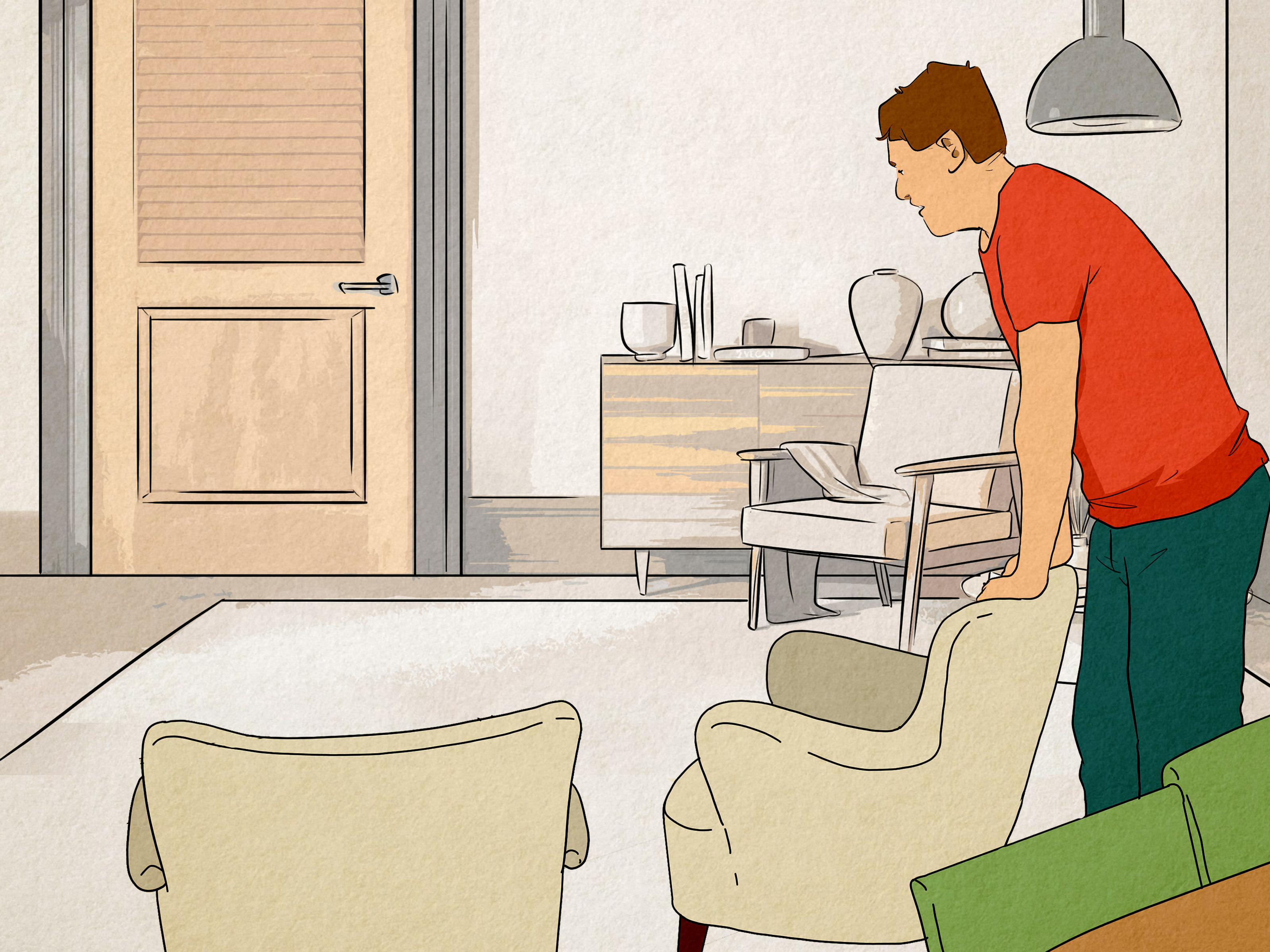
Negative energy is not always a spooky cloud hovering over your couch like a dramatic ghost in a low-budget movie. Sometimes it is simpler: a tense room after an argument, a cluttered desk that silently screams at you, a doom-scrolling habit that leaves your brain feeling like a browser with 47 tabs open, or a body that has been running on stress, caffeine, and “I’ll rest later.”
Learning how to clear negative energy does not require you to move to a mountaintop, buy a crystal the size of a toaster, or chant in perfect pitch. For many people, clearing negative energy means changing the atmosphere around them and the emotional patterns inside them. It is part home reset, part nervous-system care, part boundary-setting, and part choosing not to let yesterday’s chaos rent a room in today’s mind.
This guide explores four practical ways to clear negative energy using simple, evidence-informed habits: refreshing your space, calming your body, moving stuck emotions, and protecting your peace. Think of it as energetic housekeepingwith fewer cobwebs and more common sense.
What Does “Negative Energy” Really Mean?
In everyday language, negative energy usually refers to a mix of stress, emotional heaviness, irritability, mental clutter, tension, and environmental discomfort. You may feel it when a room seems stale, when your thoughts loop around the same worry, or when being around certain people leaves you emotionally wrung out like a dish towel after Thanksgiving dinner.
Some people describe negative energy spiritually. Others describe it psychologically. Both views often point to the same experience: something feels off. The good news is that small changes can shift your mood, attention, and sense of control. When you clear your environment, regulate your breathing, move your body, and reset your relationships with technology and people, your inner atmosphere often changes too.
1. Refresh Your Physical Space
Your home does not need to look like a luxury spa where every towel is folded by angels. But your surroundings do affect how you feel. A cluttered, dark, stale, noisy, or chaotic space can make it harder to relax and focus. Clearing negative energy often starts with removing the things that quietly drain your attention.
Start With a 10-Minute Reset
Do not begin by announcing, “I am reorganizing my entire life today.” That sentence is how closets become crime scenes. Instead, set a timer for 10 minutes and choose one small zone: your nightstand, kitchen counter, entryway, work desk, or the chair currently wearing all your clothes.
Use four simple categories: keep, toss, donate, and relocate. The goal is not perfection. The goal is momentum. Once you see one clean surface, your brain gets proof that change is possible. That little win is surprisingly powerful.
Let Fresh Air and Light In
Air quality matters. Open a window when outdoor conditions are safe, turn on an exhaust fan, change HVAC filters as recommended, and reduce indoor pollutant sources when possible. Fresh air and better ventilation can make a room feel lighter both physically and emotionally.
Natural light can also shift the mood of a space. Open curtains, clean dusty windows, or move your favorite chair closer to daylight. If your room is darker than a medieval dungeon, add warm lamps in corners to soften the atmosphere. Negative energy loves neglected corners. Light makes them less mysterious and more “Oh, that’s just a pile of mail.”
Clean With Intention
Cleaning can be more than a chore. It can become a ritual of release. As you wipe a table, imagine clearing old conversations, stress, and mental noise. As you sweep the floor, picture yourself making room for calm. This does not require magical thinking; it is simply giving your brain a symbolic action that says, “We are done carrying this.”
Be careful with strong fragrances, smoke, incense, or chemical cleaners, especially if you have asthma, allergies, pets, children, or poor ventilation. A clean space should not require your lungs to file a complaint. Unscented or low-toxicity products, fresh air, and actual dust removal usually beat heavy perfume clouds.
2. Calm Your Nervous System
Sometimes the “negative energy” is not in the room. It is in your body. Stress can make your heart race, muscles tighten, breathing become shallow, and thoughts feel urgent. Before you solve your entire life, try telling your nervous system that you are not being chased by a bear, a deadline, or a group text named “Quick Question.”
Try Box Breathing
Box breathing is simple and discreet. Inhale for four counts, hold for four counts, exhale for four counts, and hold again for four counts. Repeat for one to three minutes. The even rhythm gives your mind something steady to follow and encourages slower breathing.
This is especially useful before difficult conversations, after stressful emails, or when you feel emotionally hijacked. It will not pay your bills or apologize on behalf of your rude coworker, but it can help you respond with more control.
Use a Grounding Exercise
Grounding helps bring attention back to the present. Try the 5-4-3-2-1 method: name five things you can see, four things you can feel, three things you can hear, two things you can smell, and one thing you can taste. This is a quick way to interrupt spiraling thoughts and reconnect with your body.
Grounding works well when negative energy feels like anxiety, overwhelm, or emotional fog. It reminds your brain that this moment is real, manageable, and probably not as catastrophic as the mental movie playing in your head.
Meditate Without Making It Weird
Meditation does not mean emptying your mind. If that were required, most of us would fail within six seconds because the brain loves producing random thoughts like “Did I ever cancel that free trial?” Instead, meditation is the practice of noticing thoughts and returning attention to the breath, body, or present moment.
Start with three minutes. Sit comfortably. Breathe naturally. When thoughts appear, silently say, “thinking,” and return to your breath. That is the whole practice. You are not bad at meditation because thoughts appear. Noticing them is the workout.
3. Move Stuck Energy Through the Body
Emotions are not just ideas floating in the mind. They often show up in the body as tight shoulders, clenched jaws, restless legs, shallow breathing, or that mysterious upper-back knot named “Everything Is Fine.” Movement helps release tension and shift your state.
Take a Mood-Clearing Walk
A walk is one of the simplest ways to clear negative energy. You do not need athletic gear, a perfect route, or a motivational playlist narrated by someone yelling about greatness. Step outside, move at a comfortable pace, and let your eyes notice trees, clouds, buildings, dogs, or anything that is not your phone.
Spending time in nature or green spaces can support mental well-being, but even an ordinary neighborhood walk can help. Movement changes your breathing, gives your thoughts room to reorganize, and creates a clean break between “before” and “after.”
Stretch the Places That Store Stress
Negative energy often hides in predictable places: neck, shoulders, hips, jaw, and lower back. Try slow shoulder rolls, gentle neck stretches, child’s pose, forward folds, or hip openers. Move carefully and avoid forcing your body into shapes it clearly did not vote for.
Pair stretching with long exhales. Inhale gently, then exhale as if you are fogging a mirror. Longer exhales can help the body settle. A few minutes of stretching can make your mood feel less stuck and your body less like an office chair with opinions.
Shake It Out
This may sound silly, which is part of its charm. Stand up and gently shake your hands, arms, legs, and shoulders for 30 to 60 seconds. Animals often shake after stress; humans usually pretend nothing happened and answer emails. Shaking can help discharge tension and reconnect you with your body.
Put on music if it helps. Dance badly. Dance brilliantly. Dance like the curtains are closed and nobody is collecting evidence. The point is not performance. The point is release.
4. Protect Your Emotional Environment
You can clean your house, meditate, stretch, and light the coziest lamp in America, but if your emotional environment is full of drama, comparison, resentment, and constant digital noise, negative energy will keep sneaking in wearing tiny boots.
Set Boundaries With People
Boundaries are not punishments. They are instructions for how to stay connected without losing yourself. A boundary might sound like, “I cannot discuss this tonight,” “I need a day to think before I answer,” or “I am happy to help for one hour, but I cannot take over the whole project.”
Some people will respect your boundaries immediately. Others will act as if you have personally cancelled oxygen. Stay kind, clear, and consistent. You are allowed to protect your peace even when someone else prefers unlimited access to your energy.
Reduce Digital Negativity
Your phone can be a useful tool, a tiny entertainment rectangle, or a portable anxiety casino. If you are constantly exposed to outrage, comparison, gossip, bad news, and comment sections where hope goes to wear sweatpants, your mood may absorb it.
Try a digital energy cleanse: unfollow accounts that leave you tense, mute keywords that trigger stress, turn off nonessential notifications, and create phone-free zones during meals or the first 30 minutes after waking. You do not need to know every opinion on the internet before breakfast. Truly, civilization will limp along.
Practice Gratitude Without Toxic Positivity
Gratitude is not pretending everything is wonderful when it is not. It is the practice of noticing what is still good, useful, beautiful, funny, supportive, or meaningful. This helps balance the brain’s natural tendency to scan for problems.
Write down three specific things you appreciate. Make them real, not generic. Instead of “I am grateful for food,” try “I am grateful for the soup that made my cold day feel survivable.” Instead of “friends,” write “I am grateful that Maya sent me a meme exactly when my soul needed a tiny raccoon wearing sunglasses.” Specific gratitude lands better.
Extra Practices That Can Help Clear Negative Energy
The four main methods above create a strong foundation. Still, there are other supportive practices you can add depending on your personality, culture, and comfort level.
Use Sound to Shift the Mood
Music changes atmosphere quickly. Play calming instrumental music while cleaning, energizing songs while moving, or nature sounds while resting. Some people use bells, singing bowls, clapping, or chimes as symbolic ways to “clear” a room. Whether you view it spiritually or psychologically, sound can mark a transition.
Create a Closing Ritual
At the end of a hard day, create a small ritual that tells your mind the workday is over. Change clothes, wash your hands, take a shower, light a lamp, make tea, or write one sentence in a journal: “Today is complete.” Rituals help the brain shift from doing mode to resting mode.
Repair the Energy After Conflict
Arguments leave residue. After a tense conversation, reset the space. Open a window, drink water, take a short walk, or write down what you need to say calmly later. If appropriate, apologize or clarify. Clearing negative energy is not just about removing bad vibes; it is also about repairing what needs repair.
Common Mistakes When Trying to Clear Negative Energy
Mistake 1: Waiting Until Everything Feels Terrible
Energy clearing works best as maintenance, not emergency rescue. Do small resets daily: make the bed, step outside, breathe for one minute, clear the sink, or put your phone away before sleep. Tiny habits prevent emotional clutter from becoming a full-blown attic situation.
Mistake 2: Confusing Avoidance With Peace
Sometimes people call it “protecting my energy” when they are actually avoiding a necessary conversation, bill, decision, or responsibility. Real peace is not ignoring reality. Real peace comes from facing what matters with steadiness and support.
Mistake 3: Trying to Control Everyone Else
You cannot cleanse another person into becoming emotionally mature. You can influence your environment, your responses, your boundaries, and your choices. That is plenty of work already. Leave other people’s character development arcs to them.
Personal Experiences and Everyday Examples: What Clearing Negative Energy Looks Like in Real Life
Clearing negative energy often sounds grand, but in real life it is usually ordinary. It is the woman who comes home from work, drops her bag by the door, and notices the whole apartment feels heavy. Instead of collapsing into the couch and scrolling until midnight, she opens a window, changes into soft clothes, starts a load of laundry, and plays music while making a simple dinner. Nothing mystical happens. No lightning bolt descends. But by 8 p.m., the apartment feels like hers again.
It is the college student who realizes his desk has become a museum of unfinished stress: coffee cups, receipts, tangled chargers, old notes, and one banana that has entered a new geological era. He sets a timer for 15 minutes, clears the trash, stacks the papers, wipes the surface, and places one lamp beside his laptop. Suddenly studying feels possible. Not fun, perhapslet us not insult anyonebut possible.
It is the parent who hides in the bathroom for three minutes because the house is loud, the children are arguing, and the dog has chosen emotional performance art as a lifestyle. Instead of yelling, the parent puts one hand on the chest, breathes slowly, and names five things they can see. They return calmer. The day is not magically easy, but it is no longer on fire.
It is the friend who leaves a coffee date feeling drained because every conversation has become a one-person complaint concert. Instead of ghosting or exploding, she sets a boundary: “I care about you, but I do not have the capacity to talk about this every day. Can we focus on solutions or take a break from the topic?” That boundary clears emotional space. It also reveals whether the relationship has room for mutual care.
It is the remote worker who notices that the bedroom, office, snack station, and stress cave have all become the same room. At the end of the workday, he closes the laptop, places it in a drawer, turns off the desk lamp, and takes a walk around the block. That tiny ritual tells his brain, “Work is done.” Without it, the day leaks into the evening like a bad pen in a white pocket.
It is the person grieving a loss who cannot simply “think positive,” because that would be cruel and unrealistic. Instead, they clear negative energy gently: washing sheets, lighting a candle safely, sitting near a window, calling a trusted friend, writing one honest page, and allowing sadness to move instead of harden. Clearing energy does not mean forcing happiness. Sometimes it means making space for pain without letting it swallow the whole house.
It is the couple after an argument. The room feels tense. Nobody wants to speak first because pride has entered the chat. One person finally says, “I need ten minutes, then I want to try again.” They separate, breathe, drink water, and return with softer voices. Later, they clean the kitchen together. The energy changes because the pattern changes.
These examples matter because they show that clearing negative energy is not a single dramatic act. It is a series of choices that say: this space matters, this body matters, this mind matters, this relationship with myself matters. The practice is not about creating a perfect life. It is about making your life easier to inhabit.
Conclusion
Negative energy can come from stress, clutter, unresolved emotions, unhealthy boundaries, digital overload, or simply being human in a noisy world. The solution is not to chase perfect positivity. The solution is to create repeatable practices that help you return to balance.
Refresh your physical space. Calm your nervous system. Move stuck emotions through the body. Protect your emotional environment. These four ways to clear negative energy are simple enough to use today and flexible enough to fit your life. You do not need to become a different person. You just need to make it easier for your best self to come back online.
And remember: sometimes the most spiritual thing you can do is drink water, take out the trash, breathe deeply, and stop reading the comments.













