
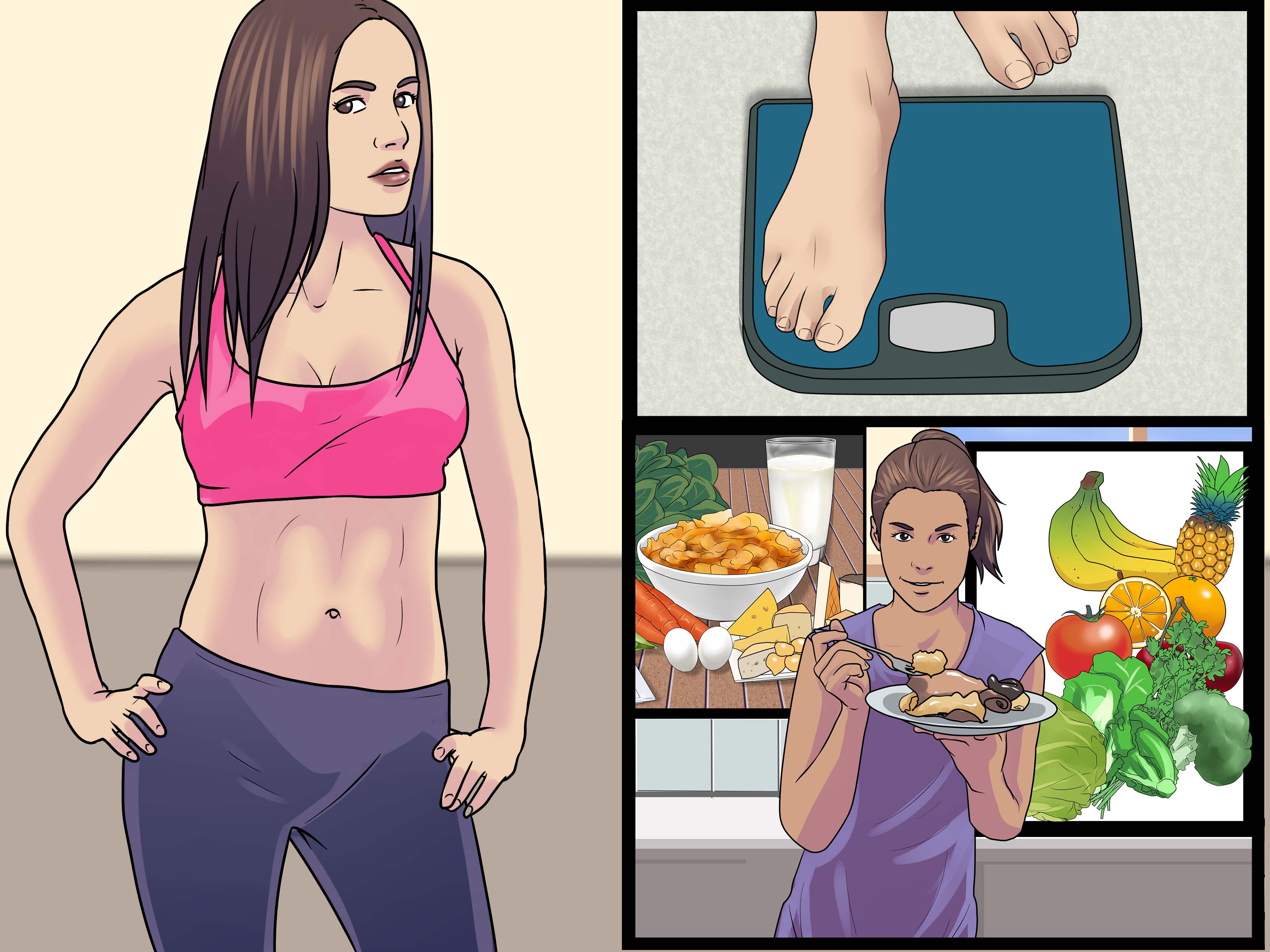
Trying to lose weight when you dislike vegetables can feel like being invited to a party where every guest is named Broccoli. You know vegetables are nutritious. You know they show up in every “healthy plate” diagram looking smug and leafy. But if the thought of steamed spinach makes your soul leave your body, you are not aloneand you are not doomed.
The good news is that weight loss does not require you to suddenly become a kale influencer. A healthy, realistic plan is built around sustainable habits: balanced meals, enough protein and fiber, smart portions, movement, sleep, hydration, and a food routine you can actually repeat on a Tuesday night when life is loud and the dishes are judging you.
This guide explains 4 ways to lose weight if you dislike vegetables, without crash dieting, guilt, or pretending cauliflower rice tastes exactly like pizza. Spoiler: it does not. But with the right strategies, you can improve your nutrition, reduce excess calories, and gently train your taste buds without turning every meal into a punishment.
Why Vegetables Help With Weight Lossbut Are Not the Whole Story
Vegetables are popular in weight-loss advice because many are high in water, fiber, vitamins, and minerals while being relatively low in calories. That means they can add volume to meals and help you feel satisfied. However, successful weight management is not about one food group magically saving the day. It is about your overall eating pattern, activity level, sleep, stress, portions, and consistency.
If you dislike vegetables, the goal is not to force down a mountain of raw celery while questioning your life choices. The goal is to build a healthier pattern in a way that fits your preferences. You may need to get fiber from fruits, beans, oats, whole grains, chia seeds, lentils, or nuts. You may need to prepare vegetables differently. You may need to start with tiny amounts instead of heroic salad bowls. Tiny wins count. Your body does not award extra points for suffering dramatically.
1. Build Meals Around Protein and Fiber First
When vegetables are not your favorite, protein and fiber become your best friends. They are the dependable friends who show up on time, help you feel full, and do not ask you to eat plain boiled zucchini.
Choose Protein That Keeps You Satisfied
Protein helps meals feel more complete and satisfying. It also supports muscle, which matters because healthy weight loss should not mean losing strength. Good protein options include eggs, Greek yogurt, cottage cheese, chicken, turkey, fish, tofu, tempeh, beans, lentils, edamame, and lean cuts of meat.
For breakfast, try Greek yogurt with berries and a spoonful of chia seeds, scrambled eggs with whole-grain toast, or oatmeal stirred with protein-rich milk. For lunch, consider a turkey wrap, tuna on whole-grain crackers, lentil soup, or a rice bowl with chicken and beans. For dinner, think grilled salmon with potatoes, tofu stir-fry, turkey chili, or a bean burrito bowl.
Add Fiber Without Depending Only on Vegetables
Fiber helps slow digestion and supports fullness. If vegetables are not your go-to, look for fiber in foods you may already enjoy: oats, apples, pears, berries, beans, lentils, chickpeas, popcorn, whole-grain bread, brown rice, quinoa, chia seeds, flaxseed, and nuts.
A simple formula is: protein + high-fiber carb + flavor + optional vegetable. For example, a bowl with grilled chicken, brown rice, black beans, salsa, avocado, and a tablespoon of corn can be satisfying even if you are not ready for a lettuce parade. A breakfast bowl with oats, berries, peanut butter, and yogurt can keep you full longer than a sugary pastry that vanishes emotionally and physically in five minutes.
Use the “Add, Don’t Only Subtract” Method
Many people think weight loss means removing everything fun from the menu. That approach usually lasts until the first stressful afternoon. Instead, add foods that make meals more filling. Add protein to breakfast. Add fruit to snacks. Add beans to soup. Add a glass of water before meals. Add a walk after dinner. These changes can reduce mindless snacking without making your kitchen feel like a courtroom.
2. Make Vegetables Taste Less Like “Vegetables”
If your vegetable history includes limp cafeteria peas, overcooked carrots, or suspiciously squeaky green beans, your dislike may be partly a cooking problem. Vegetables can taste completely different depending on how they are prepared. Steamed broccoli and roasted broccoli are technically related, but one wears sweatpants and the other has a leather jacket.
Roast, Season, and Sauce Them
Roasting brings out natural sweetness and adds texture. Try carrots, sweet potatoes, cauliflower, Brussels sprouts, bell peppers, or zucchini tossed lightly with olive oil, garlic, paprika, black pepper, or lemon. Roast until browned at the edges. Browning is where the flavor fairy lives.
Flavor matters. A small amount of sauce can turn “absolutely not” into “fine, I’ll have three bites.” Try salsa, hummus, yogurt-based ranch, hot sauce, teriyaki, lemon-tahini sauce, pesto, or a sprinkle of parmesan. The goal is not to drown vegetables in calories; the goal is to make them enjoyable enough that you actually eat them.
Hide Small Amounts in Foods You Already Like
There is no shame in the sneak-it-in method. Add finely grated carrots or zucchini to turkey meatballs, pasta sauce, chili, muffins, or oatmeal. Blend spinach into a fruit smoothie with banana, berries, yogurt, and milk. Stir pumpkin puree into oatmeal or pancake batter. Add cauliflower to mashed potatoes. Mix diced mushrooms into taco meat or burger patties.
Start small. If you add three cups of spinach to a smoothie and it tastes like a lawnmower had a spa day, you will never trust smoothies again. Begin with a handful and build from there.
Try “Gateway Vegetables”
Some vegetables are easier for vegetable skeptics. Corn, peas, carrots, cucumbers, roasted sweet potatoes, bell peppers, tomatoes, lettuce in a sandwich, and mild baby spinach often feel less intense than bitter greens or cruciferous vegetables. Choose one gateway vegetable and prepare it in a way you can tolerate. Your first goal is exposure, not perfection.
Taste buds can adapt over time. Repeated, low-pressure exposure may help you accept foods you once rejected. That does not mean you must love every vegetable. Adults are legally allowed to dislike kale. But expanding your “okay, I can eat that” list gives you more tools for healthy meals.
3. Manage Portions and Calories Without Extreme Restriction
Weight loss generally requires a calorie deficit, meaning you use more energy than you take in. But that does not mean skipping meals, banning carbs, or chewing ice while staring heroically into the distance. Extreme restriction often backfires because it increases hunger and makes overeating more likely later.
Use the Plate MethodModified for Vegetable Haters
A classic balanced plate often includes half vegetables, one quarter lean protein, and one quarter whole grains or starchy foods. If half a plate of vegetables sounds like a horror movie, modify it. Start with one small serving of a tolerable vegetable, then fill the rest of the plate with lean protein, high-fiber carbs, fruit, and healthy fats in reasonable portions.
For example:
- Breakfast: Greek yogurt, berries, granola, chia seeds, and water.
- Lunch: Chicken wrap with whole-grain tortilla, cheese, salsa, and a few lettuce leaves or sliced cucumbers on the side.
- Dinner: Turkey chili with beans, a small amount of blended tomatoes and carrots, and a side of fruit.
- Snack: Apple slices with peanut butter, cottage cheese with pineapple, or air-popped popcorn.
This approach is more realistic than demanding instant salad devotion. You can gradually increase vegetables later as your tolerance improves.
Watch Liquid Calories
Sugary drinks can quietly add calories without making you feel full. Soda, sweet tea, energy drinks, fancy coffee drinks, juice, and oversized smoothies can turn a normal day into a calorie surprise party. Swap some of them for water, sparkling water, unsweetened tea, or coffee with less sugar.
If plain water bores you into another dimension, add lemon, berries, cucumber, mint, or a splash of 100% fruit juice. Hydration will not magically melt body fat, but it can help you avoid confusing thirst with hunger and support better energy for movement.
Plan Snacks Before Hunger Becomes a Gremlin
Most people do not make their wisest food decisions when they are starving. A planned snack can prevent the classic “I accidentally ate dinner while standing in front of the fridge” moment. Choose snacks with protein, fiber, or both.
Good options include Greek yogurt, string cheese and fruit, a boiled egg with whole-grain toast, roasted chickpeas, cottage cheese, tuna packets, oatmeal, nuts in a small portion, or hummus with crackers. If you can tolerate a vegetable here, great. If not, do not cancel the entire plan. Choose the best option available and keep moving.
4. Use Movement, Sleep, and Routine to Support Weight Loss
Food gets most of the attention, but healthy weight management is not just about what is on your plate. Physical activity, sleep, stress, and routine can make the difference between a plan that works and a plan that collapses by Thursday.
Move in Ways You Do Not Hate
You do not need to train like a superhero with a movie contract. Walking, cycling, swimming, dancing, hiking, strength training, sports, or active games can all help. The best exercise is the one you will repeat without needing a motivational speech and a dramatic soundtrack.
Aim to build movement into your day: take the stairs, walk after meals, do short home workouts, stretch during study or work breaks, or turn chores into a mini workout. Strength training is also helpful because it supports muscle. Two or three short sessions per week can be a practical start for many people.
Sleep Like It MattersBecause It Does
Poor sleep can make appetite harder to manage. When you are tired, cravings often get louder, workouts feel harder, and quick snacks look more attractive. A consistent sleep routine can support better food decisions and energy.
Try keeping a regular bedtime, limiting screens close to sleep, avoiding huge meals right before bed, and creating a wind-down routine. No, scrolling “just five minutes” rarely stays five minutes. The internet is a raccoon with a flashlight.
Make Your Environment Do Some Work
Willpower is unreliable when snacks are visible and you are tired. Make healthier choices easier. Keep protein-rich snacks available. Put fruit where you can see it. Portion chips or cookies into a bowl instead of eating from the bag. Store leftovers in single-serving containers. Keep a water bottle nearby. Plan two or three simple meals you can repeat.
Weight loss is easier when your environment is not constantly challenging you to a duel.
Sample One-Day Meal Plan for People Who Dislike Vegetables
This sample is not a strict prescription. It is an example of how to create balanced meals while slowly introducing vegetables.
Breakfast
Oatmeal made with milk, topped with berries, cinnamon, and a spoonful of peanut butter. Add Greek yogurt on the side for extra protein.
Lunch
Turkey and cheese wrap on a whole-grain tortilla with salsa or mustard. Add a few lettuce leaves if tolerable. Serve with an apple and a small handful of nuts.
Snack
Cottage cheese with pineapple, or air-popped popcorn with a boiled egg.
Dinner
Chicken, tofu, or salmon with brown rice and roasted carrots or sweet potatoes. If you are not ready for visible vegetables, blend cooked carrots into a sauce or soup.
Evening Option
Herbal tea, fruit, or yogurt if you are truly hungry. If you are just bored, try a walk, shower, hobby, or early bedtime. Boredom snacks are sneaky little ninjas.
Common Mistakes to Avoid
Trying to Lose Weight Too Fast
Fast weight loss plans often rely on extreme rules that are hard to maintain. A safer approach is gradual progress built on habits you can keep. If you are a teenager, pregnant, have a medical condition, take medications, or have a history of disordered eating, talk with a doctor or registered dietitian before trying to lose weight.
Replacing Vegetables With Ultra-Processed “Diet” Foods
Low-calorie labels do not automatically mean nutritious. Many highly processed snacks are easy to overeat and may not keep you full. Choose mostly whole or minimally processed foods: fruit, yogurt, eggs, beans, oats, lean proteins, whole grains, nuts, and eventually vegetables prepared in ways you can handle.
Giving Up Because You Dislike One Vegetable
Disliking broccoli does not mean you dislike every vegetable. It means broccoli failed the audition. Try different textures, temperatures, seasonings, and cooking methods. Raw, roasted, blended, grilled, sautéed, pickled, or air-fried vegetables can taste completely different.
Extra Experiences: What This Looks Like in Real Life
Many people who dislike vegetables do not fail because they lack discipline. They struggle because their plan is designed for someone else. Imagine a person named Alex who decides to lose weight and immediately buys spinach, kale, celery, cucumber, and three mysterious green powders. By Wednesday, the spinach is slimy, the celery is untouched, and Alex is eating pizza while feeling like a failure. The problem is not Alex. The problem is the plan had the personality of a wet paper towel.
A better approach starts with foods Alex already likes. If breakfast is usually a sweet pastry, Alex switches to Greek yogurt with berries and granola three days a week. Not perfect. Better. If lunch is usually fast food, Alex orders grilled chicken instead of fried, chooses water instead of soda, and adds fruit at home. Again, not perfect. Better. If dinner is pasta, Alex blends cooked carrots and tomatoes into the sauce, uses lean ground turkey, and serves a smaller portion with a side of fruit. The vegetable is there, but it is not waving a flag and demanding attention.
Another real-life example is Maya, who hates salad because she thinks it tastes like crunchy sadness. Instead of forcing salad, she tries roasted sweet potatoes, carrots, and bell peppers. She adds garlic, paprika, and a little olive oil. Suddenly, vegetables are not a punishment; they are warm, flavorful, and slightly caramelized. Maya still does not love raw kale. Nobody calls the police. Her vegetable list expands from zero to four, and that is progress.
Then there is Jordan, who believes hunger is the enemy and tries to “be good” by eating almost nothing until dinner. By evening, Jordan is so hungry that a family-size bag of chips starts looking like a single-serving emotional support item. The fix is not more willpower. The fix is structure: protein at breakfast, a planned snack, water during the day, and a dinner that includes protein, fiber, and a reasonable portion of favorite foods.
The most useful experience many people discover is that weight loss becomes easier when it feels less dramatic. You do not need to announce a new lifestyle every Monday. You do not need to break up with bread, move into a gym, or become best friends with steamed cabbage. You need repeatable habits. Walk after dinner. Keep filling snacks nearby. Eat enough protein. Choose high-fiber foods. Drink fewer sugary beverages. Try one vegetable in one new way each week.
Progress may look boring from the outside, but boring can be powerful. A person who loses weight slowly by building realistic habits is often better prepared to maintain those changes than someone who survives on strict rules for two weeks and then rebounds. The goal is not to win the “most vegetables eaten while miserable” trophy. The goal is to support your health with meals that satisfy you, movement that fits your life, and a routine you can repeat even when motivation is off taking a nap.
Conclusion
Losing weight when you dislike vegetables is possible, but the solution is not to bully yourself into eating foods you hate. Start with protein and fiber, make vegetables taste better, manage portions without extreme restriction, and support your body with movement, sleep, hydration, and routine. Add vegetables slowly, creatively, and without drama. Your taste buds may change, your habits can improve, and your meals can become healthier without turning into a sad salad documentary.
Most importantly, choose a plan that respects your real life. Healthy weight loss should support your body, energy, confidence, and long-term well-beingnot make every meal feel like a negotiation with a broccoli-shaped villain.













