
Hermit crabs may look like tiny beach souvenirs with legs, but they are not decorative knickknacks that occasionally wave. They are living, breathing animals with very specific habitat needsand humidity is one of the big ones. In fact, keeping the right humidity in a pet hermit crab habitat is not a cute “extra.” It is the difference between a healthy crabitat and a dry little crab motel with terrible reviews.
Land hermit crabs breathe through modified gills, which must stay moist to work properly. That means dry air can stress them, interfere with molting, encourage dehydration, and in serious cases, become life-threatening. Most pet hermit crabs do best when their enclosure stays consistently humid, generally around 70% to 85% relative humidity, with many keepers aiming for the sweet spot of 75% to 85%. Some care guides allow slightly broader ranges, but the key idea is simple: dry is bad, stable is good, and guessing is how chaos gets invited to dinner.
The good news? Maintaining humidity in a hermit crab habitat is not complicated once you understand what actually controls moisture. You do not need to turn your living room into a rainforest or carry around a spray bottle like a crab butler. You need a smart setup, the right substrate, safe water sources, and consistent monitoring.
Below are four practical, crab-approved ways to maintain humidity in a pet hermit crab habitat without overdoing it, underdoing it, or accidentally creating a swamp with legs.
Why Humidity Matters in a Hermit Crab Habitat
Before we get into the four methods, let’s answer the big question: why are hermit crabs so dramatic about humidity?
Pet hermit crabs are land crabs, but they are not desert animals. In the wild, many species live in warm coastal or tropical environments where the air naturally holds plenty of moisture. Their gills are adapted for life on land, but those gills still need humid air to exchange oxygen efficiently. When the air becomes too dry, a hermit crab can struggle to breathe, lose moisture faster, and become stressed.
Humidity also supports successful molting. Molting is when a hermit crab sheds its old exoskeleton and grows a new one. During this time, the crab often buries itself in the substrate, becomes very vulnerable, and needs a stable, moist environment. A dry habitat can make molting more difficult and may increase the risk of problems.
However, humidity does not mean “wet everything all the time.” A crabitat should feel humid, not soggy. Condensation dripping down the glass every day, sour smells, slimy substrate, and fuzzy mold explosions are signs something is out of balance. Think tropical beach cave, not forgotten basement sponge.
1. Use a Secure Lid and a Reliable Hygrometer
The first and most important way to maintain humidity in a pet hermit crab habitat is to control how much moisture escapes. If your tank has an open mesh lid, humidity will drift away faster than a crab running from bath time. A secure lid helps trap moisture while still allowing enough air exchange to keep the habitat healthy.
Choose the Right Lid
A glass or acrylic lid is usually better for humidity retention than a fully screened top. Many hermit crab owners use aquarium glass tops, custom acrylic panels, or partial covers over mesh lids. If you already have a screen lid, you can cover much of it with acrylic, glass, or plastic wrap, leaving a small area open for airflow. The goal is not to seal the tank airtight. Hermit crabs need fresh air too. The goal is to slow moisture loss so the enclosure holds a stable humidity range.
A tight-fitting lid also prevents escapes. Hermit crabs climb better than their chunky shells suggest. Give one a vine, a corner, and a personal dream, and suddenly you have a crab exploring the bookshelf at 2 a.m. A secure lid protects humidity and keeps your pets where they belong.
Measure Humidity Instead of Guessing
A hygrometer is not optional equipment. It is the crabitat dashboard. Without one, you are basically saying, “The air feels crabby enough,” which is not a scientific method.
Place a digital hygrometer inside the habitat near the level where your hermit crabs spend most of their time, not stuck high on the lid where readings may be misleading. Many analog dial gauges are less accurate, so a digital model is usually easier to trust. Check readings daily, especially after changing substrate, adding water dishes, adjusting heat, or moving the tank to a different room.
If humidity stays below 70%, the habitat needs adjustment. If it constantly climbs into excessive condensation territory, you may need more ventilation, less misting, or better substrate balance. Stable humidity is the targetnot a roller coaster where your crabs need tiny seatbelts.
Quick Lid and Gauge Checklist
- Use a glass or acrylic lid when possible.
- Cover most of a mesh lid if humidity escapes too quickly.
- Leave limited ventilation for fresh air exchange.
- Use a digital hygrometer and check it daily.
- Keep readings generally around 70% to 85% relative humidity.
2. Build a Moisture-Holding Substrate
The substrate is the floor of your crabitat, but it is also a humidity battery. A good substrate stores moisture, supports burrowing, and helps keep the air humid between misting or water changes. A poor substrate either dries out too quickly, turns swampy, collapses during molts, or makes your hermit crabs question your interior design choices.
Use the Right Substrate Mix
One of the most popular substrate combinations for hermit crabs is play sand mixed with coconut fiber. A common ratio is about five parts sand to one part coconut fiber. The sand gives structure for tunnels, while the coconut fiber helps hold moisture. Together, they create a diggable, humidity-supporting base that can help the habitat stay stable.
Avoid gravel, dry wood shavings, calcium sand as the main substrate, and anything dusty or sharp. Hermit crabs need to dig, especially when molting. Substrate that does not hold shape can collapse around a molting crab. Substrate that is too wet can become dangerous and unhygienic.
Aim for “Sandcastle Consistency”
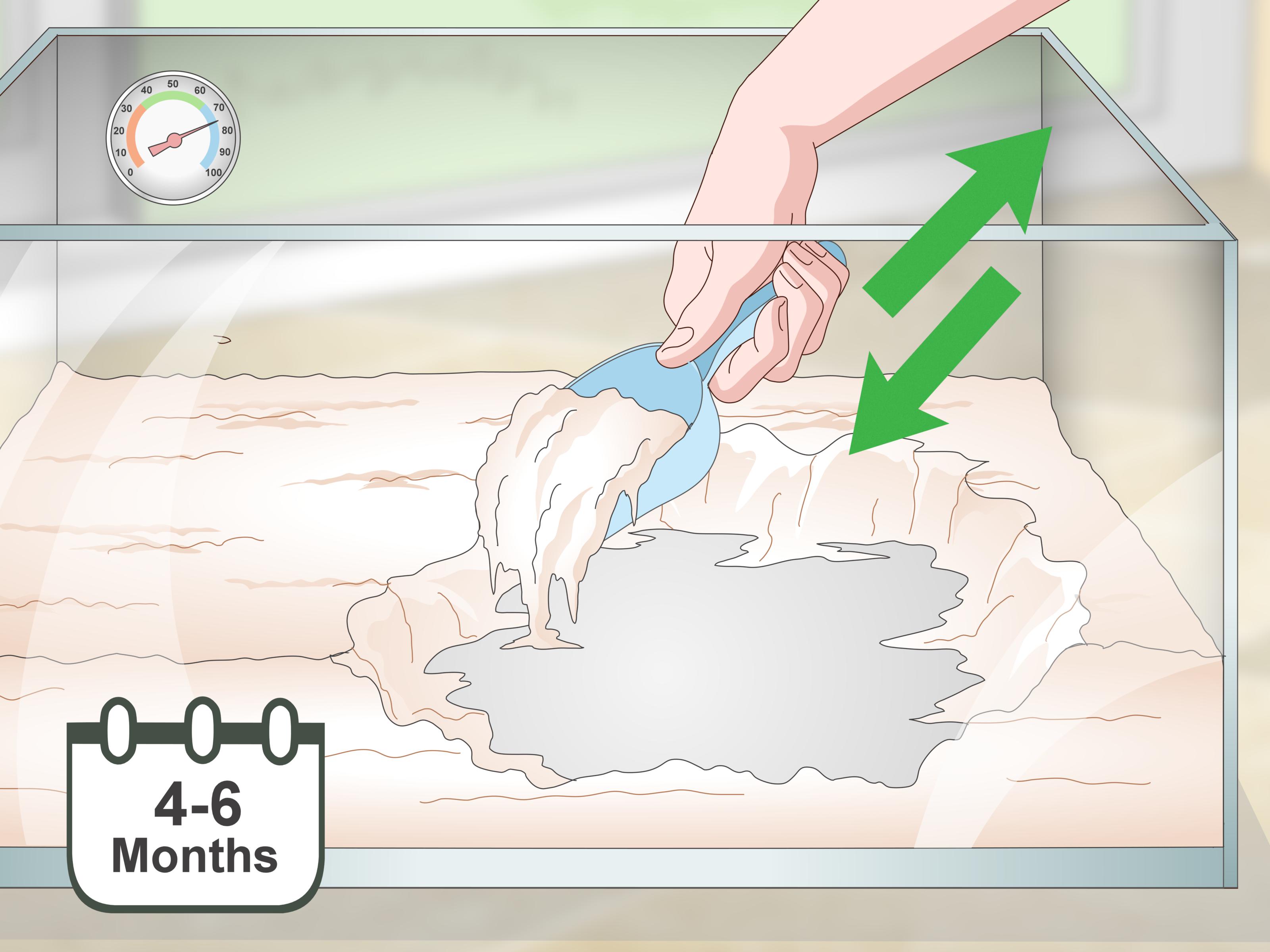
The phrase “sandcastle consistency” is popular among hermit crab keepers for a reason. Your substrate should be moist enough to hold its shape when pressed, but not so wet that water pools at the bottom. If you can make a tunnel or shape that holds together, you are probably on the right track. If it crumbles like stale cornbread, it is too dry. If it squishes like soup, you have gone too far.
Use dechlorinated water when moistening the substrate. Chlorine and chloramine in tap water can be harmful to hermit crabs, so treat water with a reptile-safe or aquarium-safe dechlorinator before using it in the habitat.
Make It Deep Enough
Depth matters. Many experienced keepers recommend at least 6 inches of substrate, or three times the height of your largest crab, whichever is deeper. Deep substrate supports natural digging and molting behavior. It also holds humidity better than a thin layer sprinkled across the bottom like sad beach seasoning.
For small starter tanks, this may feel like a lot of substrate, but it is one of the best investments you can make in hermit crab health. A deeper, properly mixed substrate helps buffer humidity swings, keeps the lower levels moist, and gives crabs space to retreat when they need privacy.
Substrate Maintenance Tips
- Mix play sand with coconut fiber for moisture retention and structure.
- Use dechlorinated water to moisten the substrate.
- Keep it damp enough to hold shape, never waterlogged.
- Provide at least 6 inches of depth when possible.
- Spot-clean food, waste, and surface debris regularly.
3. Provide Proper Water Sources and Moisture Zones
Water dishes do more than give hermit crabs a place to drink and soak. They also help regulate humidity through evaporation. A habitat with proper water sources is naturally easier to keep humid than one with a tiny bottlecap of water tucked in the corner like an afterthought.
Offer Both Freshwater and Saltwater
Hermit crabs need access to both dechlorinated freshwater and properly mixed marine saltwater. The saltwater should be made with marine aquarium salt, not table salt. Table salt is for French fries, not crab health.
Both water dishes should be easy for the crabs to enter and exit. If the pools are deep enough for soaking, add ramps, stones, shells, craft mesh, or other safe exits so no crab gets trapped. Many keepers use containers deep enough for the largest crab to submerge its shell, but safety is essential. A soaking pool that turns into a crab swimming test is not the goal.
Use Larger Surface Area for Better Humidity
The wider the water surface, the more evaporation can support humidity. Two appropriately sized bowls or pools can make a noticeable difference in a dry room. Positioning water sources near the warm side of the tank can increase evaporation, but do not let the water become overheated. Warmth helps humidity; overheating creates stress.
Some keepers add air stones or bubblers to water pools to increase evaporation and stabilize humidity. This can work well, especially in larger tanks, but it must be done safely. Use clean equipment, prevent leaks, and monitor humidity after installation so the habitat does not become too damp.
Add a Moss Pit
Moist sphagnum moss can create a helpful humidity zone inside the crabitat. A “moss pit” is simply a container or area with damp, dechlorinated sphagnum moss where crabs can hide, nibble, or enjoy a microclimate. It is especially useful in tanks that dry out quickly.
Do not leave moss rotting forever. Rinse or replace it as needed, and remove it if it smells sour, grows heavy mold, or becomes dirty. Moss should support the habitat, not become a science fair project named “Regret.”
Water and Moss Tips
- Provide both freshwater and marine saltwater at all times.
- Always use dechlorinated water.
- Use safe exits from all water dishes.
- Increase water surface area if humidity is too low.
- Add damp sphagnum moss for a humidity boost.
4. Balance Heat, Misting, and Room Conditions
Humidity and temperature are best friends who constantly influence each other. Warm air holds more moisture than cool air, so a cold tank often has humidity problems even if you mist it. At the same time, heat lamps and open tops can dry a habitat quickly. The trick is to warm the tank properly without turning it into a crab-sized beef jerky machine.
Use Heat Correctly
Hermit crab habitats generally need warm temperatures, often around the mid-70s to low-80s Fahrenheit, depending on species and setup. Many keepers use an under-tank heater or heat mat placed on the side or back of the tank above the substrate line rather than directly underneath deep substrate. This can warm the air while reducing the risk of overheating buried crabs.
A thermostat is strongly recommended for any heat source. It prevents overheating and helps keep the habitat stable. Heat should create a gentle gradient, with a warmer side and a slightly cooler side, so hermit crabs can choose where they feel comfortable.
Mist Carefully
Misting can raise humidity quickly, but it should not be the only strategy. If you must mist constantly to maintain humidity, the setup probably needs a better lid, deeper substrate, larger water pools, or adjusted heat. Misting should be a tool, not a full-time job.
When misting, use dechlorinated water and spray lightly. Avoid soaking food, flooding substrate, or spraying directly into shells. Too much misting can lead to puddles, mold, and bacterial growth. A few controlled sprays are better than turning the tank into a crab car wash.
Consider the Room Environment
Your home’s climate matters. Air conditioning, heating vents, dry winter air, sunny windows, and ceiling fans can all affect humidity. Keep the crabitat away from direct sunlight, drafty windows, radiators, and vents. Direct sun can overheat a glass tank quickly, while forced air can dry it out.
If your home is extremely dry, a room humidifier can help stabilize the environment around the tank. Just do not aim a humidifier directly into the enclosure or create constant condensation. The crabitat should be humid inside, but the surrounding room does not need to feel like a tropical airport bathroom.
Heat and Misting Tips
- Keep the habitat warm enough for proper humidity control.
- Use a thermostat with heating equipment.
- Avoid heat lamps that dry the enclosure too quickly.
- Mist only as needed with dechlorinated water.
- Keep the tank away from vents, drafts, and direct sunlight.
Common Humidity Mistakes to Avoid
Relying on Guesswork
If you do not have a hygrometer, you do not know the humidity. Foggy glass is not a reliable measurement. Neither is “it feels damp when I open it.” Buy the gauge. Your crabs cannot leave a sticky note saying, “Dear human, the air is crispy.”
Using Chlorinated Water
Any water used in the habitat should be dechlorinated, including misting water, drinking water, soaking water, and water added to substrate. Hermit crabs are sensitive animals, and safe water is a basic part of good care.
Letting Substrate Flood
Wet substrate can look harmless from the top while pooling underneath. This is especially risky in deep setups. If the bottom layer becomes waterlogged, it may create unhealthy conditions and threaten buried crabs. Add water slowly when adjusting substrate moisture.
Overusing Sponges
Natural sponges have often been sold for hermit crab humidity, but they can harbor bacteria if not cleaned properly. If you use them, clean and replace them frequently. Many keepers prefer larger water pools, moss pits, and better lids instead.
Forgetting Ventilation
Humidity matters, but so does air exchange. A completely sealed tank can lead to stagnant air and excess condensation. Leave a small amount of ventilation and monitor the habitat. The best crabitat feels humid and fresh, not stale and swampy.
Signs Your Hermit Crab Habitat May Be Too Dry
A dry habitat is not always obvious at first. Watch your hygrometer first, but also pay attention to behavior and conditions. Possible signs of low humidity include crabs spending excessive time near water dishes, lethargy, difficulty molting, unusual hiding, or general inactivity. Of course, hermit crabs are naturally secretive and may hide for many reasons, so behavior alone is not a diagnosis.
If humidity is consistently low, fix the setup instead of repeatedly spraying the tank. Cover more of the lid, deepen or re-moisten the substrate, add larger water dishes, include damp moss, and check that the temperature is appropriate. Make one change at a time when possible, then observe the readings.
Signs Humidity May Be Too High
High humidity is usually less immediately dangerous than low humidity, but too much moisture can still cause problems. Watch for constant heavy condensation, dripping walls, sour smells, slimy substrate, and recurring mold. Some light condensation may appear when the room is cooler than the tank, but daily dripping is a clue that the balance needs work.
To reduce excess humidity, increase ventilation slightly, stop unnecessary misting, remove overly wet moss, and check the substrate for waterlogging. Do not suddenly dry out the tank. Hermit crabs need stability, not weather whiplash.
A Simple Daily Humidity Routine
A good humidity routine takes less time than making coffee, and it is far less likely to judge your morning hair.
- Check the digital hygrometer and thermometer.
- Confirm that freshwater and saltwater dishes are full and clean.
- Look for condensation, mold, sour smells, or standing water.
- Lightly mist only if humidity is low.
- Make sure the lid is secure and ventilation is not excessive.
Once a week, inspect substrate moisture near the surface, rinse or replace moss if needed, clean water dishes, and confirm that heaters and thermostats are working. After seasonal changes, such as winter heating or summer air conditioning, watch readings more closely. Indoor humidity can shift dramatically even when the crabitat looks the same.
Practical Examples: Fixing Humidity Problems
Example 1: The Mesh Lid Problem
Your tank has a full mesh lid, and humidity drops to 58% by morning. The fix is not spraying every hour. Cover most of the mesh with acrylic or glass, leaving a smaller section for airflow. Add a digital hygrometer at crab level and check again after several hours. In many cases, this one change makes the biggest difference.
Example 2: The Dry Substrate Problem
The humidity reads 65%, and the substrate crumbles when squeezed. Mix dechlorinated water slowly into the substrate until it reaches sandcastle consistency. Do not pour in a gallon like you are baptizing the crabitat. Add moisture gradually, mix well, and test again.
Example 3: The Winter Air Problem
Your setup worked all summer, but now the furnace is running and humidity keeps dropping. Cover more of the lid, add a moss pit, check that the heat source is not drying the tank, and consider using a room humidifier. Seasonal changes are normal, but the crabs still need stable conditions.
Example 4: The Over-Misting Problem
The glass is always dripping, the moss smells funky, and the substrate feels soggy. Stop misting, remove wet moss, increase ventilation slightly, and inspect the substrate. If the lower substrate is flooded, you may need a deeper reset. Humidity should be maintained through balance, not constant spraying.
of Real-World Experience: What Maintaining Hermit Crab Humidity Actually Feels Like
Maintaining humidity in a pet hermit crab habitat becomes much easier once you stop treating it like an emergency and start treating it like a routine. The first few weeks with a crabitat can feel a little ridiculous. You check the hygrometer. Then you check it again. Then you stare at the glass as if the crabs are going to hold up tiny scorecards. This is normal. Most new keepers go through a phase where the humidity number feels like the stock market.
In practice, the biggest lesson is that humidity problems usually come from the setup, not from a lack of effort. People often try to solve low humidity by misting again and again. It works for a moment, then the number drops, and soon the owner is trapped in a spray-bottle relationship no one asked for. A better lid, deeper substrate, and properly sized water dishes usually solve more problems than constant misting ever will.
Another experience many keepers share is learning that the room matters. A crabitat that behaves perfectly in May may become stubborn in January when indoor heating dries the air. Likewise, an air-conditioned room in summer can pull moisture from the tank faster than expected. The crabitat is not separate from your home; it reacts to the home around it. Moving the enclosure away from vents or adding a partial lid cover can be a surprisingly powerful fix.
The substrate also teaches patience. When it is too dry, the whole habitat struggles. When it is too wet, the tank can smell unpleasant and become harder to manage. The best substrate feels boring in the best possible way: damp, stable, diggable, and not dramatic. If a handful holds shape without dripping, you are usually close. If your hand comes out muddy, the substrate is asking for a life coach.
Water dishes are another practical turning point. Tiny dishes may technically provide water, but they do very little for humidity. Larger dishes with safe exits support soaking, shell water, and evaporation. A moss pit can also help, especially when humidity dips overnight. Many crabs enjoy sitting in moss like tiny retirees in a spa robe, and the moss creates a nice moisture pocket when maintained correctly.
The most important habit is observation without panic. Hermit crabs hide. They dig. They rearrange things. They sometimes vanish underground for long periods, especially when molting. A stable humidity reading gives you confidence not to disturb them unnecessarily. That confidence matters because digging up a molting crab can be far more dangerous than letting a well-prepared habitat do its job.
Over time, humidity care becomes almost automatic. You glance at the gauge, refill safe water, check the lid, sniff for anything odd, and move on. The goal is not perfection every minute. The goal is a stable, humid, warm environment where hermit crabs can breathe, molt, explore, climb, soak, and live like the strange little shell-wearing royalty they are.
Conclusion
Maintaining humidity in a pet hermit crab habitat is one of the most important parts of responsible hermit crab care. These animals need moist air for healthy breathing, hydration, and molting, so a dry tank is never something to ignore. Fortunately, the solution is usually straightforward: use a secure lid, monitor with a hygrometer, create a deep moisture-holding substrate, provide safe freshwater and saltwater sources, and balance heat with careful misting.
The best crabitat does not need to be fancy. It needs to be stable. When humidity stays in the right range, your hermit crabs can behave more naturally and safely. They can burrow, molt, soak, climb, and conduct mysterious crab business behind a piece of cork bark. And really, isn’t that the dream?
Note: This article is for educational pet-care content only. If a hermit crab appears weak, leaves its shell, fails to move normally, or shows signs of serious stress, contact an exotic pet veterinarian or experienced hermit crab rescue resource for guidance.













