
Note: This article is an original, fully rewritten synthesis inspired by public discussions around the Facebook group “Things designed by people who don’t have to clean them,” along with widely accepted cleaning, maintenance, hygiene, and facility-design guidance from U.S. public health, food safety, cleaning, architecture, and workplace-safety sources.
Great design should make life easier, prettier, safer, and ideally less likely to require a toothbrush, three cotton swabs, a prayer circle, and a tiny emotional support sponge. Yet the internet keeps proving that some designers create objects as if dust, crumbs, soap scum, pet hair, fingerprints, toothpaste, cooking grease, and gravity simply do not exist.
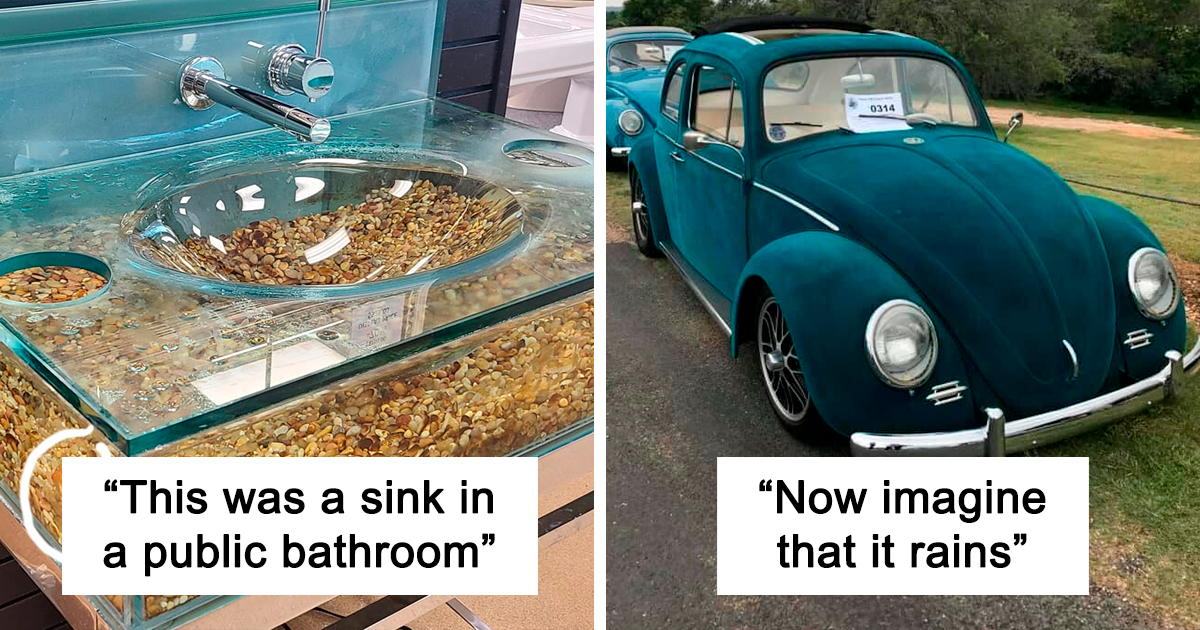
That is exactly why the Facebook group behind the viral idea “Things designed by people who don’t have to clean them” hits such a nerve. The joke is funny because the pain is real. A sink made of jagged crystals may look like a luxury cave for a mermaid, but what happens after the first glob of toothpaste lands in it? A staircase with open decorative gaps may photograph beautifully, but who is crawling under it with a vacuum attachment? Design that ignores cleaning is not just inconvenient. It can waste time, increase maintenance costs, create hygiene problems, and quietly punish the person responsible for keeping the space usable.
Cleanability is not the opposite of creativity. It is part of good design. The best kitchens, bathrooms, public spaces, appliances, furniture, and decorative objects understand that real humans spill coffee, shed hair, touch surfaces, track in dirt, and occasionally drop salsa in places salsa was never meant to go. In other words, beauty should survive Tuesday.
Why “Hard To Clean Design” Makes People So Furious
Bad design usually announces itself when something breaks. Hard-to-clean design is sneakier. It looks good on day one, then slowly transforms into a museum of dust bunnies and mysterious sticky patches. The issue often comes down to a few repeat offenders: porous materials, sharp corners, deep grooves, unnecessary seams, decorative cutouts, awkward heights, unreachable surfaces, and parts that cannot be removed without tools or wizardry.
Cleaning guidance from public health and facility organizations repeatedly comes back to the same practical ideas: surfaces should be reachable, durable, smooth enough to wipe, resistant to moisture, and compatible with the products needed to clean them. Food-safety guidance emphasizes smooth, nonabsorbent, corrosion-resistant surfaces. Facility maintenance standards often recommend fewer seams, less grout, better access, and materials that can handle repeated cleaning. In plain English: if a surface is going to get dirty, it should not be shaped like a medieval torture maze.
40 Design Choices That Forgot Cleaning Exists
-
1. The crystal sink that looks magical until toothpaste enters the chat
A sink made with rough stones, crystals, or uneven texture might be stunning in photos, but every ridge becomes a tiny apartment complex for soap film, mineral buildup, makeup, and toothpaste foam. Beautiful? Absolutely. Practical? Only if you enjoy scrubbing geology.
-
2. Pebble shower floors with grout everywhere
Pebble flooring feels spa-like underfoot, but the grout lines multiply faster than laundry. Because bathrooms are wet environments, every tiny gap can collect moisture, soap scum, and mildew. The result is “luxury retreat” on installation day and “archaeological dig” six months later.
-
3. Open shelving above a stove
Open shelves can look airy and editorial, but placing them near cooking grease is asking for trouble. Dishes, jars, cookbooks, and decorative bowls slowly develop a sticky film that laughs at dry dusting. It is kitchen styling with a side of aerosolized oil.
-
4. Intricate cabinet doors with tiny grooves
Raised panels, carved trim, and decorative grooves can add character, but they also catch dust, flour, pet hair, and cooking residue. Flat-front cabinets may not scream “French countryside,” but they do wipe clean without requiring dental tools.
-
5. Vessel sinks with impossible edges
Vessel sinks can be elegant, but the area where the bowl meets the counter often becomes a splash zone. Water rings, grime, and mineral deposits gather around the base, especially when the faucet placement was chosen by someone who has never washed their face enthusiastically.
-
6. Bathroom faucets shaped like modern art
Waterfall faucets, angular fixtures, and sculptural handles look expensive, but many have seams and flat ledges where water sits. Hard water stains move in, unpack, and start receiving mail. A faucet should not need its own cleaning schedule.
-
7. Chandeliers in kitchens
A chandelier above a dining table can be charming. A chandelier near a cooking area becomes a grease chandelier, which is less charming and more “why is this crystal sticky?” Tiny hanging pieces collect airborne oil and dust like they are training for the Olympics.
-
8. Black matte everything
Matte black fixtures, cabinets, and sinks can look sleek, dramatic, and very expensive. Unfortunately, they also showcase fingerprints, water spots, soap residue, and dust with the enthusiasm of a true crime documentary.
-
9. Glass tables with complex metal bases
Glass already reveals every fingerprint and crumb. Add a twisty, sculptural base underneath, and suddenly cleaning becomes a yoga class. The tabletop says “minimalism,” while the base says “good luck getting popcorn dust out of my corners.”
-
10. Louvered closet doors
Louvered doors allow airflow and create a classic look, but each slat is a dust shelf. Cleaning them properly means wiping dozens of narrow surfaces one at a time. It is basically a Venetian blind that decided to become furniture.
-
11. Decorative wall panels behind toilets
Textured walls, beadboard, stacked stone, and decorative panels behind toilets often become splash-and-dust traps. Designers may see dimension and charm. Cleaners see knees on tile, awkward reaching, and a sincere desire to speak with management.
-
12. Tiny mosaic tile in showers
Mosaic tile can look gorgeous, but more tile means more grout. More grout means more scrubbing. In wet areas, grout can discolor, stain, and trap residue unless it is sealed and maintained carefully. The math is cruel but accurate.
-
13. Toilets with complicated bases
A smooth-sided toilet is easy to wipe. A toilet base with curves, ridges, bolt caps, and decorative shapes is a cleaning obstacle course. The best bathroom design remembers that toilets are not sculptures. They are plumbing with responsibilities.
-
14. Floating stairs with dust-catching gaps
Floating stairs look dramatic and architectural. They also create shadows, ledges, and awkward undersides that collect dust. If cleaning the staircase requires lying on the floor with a vacuum wand, the staircase has made some lifestyle assumptions.
-
15. Open bathroom vanities with exposed plumbing
Open vanities can make small bathrooms feel bigger, but exposed pipes, baskets, shelf corners, and floor gaps add extra surfaces to dust and wipe. A vanity should not look like it was designed by someone who believes hair never falls out.
-
16. Fabric dining chairs in homes with children
Upholstered dining chairs can look soft and sophisticated, but they also absorb spills, crumbs, sauces, and the occasional mystery stain. In a real household, “performance fabric” is not a suggestion. It is a survival strategy.
-
17. Rugs under dining tables
A rug under a dining table anchors the room beautifully. It also anchors cereal, pasta, crumbs, pet fur, and spilled juice. Washable rugs help, but deep-pile rugs under food are basically snack storage with a pattern.
-
18. Car interiors with piano-black trim
Piano-black plastic looks glossy in the showroom and instantly becomes a fingerprint museum. Add dust, sunlight, scratches, and snack crumbs, and the dashboard becomes a daily reminder that shine is not the same as cleanliness.
-
19. Appliance handles with hidden seams
Refrigerator and oven handles are touched constantly, often by hands holding flour, butter, meat marinade, or toddler chaos. Handles with seams, ridges, or textured grips can trap grime exactly where people touch most.
-
20. Decorative range hoods with ornate trim
A custom range hood can be the jewel of a kitchen, but it lives above steam, oil, smoke, and splatter. If the design has grooves, corbels, or raw wood near cooking vapor, it is not just decoration. It is grease storage.
-
21. Shower niches with poor drainage
A shower niche is useful, but if the shelf is flat instead of slightly sloped, water pools under shampoo bottles. That creates soap scum, mildew risk, and a small swamp for razors. The niche should drain, not marinate.
-
22. Fancy trash cans with unreachable lids
Trash cans need to handle spills, leaks, and questionable bag behavior. Lids with hinges, grooves, sensors, and decorative rims can become gross quickly if they cannot be easily removed and washed.
-
23. Textured backsplashes behind coffee stations
Coffee splashes, milk foam, syrup, and cocoa powder do not care about your artisanal tile. A heavily textured backsplash behind a coffee area creates a daily cleaning puzzle, especially if the grout is light-colored and optimistic.
-
24. Lampshades made from dust-loving fabric
Fabric lampshades soften a room, but some materials attract dust and lint like tiny upholstered magnets. Pleated shades are especially dramatic because each fold catches dust while pretending to be innocent.
-
25. Decorative bathroom mirrors with carved frames
Bathrooms create steam, hairspray mist, toothpaste flecks, and makeup powder. Put a carved frame around the mirror and those details settle into every decorative ridge. The mirror may reflect your face, but the frame reflects your life choices.
-
26. White grout on floors
White grout looks crisp at first, then real life arrives wearing shoes. Entryways, kitchens, bathrooms, and laundry rooms punish pale grout with dirt, water, and traffic. Unless maintenance is part of the plan, white grout is a promise that breaks early.
-
27. Decorative air vents
Ornate vent covers can add charm, but air movement plus tiny openings equals dust collection. If every vent requires a detail brush, the design may have confused “decorative” with “time-consuming.”
-
28. Open wine racks near cooking areas
Wine bottles stored in open racks near the kitchen can collect grease and dust. The bottles may age beautifully, but the sticky film on the glass does not. Wine should have notes of cherry, not sautéed onion.
-
29. Bathroom floor baskets
Woven baskets look warm and natural, but bathrooms are humid. Hair, lint, dust, and moisture can lodge in the weave. If a storage piece cannot be wiped easily, it may not belong beside the shower.
-
30. Sculptural chairs with impossible crevices
Some chairs look like they belong in a design museum. Then someone eats chips in them. Crumbs fall into joints, seams, and decorative cutouts, and suddenly the chair requires excavation tools.
-
31. Kitchen islands with too many legs and panels
A plain island base is easy to clean. An island with decorative feet, grooves, columns, and inset panels collects dust and splatter near the busiest work zone in the kitchen. Pretty details become tiny mess ledges.
-
32. Floor-to-ceiling open bookcases
Tall open shelving looks impressive, but upper shelves collect dust that is hard to reach. If cleaning requires a ladder, schedule, and bravery, the design may be better for photos than daily living.
-
33. Bathroom sinks with flat-bottom bowls
A flat-bottom sink may look modern, but water and residue do not always drain cleanly. Small puddles remain, leaving mineral rings and soap marks. Gravity is free. Good design should use it.
-
34. Tiny gaps between appliances and cabinets
The narrow space beside a stove or refrigerator is where crumbs go to retire. If the gap is too small for a vacuum and too large to ignore, it becomes a permanent collection zone for pasta, dust, and regret.
-
35. Overly textured wallpaper in kitchens
Wallpaper can make a kitchen feel special, but textured wallpaper near cooking or prep areas can trap grease and stains. Smooth, washable surfaces are usually better in zones where sauce may become airborne.
-
36. Decorative outdoor furniture with deep seams
Outdoor furniture must battle pollen, rain, dust, leaves, insects, and bird opinions. Cushions and frames with deep seams or woven gaps may look relaxed, but they also hold moisture and debris.
-
37. Glass shower doors with metal tracks
Glass shower doors can make a bathroom feel bigger, but tracks at the bottom often collect water, soap scum, and mildew. Frameless designs are usually easier to maintain because there are fewer places for grime to hide.
-
38. Decorative drawer pulls with sharp corners
Cabinet hardware is touched constantly. Pulls with ornate shapes, grooves, or sharp inside corners can trap lotion, cooking residue, dust, and fingerprints. Simple hardware may not be exciting, but it wipes clean in one satisfying pass.
-
39. Kids’ toys with non-removable fabric parts
Children are talented mess engineers. Toys with fabric, electronic parts, and no washable cover create a cleaning dilemma. If a toy is designed for sticky hands, it should also be designed for cleanup.
-
40. Decorative objects with holes for no reason
Vases, candle holders, lamps, trays, and sculptures with tiny holes or deep cutouts may look artistic, but dust settles inside and refuses eviction. If the only cleaning tool that fits is a pipe cleaner, the object is asking too much.
The Real Lesson: Cleanability Is A Design Feature
The funniest examples from this kind of Facebook group work because they reveal a gap between imagination and maintenance. A designer may focus on shape, color, texture, and emotional impact. A cleaner focuses on access, repetition, moisture, tools, safety, and time. Both perspectives matter. The problem begins when only the first perspective gets invited to the meeting.
In professional settings, cleanability is treated as a serious design requirement. Food-processing equipment, healthcare spaces, schools, offices, and commercial kitchens all depend on surfaces that can be cleaned repeatedly without degrading. Smooth, durable, nonporous, accessible materials are not boring; they are practical. They help prevent buildup, reduce labor, and make sanitation more reliable.
At home, the same logic applies on a smaller scale. A kitchen backsplash does not need to meet industrial food-safety standards, but it should survive tomato sauce. A bathroom floor does not need to be a hospital-grade surface, but it should not require weekly grout therapy. A sofa does not need to be wrapped in plastic like grandma’s forbidden living room, but it should acknowledge that snacks exist.
How Designers Can Avoid These Mistakes
The easiest way to design better products and spaces is to ask a simple question early: “How will this be cleaned?” That one question can prevent hundreds of tiny disasters. It forces decisions about material, access, drainage, removability, durability, and user behavior.
Choose materials that match the mess
Porous, absorbent, rough, or fragile materials are harder to keep clean, especially in wet or high-touch areas. Smooth, sealed, washable, and durable surfaces are usually better for kitchens, bathrooms, public areas, children’s rooms, and anywhere pets roam freely like tiny landlords.
Reduce seams, grooves, and unnecessary texture
Every seam is a potential dirt line. Every groove is a crumb invitation. Every decorative ridge is a future cleaning complaint. Texture can be wonderful, but it should be used thoughtfully and kept away from zones with grease, water, soap, food, or heavy handling.
Make parts accessible
If an object needs regular cleaning, people should be able to reach the dirty parts without dismantling half the house. Removable trays, washable covers, tool-free access, smooth undersides, and adequate spacing can turn a cleaning nightmare into a five-minute task.
Respect the people who maintain spaces
The Facebook group’s deeper point is not just “ha ha, ugly sink.” It is about labor. People who clean homes, offices, schools, restaurants, hotels, and public buildings often deal with the consequences of design decisions they did not make. Better design respects their time, bodies, and expertise.
Experience Notes: What Hard-To-Clean Design Feels Like In Real Life
Anyone who has lived with a beautiful but badly planned object knows the emotional journey. First comes admiration. You see the item online, in a showroom, or in a perfectly lit photo and think, “That is the one.” Maybe it is a textured sink, a dramatic black faucet, a white tile floor, an open shelf kitchen, or a dining chair upholstered in fabric so pale it seems morally opposed to spaghetti. You imagine a cleaner, calmer version of yourself living with it. This future self never spills coffee, never rushes, never owns dust, and apparently eats only clear foods.
Then real life arrives with shoes on.
The first week, everything still looks wonderful. You wipe it carefully. You tell yourself the maintenance is worth it. By week three, you notice dust collecting in the grooves. By month two, the grout is no longer white-white; it is “character white.” By month six, you have a dedicated brush for one specific corner of one specific object, and you begin to understand why the internet has entire communities devoted to cleaning rage.
The most frustrating part is that many hard-to-clean designs fail in predictable ways. Water sits on flat surfaces. Grease sticks to rough surfaces. Dust gathers on horizontal ledges. Hair wraps around tiny gaps. Soap scum clings to texture. Crumbs fall into seams. These are not shocking plot twists. They are normal household physics. Yet some products seem designed as if they will be used by mannequins in a vacuum-sealed showroom.
A truly useful experience with bad design is that it changes how you shop. After cleaning one complicated faucet, you start examining fixtures like a detective. After owning one grooved cabinet door near a stove, you suddenly respect flat panels. After scrubbing a pebble shower floor, you develop strong opinions about grout that you did not know lived inside you. You stop asking only, “Does it look good?” and start asking, “Can I wipe this with one hand while annoyed?” That is the real test.
Hard-to-clean design also teaches empathy. In hotels, restaurants, schools, hospitals, offices, and apartment buildings, maintenance workers face these choices every day, often at scale. One bad material in a private bathroom is irritating. The same bad material in 200 bathrooms becomes labor, cost, chemicals, time pressure, and physical strain. A decorative feature that takes five extra minutes to clean may seem harmless until it is multiplied across an entire building.
The good news is that cleanable design does not have to be dull. Smooth surfaces can still be elegant. Closed storage can still be stylish. Washable fabrics can still feel luxurious. Simple hardware can still look refined. The best design does not choose between beauty and maintenance; it makes maintenance part of the beauty. Because nothing stays beautiful for long if nobody can clean it without losing the will to continue.
Conclusion
The viral appeal of “40 Times Designers Forgot Things Need To Be Cleaned When Creating Them” is more than internet snark. It is a reminder that design is not finished when the photo is taken. A sink must be cleaned. A chair must be vacuumed. A shower must drain. A shelf must be dusted. A public space must be maintained by actual people with limited time, tools, and patience.
Good design understands the full life of an object, not just its debut. It considers how materials age, how surfaces collect residue, how people use things when they are tired, rushed, messy, distracted, or holding a taco. The best designers do not merely create objects that look impressive. They create objects that remain usable, safe, and cleanable after the first week of real life.
So the next time a product looks stunning but suspiciously complicated, ask the sacred question: “Who has to clean that?” If the answer is “me,” proceed with caution, a microfiber cloth, and perhaps a tiny toothbrush named Regret.













