
Some rooms walk into your life politely. Rustic industrial rooms kick the door open wearing work boots, carrying a leather satchel, and somehow still smelling like cedar. That is the charm of the rustic industrial look: it mixes factory grit with farmhouse warmth, warehouse bones with lived-in comfort, and metal edges with wood that looks like it has survived at least three family stories and one questionable DIY phase.
In this guide, we are taking a closer look at five favorite rustic industrial accents inspired by the Foundary aesthetic: a style language built around patina, utility, texture, and a little bit of swagger. The best part is that rustic industrial decorating does not require you to live in a converted Brooklyn loft with heroic ceiling height and a suspiciously photogenic brick wall. You can bring this look into a suburban kitchen, a compact apartment, a home office, or even a hallway that currently has all the personality of a dentist’s waiting room.
The secret is balance. Great rustic industrial design never feels like a hardware store exploded inside a barn. It pairs raw materials with warmth, clean lines with character, and statement pieces with breathing room. When done right, the look feels collected, practical, and timeless. When done wrong, it feels like your dining room is preparing to unionize. Let us avoid that.
Why Rustic Industrial Accents Work So Well
Before we get into the five favorites, it helps to understand why this style has staying power. Rustic industrial interiors borrow from old factories, workshops, lofts, and utilitarian architecture, but they soften those tougher elements with natural materials, layered textiles, and warm finishes. Think exposed metal, reclaimed wood, vintage-inspired lighting, rugged storage, and details that proudly show their age instead of pretending everything was delivered yesterday in a flat-packed box.
This mix gives a room depth. Metal brings structure. Wood adds warmth. Brick, concrete, and weathered finishes create texture. Leather and linen keep the space from feeling cold. The result is a home that feels real, grounded, and pleasingly un-fussy. It is stylish without acting like it needs applause.
Favorite #1: Factory-Style Lighting That Does More Than Just Glow
Go for pendants, sconces, and task lights with purpose
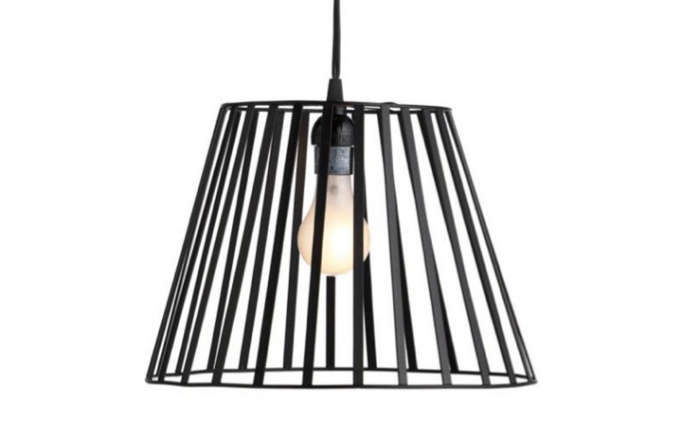
If rustic industrial style had an unofficial mascot, it might be the metal pendant light. Factory-style lighting is one of the fastest ways to introduce industrial character without remodeling a single wall. Oversized pendants over a kitchen island, swing-arm sconces beside a reading chair, and blackened steel task lamps on a desk all bring the look home quickly.
The appeal is not just the shape. It is the honesty of the materials. A matte black dome pendant, an aged brass sconce, or a cage-style fixture says, “I am here to work,” which is exactly the kind of energy rustic industrial decor loves. These fixtures feel functional first and decorative second, and that order matters.
For the Foundary-inspired version of this look, choose lighting with visible hardware, sturdy silhouettes, and finishes that feel slightly weathered rather than shiny and precious. A little patina is welcome. A fixture that looks like it might survive a small thunderstorm? Even better.
One smart trick is to use industrial lighting where you want contrast. In a soft white kitchen, black metal pendants create definition. In a room with reclaimed wood furniture, a steel floor lamp keeps the palette from drifting too far into “cabin gift shop.” Good lighting is functional, yes, but in this style it also acts like punctuation. It gives the room rhythm.
Favorite #2: Reclaimed Wood and Blackened Metal Furniture
The classic partnership that never gets old
There are few design romances more dependable than wood and metal. Reclaimed wood adds soul, grain, and visual warmth. Blackened steel, iron, or pewter-toned metal adds crisp structure and industrial backbone. Together, they create that rustic industrial sweet spot that feels handsome, grounded, and wonderfully unbothered by trends.
This combination works across almost every room. In the dining area, a chunky wood table with steel legs anchors the space. In the living room, a console with a weathered oak top and iron frame adds storage without visual fuss. In the bedroom, a wood bench with metal supports or a nightstand with riveted detailing can add just enough grit.
The key is to let the imperfections speak. Rustic industrial accents look best when the wood shows knots, variation, or a gently worn surface, and when the metal finish feels substantial rather than glossy. You want pieces that whisper “old workshop,” not scream “brand-new fake distressing from aisle seven.”
It also helps to vary scale. A heavy dining table can be paired with lighter metal chairs. A thick wood shelf can sit above slimmer brackets. This prevents the room from feeling too bulky. Rustic industrial style should feel sturdy, not like the furniture is preparing for a strongman competition.
Favorite #3: Exposed Hardware, Vintage Details, and Honest Utility
Because hiding all the working parts is overrated
One of the most charming things about industrial design is its willingness to let practical details remain visible. Hinges, rivets, brackets, handles, rolling casters, mesh fronts, and exposed pipes can all become part of the aesthetic. In rustic industrial rooms, these details add rhythm and authenticity.
This is where smaller accents really earn their keep. Swap plain cabinet pulls for bin-style hardware in black iron or aged brass. Use wall hooks that look like they came from an old workshop. Choose shelving with visible brackets. Add a rolling bar cart, a locker-inspired cabinet, or storage baskets with metal handles. These are not huge changes, but they create a layered, intentional look.
Vintage-inspired details are especially effective because they give the room a sense of story. A weathered trunk as a coffee table, an old factory stool tucked under a vanity, or a utility shelf with numbered drawers can make a space feel collected rather than decorated in one weekend during a dramatic online shopping spree.
Function matters here. Rustic industrial accents are at their best when they do something useful. A coat rack that actually holds coats. A bench that really gets sat on. A shelf that stores books instead of performing as an emotional support plank. Utility is part of the beauty.
Favorite #4: Softening the Grit with Leather, Linen, and Textiles
The room should feel warm, not like a fashionable warehouse draft
Here is where many rustic industrial spaces either become irresistible or drift into “cool but strangely hostile.” Hard surfaces need softness. Metal, brick, and reclaimed wood bring wonderful texture, but without textiles the room can feel visually sharp and physically chilly. Nobody wants a living room that looks amazing but feels like an apology.
To soften the industrial edges, add materials with touchable warmth. Leather is a natural fit, especially in cognac, saddle, or deep brown tones. Linen curtains bring movement and casual softness. A woven rug under a dining table or coffee table introduces texture and keeps the room from feeling acoustically harsh. Throw pillows in muted stripes, chunky knits, or washed canvas can lighten the mood without diluting the style.
This contrast is what makes rustic industrial design livable. You need the metal, yes, but you also need the fabric that says, “Please sit down and stay awhile.” The Foundary-inspired room is not sterile. It is rugged, yes, but also relaxed. It should feel like a place where coffee tastes better, books look smarter, and your dog somehow becomes more photogenic.
Keep the color palette grounded: charcoal, cream, warm white, tan, rust, tobacco, soft gray, and the occasional muted green or navy. These tones preserve the industrial mood while making the space feel richer and more welcoming.
Favorite #5: Salvage-Inspired Decor with Patina and Personality
The finishing touches that keep the room from feeling too polished
Rustic industrial style loves a good object with history, or at least with enough character to fake one convincingly. Salvage-inspired accents bring soul to the room because they feel a little imperfect, a little unexpected, and a lot more interesting than generic filler decor.
Think antique mirrors with aged frames, vintage crates, old signage, weathered cutting boards, ceramic crocks, iron candleholders, or sculptural pieces in stone and metal. A few of these details can completely change the tone of a room. Suddenly the space does not just look decorated. It looks discovered.
The smartest move is to choose accents that vary in material and scale. Pair a large mirror with a rough wood frame against a brick wall. Add a small metal tray on a reclaimed console. Use old books, pottery, or salvaged architectural fragments to create visual texture on open shelves. This creates layers without clutter.
And let us be honest: patina does a lot of emotional heavy lifting. It makes new rooms feel rooted. It gives polished spaces a little edge. It reminds us that not every beautiful thing needs to be flawless. A scuffed metal planter or a chipped ceramic vessel can have more presence than something pristine and expensive. Character is a design asset.
How to Use Rustic Industrial Accents Without Overdoing It
The easiest mistake in this style is going too literal. If every item in the room looks salvaged from a 1912 tool factory, the result can feel theatrical. Great rustic industrial decorating is curated, not costume design.
Start with one anchor piece. Maybe that is a reclaimed wood dining table, a black metal bookcase, or a set of industrial pendants. From there, layer supporting accents in measured doses. Add one or two vintage-inspired accessories. Bring in softness through rugs, upholstery, or curtains. Repeat finishes enough to create cohesion, but not so much that the room starts looking matchy.
It is also worth mixing cleaner elements into the room. Smooth white walls, simple upholstery, or modern art can keep rustic industrial accents from becoming visually heavy. The goal is tension in the best way: rough and refined, old and new, sturdy and comfortable.
Small-space tip: use rustic industrial accents strategically rather than everywhere. A single metal shelf, one reclaimed wood bench, or a pair of workshop sconces can be enough to establish the mood. A studio apartment does not need to cosplay as a steel mill.
Design Experiences: What Living with the Foundary Look Actually Feels Like
One reason people keep coming back to rustic industrial interiors is that the style changes the experience of a room, not just its appearance. A home with these accents often feels more grounded. More tactile. More honest. There is something deeply satisfying about reaching for a worn leather pull, setting a mug on a thick wood table, or seeing evening light hit a matte black sconce against a soft plaster wall.
In everyday life, the style often makes rooms feel more usable. A reclaimed bench in an entryway catches bags, shoes, and the occasional dramatic grocery haul. Metal hooks actually hold coats instead of behaving like decorative suggestions. Open shelving with visible brackets feels sturdy and straightforward. Rustic industrial design has a practical streak, and that practicality can make a home calmer to live in.
There is also an emotional side to it. Spaces with patina and texture tend to feel forgiving. A little scratch on a reclaimed table does not ruin the mood; it joins the story. A leather chair looks better with age. A vintage-style cabinet does not panic if real humans use it. In a world full of delicate surfaces and showroom perfection, that kind of resilience feels refreshing.
Many people also find that rustic industrial accents make entertaining easier. Guests naturally gather around substantial wood tables. Pendant lights create cozy pools of light that flatter both the room and the lasagna. Open-plan spaces feel more defined when metal-framed furniture and textured materials create visual zones. Even a simple apartment can feel elevated with a few of these details in place.
The style is especially memorable in kitchens, dining areas, and home offices. In the kitchen, industrial lighting and mixed wood-and-metal stools create a sense of energy and usefulness. In the dining room, the room feels ready for both Tuesday takeout and Thanksgiving ambition. In a home office, a steel-and-wood desk can make you feel at least twelve percent more competent, which is not nothing.
Another experience people love is how the style evolves over time. Rustic industrial rooms rarely look “finished” in a rigid way. You can add a vintage mirror later, swap in a softer rug next season, or find the perfect old stool at a flea market six months from now. The room grows with you. It collects. It layers. It becomes more personal rather than less.
And perhaps that is the real magic of the Foundary look. It does not chase perfection. It celebrates substance. It likes pieces that feel made, used, and worth keeping. It welcomes contrast: rough wood beside smooth stone, steel beside linen, utility beside comfort. That tension makes a home feel alive.
So if your rooms currently feel a little flat, a little too polished, or just one scented candle away from forgetting they have a personality, rustic industrial accents might be the answer. Start with one favorite. Add another. Let the textures build. Give the room something honest to say. You do not need a converted factory to pull it off. You just need a good eye, a little restraint, and maybe one gloriously moody pendant light that looks like it means business.
Conclusion
Rustic industrial style works because it blends backbone with warmth. The best version of the Foundary aesthetic is not cold or overly themed. It is layered, useful, textured, and welcoming. With factory-style lighting, reclaimed wood and metal furniture, exposed hardware, soft textiles, and salvage-inspired decor, you can create a home that feels timeless, practical, and full of character. In other words, a home with grit, but the charming kind.













