
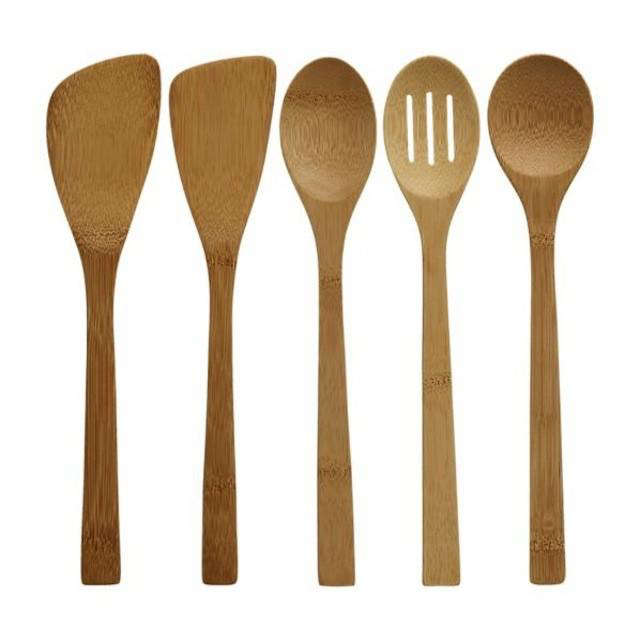
A 5-piece bamboo utensil set is one of those humble kitchen upgrades that quietly makes everyday cooking feel smoother, prettier, and a little more responsible. It will not beep, sync to Wi-Fi, or tell you your onions are “almost emotionally ready.” It simply stirs, flips, drains, mixes, and serves without scratching your pans or clanging like a marching band in a saucepan.
For home cooks who want practical tools with a warm natural look, bamboo utensils hit a sweet spot. They are lightweight but sturdy, gentle on nonstick cookware, easy to store, and usually affordable enough that you do not need to hold a family budget meeting before buying them. A typical set includes five essential pieces: a solid spoon, slotted spoon, single-hole mixing spoon, solid spatula, and slotted spatula. Together, they cover most daily cooking jobs, from scrambled eggs to pasta night to a heroic Sunday stir-fry.
This guide explores what makes a bamboo cooking utensil set useful, how to choose a good one, how to care for it, and when bamboo is the best tool for the job. Spoiler: bamboo is excellent, but it still does not want to live at the bottom of your sink. Nobody does.
What Is a 5-Piece Bamboo Utensil Set?
A 5-piece bamboo utensil set is a compact collection of cooking tools made from bamboo, a fast-growing natural material often used for kitchenware. The exact pieces vary by brand, but most sets are designed to handle the core movements of cooking: stirring, turning, scooping, draining, and mixing.
Common Tools Included in the Set
Most five-piece bamboo kitchen utensil sets include:
- Solid spoon: Best for stirring soups, sauces, oatmeal, beans, and rice dishes.
- Slotted spoon: Useful for lifting vegetables, dumplings, pasta, or fried foods while leaving liquid behind.
- Single-hole mixing spoon: Designed to reduce drag while stirring thick mixtures like batter, polenta, mashed potatoes, or chunky sauces.
- Solid spatula or turner: Handy for flipping pancakes, sautéing vegetables, and moving food around a skillet.
- Slotted spatula: Great for draining oil or liquid while lifting foods from a pan.
That small lineup can do a surprising amount. For a first apartment, dorm kitchen, RV, vacation cabin, or minimalist home kitchen, it may be all you need for everyday meals.
Why Bamboo Works So Well in the Kitchen
Bamboo has become popular in cooking tools because it offers a mix of comfort, durability, and good looks. It is not as hard or noisy as metal, not as heat-sensitive as many plastics, and not as floppy as some inexpensive silicone utensils. In short, bamboo shows up to work wearing sensible shoes.
Gentle on Nonstick Cookware
One of the biggest reasons cooks choose bamboo utensils for nonstick cookware is that bamboo is less likely to scratch delicate pan surfaces than metal tools. If you have nonstick skillets, ceramic-coated pans, or enameled cookware, bamboo spoons and spatulas are a smart everyday option. They allow you to stir and flip food without scraping up the coating that makes your pan useful in the first place.
Lightweight but Sturdy
Bamboo utensils feel light in the hand, which is helpful when you are stirring a large pot of chili or folding batter. At the same time, a well-made bamboo utensil has enough firmness for sautéing onions, mixing rice, or nudging a stubborn grilled cheese sandwich without bending like a sad plastic fork at a picnic.
Comfortable Natural Texture
Good bamboo utensils are usually smooth, warm to the touch, and comfortable to grip. They do not conduct heat like metal, so the handle stays easier to hold during normal stovetop cooking. They also bring a natural, relaxed look to the kitchen. If stainless steel says “professional test kitchen,” bamboo says “come in, dinner smells amazing.”
Benefits of a 5-Piece Bamboo Cooking Utensil Set
1. It Covers Everyday Cooking Tasks
A five-piece set is not excessive. It is practical. You get enough variety to cook most meals without stuffing your drawer with mysterious gadgets that only perform one job every leap year. The spoon handles sauces and soups. The slotted spoon rescues vegetables from boiling water. The spatulas flip and stir. The mixing spoon helps with thick foods. It is a small team, but everyone has a job.
2. It Helps Protect Cookware
Metal utensils are excellent for stainless steel and cast iron, but they can be too aggressive for nonstick and ceramic-coated surfaces. Bamboo offers a gentler option. It lets you cook eggs, pancakes, stir-fries, and sautéed vegetables without worrying that every movement is slowly turning your skillet into a scratched-up crime scene.
3. It Looks Good on the Counter
Bamboo utensils have a clean, natural appearance that fits many kitchen styles: farmhouse, modern, coastal, minimalist, boho, and “I bought everything during three different life phases and somehow it works.” A simple bamboo set in a crock beside the stove can make a kitchen look more organized instantly.
4. It Is Often Budget-Friendly
Compared with premium stainless steel, hand-carved hardwood, or high-end silicone sets, bamboo utensils are usually affordable. That makes them a thoughtful housewarming gift, college kitchen starter set, or easy replacement for old plastic tools that have seen too many spaghetti nights.
5. It Supports a Lower-Plastic Kitchen
Many households are trying to reduce single-use plastics and replace worn plastic kitchen tools with longer-lasting alternatives. A reusable bamboo utensil set is one simple swap. It will not single-handedly save the planet before breakfast, but it is a reasonable step toward a kitchen with fewer disposable and plastic items.
Bamboo vs. Wood vs. Silicone vs. Metal
No utensil material is perfect for every job. The best kitchens usually use a mix. Bamboo has specific strengths, but it is helpful to understand how it compares with other common materials.
Bamboo Utensils
Bamboo is lightweight, attractive, and gentle on cookware. It is ideal for stirring, sautéing, serving, and mixing. It needs hand washing and occasional oiling to prevent drying or cracking. Bamboo is best for cooks who want natural utensils with low maintenance, but not zero maintenance.
Wooden Utensils
Traditional wooden spoons, especially those made from dense hardwoods, can be extremely durable and beautiful. They may feel heavier and more substantial than bamboo. However, they require similar care: wash by hand, dry well, and oil when they look dry.
Silicone Utensils
Silicone is flexible, heat-resistant when made well, and often dishwasher-safe. It is excellent for scraping bowls and working with delicate cookware. However, some cooks dislike the bendy feel, and lower-quality silicone tools may retain odors or stain over time.
Metal Utensils
Stainless steel is strong, sleek, and great for cast iron, carbon steel, and stainless pans. It is not ideal for nonstick coatings. A metal spatula can be your best friend for smashing burgers on a griddle, but it should not be invited to scrape your nonstick omelet pan.
How to Choose the Best 5-Piece Bamboo Utensil Set
Look for Smooth Finishing
A quality bamboo cooking utensil set should feel smooth in your hand. Run your fingers along the handle, edges, and bowl of each spoon. There should be no rough patches, splinters, cracks, or sharp unfinished edges. If a utensil feels scratchy before its first use, it probably will not become more charming after stirring tomato sauce.
Choose Practical Shapes
Beautiful tools are nice, but shape matters. A solid spoon should have enough depth to stir and serve. A slotted spoon should drain efficiently. A spatula should have a thin enough edge to slide under food. The best bamboo utensils are simple, balanced, and shaped for real cooking rather than just countertop decoration.
Check the Length
Many bamboo utensils are around 11 to 12 inches long, which works well for skillets, saucepans, and medium pots. Longer handles are useful for deep stockpots, while shorter tools may be easier for small pans. For most kitchens, a standard 12-inch bamboo utensil is a good middle ground.
Avoid Mystery Coatings
Choose utensils made with food-safe finishes. Plain bamboo finished with food-grade oil or a simple food-safe coating is preferable to products with unclear paint, varnish, or decorative finishes on the food-contact area. If the product description is vague, keep shopping. Your soup does not need suspense.
Consider One-Piece Construction
Whenever possible, choose utensils made from a single solid piece of bamboo or from well-constructed bamboo with smooth joints. Fewer seams can mean fewer places for moisture and food debris to collect. This is especially important for tools that will be washed often.
How to Use Bamboo Utensils in Everyday Cooking
For Breakfast
Bamboo spatulas are excellent for scrambled eggs, pancakes, French toast, and breakfast potatoes. They are gentle enough for nonstick pans and sturdy enough to move food around without tearing it apart. A solid bamboo spoon also works well for oatmeal, grits, and fruit compotes.
For Lunch
Use a slotted spoon to serve pasta salad, steamed vegetables, or boiled eggs. A bamboo mixing spoon can stir tuna salad, chicken salad, or thick dressings without scraping your bowl. Bamboo also looks nicer on the table than a random plastic serving spoon that may or may not have survived three takeout orders.
For Dinner
A bamboo utensil set shines at dinner. Stir curry, sauté garlic, flip quesadillas, serve rice, mix stir-fry sauce, or lift roasted vegetables from a sheet pan. Bamboo is especially pleasant when cooking dishes that require frequent stirring because it feels light and balanced in the hand.
For Baking
The single-hole mixing spoon is helpful for batters and doughs because the hole reduces resistance. It is useful for muffin batter, cornbread, pancake mix, cookie dough, and thick sauces. It will not replace a stand mixer, but it will make hand mixing feel less like a forearm workout sponsored by flour.
How to Clean a Bamboo Utensil Set
The golden rule is simple: wash bamboo utensils by hand. Even if a product label says dishwasher-safe, hand washing is usually better for long-term appearance and performance. Dishwashers use prolonged moisture, high heat, and strong detergents, which can dry out, warp, or crack natural materials over time.
Step-by-Step Cleaning
- Rinse the utensil soon after cooking so food does not dry onto the surface.
- Wash with warm water, mild dish soap, and a soft sponge or dishcloth.
- Avoid steel wool or harsh scrubbers that can scratch the bamboo.
- Rinse thoroughly.
- Dry immediately with a clean towel.
- Let the utensil finish air-drying upright in a well-ventilated spot.
Do not soak bamboo utensils in the sink. Soaking allows water to penetrate the material, which can lead to swelling, roughness, cracking, or funky odors. A bamboo spoon forgotten overnight in dirty dishwater is not “marinating.” It is suffering.
How to Remove Odors
If a bamboo spoon picks up the smell of garlic, onion, curry, or fish, wash it promptly and let it dry in fresh air. For stubborn odors, gently rub the surface with a paste of baking soda and water, then rinse and dry. Lemon can help freshen smells, but do not leave acidic ingredients sitting on bamboo for long periods.
When to Oil Bamboo Utensils
Occasional oiling helps bamboo utensils stay smooth and less prone to cracking. Use food-grade mineral oil or another oil specifically recommended for wooden and bamboo kitchen tools. Apply a small amount with a clean cloth, let it absorb, then wipe away the excess. Oil the utensils when they look dry, pale, or rough. Monthly oiling is a practical routine for frequently used tools.
Common Mistakes to Avoid
Putting Bamboo Utensils in the Dishwasher Too Often
The dishwasher may be convenient, but it is tough on bamboo. Repeated cycles can shorten the life of the utensils. If you want your set to last, hand washing is the better habit.
Leaving Utensils in Hot Pans
Bamboo does not conduct heat like metal, but that does not mean it should be left resting in a hot skillet or pot. Extended heat exposure can dry the material and affect its finish. Use the utensil, then place it on a spoon rest.
Using Bamboo for Heavy Scraping
Bamboo is sturdy, but it is not a chisel. If you need to scrape deeply browned bits from a stainless steel pan, a metal utensil may work better. Use bamboo for stirring, flipping, and serving rather than aggressive scraping.
Ignoring Cracks or Splinters
Replace any bamboo utensil that develops deep cracks, splinters, or rough areas that cannot be smoothed. Damaged utensils can trap food particles and become harder to clean. A worn-out spoon has served bravely. Let it retire with dignity.
Is a Bamboo Utensil Set Safe?
A well-made bamboo utensil set intended for cooking is generally safe for everyday kitchen use when it is cleaned, dried, and maintained properly. The key is to buy from a reputable seller, choose products labeled for food contact, and avoid tools with peeling coatings, strong chemical smells, or suspiciously glossy finishes on the cooking surface.
This article focuses on solid bamboo cooking utensils, not bamboo-fiber plastic composites. Some products marketed as “bamboo” may actually be plastic mixed with bamboo powder or plant fibers. For hot foods and daily cooking, solid bamboo utensils or clearly labeled food-safe kitchen tools are the better choice.
Who Should Buy a 5-Piece Bamboo Utensil Set?
A bamboo utensil set is ideal for new cooks, college students, apartment dwellers, newlyweds, minimalists, and anyone replacing scratched, melted, or mystery-stained plastic tools. It is also a great choice for people who cook with nonstick or ceramic-coated cookware and want utensils that are quiet, light, and gentle.
It may not be the only utensil set you ever need. Serious grillers, cast-iron enthusiasts, and frequent deep-fry cooks may still want stainless steel tongs, a fish spatula, or silicone scrapers. But as a daily cooking foundation, a five-piece bamboo set is simple, useful, and pleasantly low-drama.
Gift Ideas and Kitchen Pairings
A 5-piece bamboo utensil set makes an easy gift because it is practical without feeling impersonal. Pair it with a bamboo cutting board, a jar of food-grade mineral oil, a ceramic utensil holder, or a favorite cookbook. For a housewarming gift, wrap the utensils in a cotton kitchen towel and add a handwritten recipe. Suddenly, you are not just giving spoons. You are giving “future soup energy.”
For a more complete kitchen starter kit, pair bamboo utensils with a nonstick skillet, stainless saucepan, mixing bowls, measuring cups, and a chef’s knife. This combination covers most beginner cooking needs without overwhelming the recipient with gadgets they will never use.
Real-Life Experiences With a 5-Piece Bamboo Utensil Set
In everyday cooking, the charm of a bamboo utensil set is not dramatic. It is not the kitchen equivalent of a fireworks show. It is more like a reliable neighbor who always returns your ladder. You reach for the same spoon again and again because it feels right, does the job, and does not make cooking more complicated than it needs to be.
One of the first things many home cooks notice is how quiet bamboo utensils are. Stirring soup with a metal spoon can sound like you are mining for treasure at the bottom of the pot. Bamboo is softer and calmer. When making tomato sauce, chili, or a weeknight vegetable soup, a solid bamboo spoon glides around the pan without that sharp metallic scraping sound. It makes cooking feel a little more peaceful, especially at the end of a long day.
The slotted spoon tends to become a surprise favorite. It is useful for lifting boiled potatoes, scooping tortellini, serving green beans, or fishing a test piece of pasta from the pot. It also works well when serving foods that sit in sauce or broth. You can control how much liquid comes along for the ride, which is very important when the plate already has enough drama from the main course.
The single-hole mixing spoon is the odd-looking one in the set, but it earns its keep quickly. When stirring pancake batter, muffin mix, or thick cheese sauce, the hole helps the spoon move more easily through the mixture. It is a small design feature, but it makes a difference. Once you use it for cornbread batter or mashed sweet potatoes, it stops looking strange and starts looking clever.
The spatulas are especially useful with nonstick pans. A bamboo turner can slide under eggs, quesadillas, grilled sandwiches, and sautéed zucchini without making you wince about scratches. It may not be as thin as a metal fish spatula, so it is not always perfect for delicate fish or ultra-crispy smash burgers. But for normal home cooking, it handles the basics well. If your cooking style involves eggs, pancakes, fried rice, and vegetables, bamboo spatulas will probably spend very little time in the drawer.
Another experience worth mentioning is how bamboo changes over time. With use, it may darken slightly, become smoother in some places, and develop a lived-in look. That is normal. Bamboo utensils are not meant to look factory-new forever. They become part of the kitchen. The spoon that stirred your first homemade soup of the season may eventually look a little more golden than the spatula you only use on weekends. This is not a flaw; it is kitchen history.
Care habits also become second nature. At first, hand washing may feel like a tiny inconvenience if you are used to throwing everything in the dishwasher. But bamboo utensils are quick to clean. A rinse, a little soap, a gentle scrub, and a towel dry usually take less than a minute. Keeping them out of standing water is the real secret. Once that habit sticks, the utensils can last much longer and stay nicer to use.
The most common frustration comes from neglect. If bamboo utensils are soaked, left wet, or put through the dishwasher repeatedly, they may roughen, crack, or warp. This is why a simple care routine matters. Think of bamboo utensils like cast iron’s low-maintenance cousin. They do not ask for much, but they do ask that you not abandon them in a swampy sink overnight.
For small kitchens, the five-piece size is another advantage. Huge utensil sets look exciting online, but in real life they often create drawer chaos. Five pieces are enough to cover everyday cooking without forcing you to organize fifteen slightly different spoons. A compact bamboo set fits easily in a crock, drawer, or hanging rack. It keeps the kitchen functional and tidy, which is a gift to your future self during dinner rush hour.
Overall, using a bamboo utensil set feels practical, comfortable, and pleasantly old-school. These tools do not try to reinvent cooking. They simply make stirring, flipping, mixing, and serving easier. In a kitchen world full of gadgets promising miracles, there is something refreshing about a spoon that just wants to be a good spoon.
Conclusion
A 5-piece bamboo utensil set is a smart, affordable, and attractive addition to almost any home kitchen. It gives you the essential tools for daily cooking while helping protect nonstick cookware and reducing reliance on plastic utensils. Bamboo is lightweight, comfortable, and naturally stylish, making it just as useful for serving at the table as it is for stirring at the stove.
The key to getting the most from bamboo is proper care. Wash the utensils by hand, dry them well, avoid soaking, and oil them occasionally when they look dry. Treat them kindly, and they will reward you with years of quiet, dependable service. They may not be flashy, but they are the kind of kitchen tools you reach for without thinkingwhich is usually the highest compliment a utensil can receive.
Note: This article is written for general kitchen education and product guidance. Always follow the care instructions provided by the specific manufacturer of your bamboo utensil set.













