
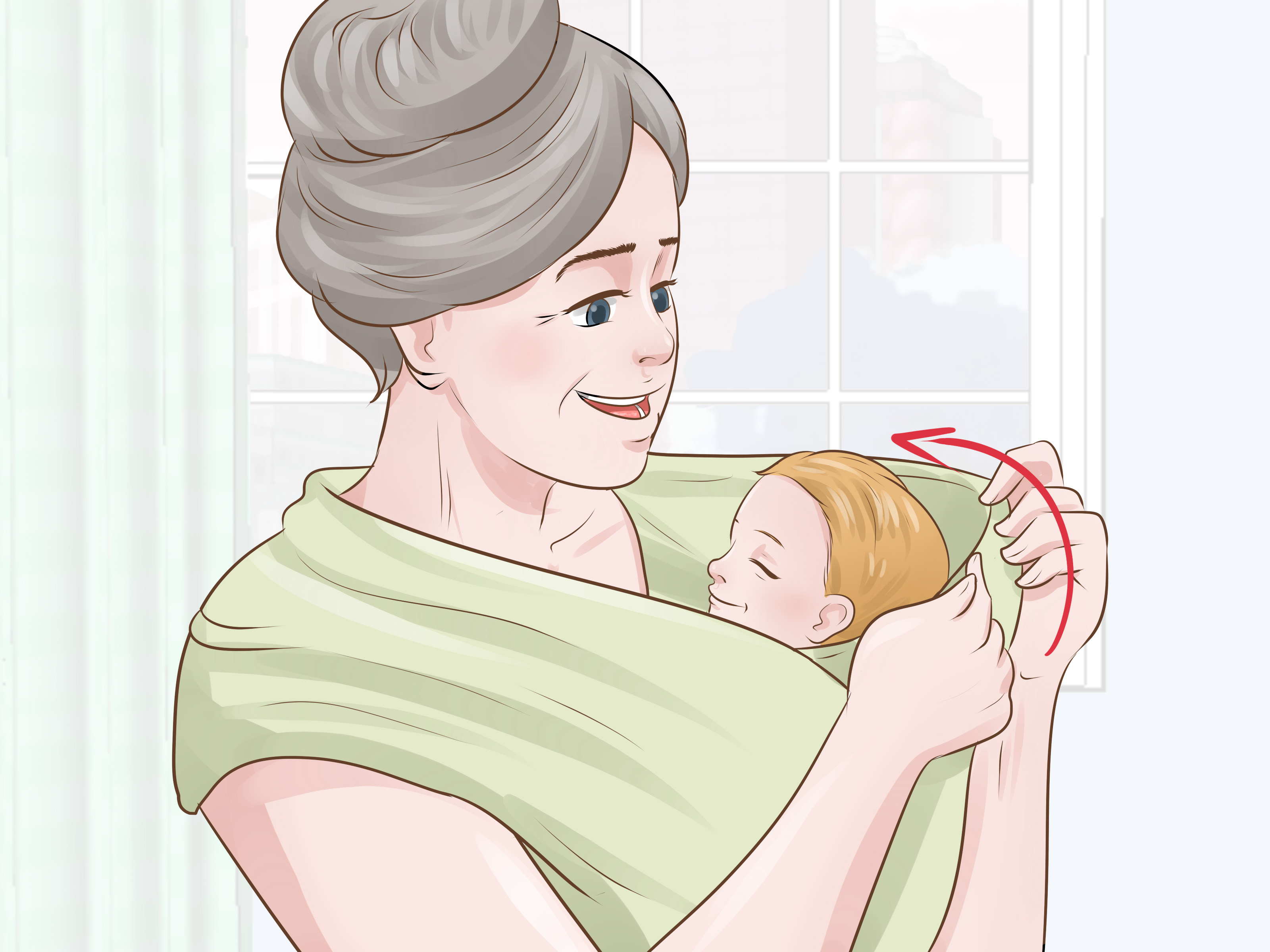
A Moby baby wrap looks simple at first: one long piece of soft fabric, no buckles, no mystery clips, no tiny parts that disappear into the couch. Then you unfold it and realize it is approximately the length of a friendly garden hose. Do not panic. Once you learn the basic setup, a Moby Wrap can become one of the most useful pieces of baby gear in your home.
Babywearing can help keep your little one close while giving your arms a much-needed break. It can also make everyday moments easier, from pacing the hallway during fussy hour to making a sandwich with two hands like a fully functioning adult. The key is using the wrap correctly, choosing the right carry for your baby’s age and development, and doing safety checks every single time.
This guide explains five practical ways to wear a Moby baby wrap, including newborn-friendly carries, older-baby options, hip positioning, and nursing-friendly use. It is written for parents and caregivers who want clear, realistic advice without needing a PhD in fabric origami.
Important safety note: Always follow the instruction manual for your specific Moby model. Most classic stretchy Moby wraps are designed for babies within a specific weight range, commonly starting around 8 pounds. If your baby was born premature, has breathing concerns, is under the recommended weight, or has any medical condition, ask your pediatrician before babywearing.
Before You Start: The Moby Wrap Safety Checklist
Before learning the five ways to wear a Moby baby wrap, memorize this simple rule: safe babywearing is snug, high, visible, and breathable. Your baby should be close enough to kiss, with their face uncovered and their chin off their chest. If you cannot easily see your baby’s nose and mouth, the wrap needs adjusting.
Check Baby’s Airway
Your baby’s face should never be buried in fabric, pressed into your chest, or curled into a tight C-shape. Newborns have limited head and neck control, so even a small positioning problem can make breathing harder. Keep the head supported, the neck straight, and the nose and mouth visible.
Support the Hips
A good wrap position supports baby’s thighs from knee to knee, with knees slightly higher than the bottom. This is often called the “M position” because baby’s legs form a gentle M shape. Avoid positions where the legs dangle straight down without support.
Practice First
Practice wrapping in front of a mirror and, if possible, over a bed or soft surface. Try the wrap with a doll or stuffed animal first. Yes, you may feel silly. No, the teddy bear will not judge you.
1. Newborn Hug Hold: Best for Tiny Snuggles
The Newborn Hug Hold is one of the most popular ways to wear a Moby baby wrap because it keeps a small baby upright, close, and supported. This carry is designed for young babies who need full head and neck support, and it is often the first hold parents learn.
When to Use It
Use the Newborn Hug Hold when your baby meets the minimum weight requirement for your wrap and still needs extra support. It is especially helpful during the early weeks when your baby wants to be held constantly and your coffee would like to be reheated for the fourth time.
How It Works
Start by tying the basic Moby wrap setup: center the logo panel at your waist, cross the fabric behind your back, bring the panels over your shoulders, tuck them through the front panel, cross them again, and tie securely. The fabric should feel snug before baby goes in, not loose and droopy.
Once the wrap is ready, place baby high on your chest. Guide each leg into the appropriate fabric passes according to your manual, then spread the fabric across baby’s back and bottom. The outside panel should come up for added support, but never cover baby’s face.
Safety Tips for the Newborn Hug Hold
- Keep baby’s head close enough to kiss.
- Make sure baby’s chin is not pressed into the chest.
- Check that baby’s nose and mouth are visible at all times.
- Support the head when bending, moving, or adjusting the wrap.
- Do not let baby sleep in a low, slumped, or hidden position.
The Newborn Hug Hold is wonderful for calm walks around the house, contact naps while you are awake and alert, and soothing a baby who seems to believe your arms are their official residence.
2. Hug Hold: The Everyday Front Carry
The standard Hug Hold is the classic front-inward carry many parents picture when they think of a Moby Wrap. Baby faces your chest, legs are supported, and the wrap spreads weight across your shoulders and back. This is the “we need groceries, but the baby has voted against the stroller” carry.
When to Use It
The Hug Hold is generally used when baby is a little older, has better body control, and is ready for legs-out positioning. Some Moby guidance suggests introducing the traditional Hug Hold when baby begins fully stretching the legs, often around 3 to 4 months, though development varies. Always follow your own wrap’s instructions.
Why Parents Like It
This carry distributes weight nicely and keeps baby close without requiring you to hold them with both arms the entire time. It is helpful for short errands, household tasks that do not involve heat or sharp objects, and walks when baby wants a front-row seat to your shirt buttons.
How to Position Baby
Baby should sit upright against your chest, tummy to tummy. The fabric should support the thighs from knee to knee, with knees higher than the bottom. Spread each shoulder panel smoothly across baby’s back and bottom, then pull the outer panel up to secure the carry. The top edge of the fabric should support baby’s upper back but should not cover the face.
Common Hug Hold Mistakes
- Too loose: If baby sags lower as you walk, retie the wrap tighter.
- Too low: Baby should not sit near your belly button. Keep them high on your chest.
- Face covered: Fabric should never block airflow or your view of baby’s face.
- Unsupported seat: Make sure the fabric reaches from knee to knee.
Once you get the Hug Hold right, it often becomes the default carry. It is cozy, practical, and surprisingly good at convincing a fussy baby that the world is not ending because someone blinked too loudly.
3. Kangaroo Wrap and Hold: A Cozy Front Option
The Kangaroo Wrap and Hold is another front-inward way to wear a Moby baby wrap. It gives baby a snug, upright position and can feel slightly different from the standard Hug Hold because of how the fabric is arranged and tightened.
When to Use It
This hold is commonly introduced for babies who meet the wrap’s minimum weight requirement. It can work well for parents who like a close, compact feel and want another option besides the standard Hug Hold.
What Makes It Useful
The Kangaroo Hold can feel very secure when adjusted properly. It keeps baby centered on your chest and allows you to fine-tune the fabric around the baby’s body. For caregivers who enjoy a snug fit, this hold can feel like a warm little baby burrito, except the burrito has opinions and may demand milk.
Positioning Tips
As with every Moby carry, baby should be upright, visible, and close enough to kiss. The wrap should support baby’s back and hips without pressing the chin toward the chest. Check that the fabric is smooth and evenly tensioned. Twisted fabric can create pressure points on your shoulders or baby’s body.
Best Uses for the Kangaroo Hold
- Short walks around the neighborhood
- Soothing a fussy newborn or young infant
- Hands-free bonding while standing or moving gently
- Calm household routines like folding laundry
Avoid using any wrap carry while cooking over a stove, drinking hot liquids, driving, biking, running, or doing workouts. If you would not do the activity while holding your baby in your arms, do not do it while wearing your baby in a wrap.
4. Hip Carry: For Curious Older Babies
At some point, many babies decide that facing your chest is lovely but also deeply unfair because the world is happening behind them. A hip carry lets an older baby sit slightly to the side, giving them a better view while still keeping them close.
When to Use It
A hip carry is best for babies with strong head and trunk control. Your baby should be able to sit with support and maintain an upright position without slumping. This is not a newborn carry.
Why It Helps
Hip carrying can feel natural because many parents already carry older babies on one hip. The wrap simply helps distribute some of that weight, which your lower back will appreciate with the enthusiasm of a tired office worker finding free coffee.
How to Keep It Safe
Baby should remain upright and supported, with the fabric under the thighs and across the back. The seat should be deep enough that baby does not slide, and the wrap should be tight enough that baby stays close to your body. Keep one hand nearby when learning this carry, especially while adjusting or bending.
Best Situations for a Hip Carry
- Quick transitions in and out of the wrap
- Short errands with an alert older baby
- At-home use when baby wants to see more
- Caregivers who naturally hold baby on one side
Because hip carries can place more weight on one side of your body, switch sides when possible. Your spine deserves equal-opportunity parenting.
5. Nursing-Friendly Upright Hold: For Feeding Breaks
Many parents wonder whether they can breastfeed in a Moby Wrap. The answer is: sometimes, carefully, and not as a set-it-and-forget-it situation. Moby’s own breastfeeding guidance emphasizes supporting baby with your arms during feeding and returning baby to an upright, visible position afterward.
When to Use It
A nursing-friendly upright hold may help if baby can latch in a vertical position and you can maintain constant attention. This is not the time to multitask, chop vegetables, scroll into another dimension, or assume the wrap is doing everything.
How to Think About Nursing in a Wrap
For upright nursing, loosen the wrap only enough to bring baby to breast height while keeping baby’s body supported. Use your arms to support baby. After feeding, move baby’s face away from the breast, return baby to a high upright position, retighten the wrap, and check breathing and visibility.
What Not to Do
- Do not breastfeed hands-free without monitoring baby.
- Do not let baby remain low in the wrap after feeding.
- Do not allow baby’s face to rest against the breast or fabric.
- Do not use a horizontal nursing position inside the wrap unless your current manufacturer instructions and a trained professional confirm it is safe for your baby.
For many families, the safest and simplest option is to take baby out of the wrap to nurse, leave the wrap tied on your body, and place baby back in an upright carry afterward. It takes a little longer, but safe breathing beats convenience every time.
How to Choose the Right Moby Wrap Carry
The best way to wear a Moby baby wrap depends on your baby’s age, weight, head control, and mood. Newborns usually need the most support and the most frequent airway checks. Older babies may enjoy a standard Hug Hold or hip carry. Nursing use should be treated as a supervised feeding adjustment, not a casual hands-free mode.
Quick Carry Comparison
- Newborn Hug Hold: Best for young babies who need extra support.
- Hug Hold: Best everyday front carry for babies ready for legs-out positioning.
- Kangaroo Hold: Best for a snug, centered front carry.
- Hip Carry: Best for older babies with strong head and trunk control.
- Nursing-Friendly Upright Hold: Best for supervised feeding breaks, followed by immediate repositioning.
Real-Life Tips for Wearing a Moby Baby Wrap
First, tie the wrap tighter than you think you need. Stretchy wraps loosen slightly once baby is inside, so a wrap that feels “comfortable and roomy” before baby goes in may become “why is my baby near my knees?” five minutes later. The fabric should fit like a snug T-shirt, not like a hammock.
Second, dress yourself and baby lightly. A wrap adds a layer of fabric around both of you, and babies can overheat faster than adults. In warm weather, choose breathable clothing, stay in the shade, and check the back of baby’s neck for heat or sweat. In cold weather, avoid bulky snowsuits inside the wrap because they can interfere with safe positioning. Dress in thinner layers and use outerwear over both of you when appropriate.
Third, use mirrors, phone cameras, or another adult for fit checks. A quick photo from the side can reveal whether baby is too low, too curled, or not fully supported. If something looks off, take baby out and start again. Retrying is not failure; it is parenting with better fabric tension.
Fourth, know when the wrap is no longer the best tool. A classic stretchy wrap may technically fit within the stated weight range, but as babies get heavier and more active, some caregivers prefer a structured carrier for longer outings. If your shoulders ache, baby bounces when you walk, or you need to retie constantly, it may be time to use a different carrier style.
Finally, trust your instincts. If your baby sounds raspy, looks squished, feels too warm, or seems uncomfortable, remove them from the wrap and reassess. Babywearing should feel secure, calm, and connected, not like a circus act performed with laundry.
Common Questions About Moby Baby Wraps
Can a newborn use a Moby Wrap?
Many Moby wraps are intended for babies starting around 8 pounds, but you should always check the label and manual for your exact model. Ask a pediatrician before wrapping a premature baby, a baby under the minimum weight, or a baby with respiratory or medical concerns.
Can baby face outward in a Moby Wrap?
For a classic stretchy wrap, front-inward and certain hip carries are the usual safe options. Some newer Moby carrier models may allow forward-facing use at a certain age, but do not assume every wrap does. Follow the instructions for your specific product.
Can I use a Moby Wrap for back carrying?
Standard stretchy wraps are not generally recommended for back carrying because the stretch can make it harder to maintain secure support. Use only carrying positions approved in your manual.
How long can I wear my baby?
There is no single perfect time limit for every baby, but breaks are important. Take baby out regularly for feeding, diaper changes, stretching, and floor time. If either of you seems uncomfortable, the session has lasted long enough.
Experience-Based Advice: What Wearing a Moby Wrap Feels Like in Real Life
Wearing a Moby baby wrap for the first time can feel like preparing for a magic trick. You find the middle label, cross the panels, tuck the ends, tie the knot, and wonder whether every other parent secretly attended a wrapping seminar without telling you. The good news is that the learning curve gets much shorter after a few tries. By the fifth or sixth practice session, most caregivers begin to understand how snug the fabric should feel and where baby should sit.
One of the biggest real-life lessons is that timing matters. A hungry, overtired baby is not always excited to become part of a wrap tutorial. Practice when baby is calm, fed, and wearing a clean diaper. The same goes for you. Trying to learn a new carry while late for an appointment is a bold choice, but not necessarily a wise one. Start at home, in front of a mirror, when nobody is honking outside.
Another practical experience is that small adjustments make a huge difference. If your shoulders hurt, the fabric may be bunched near your neck instead of spread across your shoulder caps. If baby feels too low, the wrap may have been loose before baby went in. If baby’s head disappears into the fabric, the panel is too high or not positioned correctly. The Moby Wrap is forgiving, but it rewards neatness. Smooth fabric supports better than twisted fabric.
Parents also quickly discover that babywearing is not truly “hands-free” in every situation. It is more accurate to call it “hands-available.” You can pick up toys, open doors, fold towels, or eat a snack with fewer acrobatics. But you still need to monitor baby constantly, support baby when bending, and avoid risky activities. The wrap is a carrier, not a babysitter with fabric credentials.
For many families, the Moby Wrap shines during fussy evenings. Babies often like the warmth, motion, and heartbeat-level closeness. A slow walk around the living room can feel boring to you and deeply therapeutic to a baby. Add gentle bouncing, soft talking, or a stroll outside, and the wrap may become part of your calming routine.
Caregivers with different body sizes may need slightly different tying habits. Some prefer tying the knot in front; others tie at the side or back depending on how much fabric remains. What matters most is that the knot is secure, the wrap is snug, and the carry follows the manual. Babywearing is not a fashion contest, though if you manage a perfect wrap on the first try, you are allowed to feel mildly heroic.
The most valuable experience-based tip is simple: stop and reset when something feels wrong. Do not keep adjusting endlessly while baby slowly slides lower. Take baby out, retie, and try again. Every experienced babywearer has restarted a wrap. Probably many times. Possibly while muttering.
With patience, the Moby Wrap can become a cozy bridge between newborn snuggles and busy daily life. It keeps baby close, helps distribute weight, and gives caregivers a flexible way to respond to the baby who wants to be held exactly now, thank you very much.
Conclusion
Learning the five ways to wear a Moby baby wrap gives you more flexibility as your baby grows. The Newborn Hug Hold is ideal for early closeness, the Hug Hold is a reliable everyday front carry, the Kangaroo Hold offers a snug alternative, the hip carry helps curious older babies see more, and nursing-friendly upright use can support supervised feeding breaks. The secret is not just knowing the holds; it is checking fit, airway, hip support, and comfort every time.
A Moby Wrap can be soft, practical, and wonderfully bonding when used correctly. Start slowly, practice often, follow your specific manual, and remember: snug fabric, visible face, open airway, supported hips. That is the babywearing sweet spot.













