
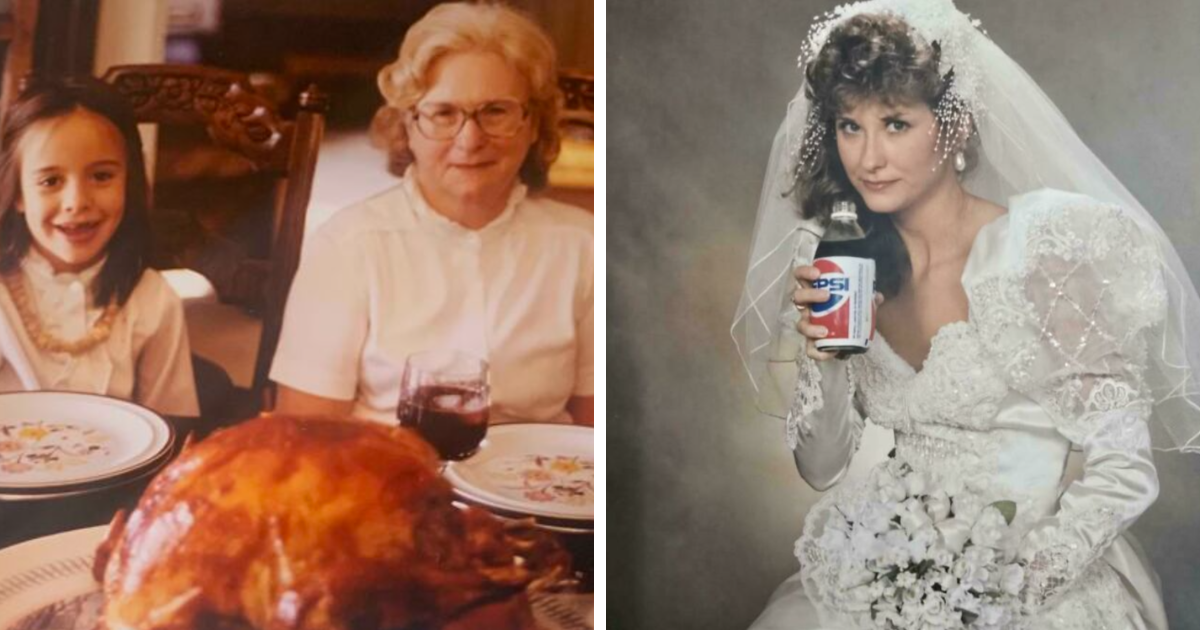
If a single decade could walk into a room wearing shoulder pads, carrying a boombox, chewing Bubble Tape, and somehow still look confident, it would be the 1980s. That is exactly why 1980s photos hit so hard today. They are loud, colorful, gloriously overcommitted, and often just a little unhinged in the best possible way. One snapshot of a packed shopping mall, a neon aerobics class, or a teenager proudly holding a brick-sized portable stereo can say more about the era than a dozen history books.
What makes these images so irresistible is not just the fashion, though the fashion absolutely deserves its own standing ovation. It is the way the decade looked like it believed in spectacle. The 1980s culture of the United States ran on ambition, personality, convenience, consumption, and image. The result was a visual style that turned everyday life into a stage set. If you scroll through 50 fascinating photos from the decade, you start seeing the same big themes pop up again and again: malls packed with people, giant hair, music everywhere, workout gear in shades not found in nature, living rooms filling up with electronics, and a sense that the future had finally arrived, even if it occasionally ran on cassette tapes.
Why 1980s Photos Still Feel So Electric
The reason 1980s nostalgia remains so powerful is simple: the decade photographed beautifully. It was built for the camera. Bright colors, sharp silhouettes, glossy surfaces, music videos, big logos, and even bigger attitudes all combined to create images that still feel instantly recognizable. Unlike more muted eras, the eighties rarely whispered. It preferred to shout from across the food court.
That visual confidence came from major cultural shifts happening all at once. Music television helped transform artists into full-blown style icons. Personal technology became more visible and portable. Home entertainment expanded with VCRs, cable, game consoles, and home computers. Fashion leaned theatrical. Retail spaces became social spaces. And photography itself became more immediate and casual, making it easier for people to document everyday weirdness before the internet turned documenting everyday weirdness into a full-time occupation.
That is why so many retro photos from the era feel alive instead of archived. They capture a country performing itself in real time.
What Those 50 Fascinating Photos Usually Reveal
1. The Mall Was Basically a Teenage Kingdom
If you want to understand the eighties, start at the mall. Not just for shopping, but for social life. Mall culture was where fashion, flirting, fast food, boredom, and identity all collided under fluorescent lighting. A photo of a crowded atrium, a fountain, or a line outside a trendy store instantly tells you what mattered in the decade: being seen, hanging out, and maybe buying something shiny on the way to Orange Julius.
Photos from that era often show malls as miniature cities. Parents pushed strollers, teenagers roamed in packs, and stores doubled as status symbols. The mall was climate-controlled capitalism with a soundtrack, and for millions of Americans, it was the place to be on a Saturday.
2. Fashion Had Absolutely No Interest in Being Subtle
The eighties dressed like they had a point to prove. In photo after photo, you see 80s fashion going all in: shoulder pads, acid-wash denim, leggings, power suits, leather jackets, oversized sweaters, metallic fabrics, giant earrings, and hair with enough volume to qualify as architecture. It was an era when looking understated was almost suspicious.
Part of that visual drama reflected changing ideas about gender, work, and power. The rise of power dressing, especially in offices and pop culture, showed up everywhere from corporate portraits to candid street shots. Even when people were just going to the mall, they often looked like they were either headed to a board meeting or auditioning for a synth-pop video. Sometimes both.
3. MTV Turned Image Into Currency
Once music videos became central to pop culture, style stopped being a bonus and became part of the product. That shift helps explain why so many 1980s photos feel choreographed, even when they are casual. People were absorbing a new visual language from television: stronger poses, bolder outfits, sharper personas. The decade did not just listen to music. It watched it.
That visual revolution spills into ordinary snapshots. Suddenly, a teen with teased bangs and fingerless gloves does not just look dressed up. They look media-trained. The eighties taught people that self-presentation mattered, and photos became proof that you were keeping up.
4. Technology Became Personal, Portable, and Weirdly Beautiful
The eighties loved gadgets, especially gadgets you could show off. This was the age of the Walkman, the VCR, the home computer, the boom box, the arcade cabinet, and the instant camera. In other words, the decade did not just consume technology. It posed with it.
A photo of someone jogging with foam headphones or carrying a portable cassette player is not just a tech image. It is a cultural one. The point was freedom: private music, recorded TV, playable games, editable identities, and gadgets that made ordinary life feel futuristic. Home computers sat in bedrooms and dens like portals to tomorrow. VCRs changed how families watched television. Instant cameras turned everyday moments into immediate keepsakes. A lot of eighties photography feels wild because the decade was busy teaching people to live through devices that now look delightfully clunky.
5. Fitness Became a Full-Blown Performance
No visual history of the decade is complete without aerobics. If the seventies jogged so the eighties could sparkle, the eighties took that baton and wrapped it in neon spandex. Photos of exercise classes from the era are unforgettable because they capture fitness becoming entertainment. Sweat was still involved, but so were leg warmers, music, choreography, and enough Lycra to make a modern yoga studio blush.
These images reveal more than a trend. They show a culture newly obsessed with self-improvement, body image, and wellness as lifestyle. The gym was no longer just a place to train. It became a place to perform optimism in high-cut leotards.
6. Arcades and Toys Turned Fun Into a Public Event
Photos of arcades, toy aisles, and birthday parties from the eighties always feel charged with possibility. Maybe that is because so much of childhood in the decade happened in public spaces. Arcades glowed like electric caves, packed with teenagers feeding quarters into machines while adults wondered whether civilization was ending. Toy crazes created retail chaos that now feels almost mythic. And all of it photographed beautifully: bright packaging, blinking lights, crowded aisles, kids on a sugar-powered mission.
Today, those images look charming. At the time, some adults saw menace, noise, and disorder. That tension is part of what makes them fascinating. The same photo can look like childhood magic or a moral panic in progress, depending on who is holding it.
7. The Boombox Was More Than a Stereo
A true eighties boombox photo is never just about audio equipment. It is about presence. The boombox symbolized portability, community, neighborhood sound, and the rise of hip-hop as an unmistakable force in American life. It was public, not private. If the Walkman said, “This is my soundtrack,” the boombox said, “Congratulations, this is now everyone’s soundtrack.”
That is why boombox images still carry so much personality. They represent a decade when music spilled into parks, sidewalks, basketball courts, and stoops. They are part tech object, part cultural flag.
8. Instant Photography Helped Make the Decade Feel Spontaneous
One reason eighties life looks so accessible in photos is that instant photography helped normalize the idea of capturing the moment right now. Party snapshots, vacation photos, goofy friend groups, prom pictures, beach days, and weird living-room scenes all gained a looser, more immediate feel. People did not need to wait as long to see themselves. That alone changed how memories were made.
And what memories they were. The decade delivered endless photo material: roller rinks, school dances, decorated bedrooms, giant televisions, big family sedans, home perms, novelty sweatshirts, and holiday photos with color palettes so intense they practically hum.
The Wild, Weird, and Wonderful Truth About the Eighties
The best retro photos from the eighties are not memorable because everything was glamorous. Plenty of it was awkward, excessive, or unintentionally hilarious. But that is exactly the charm. The decade believed in trying things. Sometimes that meant a brilliant new form of entertainment. Sometimes it meant furniture that looked like it belonged in a spaceship dentist office. Either way, the camera loved it.
And the “wild” part of the title really matters. The eighties were visually restless. They mixed consumer confidence with cultural anxiety, futurism with nostalgia, polish with chaos. You can see it in office photos with giant shoulders and bigger ambition. You can see it in snapshots of teenagers at arcades or malls, creating their own social worlds. You can see it in the gap between public cool and private goofiness. The decade was serious about image, but it was also full of delightfully unserious moments.
The “weird” part comes from the fact that the future had arrived in forms that now seem wonderfully strange. Portable cassette players, giant stereos, thick televisions, corded phones in loud colors, and personal computers with tiny memories all felt advanced at the time. Looking back, they seem almost charmingly mechanical. The eighties imagined tomorrow using plastic buttons and blinking lights.
And then there is the “wonderful.” That quality lives in the photographs that do not try too hard. A family in matching windbreakers. Friends crowding a mall railing. A kid hugging a toy like it just changed their life. Someone dancing in a leotard with total sincerity. The wonder of the decade was not perfection. It was enthusiasm. The eighties committed to the bit, and the bit was living loudly.
Why These Photos Keep Pulling Us Back
There is a reason people cannot stop sharing 1980s nostalgia galleries online. These images offer a version of the past that feels tangible. You can almost hear the arcade sounds, smell the food court, feel the texture of the windbreaker, and sense the weight of the camera flash. The photos remind us of an in-between era: modern enough to feel familiar, analog enough to feel magical.
They also remind us that every generation believes its style makes perfect sense at the time. Someday, future internet archaeologists will examine our photos and ask why we all owned giant water bottles, took mirror selfies in identical white kitchens, and pretended that beige was a personality trait. The eighties simply got there first, louder, and with better soundtrack options.
So yes, those 50 fascinating photos prove the 1980s were wild, weird, and wonderful. But they also prove something else: when a culture embraces spectacle, technology, and self-expression all at once, it leaves behind unforgettable pictures. The eighties did not just live. They posed.
Extra Reflections: What It Felt Like to Experience the Eighties Through Photos
Even if you did not live through the decade yourself, the experience of looking at eighties images can feel strangely personal. That is because so many of the scenes are built around familiar rituals: hanging out with friends, going shopping, watching TV, trying on a new style, showing off a new gadget, or making a moment feel bigger than ordinary life. The details may scream 1986, but the emotions are timeless.
Imagine walking into a suburban mall on a Saturday afternoon. The tile floors shine. The stores are bursting with color. Somewhere nearby, a cassette single is playing too loudly. Teenagers lean against a railing pretending not to care who is watching, while caring very much who is watching. Parents move more slowly, carrying bags and trying not to lose track of anyone. The air smells like popcorn, pretzels, and possibility. A photo from that scene does not just document a place. It captures a whole social ecosystem.
Now picture a living room with a chunky television, a VCR underneath it, and a shelf of tapes that feel like treasure. Maybe someone is trying to set the clock and losing the battle. Maybe a family is about to watch a rented movie that had to be returned tomorrow or risk a fee severe enough to become household lore. That kind of image says something important about the era: entertainment was becoming more personal and flexible, but it still felt communal. People gathered around screens instead of disappearing into them one by one.
Then there is the fashion experience, which was less “quiet luxury” and more “loud confidence with a side of synthetic fabric.” People really dressed for impact. School photos, office snapshots, party pictures, and vacation albums all show the same instinct: make the look memorable. The clothes were not always flattering, but they were rarely timid. There is something almost admirable about an era that looked at a plain jacket and thought, “What if this had shoulder pads and a stronger opinion?”
The music experience was equally physical. You can feel it in photos of headphones, cassette tapes, dance floors, and boomboxes perched on shoulders like trophies. Music in the eighties was not background decoration. It was identity in portable form. What you listened to, how you listened, and where you played it all said something about who you were. That made even simple snapshots feel charged with attitude.
And perhaps that is the most lasting lesson of the decade. The eighties made everyday life look eventful. A trip to the mall, a workout class, an afternoon at the arcade, or a family gathering in the living room could all become memorable images because the culture encouraged performance, style, and visible enthusiasm. People were not just recording life. They were styling it as they went. That is why the decade still feels so alive in photographs. It was not afraid to be seen.
Conclusion
The eighties were not subtle, but subtlety was never the assignment. These photos endure because they capture a decade that celebrated visual identity, embraced new technology, and treated ordinary life like a main character moment. From malls and music videos to instant cameras and power suits, the era produced a look that still feels unmistakable. Wild, weird, wonderful, and occasionally impossible to explain without laughing, the 1980s remain one of the most photogenic decades America has ever produced.













