
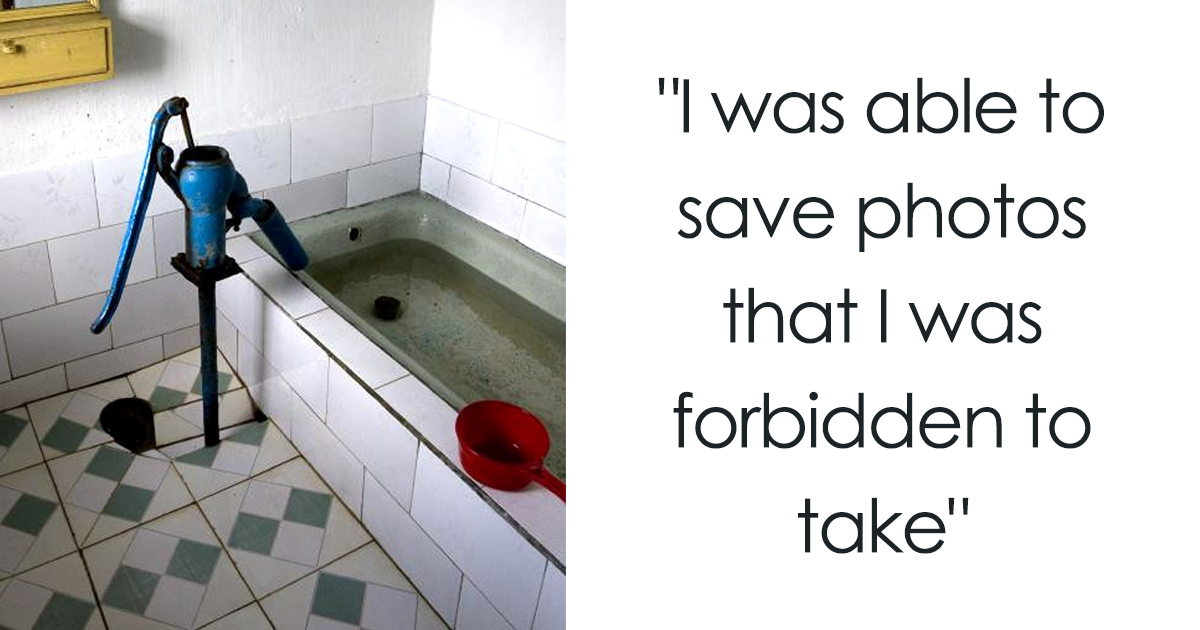
North Korea has been photographed millions of times, yet much of the country remains visually unfamiliar. The outside world regularly sees missile launches, military parades, polished monuments, synchronized performances, and leaders inspecting objects with the seriousness normally reserved for a suspiciously complicated tax return. What is much harder to see is ordinary life unfolding without preparation.
That is where collections marketed as “50 illegal photos of North Korea” enter the picture. The phrase is dramatic, clickable, and not especially precise. There is no known master list of 50 photographs officially declared illegal. Instead, the label usually describes images that foreign visitors were discouraged or forbidden from taking, pictures that guides requested be deleted, or candid scenes that contradicted the government’s preferred presentation.
International tourists and journalists have generally traveled on tightly managed itineraries, accompanied by local guides and restricted from photographing sensitive locations. Rules have varied by year, region, guide, political climate, and type of visit. Military facilities, checkpoints, construction projects, visible poverty, damaged infrastructure, and unapproved interactions with residents have frequently been treated as sensitive subjects.
Why Are Some North Korean Photos Considered “Illegal”?
Photography in North Korea is not simply a question of pointing a camera and pressing a button. Access itself is controlled. Foreign visitors may be shown impressive subway stations, model schools, monuments, museums, factories, and cultural performances while remaining unable to wander independently through residential neighborhoods or rural communities.
Professional photographers have described traveling with minders, following repeated schedules, receiving instructions about acceptable subjects, and never knowing when their cameras might be inspected. Some photographers reported having images deleted after encounters with officials. Others published pictures after leaving the country and were later prohibited from returning.
The restrictions exist within a much broader information system. Independent journalism is prohibited, domestic media operates under state control, and access to outside information is severely limited. Human-rights organizations report pervasive surveillance, punishment for unauthorized expression, and harsh restrictions on freedom of movement and communication.
For Americans, the risks extend far beyond a disapproving guide. The U.S. Department of State classifies North Korea as a Level 4 destination and warns of wrongful arrest and long-term detention. Ordinary U.S. passports cannot be used for travel there without special validation. In other words, this is not the destination for testing whether “the rules probably do not apply to me.”
50 Restricted, Rare, or Unapproved Views of North Korea
The descriptions below represent recurring subjects documented in published photo essays, photographer interviews, travel reports, border photography, and human-rights research. They should be understood as 50 revealing types of images rather than one authenticated government blacklist.
Military Images Authorities Prefer to Control
- A soldier sleeping beside a road. Military personnel are normally presented as alert, disciplined, and heroic. A tired soldier resting in public replaces the propaganda symbol with an exhausted human being.
- A soldier performing ordinary manual work. Photographs of troops repairing roads, carrying supplies, or helping with agricultural labor reveal how military service can overlap with the civilian economy.
- An unguarded military checkpoint. Checkpoints expose internal movement controls and security procedures, making them far more sensitive than the carefully choreographed soldiers seen during parades.
- A broken-down military truck. Parades display freshly painted vehicles in perfect formation. A disabled truck on a rural road tells a less glamorous story about maintenance and resources.
- Soldiers waiting for transportation. A group standing beside luggage looks ordinary rather than intimidating, which is precisely why such a quiet frame can be more revealing than a missile convoy.
- A military facility photographed from a train. Rail journeys may pass infrastructure that visitors were not scheduled to examine. Photographing from moving vehicles has sometimes attracted particularly close attention from guides.
- Security personnel reacting to a camera. The official subject may be standing in the background, but the anxious glance of an officer can become the true center of the photograph.
- A soldier who appears underfed or poorly equipped. Images suggesting physical hardship conflict with the state’s preferred representation of military strength and national readiness.
- Military vehicles outside ceremonial events. Equipment seen in ordinary surroundings can reveal deployment practices, condition, or location without the visual polish of state media.
- A border patrol seen from China. Photographers working along the Chinese frontier have documented remote settlements, patrol activity, informal trade, and scenes unavailable on official tours. Some border areas also restrict drones and long-range photography.
Infrastructure That Complicates the Showcase
- An unfinished high-rise. Construction symbolizes progress when photographed from the approved angle. Exposed concrete, idle machinery, or missing windows can change the message rather quickly.
- Workers using basic tools on a major project. Manual labor beside monumental architecture reveals the human cost behind grand development campaigns.
- A pothole on an official route. It may be only a hole in the road, but in a tightly managed visual environment, even asphalt can become politically inconvenient.
- A damaged bridge or railway platform. Transportation is a recurring subject in rare photographs because it shows how people and goods actually move beyond ceremonial avenues.
- Passengers crowded into aging public transit. Pyongyang’s famously decorative metro stations are often shown to visitors, while less polished commuting conditions provide a more complicated view.
- Residents walking long distances. Roads with few vehicles can illustrate transportation shortages without needing a single dramatic caption.
- An ox cart beside a modern monument. The contrast between traditional agricultural transport and futuristic architecture compresses two very different North Korean realities into one frame.
- Tangled power lines above worn housing. Utility infrastructure, patched roofs, and weathered walls reveal details easily excluded from official city panoramas.
- A neighborhood during a blackout. Limited electricity has long shaped international perceptions of North Korea, including satellite images that show a striking nighttime contrast with surrounding countries.
- An empty highway built for heavy traffic. Broad roads with few cars can appear impressive and strangely theatrical at the same timeurban planning waiting patiently for the urban part.
Independent photo essays have repeatedly contrasted Pyongyang’s showcase streets with rural roads, aging transportation, modest housing, flood damage, and labor-intensive construction. Specialized North Korea analysts have also used photography to examine transportation and urban leisure beyond military headlines.
Daily Life Outside the Approved Performance
- A roadside market stall. Informal commerce matters because it shows residents solving practical problems outside the perfectly planned image of a centrally managed economy.
- A vendor counting cash. A small transaction can reveal market behavior, local purchasing power, and the everyday importance of private exchange.
- Nearly empty store shelves. Officially selected stores may look well supplied. Unapproved retail interiors can suggest uneven access to goods.
- Residents gathering fuel. Coal blocks, firewood, and improvised heating materials illustrate the practical work required to keep homes warm.
- Women washing clothes outdoors. Such scenes communicate limited household infrastructure without requiring political commentary.
- Farmers working by hand. Rural photographs often show intensive human labor, bicycles, carts, and simple equipment rather than highly mechanized agriculture.
- Children assisting in the fields. Images of young people performing agricultural tasks are sensitive because viewers may interpret them as evidence of hardship or organized labor.
- A family home not prepared for visitors. Approved apartments tend to be spotless and carefully presented. An ordinary interior may contain worn furniture, stored food, heating equipment, and personal details.
- Flood-damaged housing. Natural disasters can expose inequalities between showcase development and vulnerable rural communities.
- A hospital room outside the official tour. Medical facilities selected for foreigners may not represent nationwide conditions, making unscheduled health-care images especially significant.
Published photographs from the countryside have shown modest homes, manual farming, flood recovery, bicycles, dirt roads, and residents carrying out routine work. Human-rights reporting also describes persistent food insecurity, forced labor, and severe limits on independent verification inside the country.
People Behaving Like People, Not Symbols
- A commuter staring sleepily through a bus window. Nobody looks ideologically enthusiastic before breakfast, and an ordinary tired face can puncture the atmosphere of permanent public celebration.
- Friends laughing when officials are not directing them. Candid happiness differs from staged happiness because it belongs to the people in the frame rather than the message surrounding them.
- A child making a face at the camera. It is a universal childhood reflex and a welcome reminder that nationality does not defeat the ancient urge to behave strangely in photographs.
- A wedding couple between official poses. The unscripted second before or after a formal portrait may reveal nerves, affection, boredom, or simple exhaustion.
- A person refusing to be photographed. Some residents may be uncomfortable around foreigners, worried about consequences, or simply uninterested in becoming someone else’s travel content.
- Teenagers checking a phone. Domestic mobile devices exist within a heavily controlled communications environment, making even familiar digital behavior politically revealing.
- A hair salon between customers. Mirrors, hairstyle posters, tools, and casual conversations provide a more intimate view of urban life than another monument ever could.
- People bowling or playing table tennis. Leisure photographs complicate one-dimensional depictions of North Koreans as either marching citizens or suffering victims.
- A family relaxing at a public park. Picnics, music, dancing, and play show genuine social life, even when the setting remains shaped by official culture.
- A private conversation interrupted by a guide. The photograph may capture only body language, but the interruption itself reveals how difficult unsupervised interaction can be.
Photojournalists with extended access have emphasized that the most meaningful images are often fleeting encounters in homes, offices, parks, salons, schools, and public transportation. Galleries from TIME, ABC News, Smithsonian, and the Associated Press have documented ordinary people shopping, commuting, caring for children, playing sports, and relaxing.
Images That Expose the Mechanics of Control
- A guide watching the photographer instead of the attraction. This composition reveals that observation works in both directions: the visitor studies the country while the guide studies the visitor.
- A rehearsed classroom before the guests arrive. Children waiting in position, performers warming up, or teachers arranging desks can expose the preparation behind supposedly spontaneous visits.
- Performers backstage. Mass spectacles appear effortless from the audience. Behind the curtain are repetition, coordination, fatigue, and an enormous amount of human organization.
- An empty model facility. A factory, school, farm, or recreational center may look strangely unused before the demonstration begins.
- Local residents redirected away from visitors. A photo of crowd control can show how tourists are separated from unscheduled contact.
- A monument cropped incorrectly. Visitors have often been instructed to photograph statues of national leaders respectfully and in full, rather than cutting off part of the figure or using an unflattering angle.
- A worn propaganda mural. Peeling paint or weather damage can transform an image of ideological permanence into one of ordinary maintenance problems.
- A camera inspection at departure. The photographer reviewing images with officials becomes part of the story, even when the disputed pictures never leave the country.
- A deleted photograph recovered later. Digital technology has occasionally allowed photographers to preserve or restore images officials believed had been removed.
- A completely ordinary moment nobody planned. One pedestrian, one bicycle, one curious glancethe most revealing “forbidden” photograph may contain nothing sensational at all.
The state’s control of visual information should not be confused with total visual silence. Access has sometimes expanded, restrictions have occasionally loosened, and foreign photographers have produced extensive bodies of work. However, supervised access is not the same as independent reporting, and carefully arranged openness can remain part of the presentation itself.
What These Rare North Korea Photos Actually Teach Us
The most useful photographs do not prove that every official image is false or that every candid image reveals the entire truth. Pyongyang is real. Its monuments, amusement parks, apartment towers, subway stations, restaurants, schools, and leisure facilities are real. Rural hardship and restrictive government controls are real too. A responsible photo essay allows these realities to coexist instead of replacing one oversimplified story with another.
Photographs also require context. A nearly empty street might indicate fuel shortages, but it might also have been photographed early in the morning. A person who appears unhappy may simply dislike cameras. A modern apartment may be genuine but unavailable to most citizens. A worn rural home may be authentic without representing every home in the country.
This is why reputable photojournalism depends on captions, dates, locations, access disclosures, and supporting reporting. Without that information, a dramatic image can become whatever the internet wants it to beand the internet has never met a mystery it could not season with several tablespoons of nonsense.
A Composite Experience: Photographing Inside North Korea
The following is a reconstructed experience based on published accounts from multiple photographers and travelers. It is not presented as the author’s personal trip.
You arrive with an itinerary that appears to have planned every hour except the exact moment you are allowed to breathe. Guides meet the group, explain behavioral expectations, and remain present during transportation and sightseeing. They may be friendly, knowledgeable, humorous, cautious, or all four within the same conversation. Their job includes helping visitors, interpreting the country, keeping the schedule moving, and making sure nobody suddenly develops an adventurous relationship with an alleyway.
The first photographic opportunities are easy. Monuments rise against enormous plazas. Subway stations glow beneath chandeliers. Children perform music with extraordinary precision. Museum displays, flower exhibitions, model classrooms, and panoramic city viewpoints appear at exactly the right time. You can take impressive photographs before lunch without violating a single instruction.
Then the bus begins moving between official stops.
Outside the window, the visual rhythm changes. A cyclist balances an oversized load. Workers sit beside a construction site. Passengers wait near a crowded vehicle. Apartment blocks give way to farmland, roadside homes, carts, and distant villages. These scenes are not necessarily dramatic, but they are unscheduled. The camera suddenly feels heavier.
You lift it toward the glass. A guide asks what you are photographing. Maybe the answer is accepted. Maybe you are told not to take pictures from the bus. Perhaps another guide would have allowed the same shot yesterday. The uncertainty becomes part of the experience: restrictions can be specific, informal, inconsistent, and dependent on who is standing nearby.
When people notice the camera, reactions vary. Some smile. Children wave. Others look away or freeze. A photographer must consider whether capturing a candid moment could create discomfort or risk for the person in the frame. The ethical question is larger than whether the shutter can be pressed. A rare photograph is not automatically a responsible photograph.
At a major monument, composition matters. You are instructed to include the entire statue and avoid disrespectful cropping. At a school, the performance begins shortly after the group arrives. At a workplace, machinery starts operating for the demonstration. At a park, the atmosphere may feel more relaxed, offering fleeting photographs of conversation, games, dancing, or families resting together.
Back at the hotel, you examine the day’s images. The grandest frame may be technically perfect, yet the photograph you remember is smaller: a parent holding a child, a commuter fighting sleep, or two people laughing before they realize a foreigner is watching.
Departure can bring another layer of tension. Will anyone inspect the memory card? Did an innocent frame accidentally include a checkpoint? Was that construction site considered sensitive? Accounts differ because access conditions have changed over time, but the possibility of review shapes how photographers behave even when no inspection occurs.
Once outside the country, the harder work begins. Images need accurate captions and careful editing. A photographer must resist turning every shadow into evidence of catastrophe or every smiling face into proof that nothing is wrong. The honest story lies in the tension between performance and spontaneity, development and deprivation, public ideology and private humanity.
Conclusion
The appeal of “50 illegal photos of North Korea” comes from the promise of seeing behind a curtain. Yet the photographs matter most when they do more than satisfy curiosity. They show how information is managed, how official imagery is constructed, and how ordinary people continue to work, travel, raise families, play games, celebrate, worry, and laugh inside an extraordinarily restrictive political system.
The strongest images are rarely the loudest. A missile parade tells us what the government wants the world to notice. A tired passenger, worn bicycle, unfinished wall, or unrehearsed smile may tell us what managed access accidentally allowed the world to see.













