
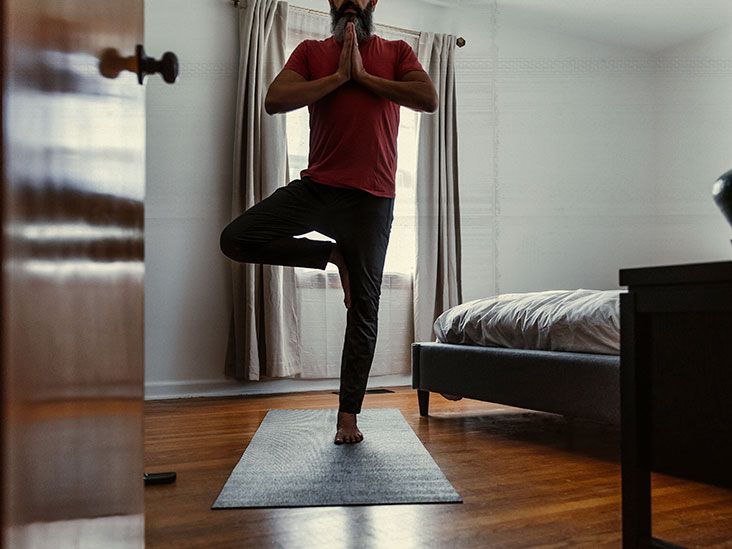
Note: These balance exercises are gentle options for older adults who can stand safely. Use a sturdy chair, countertop, or wall for support, and talk with a healthcare professional before starting if you have dizziness, recent falls, pain, surgery, or a medical condition that affects movement.
Balance is one of those things most people do not think about until it starts acting like a mischievous cat on a polished floor. One day, walking across the living room feels automatic. The next, stepping over a rug, reaching for a cabinet, or turning too quickly can feel a little less certain. For seniors, that change matters. Good balance supports walking, climbing stairs, getting out of a chair, carrying groceries, gardening, dancing at weddings, and moving through daily life with more confidence.
The good news is that balance can often be trained. It is not just “something you either have or do not have.” Like strength, flexibility, and endurance, balance responds to regular practice. Even better, many effective balance exercises for seniors can be done at home with no fancy equipment, no gym membership, and no instructor yelling “feel the burn” while wearing a headset microphone.
This guide covers six practical balance exercises for seniors to try at home. Each one focuses on stability, leg strength, posture, coordination, and confidence. The goal is not to perform circus tricks in the hallway. The goal is to move more steadily, reduce fall risk, and feel safer doing everyday activities.
Why Balance Exercises Matter for Seniors
Balance depends on teamwork between the eyes, inner ear, muscles, joints, nerves, and brain. When all of those systems communicate well, the body can adjust quickly when you shift weight, step sideways, or walk across uneven ground. With age, several changes can make balance more challenging. Muscle mass may decrease, joints may feel stiffer, vision can change, reaction time may slow, and some medications may cause lightheadedness. None of this means a person is doomed to wobble forever. It simply means the body may need a little more practice and support.
Balance training is especially useful because it works on real-life movements. Standing on one foot, shifting weight, rising from a chair, lifting the heels, and walking heel-to-toe all resemble things seniors already do during the day. These exercises help the body rehearse safe movement patterns before they are needed in a hurry. Think of it as giving your nervous system a friendly dress rehearsal.
For the best results, balance exercises should be combined with other healthy habits: regular walking or aerobic activity, strength training, good footwear, vision checks, safe lighting, and a home environment free of trip hazards. A balance routine is powerful, but even the strongest ankles cannot defeat a sneaky throw rug at midnight.
Before You Start: Safety Tips for At-Home Balance Training
Before trying the exercises below, choose a safe area. Stand near a sturdy chair, kitchen counter, or wall. Avoid chairs with wheels, slippery socks, cluttered floors, loose rugs, and pets who believe every human movement is an invitation to play. Wear supportive shoes or go barefoot if your healthcare provider says that is safe for you. Keep your phone nearby, and exercise when you feel alert, not when you are tired, dizzy, or rushed.
Start slowly. It is better to do five careful repetitions than twenty dramatic ones that end with a conversation with the floor. Breathe normally, keep your posture tall, and stop if you feel pain, chest discomfort, unusual shortness of breath, dizziness, or sudden weakness. Seniors who have had recent falls, balance disorders, neuropathy, Parkinson’s disease, stroke, severe arthritis, or major surgery should ask a doctor or physical therapist for personalized guidance.
6 Balance Exercises for Seniors to Try at Home
1. Weight Shifts
Weight shifts are one of the best beginner balance exercises for seniors because they teach the body how to move weight from side to side without losing control. This simple move helps with walking, turning, reaching, and stepping around obstacles.
How to do it: Stand behind a sturdy chair or near a countertop. Place your feet hip-width apart. Hold the chair lightly with both hands. Slowly shift your weight onto your right foot without lifting the left foot. Pause for three to five seconds. Then shift your weight onto your left foot and pause again. Continue moving side to side in a smooth, controlled way.
Try: 10 shifts per side. Rest, then repeat once more if you feel steady.
Make it easier: Keep both hands firmly on the chair and make the shift small.
Make it harder: Use only one hand for support, or pause a little longer on each side.
Why it helps: Weight shifting trains the ankles, hips, and core to work together. It also improves awareness of where your body is in space, which is important for fall prevention and safe movement.
2. Heel-to-Toe Walk
The heel-to-toe walk is sometimes called tandem walking. It may look simple, but it gives the balance system a serious little workout. This exercise challenges coordination and helps improve the steady, narrow stepping pattern needed for walking through tight spaces.
How to do it: Stand near a wall or hallway rail. Place the heel of your right foot directly in front of the toes of your left foot, as if you are walking on a straight line. Step forward by placing the heel of your left foot directly in front of the toes of your right foot. Keep your eyes forward, not down at your feet the whole time. Use the wall for support as needed.
Try: 10 steps forward. Turn carefully, rest, and repeat.
Make it easier: Leave a small space between your heel and toes instead of touching them together.
Make it harder: Walk more slowly or pause for two seconds with each step.
Why it helps: This exercise trains balance during movement, which is essential because most falls do not happen while standing perfectly still. They happen while walking, turning, reaching, or changing direction.
3. Single-Leg Stand
The single-leg stand is a classic for a reason. Every step you take includes a tiny moment of standing on one leg. Practicing this skill can help seniors improve stability, leg strength, and confidence during walking.
How to do it: Stand behind a sturdy chair and hold the back of it with both hands. Keep your posture tall and your shoulders relaxed. Slowly lift your right foot a few inches off the floor. Keep your standing knee soft, not locked. Hold for five to ten seconds, then lower your foot. Repeat on the left side.
Try: 5 repetitions per leg.
Make it easier: Lift the foot only slightly or keep the toes touching the floor like a kickstand.
Make it harder: Hold for 15 to 30 seconds, use one hand for support, or hover your fingers above the chair while staying ready to grab it.
Why it helps: Standing on one leg strengthens the stabilizing muscles around the ankles, knees, hips, and core. It also helps train quick postural adjustments, which can be useful when stepping off a curb or walking on uneven ground.
4. Sit-to-Stand
Sit-to-stand is one of the most practical balance and strength exercises for older adults. It trains the exact movement used to get out of a chair, rise from the toilet, stand up from the sofa, or politely escape a long conversation about someone’s printer problems.
How to do it: Sit near the front edge of a sturdy chair with your feet flat on the floor, hip-width apart. Cross your arms over your chest or place your hands lightly on the chair if needed. Lean slightly forward from your hips, press through your heels, and stand up slowly. Pause at the top. Then bend your knees and hips to sit back down with control.
Try: 8 to 10 repetitions.
Make it easier: Use your hands on the chair arms for support or place a firm cushion on the seat to reduce the distance.
Make it harder: Move more slowly, pause halfway down, or perform the exercise without using your hands.
Why it helps: Strong legs are balance’s best friends. This exercise strengthens the thighs, hips, and glutes while improving control during one of the most common daily transitions.
5. Heel Raises
Heel raises strengthen the calves and ankles, which play a major role in balance. The ankle muscles make constant small corrections when you stand and walk. When those muscles are weak, the body may rely too much on the hips or upper body to stay upright.
How to do it: Stand behind a sturdy chair with your feet hip-width apart. Hold the chair for support. Slowly rise onto the balls of your feet, lifting your heels off the floor. Pause for one to two seconds. Lower your heels with control. Avoid bouncing.
Try: 10 to 15 repetitions.
Make it easier: Lift only partway up and keep both hands on the chair.
Make it harder: Hold the top position for three seconds or perform the move more slowly.
Why it helps: Heel raises improve ankle strength, calf endurance, and postural control. They can also support better walking mechanics and steadier stair climbing.
6. Side Leg Raises
Side leg raises target the hip muscles, especially the muscles that help stabilize the pelvis when walking. Weak hip stabilizers can make walking feel wobbly or cause the body to sway side to side. Strengthening these muscles can improve balance and support safer movement.
How to do it: Stand behind a sturdy chair with both hands on the backrest. Keep your toes pointing forward. Slowly lift your right leg out to the side without leaning your trunk. Pause briefly, then lower the leg with control. Repeat on the left side.
Try: 10 repetitions per leg.
Make it easier: Lift the leg only a few inches.
Make it harder: Pause at the top for two to three seconds or use slower movement.
Why it helps: Side leg raises strengthen the hips and improve side-to-side stability. That matters for stepping around furniture, recovering from a small stumble, and walking with better control.
A Simple Weekly Balance Routine for Seniors
A good balance routine does not need to be long. Consistency matters more than drama. Seniors can start with 10 to 15 minutes, three days per week. As the exercises feel easier, they can add more repetitions, longer holds, or an extra day. The key is gradual progress.
Here is a beginner-friendly routine:
- Weight shifts: 10 per side
- Heel-to-toe walk: 10 steps
- Single-leg stand: 5 holds per leg
- Sit-to-stand: 8 to 10 repetitions
- Heel raises: 10 to 15 repetitions
- Side leg raises: 10 per leg
Rest as needed between exercises. The routine should feel challenging but not frightening. A little muscle effort is fine. Sharp pain, dizziness, or feeling unsafe is not the goal. Balance training should build confidence, not turn the living room into an obstacle-course reality show.
How to Make Balance Exercises Part of Daily Life
The easiest routine is the one that fits into normal life. Seniors can practice weight shifts while waiting for the kettle to boil, heel raises while brushing teeth, or sit-to-stand exercises during television commercials. A few minutes here and there can add up. The body learns through repetition, and small habits are often easier to keep than big fitness plans with heroic names.
Another helpful strategy is pairing balance practice with an existing routine. For example, do five heel raises after breakfast, five sit-to-stands before lunch, and a short heel-to-toe walk near the hallway wall in the evening. This approach removes the question, “When should I exercise?” The answer becomes: right after something you already do.
Family members and caregivers can help by making the environment safer and more encouraging. Good lighting, clear floors, supportive shoes, and stable furniture all matter. Encouragement matters too. Nobody wants to feel like they are being supervised by a nervous referee. A calm, positive approach works better: “Let’s do a few together” sounds much nicer than “Please do not fall while I stare anxiously.”
Common Mistakes to Avoid
One common mistake is progressing too quickly. Standing on one leg without support may look impressive, but safety comes first. Start with support, build control, and increase difficulty gradually. Another mistake is holding the breath. Breathing helps with posture, relaxation, and steady movement. If you catch yourself turning purple during a heel raise, it is time to inhale.
A third mistake is doing balance exercises only when balance already feels poor. Regular practice works best as prevention. Seniors do not need to wait for a fall or near-fall to begin. A few minutes of balance training each week can support independence and confidence over time.
When to Ask for Professional Help
At-home balance exercises are useful, but some situations deserve professional guidance. Seniors should talk with a healthcare provider if they have repeated falls, sudden balance changes, dizziness, fainting, numbness in the feet, new weakness, severe joint pain, or fear of walking. A physical therapist can evaluate walking patterns, strength, range of motion, vision-related strategies, vestibular issues, and home safety needs.
Professional support is not a sign of failure. It is a shortcut to safer, more personalized progress. A physical therapist can adjust exercises, recommend assistive devices when appropriate, and help seniors practice movements that match their real daily challenges.
Real-Life Experiences: What Balance Training Feels Like at Home
For many seniors, the hardest part of balance training is not the exercise itself. It is getting past the awkward feeling of starting. The first day may feel surprisingly humbling. A person who raised children, managed a career, cooked thousands of meals, fixed appliances, cared for family members, and survived decades of confusing television remote controls may suddenly find that standing on one leg for eight seconds feels like a major athletic event. That is normal. Balance practice has a way of revealing tiny weaknesses that daily life politely hides.
One common experience is noticing that one side feels steadier than the other. The right leg may feel like a reliable old friend, while the left leg behaves like it just heard bad news. This difference does not mean something is wrong by itself. Many people have a stronger or more coordinated side. The useful lesson is awareness. Once seniors notice the difference, they can give the less steady side patient practice while still using support.
Another real-life experience is that confidence often improves before performance looks perfect. After a week or two, a senior may still wobble during heel-to-toe walking, but the wobble feels less scary. That matters. Fear of falling can make people move less, and moving less can reduce strength and balance even more. Gentle practice helps break that cycle. The body begins to remember, “I can shift, correct, and recover.” That confidence can carry into walking to the mailbox, stepping into the shower, or navigating a busy kitchen.
Balance exercises also teach patience. Progress may show up in small ways: standing from a chair with less effort, using the handrail less heavily, turning more smoothly, or feeling steadier when reaching into a cabinet. These victories may not come with fireworks, but they are important. In daily life, independence is often built from quiet wins.
Many seniors find that balance training is more enjoyable when it feels practical rather than medical. Instead of thinking, “I have to do fall-prevention exercises,” try thinking, “I am practicing getting up from my favorite chair,” or “I am training for grocery aisles, garden paths, and family gatherings.” The purpose becomes clearer. These movements are not random. They protect the activities that make life feel normal and enjoyable.
Caregivers may also notice changes. A parent may move with more assurance. A grandparent may become more willing to walk outside. A spouse may stop reaching for furniture quite as often. These improvements can be gradual, but they are meaningful. Balance training at home is not about becoming young again. It is about helping the body work better today, with the strength and wisdom it already has.
The best experience comes when seniors treat balance practice as a friendly routine, not a punishment. Put on comfortable shoes. Choose a safe spot. Keep a chair nearby. Celebrate small improvements. Laugh at the occasional wobble. The goal is not perfection; it is steadiness, safety, and confidence. And honestly, if an exercise routine can help you move better without requiring a subscription, a complicated machine, or neon workout clothing, that is already a win.
Conclusion
Balance exercises for seniors are simple, practical, and powerful. Weight shifts, heel-to-toe walking, single-leg stands, sit-to-stands, heel raises, and side leg raises can all be done at home with a sturdy chair or counter for support. These movements help improve stability, leg strength, coordination, and confidence during everyday activities.
The most important rule is to start safely. Use support, move slowly, and progress gradually. Balance training should feel manageable, not risky. When practiced consistently, these exercises can help seniors stay active, independent, and more comfortable moving through the day. A steadier body can mean a steadier lifeand that is worth a few minutes of practice.










