
Note: This article is written as a web-ready SEO blog post and synthesizes real, widely used interior design guidance from reputable U.S. home and design publications, without adding source links in the content.
A living room can have a sofa, a coffee table, a rug, and still somehow feel like it is waiting for permission to become a real room. You know the look: the furniture is technically there, the pillows are trying their best, and yet the space has the emotional energy of a waiting room with better Wi-Fi.
The good news is that a finished living room rarely depends on buying everything new. Designers often create that polished, magazine-ready feeling by adjusting scale, layering texture, improving lighting, and adding a few intentional finishing touches. In other words, the secret is not “spend your entire paycheck on a chair with a mysterious Italian name.” The secret is knowing what makes a room feel complete.
Below are six living room styling tricks designers use again and again to make a space look instantly finished. Whether your living room is tiny, open-concept, formal, rental-friendly, pet-friendly, kid-friendly, or “I just moved in and the boxes are now furniture,” these ideas can help you create a room that feels cohesive, warm, and intentionally styled.
1. Anchor the Room With the Right Rug Size
If designers had a group chat for living room problems, “the rug is too small” would probably be the pinned message. A rug is not just a soft rectangle for your feet. It is the visual foundation of the seating area. When the rug is too small, the room can look disconnected, as if the sofa, chairs, and coffee table are strangers forced into a group project.
A properly sized living room rug helps define the conversation zone, grounds the furniture, and makes the layout feel deliberate. In most rooms, at least the front legs of the sofa and chairs should sit on the rug. In larger living rooms, all major seating pieces can sit fully on the rug for a more luxurious, pulled-together look.
How to apply this designer trick
For a standard living room, an 8-by-10-foot rug often works better than a 5-by-7-foot rug. In larger spaces, a 9-by-12-foot rug can make the seating area feel generous and balanced. The rug should extend beyond the sides of the sofa when possible, rather than stopping awkwardly at the coffee table like it got nervous and gave up.
If your current rug is too small but you love it, try layering it over a larger natural fiber rug, such as jute or sisal. This creates scale without forcing you to abandon a pattern or color you already enjoy. Designers use this trick often because it adds depth, texture, and that “yes, I meant to do this” confidence.
2. Hang Curtains High and Wide
Curtains are one of the fastest ways to make a living room look finished. They soften hard edges, frame the windows, add movement, and make the ceiling feel taller. But there is one common mistake that quietly sabotages the whole effect: hanging the curtain rod directly above the window frame.
Designers usually hang curtains higher and wider than the actual window. This draws the eye upward, makes the window appear larger, and gives the room a more graceful sense of proportion. Think of it as giving your windows better posture.
How to apply this designer trick
Mount the curtain rod several inches above the window frame, or closer to the ceiling if the architecture allows. Extend the rod beyond the window on both sides so the curtain panels can rest mostly outside the glass when open. This lets in more natural light and prevents the windows from looking squeezed.
Choose curtain panels that reach the floor. They can lightly kiss the floor or hover just above it for a crisp look. Avoid panels that stop several inches short, because they can make the room feel unfinished, much like pants that accidentally became shorts.
For a classic living room, linen, cotton, or textured neutral panels work beautifully. For a moodier space, deeper tones can add drama. If privacy is a concern, layer sheers with heavier drapes. The result feels cozy, practical, and intentionally designed.
3. Layer Lighting Instead of Relying on One Ceiling Fixture
A single overhead light can make even a beautiful living room feel flat. It lights everything equally, which sounds practical until your cozy evening suddenly resembles a grocery store aisle. Designers rely on layered lighting because it creates depth, highlights focal points, and gives the room different moods throughout the day.
A finished living room usually includes three types of lighting: ambient lighting, task lighting, and accent lighting. Ambient lighting provides general brightness. Task lighting helps with reading or hobbies. Accent lighting adds glow, drama, and personality.
How to apply this designer trick
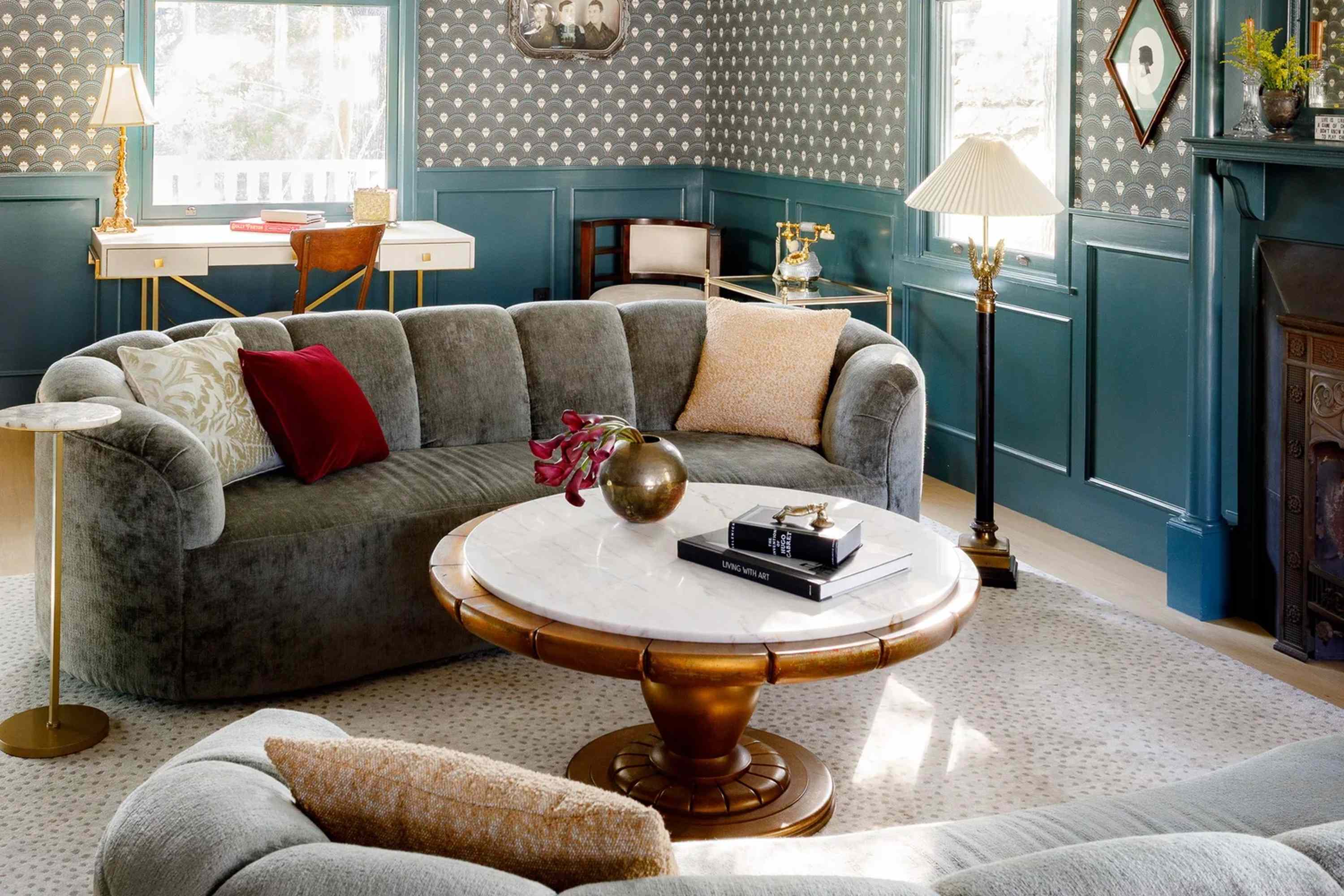
Start with your main ceiling fixture or recessed lighting, then add at least two other sources. A floor lamp beside a sofa, a table lamp on a console, and a small picture light above art can completely change the room’s atmosphere. Lamps also help distribute light around the room, making corners feel intentional rather than forgotten.
Use warm white bulbs for a comfortable living room glow. Very cool bulbs can make a space feel sterile, especially at night. Dimmers are also a designer favorite because they let you adjust the mood without changing the entire room. Bright for cleaning, medium for hosting, low for movie night, and extremely low for pretending you do not see the laundry basket.
Lighting is especially important in rooms with dark paint, heavy furniture, or limited natural light. In those spaces, a mix of floor lamps, sconces, and table lamps can prevent the room from feeling heavy. When lighting is layered well, the living room feels finished even before you add the decorative extras.
4. Style the Coffee Table Like a Mini Landscape
The coffee table is often the center of the living room, which means it has great power and great responsibility. Left bare, it can feel cold. Overloaded, it becomes a decorative obstacle course. Designers usually aim for a balanced arrangement that includes height, texture, function, and a little personality.
A finished coffee table does not need to look like a luxury boutique display. It just needs a few intentional elements arranged with breathing room. The goal is to make the surface feel styled, not staged for a museum where nobody is allowed to put down a snack.
How to apply this designer trick
Use the classic formula: tray, books, object, greenery. A tray helps corral smaller items and makes the arrangement look organized. A stack of books adds height and personality. A sculptural object, candle, bowl, or small box adds shape. Greenery or flowers bring life.
Vary the heights. For example, place a low bowl on one side, a stack of books in the center, and a small vase with branches on the other side. Odd-numbered groupings often feel natural, but symmetry can also work in formal rooms. The key is balance.
Keep function in mind. If your living room is used daily, leave open space for drinks, remotes, game controllers, or actual life. Designers know that a finished room should still work. A coffee table that looks gorgeous but cannot survive popcorn night is not finished; it is just dramatic.
5. Mix Textures So the Room Does Not Look Flat
Texture is what makes a living room feel warm, layered, and touchable. Without it, even a room with nice furniture can look one-dimensional. Designers mix materials such as wood, metal, glass, linen, velvet, leather, wool, stone, rattan, and ceramics to create visual interest.
This is especially important in neutral living rooms. A beige sofa, beige wall, beige rug, and beige pillows can look calm and elegantor like the room has entered witness protection. Texture keeps neutral spaces from becoming boring.
How to apply this designer trick
Start by looking at what you already have. If your sofa is smooth, add chunky knit pillows or a nubby throw. If your coffee table is wood, try a ceramic vase or metal candleholder. If your room has a lot of hard surfaces, add fabric, woven baskets, or a soft rug.
Pillows are one of the easiest ways to introduce texture. Mix linen with velvet, cotton with boucle, or a subtle pattern with a solid. Avoid buying every pillow from the same collection. A little variation makes the room feel collected rather than copied from a showroom display.
Plants also add texture. A tall fiddle leaf fig, rubber plant, olive tree, snake plant, or pothos can soften corners and make a room feel alive. If you are not blessed with plant-parent instincts, realistic faux greenery can still do the job. No judgment. Some of us have accidentally ended a cactus.
6. Add Art, Accessories, and Personal Details With Intention
A living room often feels unfinished because the walls are bare, the shelves are empty, or the accessories do not say anything about the people who live there. Designers use art and personal objects to create a story. This is the difference between a room that looks furnished and a room that feels lived in.
Art does not have to be expensive. Large-scale prints, framed textiles, vintage posters, family photography, handmade pieces, or even a beautifully framed children’s drawing can add soul. What matters most is scale and placement.
How to apply this designer trick
Above a sofa, choose art that is large enough to relate to the furniture below it. A tiny frame floating above a large sofa can look lonely. As a general guide, the artwork or gallery wall should cover a substantial portion of the sofa width. Hang it at eye level, not so high that guests need binoculars.
For shelves, combine books, framed photos, small sculptures, boxes, bowls, and greenery. Leave some empty space so the display can breathe. Designers often vary shapes and heights while repeating a few colors or materials for cohesion.
The most finished rooms include personal details: a travel souvenir, a stack of favorite books, a vintage bowl from a flea market, a family photo, or a quirky object that makes people ask, “What is the story behind that?” Those details give the living room character. Without them, even a beautiful room can feel like it is waiting for a real person to move in.
How to Pull All Six Styling Tricks Together
The magic happens when these living room styling ideas work together. A properly sized rug anchors the seating area. High curtains add height and softness. Layered lighting creates mood. A styled coffee table gives the center of the room purpose. Mixed textures add warmth. Art and personal accessories complete the story.
You do not need to do everything in one weekend. In fact, designers rarely finish a great room in one shopping trip. A beautiful living room often evolves over time. Start with the change that will have the biggest impact. In many homes, that means correcting the rug size, improving the curtains, or adding better lighting.
Once the foundation feels right, the smaller details become much easier. Pillows make more sense when the color palette is clear. Art looks better when the furniture layout is balanced. Accessories feel intentional when there is enough negative space. A finished room is less about perfection and more about visual harmony.
Common Mistakes That Keep a Living Room From Looking Finished
Using furniture that is all the same height
When every piece sits at the same visual level, the room can feel flat. Add height with floor lamps, tall plants, vertical artwork, or curtains mounted higher on the wall.
Pushing every piece of furniture against the wall
In some rooms, this is necessary. But when possible, pulling seating slightly inward creates a cozier conversation area and makes the layout feel more designed.
Choosing only matching furniture sets
A matching set can be convenient, but too much matching removes personality. Mix finishes, shapes, and materials while keeping the palette cohesive.
Forgetting the corners
Empty corners can make a room feel incomplete. Try a reading lamp, tall plant, accent chair, basket, pedestal table, or small cabinet.
Decorating without editing
Finishing a room does not mean filling every surface. Designers edit. They remove pieces that do not add beauty, function, or meaning. Sometimes the most powerful styling trick is simply taking away the thing that is shouting over everything else.
Budget-Friendly Ways to Make Your Living Room Look Finished
If you want a designer look without a designer invoice, focus on high-impact, low-cost updates. Move your curtain rods higher. Rearrange lamps from other rooms. Stack books on the coffee table. Add a large thrifted mirror. Swap pillow covers instead of buying entirely new pillows. Frame inexpensive prints in matching frames for a cleaner gallery wall.
Secondhand stores, estate sales, Facebook Marketplace, and local vintage shops can be goldmines for character-rich pieces. A vintage side table or ceramic lamp can make a living room feel more collected. The trick is to balance older pieces with cleaner modern shapes so the space feels fresh rather than accidentally time-traveled.
Paint is another powerful tool. Even if you do not paint the entire living room, you can paint a bookshelf, fireplace surround, cabinet, or accent wall. A subtle color shift can make existing furniture look more intentional. Warm whites, soft creams, muted greens, taupes, and earthy neutrals remain popular because they create a calm foundation for layered decor.
Real-Life Experience: What Actually Makes a Living Room Feel Finished
In real homes, the living room rarely starts as a blank designer canvas. It usually starts with a hand-me-down sofa, a TV that is somehow always bigger than expected, a rug bought during a sale-induced moment of optimism, and at least one chair nobody loves but everyone is too polite to insult. The path to a finished living room is not always glamorous, but it is very doable.
One of the most common experiences is realizing that the room does not need more stuff; it needs better relationships between the stuff. A sofa may look awkward until the rug is large enough to connect it to the chairs. A window may look plain until curtains add height and softness. A coffee table may look cluttered until everything is grouped on a tray. These are small changes, but they make the room feel calmer almost immediately.
Another real-life lesson is that lighting can completely change how you feel about your own furniture. Many people assume their sofa color is wrong or their wall paint is dull, when the actual problem is harsh overhead lighting. Add a warm floor lamp, a table lamp, and maybe a dimmer, and suddenly the same room looks softer, richer, and more welcoming. It is the interior design equivalent of good restaurant lighting: everyone looks better, including the throw pillows.
Personal details also matter more than people expect. A living room can be technically beautiful and still feel empty if it has no story. The framed concert poster, the old family photo, the stack of cookbooks, the handmade bowl, the travel memory, the weird little ceramic bird you bought for reasons you still cannot explainthese are the things that make a room feel human. Designers often talk about editing, but editing does not mean removing personality. It means giving personality enough room to shine.
The best finished living rooms also respect daily habits. If your family watches movies every Friday, leave space for snacks and blankets. If you read in the evenings, create a real reading corner with a lamp and side table. If guests visit often, make sure there is enough seating and a place to set a drink. A living room that photographs well but annoys everyone who uses it is not a success; it is a very expensive inconvenience.
Finally, remember that finished does not mean frozen. Designers know rooms evolve. Seasons change, tastes shift, kids grow, pets claim chairs, and sometimes you wake up with a powerful need to move the sofa six inches to the left. A finished living room is not a room that never changes. It is a room where the main pieces feel balanced, the lighting feels warm, the textures feel layered, and the details feel connected to the people who live there.
Conclusion
Making a living room look instantly finished is not about chasing trends or filling every corner with expensive decor. It is about using smart styling choices that designers rely on every day: the right rug size, taller curtains, layered lighting, a thoughtful coffee table, mixed textures, and personal finishing touches.
Start with one trick, then build from there. Maybe your room needs a larger rug. Maybe it needs lamps. Maybe it needs art that does not look like it was hung during a mild emergency. Whatever the case, a few intentional changes can turn a nearly-there living room into a space that feels polished, cozy, and completely yours.













