
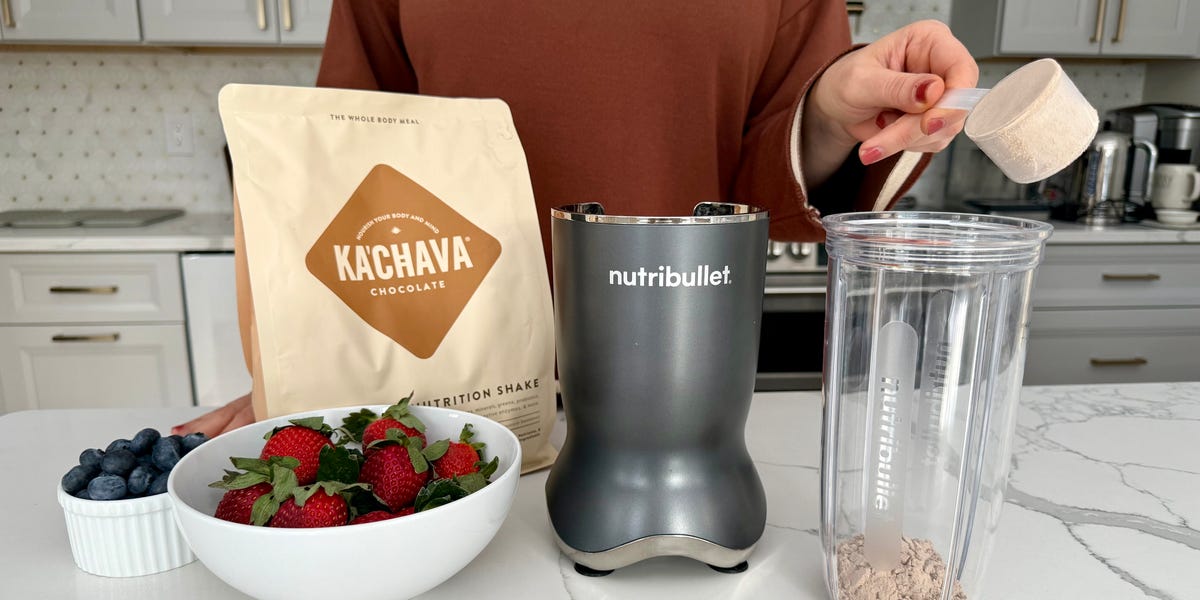
Some days, lunch is a beautifully balanced plate with lean protein, vegetables, whole grains, and healthy fats. Other days, lunch is a meeting that ran long, a school pickup, a sad desk banana, and a stomach making whale noises at 2:13 p.m. That is where the best meal replacement shakes earn their spotnot as magic potions, not as “drink this and become a fitness influencer by Thursday” promises, but as practical nutrition tools for real life.
Meal replacement shakes can help when you need something convenient, portion-controlled, and more nutritionally complete than a sugary coffee pretending to be breakfast. Nutritionists typically look for a few key things: enough protein to support fullness and muscle maintenance, a reasonable calorie count for an actual meal, some fiber, limited added sugar, and a useful spread of vitamins and minerals. Bonus points go to shakes that fit common dietary needs such as dairy-free, gluten-free, soy-free, organic, or higher-calorie recovery support.
The important caveat: a shake should not replace every meal unless a healthcare professional specifically recommends it. Whole foods still bring chewing satisfaction, plant compounds, texture, variety, and the emotional comfort of eating something that did not come with a twist cap. But for busy mornings, travel days, post-workout fuel, appetite dips, or “I have eight minutes and a laptop battery at 6%” moments, a smart shake can be a very useful backup plan.
How Nutritionists Choose a Good Meal Replacement Shake
Before naming the top picks, let’s talk criteria. A quality meal replacement shake should act more like a mini-meal than a dessert in gym clothing. For many adults, a true meal replacement lands around 250 to 500 calories, depending on goals, appetite, and whether it is replacing breakfast, lunch, or a smaller meal. Very low-calorie shakes can still be useful, but they may need add-ins like fruit, nut butter, oats, yogurt, or milk to become filling enough.
Protein: The Fullness Anchor
Protein is usually the first number nutritionists check. A shake with about 15 to 30 grams of protein can support satiety, help preserve lean muscle during weight management, and keep your energy steadier than a sugar-heavy drink. Dairy-based shakes often use milk protein, whey, or casein, while plant-based shakes may use pea, rice, pumpkin seed, soy, or blended plant proteins.
Fiber: The Unsung Hero
Fiber helps slow digestion and makes a shake feel more like a meal. A good target is at least 3 grams per serving, with 5 grams or more being especially helpful. Fiber is also one reason a whole-food smoothie with fruit, vegetables, seeds, or oats can feel more satisfying than a thin protein drink.
Added Sugar: Read the Label, Not the Front of the Bottle
Many “healthy” drinks still hide a surprising amount of added sugar. Nutritionists generally prefer shakes with low added sugar, especially if they are used often. Natural sugars from dairy or fruit are different from added sweeteners, but the Nutrition Facts label is still your best friend. Yes, it is small. Yes, it is boring. Read it anyway. It has secrets.
Micronutrients: More Than Protein in a Fancy Hat
A meal replacement should provide more than protein. Look for vitamins and minerals such as calcium, vitamin D, iron, potassium, zinc, B vitamins, and magnesium. These nutrients help separate a complete nutrition shake from a basic protein shake. The difference matters if the product is regularly replacing meals.
7 Best Meal Replacement Shakes, According to Nutritionists
1. Huel Ready-to-Drink Best Overall Meal Replacement Shake
Best for: Busy adults who want a balanced, ready-to-drink meal with plant-based ingredients.
Huel Ready-to-Drink is one of the strongest all-around choices because it is designed as a nutritionally complete meal, not just a protein drink with ambition. A standard bottle provides around 400 calories, 20 grams of protein, fiber, carbohydrates, fats, and a broad vitamin-and-mineral profile. That makes it more meal-like than many lower-calorie shakes on the shelf.
Nutritionists often appreciate Huel because it checks several practical boxes: it is plant-based, shelf-stable, relatively balanced, and filling enough for breakfast or lunch. The texture is thicker than many protein shakes, which can be a plus if you want something that feels substantial. The flavor is not trying to be a milkshake from a 1950s diner, but it is smooth, convenient, and dependable.
What stands out: Huel is a strong pick when you need an actual meal replacement rather than a snack. It has enough calories to count, enough protein to matter, and enough fiber to help with fullness.
Watch out for: Some people may need time to adjust to the fiber and plant-based formula. Start with one bottle occasionally rather than declaring it your new personality.
2. Soylent Complete Meal Best Shelf-Stable Complete Meal
Best for: People who want a simple grab-and-go shake for work, commuting, or travel.
Soylent Complete Meal is a familiar name in the meal replacement world, and for good reason. It is built around convenience, consistency, and complete nutrition. Many bottles provide about 400 calories and 20 grams of protein, along with carbohydrates, fat, and a range of vitamins and minerals.
Nutritionists may recommend Soylent for people who tend to skip meals entirely. Is a bottle of Soylent the same as grilled salmon, roasted vegetables, and quinoa? No. But is it better than forgetting to eat until dinner and then attacking the pantry like a raccoon with Wi-Fi? Usually, yes.
What stands out: Soylent is easy to store, easy to drink, and practical for meal planning. It is especially useful for people with packed schedules who need a predictable calorie and nutrient option.
Watch out for: Soylent uses soy protein, so it is not appropriate for people avoiding soy. Some flavors may also taste sweeter or more processed than homemade smoothies.
3. OWYN Complete Nutrition Shake Best Dairy-Free and Allergen-Friendly Pick
Best for: Vegan, dairy-free, gluten-free, or allergen-conscious shoppers.
OWYN stands for “Only What You Need,” which is refreshingly direct in a supplement aisle where some labels read like a wizard wrote them during a thunderstorm. OWYN Complete Nutrition Shake offers 20 grams of plant-based protein, a blend of vitamins and minerals, and a formula designed to avoid major common allergens.
This shake is a smart choice for people who cannot tolerate dairy or who prefer plant-based nutrition. The protein typically comes from plant sources such as pea and pumpkin seed, which helps provide essential amino acids. It also tends to be lighter than 400-calorie meal replacements, so some people may use it as a smaller meal, a post-workout option, or pair it with fruit, nuts, or toast for a more complete breakfast.
What stands out: OWYN is one of the best meal replacement shakes for people who need plant-based convenience without dairy, soy, gluten, or other common allergens.
Watch out for: At around 250 calories in many versions, it may not be enough as a full meal for everyone. Add a banana, handful of almonds, or whole-grain toast if hunger returns quickly.
4. Kate Farms Standard 1.0 Best Medical-Style Plant-Based Nutrition Shake
Best for: People who need gentle, plant-based nutrition with a more clinical nutrition profile.
Kate Farms Standard 1.0 is often discussed in healthcare and nutrition support settings because it is designed as a complete plant-based formula. It provides organic pea protein, calories from carbohydrates and fats, and a broad range of vitamins and minerals. It is also made without several common allergens, including dairy, soy, gluten, and nuts.
This is a good option for people who struggle with appetite, need a more substantial ready-to-drink nutrition shake, or want a plant-based formula that feels closer to medical nutrition than a trendy protein beverage. The taste is mild and the texture is smooth, making it easier for many people to tolerate.
What stands out: Kate Farms offers a thoughtful balance of calories, protein, and micronutrients in a plant-based formula suitable for many dietary restrictions.
Watch out for: People managing medical conditions, digestive disorders, kidney disease, diabetes, or malnutrition should ask a healthcare professional before using any formula regularly.
5. Orgain Organic Nutrition Shake Best Organic Ready-to-Drink Shake
Best for: Shoppers who want an organic shake with a familiar creamy taste.
Orgain Organic Nutrition Shake is a popular choice for people who want a convenient meal replacement shake with organic ingredients. It usually provides 16 grams of protein, a blend of vitamins and minerals, and a creamy texture that feels closer to a traditional chocolate or vanilla shake than some earthier plant-based powders.
Nutritionists may like Orgain for people who need a gentle, accessible option that is easy to find in grocery stores, pharmacies, and online. It is not the highest-protein shake on this list, but it is balanced enough for a lighter meal or snack. For a more filling breakfast, pair it with a piece of fruit, chia pudding, oatmeal, or a hard-boiled egg.
What stands out: Orgain is approachable, widely available, and easy to enjoy. That matters because the “best” shake is not helpful if it tastes like wet cardboard wearing a health halo.
Watch out for: Some versions are dairy-based, while others are plant-based. Check the label carefully if you avoid milk, soy, or specific sweeteners.
6. Ensure Complete Best Higher-Calorie, High-Protein Option
Best for: Adults who need more calories, protein, and complete balanced nutrition in a compact bottle.
Ensure Complete is a strong option for people who need more nutrition in less volume. Many bottles provide around 350 calories, 30 grams of protein, vitamins, minerals, omega-3 ALA, and fiber. That combination makes it more substantial than low-calorie protein shakes and more appropriate for people trying to maintain weight, recover appetite, or get extra protein during busy periods.
Nutritionists often consider products like Ensure useful for older adults, people with reduced appetite, or anyone who finds it difficult to prepare balanced meals consistently. It is also widely available, which makes it practical for caregivers and families.
What stands out: Ensure Complete offers a high-protein formula with meaningful calories and broad nutrient coverage.
Watch out for: Some people may need to monitor sugar, carbohydrates, or specific ingredients. If you have diabetes, kidney disease, or other medical concerns, use it with professional guidance.
7. Garden of Life Raw Organic Meal Best Powder for Fiber and Whole-Food Ingredients
Best for: People who prefer a powder they can customize into smoothies.
Garden of Life Raw Organic Meal is a powder, not a ready-to-drink bottle, but it deserves a place on this list because it offers strong nutrition in a flexible format. A serving typically provides 20 grams of plant-based protein, 6 to 7 grams of fiber, probiotics, enzymes, and a blend of vitamins, minerals, greens, fruits, and vegetables.
Because it is lower in calories than some ready-to-drink meal replacements, it works best when blended into a fuller smoothie. Mix it with milk or fortified plant milk, frozen berries, banana, peanut butter, oats, or ground flaxseed. Suddenly, you have a breakfast that tastes intentional instead of “I found powder and water and hoped for the best.”
What stands out: High fiber, organic ingredients, plant-based protein, and easy customization.
Watch out for: Powders require preparation, and the texture may be gritty if mixed only with water. A blender is your friend. A shaker bottle is your acquaintance.
Quick Comparison: Which Meal Replacement Shake Is Best for You?
| Shake | Best For | Approximate Protein | Main Advantage |
|---|---|---|---|
| Huel Ready-to-Drink | Overall balanced meal | 20g | 400-calorie complete meal format |
| Soylent Complete Meal | Work, travel, convenience | 20g | Shelf-stable and simple |
| OWYN Complete Nutrition | Dairy-free and allergen-friendly diets | 20g | Plant-based protein and major allergen awareness |
| Kate Farms Standard 1.0 | Plant-based clinical-style nutrition | 16g | Gentle complete formula |
| Orgain Organic Nutrition Shake | Organic grab-and-go option | 16g | Creamy taste and easy availability |
| Ensure Complete | Higher-calorie, high-protein support | 30g | Substantial calories and protein |
| Garden of Life Raw Organic Meal | Custom smoothies | 20g | Fiber-rich organic powder |
How to Use Meal Replacement Shakes the Smart Way
A meal replacement shake works best when it solves a real problem. It should not become a punishment, a crash-diet shortcut, or a replacement for every joyful meal involving a fork. Use it when the alternative is skipping a meal, grabbing ultra-processed fast food, or eating snacks that leave you hungry again in 37 minutes.
For Weight Management
Meal replacement shakes can help with portion control because the calories are clearly defined. If weight loss is your goal, choose a shake with enough protein and fiber to keep you full. Avoid using very low-calorie shakes as full meals unless a dietitian or doctor recommends it. Hunger always finds a way to collect its debt, usually around 9 p.m. near a bag of chips.
For Muscle Maintenance
If you exercise regularly, prioritize shakes with 20 to 30 grams of protein. Dairy proteins like whey and casein are rich in essential amino acids, while well-formulated plant blends can also work well. Pair your shake with resistance training, sleep, and enough total calories. Protein alone cannot outsmart a chaotic lifestyle, although it will try its best.
For Busy Mornings
If mornings are a blur, keep a few ready-to-drink shakes in the refrigerator. A 300- to 400-calorie shake can be enough for many adults, especially if it includes protein, fiber, and fat. If your shake is closer to 150 to 250 calories, add fruit, nuts, or a whole-grain side.
For Older Adults or Appetite Support
Higher-calorie shakes can be useful for people who struggle to eat enough. Look for protein, calories, calcium, vitamin D, and easy digestion. In medical situations, always involve a healthcare professional, especially if there are swallowing problems, kidney disease, diabetes, cancer treatment, or unintentional weight loss.
What to Avoid in a Meal Replacement Shake
Not every shake deserves a spot in your fridge. Be cautious with products that are extremely low in calories but marketed as a full meal. Also watch for high added sugar, vague proprietary blends, low protein, no fiber, or claims that sound like they were written by a marketing department after three espressos.
A good shake should not promise to detox your organs, erase belly fat overnight, or “reset” your metabolism. Your liver and kidneys already run a detox department. They do not need a celebrity-branded powder with glittery fonts.
of Real-Life Experience: What Meal Replacement Shakes Are Actually Like
The first thing people notice about meal replacement shakes is convenience. That sounds obvious, but it matters more than most wellness advice admits. In real life, the healthiest meal is not always the perfect one; sometimes it is the one you can actually consume between meetings, errands, workouts, or parenting emergencies involving one missing shoe and a suspiciously sticky backpack.
From a practical standpoint, ready-to-drink shakes are easiest. You open the bottle, drink it cold, and move on with your day. Huel and Soylent feel more like actual meals because the calorie count is higher. They are useful when you know lunch may not happen on schedule. OWYN and Orgain feel lighter, which can be perfect for breakfast or a snack, but some people will need something extra alongside them. Ensure Complete feels more substantial and can be helpful when appetite is low or protein needs are higher.
Powders are a different experience. Garden of Life Raw Organic Meal gives you more control, but control comes with dishes. Blending it with frozen banana, berries, milk, and peanut butter makes it much more satisfying than shaking it with water. The same rule applies to many powders: water is convenient, but it rarely creates joy. A blender can turn a decent shake into something you might actually look forward to.
Taste is personal. Chocolate is usually the safest flavor because cocoa can hide the earthy notes of plant protein. Vanilla is more flexible but less forgiving. Strawberry can be delightful or taste like a cartoon version of fruit. Texture also matters. Some shakes are creamy and smooth; others are thick, gritty, or slightly chalky. That does not always mean they are unhealthy, but it does affect whether you will finish the bottle or stare at it with betrayal.
The biggest lesson is to match the shake to the situation. If you are replacing a full lunch, choose a more complete option with enough calories. If you only need post-workout protein, a lighter shake may be fine. If you are trying to stay full until noon, fiber matters. If you have digestive sensitivity, start slowly and do not introduce a high-fiber shake on the morning of an important presentation. Your intestines enjoy dramatic timing.
Meal replacement shakes are most successful when they are part of a flexible routine. Keep one in your bag, office drawer, gym bag, or refrigerator for emergencies. Use them when they improve your day, not when they make eating feel restrictive. A shake should make nutrition easier, not turn lunch into a math problem with vanilla undertones.
Final Verdict
The best meal replacement shake depends on what you need it to do. For the most complete ready-to-drink option, Huel Ready-to-Drink is hard to beat. For shelf-stable convenience, Soylent is practical and predictable. For dairy-free and allergen-friendly needs, OWYN is a standout. Kate Farms works well for plant-based nutrition support, Orgain is a friendly organic choice, Ensure Complete brings higher protein and calories, and Garden of Life Raw Organic Meal is excellent for customizable smoothies.
Choose based on your calorie needs, protein goals, ingredient preferences, medical considerations, and taste. The best shake is not the one with the loudest label. It is the one that fits your life, supports your nutrition, and keeps you from calling a sleeve of crackers “lunch.”
Note: This article is for general nutrition education only. People with diabetes, kidney disease, food allergies, digestive disorders, pregnancy-related nutrition needs, eating disorder history, or unintentional weight loss should consult a physician or registered dietitian before using meal replacement shakes regularly.














