
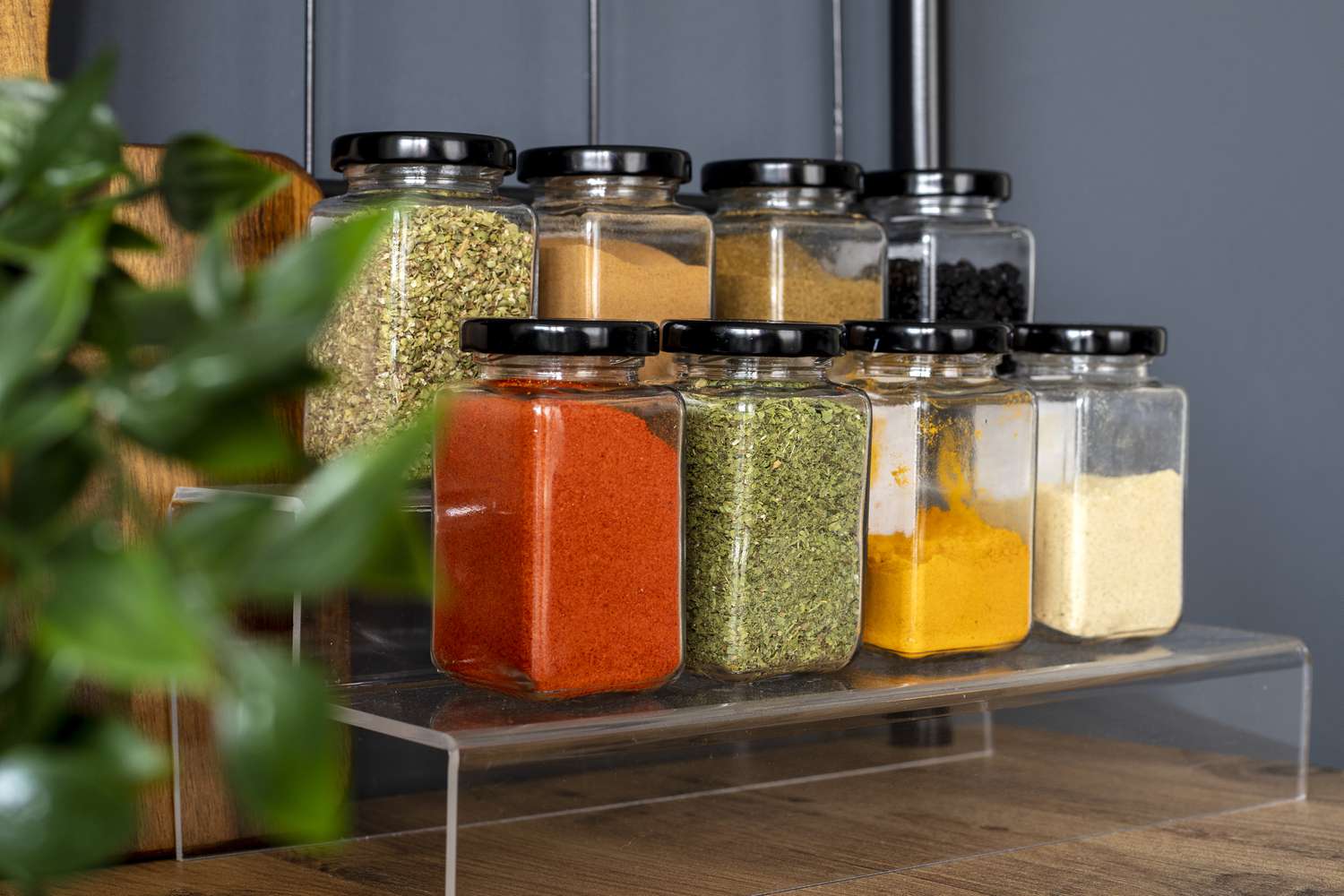
A tiered spice rack is basically stadium seating for your stuff: everything’s visible, nothing gets
stuck in the back row, and you stop buying your “third backup paprika” like it’s a retirement plan.
The best part? This little shelf riser doesn’t have to live in your spice cabinet. It’s a
surprisingly powerful home organization tool for kitchens, bathrooms, craft rooms, and even desks.
Below are seven practical, real-world ways to use a tiered spice rack organizer (plus setup tips, common
mistakes to avoid, and a final section packed with lived-in experience so you can skip the trial-and-error part).
Why a Tiered Spice Rack Works So Well (Even Outside the Kitchen)
Tiered organizers solve the same annoying problem in every room: you have a deep shelf, a cramped counter,
or a drawer that turns into a black hole. A tiered spice rack fixes that by lifting items into view so you can
spot what you need without excavating the front row first.
Think of it as vertical clarity. It’s not just storageit’s a visibility upgrade. When you can see things,
you use them. When you use them, you stop stockpiling duplicates. And when you stop stockpiling duplicates,
you suddenly have space for the important things… like snacks.
Quick rule of thumb before you start
- Measure your space (shelf depth, cabinet height, door clearance).
- Match the rack to the job: sturdy for cans, wipeable for bathrooms, non-slip for anything tall.
- Group “like with like” so your brain doesn’t have to do a scavenger hunt at 7 a.m.
1) Spices, Seasonings, and the “Why Do I Own Five Cinnamon?” Problem
Yes, we’re starting with the classic usebecause it’s still the best place to feel an instant win.
A tiered spice rack keeps labels visible so you’re not pulling out 14 jars to find cumin.
It’s also ideal if you’ve got a shallow cabinet, a narrow shelf, or a “spice drawer” that’s actually just
a pile with good intentions.
Make it work like a pro
- Front row = daily drivers: salt blends, pepper, garlic powder, cinnamon, chili flakes.
- Back row = occasional guests: that specialty rub you love twice a year.
- Label smart: tops for drawers, fronts for shelves. (No one wants to play “Guess That Jar.”)
If you’re decanting into matching jars, keep one “misc shelf” for odd sizes (tall grinders, refill bags,
or that jar shaped like a bowling pin). Uniformity is greatuntil it makes your peppercorns homeless.
2) Baking Extras: Sprinkles, Extracts, Food Coloring, and Other Joyful Chaos
Baking supplies are tiny, colorful, and weirdly good at exploding across cabinets. A tiered spice rack turns
your baking shelf into a mini display where you can see what you have and what you definitely don’t need to buy again.
(You already own three kinds of rainbow sprinkles. You do not need “galaxy shimmer unicorn confetti.” Probably.)
What belongs here
- Sprinkles, sanding sugar, decorative toppers
- Extracts, small bottles of flavoring, mini syrups
- Gel food coloring and tiny tubes
- Small jars of yeast, baking powder, and specialty salts (if you bake often)
Setup tip that saves your sanity
Put the “mess makers” on the lowest tieranything likely to leak, crumble, or dust your shelf with sugar glitter.
Then add a small washable liner or tray underneath. Your future self will thank you, especially after the
Great Vanilla Extract Incident.
3) Pantry Backstock: Canned Goods, Sauces, and the Snack Pack Situation
Deep pantry shelves are notorious for hiding perfectly good food until it ages into a museum artifact.
A tiered organizer works like pantry seating: cans and small jars rise into view so you’re less likely to
overbuy what you already have.
Best candidates for a tiered spice rack
- Canned goods: beans, tomatoes, soup, coconut milk
- Small jars: capers, olives, pesto, curry paste
- Snack packs: applesauce pouches, mini granola bars, single-serve oatmeal
Mini system that actually sticks
Create zones: “Weeknight Basics” (beans, tomatoes), “Add Flavor Fast” (pastes, sauces), and “Grab & Go.”
Keep the heaviest items on the bottom tier and avoid stacking anything so high it turns into a can avalanche.
The goal is access, not a pantry version of Jenga.
4) A Coffee and Tea Station That Feels Like a Tiny Café (Minus the Line)
If your morning routine involves rummaging for filters, sweeteners, or that one mug you like, you’re not alone.
A tiered spice rack on the counter (or inside a cabinet) can turn coffee clutter into a tidy, grab-and-go setup.
It’s a countertop organizer that earns its keep before you’ve even had caffeine.
What to stack
- Coffee pods, tea bags, or small canisters of loose tea
- Sweeteners, cinnamon, cocoa powder, mini syrups
- Stirrers, clips, and “emergency” instant coffee packets
Make it look intentional (not accidental)
Choose containers that match in height and footprintsmall jars or tidy binsso the rack looks curated instead of chaotic.
If you’re short on space, park your tiered rack on a tray so you can slide the whole station out of the way when needed.
5) Bathroom and Vanity Essentials: Skincare, Perfume Minis, Nail Polish
Bathroom counters love to collect tiny bottles and tubes until you can’t put down a toothbrush without negotiating
with a serum. A tiered spice rack is a surprisingly effective bathroom organization tool because it keeps
small items upright and visibleespecially products you use in a specific order.
Best items for the tiers
- Skincare steps: cleanser, toner, serum, moisturizer, SPF
- Perfume minis and travel sprays
- Nail polish (bonus points if you group by color family)
- Hair accessories: clips, pins, small jars of elastics
Bathroom-proofing tips
Choose a rack material that won’t mind humidity, and keep anything leak-prone on the lowest tier. If the rack sits near a sink,
add a washable liner underneath. Also: don’t store products that need darkness or cool temperatures on an open counter
move those to a cabinet and use the tiered rack for daily-use items.
6) Craft Supplies and DIY Bits: Paint, Washi Tape, Beads, and “Tiny Chaos”
Craft rooms are where organization goes to be tested. If your supplies are small enough to disappear but numerous enough
to take over an entire drawer, a tiered spice rack is a legit craft storage solution. It’s perfect for items you want to see
at a glance: color sets, small bottles, and frequently-used tools.
Great fits for a tiered organizer
- Acrylic paint bottles or small jars of pigment
- Washi tape (aka “pretty tape you definitely needed”)
- Markers, pens, glue sticks, mini tools
- Beads and findings (best in small lidded containers)
How to keep it from becoming a craft tornado
Assign each tier a category: “Color,” “Tools,” “Small Parts.” If it’s visible, it’s tempting to overloadso use containers
to limit sprawl. And if you craft with kids, reserve the bottom tier for kid-safe supplies so they can access it without
scaling the shelf like a rock wall.
7) Desk and Tech Drawer Essentials: Batteries, Cables, and Office Supplies
A tiered spice rack can double as a surprisingly clean desk organizerespecially for the small, annoying things
that never have a home: sticky notes, chargers, USB drives, spare batteries, and the pen you only like because it writes
like butter.
What to organize (without creating a wire nest)
- Charging bricks and short cables (coiled neatly or in small bins)
- Batteries, memory cards, and small tech accessories
- Staples, paper clips, tape, and a mini notepad stash
- Mail “triage”: things to file, things to shred, things to deal with later
One trick that upgrades everything
Make a “charging tier.” Put a small power strip behind the rack and designate one shelf as the landing zone for devices.
The rack keeps items from stacking into a plastic-and-cord lasagna, and you’ll stop losing chargers to the sofa cushions
(their natural habitat).
Choosing the Right Tiered Spice Rack Organizer
Not all tiered racks are created equal. Some are lightweight countertop risers made for spice jars; others are sturdier
shelves that can handle heavier pantry items. Before you buy (or repurpose) one, match the rack to the environment.
Quick buying checklist
- Location: cabinet, pantry, counter, bathroom, craft room, office
- Material: easy-to-wipe surfaces for kitchens and bathrooms; sturdy builds for cans and jars
- Grip: non-slip surfaces matter when you’re pulling items out one-handed
- Expandability: useful if you’re fitting a specific cabinet width
- Tier height: tall items need clearance; short items benefit from closer steps
Setup moves that boost usability
- Keep labels facing forward (or upward in drawers).
- Put the most-used items on the easiest-to-reach tier.
- Don’t mix categories unless you love micro-annoyances.
- Leave a little breathing room so items can come out smoothly.
Common Mistakes (So You Don’t Rage-Quit Organization)
- Overloading the top tier: If it’s top-heavy, it becomes wobbly and annoying. Heavy items go low.
- Mixing sizes without a plan: Tall bottles block small ones. Group by height or use bins to level the playing field.
- Buying a rack before measuring: “It’ll probably fit” is how clutter is born.
- Creating a system that’s too precious: You don’t need a museum exhibit. You need a setup you’ll maintain on a tired Tuesday.
Conclusion: Small Rack, Big Life Upgrade
A tiered spice rack is one of those rare organizing tools that doesn’t require a remodel, a new personality, or a weekend of emotional damage.
It simply makes your stuff visible and reachablewhich is the entire point of organization.
Whether you’re optimizing kitchen cabinet organization, building a calmer coffee station, corralling skincare, or taming a craft stash,
the tiered format gives you instant structure. Pick one area, set it up in 10 minutes, and enjoy the oddly satisfying moment of
finding what you need on the first try.
My Hands-On Experience With Tiered Spice Racks (The Part Where I Learned Things the Hard Way)
I used to think tiered spice racks were a “nice-to-have” until I tried one in a cabinet that was basically a cave: deep shelves,
dim lighting, and a mysterious collection of jars I didn’t remember buying. The first day I added a tiered rack, I found duplicates
immediately. Not the fun kind, eitherlike the time I discovered I had two open containers of the same seasoning blend. One of them
smelled like it had taken a long nap in 2019.
The biggest lesson: visibility changes behavior. When I could actually see everything, I stopped buying backups “just in case.”
That alone made the rack pay for itself. But the real surprise was how quickly the idea spread to other rooms. The bathroom counter
was next. My skincare lineup looked like a science fair projectlots of tiny bottles, all competing for space. The tiered organizer
turned it into a routine: cleanse on the bottom, treatment products in the middle, moisturizer and SPF on top. It wasn’t fancy; it
was functional. And suddenly I stopped forgetting steps because everything sat in order like polite little soldiers.
Then came the craft supplies. I tried using a tiered rack for paint bottles and learned a second lesson: not all racks are sturdy.
If you’re organizing heavier items, you want a rack that feels stable when you nudge itotherwise you’ll be living with low-grade
anxiety every time you pull a bottle out. Once I upgraded to a sturdier riser and added a simple liner, it became my “color station.”
I could see every shade at once, which made projects faster and cleanup easier (because the bottles had a real home).
My final experiment was a desk setup, and honestly, it was the most satisfying. I designated one tier for batteries and small tech,
another for paper goods (sticky notes, stamps, tiny scissors), and the top for charging essentials. The key was limiting what could go
on the rack. If I let it become a dumping ground, it turned into clutter-with-steps. But if I treated the tiers like categoriestech,
tools, paperit stayed neat. The bonus was the psychological effect: when the desk looked calmer, I felt calmer. Turns out organization
is occasionally emotional, which is rude but true.
If you’re debating whether this is worth doing, start with one problem spotyour spice cabinet, your coffee station, your skincare chaos.
Keep the setup simple, leave a little empty space, and don’t aim for perfection. A tiered spice rack works best when it’s practical,
slightly forgiving, and easy to reset after real life happens (because it will).














