
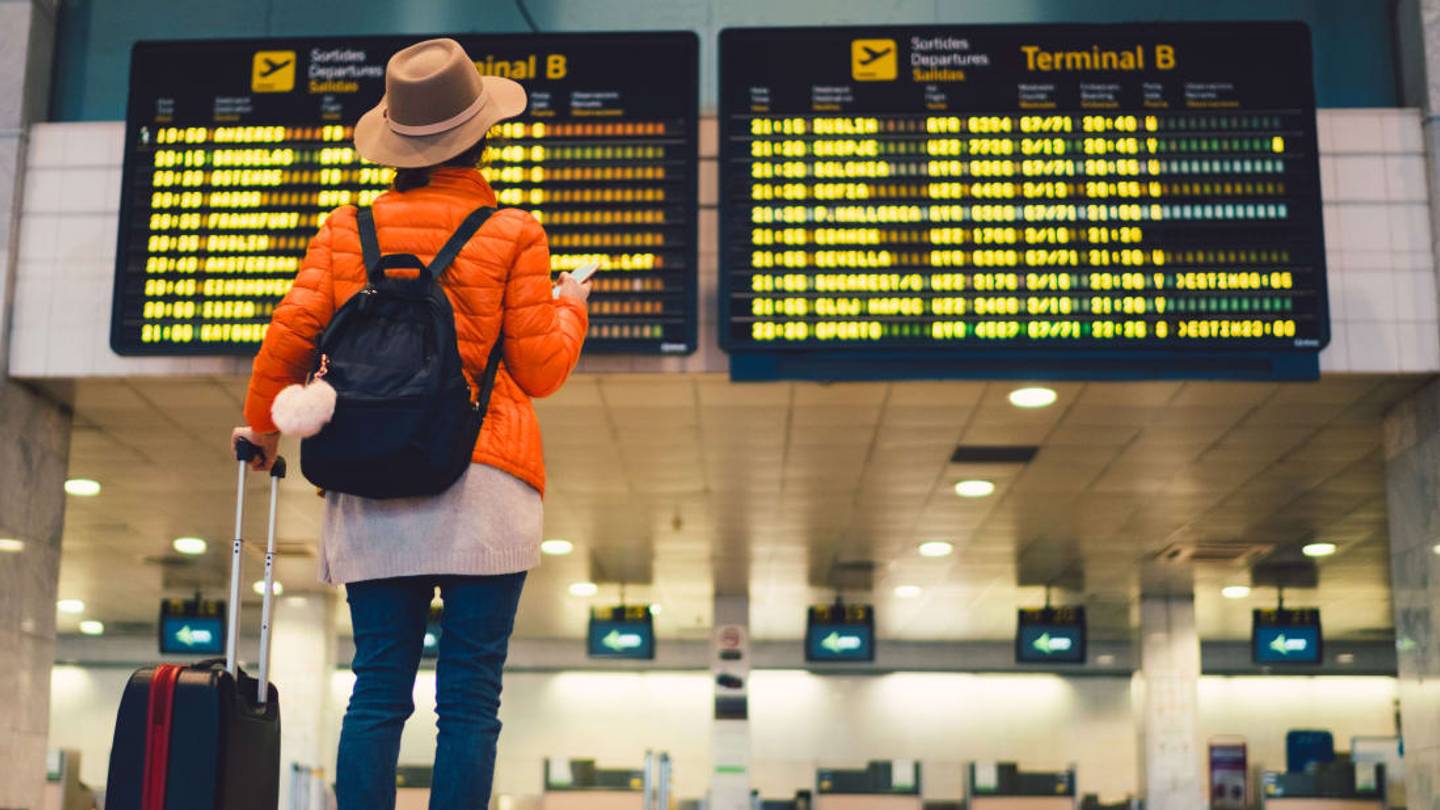
Airports are magical places where a $7 coffee becomes “normal,” a 10-minute walk somehow turns into cardio, and one person digging for their ID can slow down a line of 200 travelers. The good news? Getting through the airport faster is not about sprinting through terminals like an action-movie hero. It is about planning smarter, packing cleaner, and removing tiny delays before they snowball into missed-flight panic.
Whether you fly twice a year or twice a month, the same airport bottlenecks tend to appear: check-in counters, bag drop, TSA security, document checks, customs, crowded gates, and the classic “where did I put my boarding pass?” moment. This guide breaks down seven practical ways to speed up your airport experience without breaking rules, annoying everyone in line, or becoming the person who tries to bring a giant jar of salsa through security “because it is technically food.”
The goal is simple: spend less time stuck in lines and more time calmly walking to your gate like someone who has their life together. Even if that is only partly true.
1. Check In Online Before You Leave Home
The fastest airport trip usually starts before you even see the airport sign. Most major airlines allow online or mobile check-in beginning about 24 hours before departure. When you check in ahead of time, you can confirm your seat, receive your mobile boarding pass, review baggage rules, and handle basic travel details before the airport chaos begins.
Online check-in is especially useful if you are traveling with only a carry-on bag. In many cases, you can skip the ticket counter completely and go straight to security. That one move can save a surprising amount of time, especially during early morning rushes, holidays, spring break, or Sunday evenings when everyone seems to be flying home at once.
Save Your Boarding Pass in Two Places
A mobile boarding pass is convenient, but do not trust airport Wi-Fi, a tired phone battery, or your ability to open the right app while twelve people silently judge you from behind. Save your boarding pass to your phone wallet, take a screenshot, and keep the airline app updated. If you prefer paper, print a backup at home. The point is not to be old-fashioned or futuristic; the point is to avoid becoming the person whispering, “It was just here,” while blocking the scanner.
If you need to check a bag, online check-in still helps. Many airlines have dedicated bag-drop lanes for passengers who already checked in. You may still wait, but you are usually avoiding the longer full-service line where travelers are changing flights, asking fare questions, or discovering that their suitcase weighs as much as a small refrigerator.
2. Use TSA PreCheck, CLEAR, or Trusted Traveler Programs
If you fly regularly, expedited screening programs can be worth the investment. TSA PreCheck is one of the most useful options for domestic travelers in the United States. Approved travelers can use dedicated lanes at participating airports and often keep shoes, belts, light jackets, laptops, and compliant liquids in place. That means fewer bins, fewer wardrobe changes, and fewer moments of hopping on one foot while trying to untie boots.
CLEAR is different. Instead of changing the physical screening process, it helps verify your identity faster at participating airports using biometric technology. Some travelers use CLEAR and TSA PreCheck together: CLEAR helps them reach the screening point faster, and TSA PreCheck helps them move through the actual security process with fewer steps.
Consider Global Entry for International Travel
For international travelers, Global Entry can speed up re-entry into the United States after foreign trips. Mobile Passport Control is another helpful option for eligible travelers arriving at select U.S. airports. It allows users to submit passport and customs declaration information through an official app, which may help reduce time in the regular inspection process.
These programs are not magic wands. Lines can still happen. Airports can still be crowded. Technology can still have a “Monday morning” attitude on a Thursday afternoon. But over multiple trips, trusted traveler programs can remove some of the most repetitive airport friction.
3. Pack Your Carry-On Like TSA Will Inspect It
Packing is not just about fitting three outfits, two chargers, and emergency snacks into one bag. It is also about making your bag easy to screen. A messy carry-on can trigger extra inspection, especially if dense electronics, tangled cords, food, liquids, and mystery objects are packed together like a junk drawer with a handle.
Start with the basics. Liquids, gels, aerosols, creams, and pastes in carry-on bags generally need to follow the 3-1-1 rule: containers of 3.4 ounces or less, placed in a quart-size bag, with one bag per passenger. If your shampoo bottle is large enough to hydrate a family of four, check it or leave it at home.
Know Which Items Cause Slowdowns
Food can also complicate screening. Solid foods are usually easier to travel with, while spreadable or liquid-like foods may fall under liquid rules. Peanut butter, yogurt, sauces, soup, dips, and similar items can create trouble when packed in large containers. Meanwhile, power banks and spare lithium batteries belong in carry-on baggage, not checked luggage, and battery terminals should be protected from short circuits.
Before packing unusual items, search the TSA “What Can I Bring?” database or check your airline’s rules. Tools, sports equipment, blades, oversized liquids, and certain batteries can cause delays or confiscation. If something makes you think, “This might look weird on an X-ray,” it probably will.
4. Dress for the Security Line, Not the Fashion Week Runway
Airport style should have one mission: easy movement. Wear shoes you can remove and put back on quickly if required. Avoid belts with complicated buckles, jackets with twenty pockets, jewelry that sets off alarms, and lace-up boots that require a rescue team. If your outfit takes longer to disassemble than a camping tent, it may not be the best airport choice.
Before you reach the conveyor belt, empty your pockets. Put keys, coins, watches, earbuds, and loose items into your bag. This prevents the classic checkpoint shuffle: patting every pocket, removing one coin at a time, and looking surprised that metal is still metal.
Create a “Security Mode” Routine
Experienced travelers often switch into security mode before they reach the front of the line. Phone and wallet go into a zippered pocket. Laptop is easy to access if needed. Liquids are ready if required. Boarding pass and ID are in hand. Shoes are practical. Nothing is dangling, spilling, or buried under a hoodie.
This routine does not just help you. It helps everyone behind you. A prepared traveler keeps the line moving, which earns quiet appreciation from strangers. They may not applaud, but spiritually, they are clapping.
5. Choose Flights and Airport Timing Strategically
Getting through the airport faster is partly about when you travel. Early morning flights are often less affected by delays that build throughout the day, though they can be busy at security because many travelers like starting early. Midday flights may have shorter lines at some airports, while Friday afternoons, Sunday evenings, holidays, and school vacation periods can be crowded.
Airport arrival time should depend on your situation. A domestic flight with no checked bag from a familiar airport is different from an international flight with luggage, kids, a rental car return, and a terminal you have never visited. In general, build in time for parking, shuttle rides, airline check-in, bag drop, document checks, and security screening.
Use Airport and Airline Apps
The MyTSA app can help travelers check airport delay information, historical crowd levels, and security wait-time estimates. Many airport websites also publish checkpoint wait times, parking updates, terminal maps, and construction alerts. Airline apps can show gate changes, boarding times, baggage tracking, and rebooking options during disruptions.
Do not wait until you are standing in the wrong terminal to discover that your gate changed. Check your airline app before leaving home, again when you arrive, and once more after security. Airports love changing gates with the emotional timing of a soap opera plot twist.
6. Travel Light Whenever Possible
The fewer things you bring, the fewer things can slow you down. Carry-on-only travel can eliminate the check-in counter, bag-drop line, baggage carousel, and the emotional suspense of wondering whether your suitcase decided to vacation in Denver without you.
Of course, carry-on-only is not always realistic. Families, long trips, winter travel, business equipment, and special events may require checked luggage. But even then, packing lighter helps. A properly sized, properly weighted suitcase is faster to check, easier to move, and less likely to trigger repacking drama at the counter.
Use a Personal Item Wisely
Your personal item should hold the things you need quickly: ID, passport if needed, phone, charger, wallet, medication, glasses, headphones, snacks, and travel documents. Do not bury your ID under a novel, a hoodie, and three granola bars. The fastest travelers treat their personal item like a command center, not a storage cave.
If you are traveling internationally, keep required documents organized. Passport, visa documents if applicable, entry forms, hotel information, and return-flight details should be easy to access. A simple folder or zippered pouch can save time and reduce stress when airline staff or border officers ask for information.
7. Know the Airport Layout Before You Arrive
Airports are not all designed with mercy. Some terminals are connected by trains. Some security checkpoints serve only certain gates. Some rideshare drop-off zones feel like they were planned by someone who enjoys riddles. Before leaving for the airport, check the terminal, airline counter location, parking option, and security checkpoint closest to your gate.
If your airport has multiple checkpoints, one may be significantly less crowded than another. Some airports allow passengers to use any checkpoint in the same terminal area, while others restrict access. Airport websites and apps can help you avoid unnecessary walking or standing in the wrong line.
Plan for Parking, Rideshare, and Rental Car Returns
Many travelers calculate airport time from the curb, but the trip really starts before that. Parking lots can fill up. Shuttle buses can take longer than expected. Rideshare drop-offs may be moved during construction. Rental car returns can involve fuel receipts, inspections, shuttle transfers, and a surprisingly long walk.
If you are driving, reserve parking if the airport allows it. If you are using rideshare, confirm the correct departure level and terminal. If you are returning a rental car, add extra time. Nothing ruins a calm travel morning like discovering the rental car center is basically in another ZIP code.
Extra Airport Speed Tips That Actually Help
Small habits can produce big time savings. Charge your phone before leaving. Keep a pen for international forms, even though many forms are now digital. Put medication and valuables in your carry-on. Label your bags clearly. Weigh checked luggage at home. Review your airline’s baggage size and weight limits before you arrive.
Families should prepare children before the security line. Explain what will happen, place small toys in bags before screening, and keep snacks simple. Travelers with medical devices, mobility aids, baby formula, breast milk, or medically necessary liquids should review TSA guidance in advance so they know what to expect.
Another overlooked trick: do not stand in a line just because everyone else is standing in it. Look for signs. Ask airport staff. Check whether a kiosk, bag-drop shortcut, alternate checkpoint, or mobile option is available. Airports are full of people waiting in the wrong place with great confidence.
Common Mistakes That Slow Travelers Down
The biggest airport delays often come from avoidable mistakes. Travelers arrive with expired IDs, noncompliant documents, oversized liquids, dead phones, overweight bags, or boarding passes trapped inside apps they forgot to update. Others wait until the front of the line to remove laptops, search for passports, or decide whether their water bottle is empty.
Another mistake is assuming every airport works the same way. A small regional airport may take fifteen minutes from curb to gate. A major international hub during a holiday weekend may feel like a theme park where the only ride is anxiety. Adjust your plan for the airport, the date, the weather, and the type of trip.
Real-World Experiences: What Fast Travelers Learn Over Time
After enough airport trips, patterns become obvious. The travelers who move fastest are rarely rushing. They are calm because they removed problems earlier. They checked in before leaving home. They know their terminal. They have their ID ready. Their bag is organized. Their liquids are compliant. Their phone is charged. They are not trying to solve five problems at the security belt while wearing complicated shoes.
One useful experience is learning that airport time is not one single block. It is a chain of small steps. Getting from home to the curb is one step. Parking or drop-off is another. Bag drop is another. Security is another. Walking to the gate is another. Boarding is another. If one step fails, the entire chain tightens. That is why experienced travelers add buffer time not because they enjoy airport chairs, but because they know one slow shuttle or long checkpoint can change everything.
Another lesson: the best airport bag is not always the biggest bag. It is the bag with the smartest layout. A backpack with a laptop sleeve, top pocket, and document section can be faster than a stylish tote where everything sinks into darkness. A spinner suitcase that glides smoothly is better than a beautiful bag that tips over every twelve feet like it is having a personal crisis.
Frequent travelers also learn to respect food rules. A sandwich is easy. A large yogurt is a debate you will probably lose. A sealed water bottle must be empty before security unless it qualifies for a specific exception. Snacks should be simple, solid, and easy to separate if needed. Nobody wants their carefully packed bag opened because a mystery container looks suspicious on the scanner.
International travel teaches another important habit: documents should be treated like boarding passes with extra drama. Passport, visa, entry requirements, hotel address, return ticket, and customs options should be checked before departure day. Mobile Passport Control and Global Entry can help eligible travelers, but they do not replace the need to carry the right passport and documents.
Finally, fast travelers understand that kindness saves time. Airport staff deal with stressed people all day. A clear question and a polite tone can get you better help faster than frustration. If a line is confusing, ask. If a gate changes, confirm. If your bag needs extra screening, stay calm. The airport is not personally attacking you, even when it feels suspiciously targeted.
Conclusion
Getting through the airport faster is not about secret tunnels or elite travel wizardry. It is about preparation. Check in online, use trusted traveler tools when they fit your travel style, pack with security in mind, dress for efficiency, monitor timing, travel light, and understand the airport layout before you arrive.
Every minute you save before security gives you more breathing room after it. That might mean time for coffee, a bathroom break, a relaxed walk to the gate, or simply the joy of not hearing your name announced over the loudspeaker. And honestly, avoiding that announcement is one of modern travel’s greatest achievements.
Note: This article is based on current U.S. airport security, airline check-in, customs, and baggage guidance, rewritten in original language for web publication. Travelers should always confirm details with their airline and departure airport before flying, because airport procedures, checkpoint availability, and document requirements can change.













