
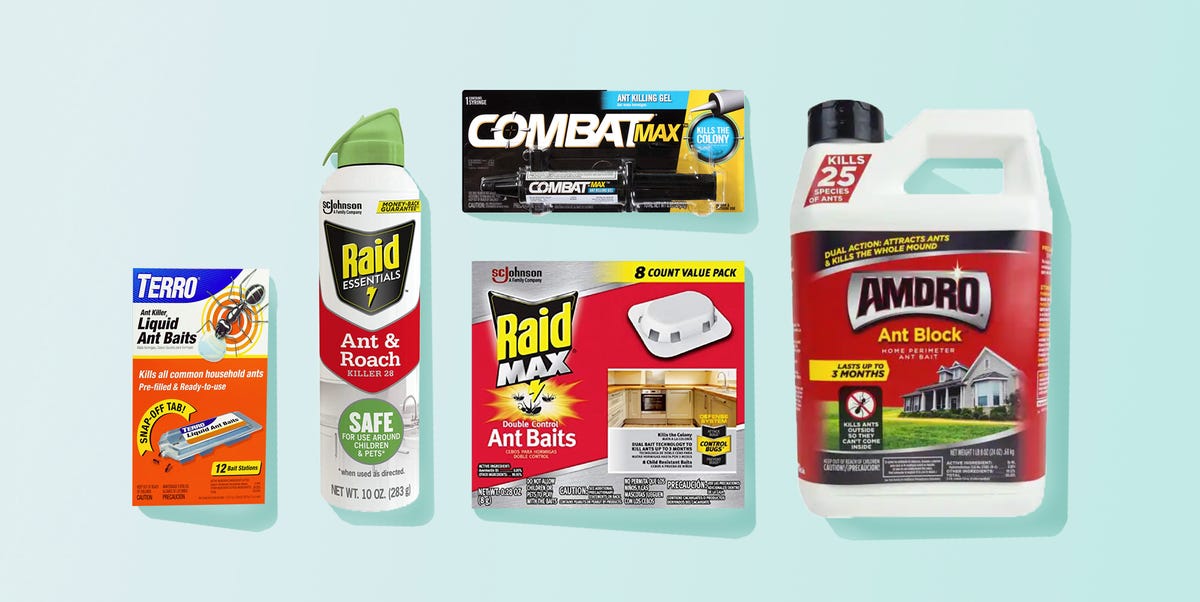
Ants are tiny, organized, and apparently convinced your kitchen is a five-star buffet with free refills. One day you see a lone scout near the sink; the next day there is a marching band under the toaster. If you searched for the best ant killers of 2024, you are probably looking for one thing: a practical way to stop ants indoors and outdoors without turning your home into a chemistry experiment.
This guide takes a safety-first approach. Instead of simply naming the strongest products on the shelf, it explains the eight most useful ant-control options homeowners commonly consider, when each one makes sense, and what to know before choosing an indoor ant killer, outdoor ant repellant, bait station, perimeter treatment, or natural ant deterrent. The goal is simple: fewer ants, less guesswork, and no panic-spraying the entire house like you are defending a medieval castle.
Before using any pesticide, always read the full product label, follow local rules, keep products away from children and pets, and consider asking a qualified adult or licensed pest-control professional for help. Ant control is not about using the most aggressive option first. The best results usually come from identifying why ants are entering, removing attractants, blocking access, and using targeted control only when necessary.
Why Ants Invade Homes in the First Place
Most ants live outdoors, where they play useful roles in soil movement, cleanup, and the food chain. The problem starts when outdoor ants find something indoors that is better than what nature is serving. Crumbs, sticky spills, pet food, leaky pipes, overwatered plants, and trash cans can all turn a home into an ant vacation resort.
Ants also leave scent trails. Once a scout ant finds food or water, it can guide more ants to the same location. That is why wiping up the visible ants is rarely enough. The real strategy is to remove the reason they came, erase the trail, and stop new ants from finding the same doorway, window gap, pipe opening, or foundation crack.
How to Choose the Best Ant Control Method
The best ant killer or ant repellant depends on where the ants are, what type of ants you have, whether pets or children are nearby, and whether the nest is indoors or outdoors. A small trail near a windowsill may need a different solution than a large outdoor mound, carpenter ant activity, or repeated kitchen invasions after rain.
For indoor ant problems, many experts favor targeted approaches over broad spraying. Indoors, the priority should be sanitation, exclusion, and contained treatment methods that reduce unnecessary exposure. Outdoors, the focus is usually on reducing entry pressure around the foundation, removing nesting-friendly clutter, and addressing colonies only when they are creating a real nuisance or safety issue.
1. Enclosed Indoor Ant Bait Stations
Best for: Kitchen trails, bathroom ants, and small indoor invasions
Enclosed ant bait stations are one of the most common indoor options because they keep the active material inside a small plastic station. Worker ants are attracted to the bait, feed on it, and may carry it back to the colony. This makes bait stations different from contact sprays, which often affect only the ants you can see.
The main advantage is control. A contained station is generally less messy than loose granules or open liquid bait. It also fits the way many household ants behave: they forage for food, communicate with nestmates, and share resources. The downside is patience. Baits are not designed to make every ant disappear in five dramatic seconds. In fact, you may see more ant activity at first because the bait is attracting foragers.
Look for indoor bait stations that are clearly labeled for indoor household ant control, come in child-resistant packaging, and include easy-to-understand safety directions. Avoid placing any pest-control product where children, pets, or food-contact surfaces could be exposed.
2. Gel Ant Baits
Best for: Cracks, crevices, and hard-to-reach ant trails
Gel baits are popular because they can be used in tight areas where ants travel, such as under cabinets, near baseboards, or around hidden entry points. They can be especially helpful when ants ignore one type of bait but respond to another. Ant colonies are not all ordering from the same menu. Some ants prefer sweet foods, while others may be drawn to protein or grease-based attractants depending on the species and season.
However, gel baits require extra caution because they are not sealed inside a plastic station. That means label directions matter even more. A gel bait should never be treated like ordinary household glue or caulk. It is a pesticide product, and it must be kept away from kids, pets, dishes, countertops, and any area where accidental contact could happen.
For many households, gel bait is best handled by an adult or a professional, especially when the ant trail is near food prep areas or sensitive spaces. Used thoughtfully, it can be a precise tool. Used carelessly, it can create unnecessary risk.
3. Outdoor Ant Bait Stations
Best for: Ant activity around patios, foundations, and garden edges
Outdoor bait stations are designed for use outside the home, where ants are usually nesting and foraging. They may be placed in protected areas according to the product label, and their purpose is to reduce ant pressure before ants move indoors. Outdoor baiting can be useful because it addresses the problem closer to its source rather than waiting for ants to parade across the kitchen floor.
Outdoor conditions matter. Rain, sprinklers, heat, pets, wildlife, and foot traffic can all affect whether an outdoor ant-control product is appropriate. A bait that works well in a dry, shaded corner may perform poorly if it is placed where water washes over it. This is another reason to read the label carefully and avoid improvising.
Outdoor bait stations are not the same as general insect repellants. They are targeted products intended for specific pests and settings. If you are dealing with fire ants, carpenter ants, or heavy recurring infestations, professional identification may be worth it. The wrong product for the wrong ant can waste time and money while the colony continues its tiny real-estate expansion.
4. Perimeter Ant Control Products
Best for: Repeated ant entry around doors, windows, and foundations
Perimeter treatments are outdoor products intended to help reduce insects entering a building. They are commonly marketed for use around foundations, doorways, windows, garages, and other exterior access points. For people who experience seasonal ant invasions every spring or summer, perimeter control may sound like the dream: a protective moat, minus the crocodiles.
The important thing is that perimeter products are not all the same. Some are designed for ants, some for broader insect control, and some may not be appropriate for certain surfaces, weather conditions, or areas near edible plants. Labels specify where and how a product may be used. That label is not decorative paperwork; it is the rulebook.
Perimeter control works best when combined with basic home maintenance. Seal gaps, repair torn screens, trim vegetation away from siding, move stacked wood away from the house, and reduce moisture near the foundation. Without those steps, a perimeter product can become a temporary pause button rather than a real solution.
5. Natural Ant Repellants
Best for: Light activity, prevention, and scent-trail disruption
Natural ant repellants are attractive because they sound gentler, smell better, and do not carry the same mental image as a heavy-duty pesticide. Common household approaches include cleaning with vinegar solutions, wiping away trails, using citrus-scented cleaners, and relying on strong smells that may disrupt ant communication. Some plant-based sprays use ingredients such as peppermint oil or other essential oils.
Still, “natural” does not automatically mean risk-free. Essential oils can irritate skin, bother pets, stain surfaces, or cause problems if misused. Natural repellants also tend to repel rather than eliminate colonies, which means ants may simply reroute. Imagine closing one tiny ant highway and watching them build a scenic bypass through the laundry room.
Natural repellants are best viewed as prevention helpers, not miracle cures. They can be useful after cleaning, sealing entry points, and removing food sources. For a serious infestation, especially one involving structural damage or stinging ants, natural repellants alone may not be enough.
6. Diatomaceous Earth and Dust-Based Options
Best for: Dry cracks, voids, and non-food areas when labeled appropriately
Diatomaceous earth and other dust-style ant-control products are often discussed as lower-odor options. They work physically or chemically depending on the product, but they must still be treated with care. Dust can move through the air, settle on surfaces, and be inhaled if handled improperly. Food-grade labels and pest-control labels are not the same thing, and consumers should avoid assuming one use makes another use safe.
Dust products are usually most appropriate for dry, hidden areas where the label allows use. They are not ideal for open countertops, carpets where kids play, pet bedding, or windy outdoor areas. If a product creates a visible mess, that is usually a sign that something has gone wrong with the plan.
For web readers comparing indoor ant killers, dust-based options deserve a cautious mention because they are common, but they are not beginner-proof. When in doubt, choose prevention first and ask a knowledgeable adult or pest professional before using dust pesticide products.
7. Contact Sprays
Best for: Limited, immediate knockdown situations only
Contact sprays are the dramatic option. They make visible ants disappear quickly, which feels satisfying in the same way deleting 400 unread emails feels satisfying. Unfortunately, quick visible results do not always solve the colony problem. Sprays can kill foraging ants without reaching the nest, and some ants may scatter or shift routes after disturbance.
Indoor spraying should be approached with serious caution. Sprays can drift, leave residues, and affect indoor air quality if overused. They should never be applied casually around food, dishes, children’s areas, pet bowls, or bedding. More is not better. More is just more exposure.
Contact sprays may have a role in specific situations, but they should not be the first or only strategy for recurring household ants. If ants keep returning, the issue is likely food, water, access, or an outdoor colony that has not been addressed.
8. Professional Ant Control Services
Best for: Severe, recurring, stinging, or structural ant problems
Sometimes the best ant killer is not a product at all. It is a trained professional who can identify the ant species, locate likely nesting areas, and choose a targeted plan. This is especially important for carpenter ants, fire ants, or infestations that return again and again despite cleaning and sealing.
Professional pest-control services can also reduce guesswork. Different ants respond to different baits and strategies. A solution that works beautifully for one household ant species may be ignored by another. Proper identification can prevent wasted money and unnecessary pesticide use.
When hiring a professional, ask about integrated pest management, safety precautions, product labels, re-entry guidance, pet precautions, and follow-up steps. A good service should not make the home feel like a mysterious laboratory. It should explain the plan in plain English.
Indoor Ant Control: What Actually Helps
Indoor ant control starts with boring habits that work. Clean up crumbs, rinse sticky containers before recycling, store sweets and pet food in sealed containers, wipe counters at night, fix leaks, and take trash out regularly. Ants do not need a banquet. A few grains of sugar under the coffee maker can become the insect version of a Las Vegas buffet.
Next, trace the trail. Ants often enter through gaps around windows, doors, pipes, baseboards, vents, or foundation cracks. Sealing these points can be more effective than repeatedly treating the same trail. Clean the trail with soap and water to remove scent markers, then watch whether ants return from the same direction.
If you choose an indoor ant-control product, favor targeted, contained options and follow the label exactly. Avoid spraying wide indoor surfaces, drawers, cabinets, counters, or floors. The goal is not to coat your home; the goal is to solve the ant problem with the least necessary intervention.
Outdoor Ant Control: Reduce the Invitation
Outdoor ants become indoor ants when the area around the home gives them food, water, shelter, and easy access. Start by moving mulch, leaves, boards, and stacked firewood away from the foundation. Trim branches and shrubs so they do not touch the house. Repair dripping outdoor faucets and improve drainage near the foundation.
Look for ant trails along siding, walkways, patio edges, and utility lines. Outdoor bait stations or other labeled products may be considered when ants are actively foraging, but outdoor control should be targeted rather than random. Treating every inch of the yard is rarely necessary and may affect beneficial insects.
For lawns and gardens, be especially careful around edible plants, pollinator areas, pets, and water sources. Outdoor pest control should respect the fact that your yard is an ecosystem, not just a battlefield with grass.
Common Mistakes People Make With Ant Killers
The first mistake is choosing speed over strategy. A fast spray may kill visible ants, but if the colony remains active, new ants can arrive tomorrow with the confidence of tiny commuters who already bought monthly passes.
The second mistake is mixing products or using several treatments at once. This can reduce bait effectiveness, increase exposure, and create confusion about what is actually working. If ants avoid a bait after an area has been sprayed, the problem may get harder to solve.
The third mistake is ignoring moisture. Many ant problems are tied to water. Bathrooms, kitchens, potted plants, and damp wall voids can attract ants even when food is limited. Fixing leaks and reducing moisture can make the home much less appealing.
The fourth mistake is assuming all ants are the same. Carpenter ants, odorous house ants, pavement ants, Argentine ants, and fire ants can require different management strategies. Identification matters.
Experience-Based Tips: What Homeowners Learn the Hard Way
After dealing with ants a few times, most homeowners discover that the visible trail is only the headline, not the full story. The first instinct is usually to grab the nearest spray and declare victory after the counter looks clean. Then the ants return the next morning, refreshed, reorganized, and apparently carrying clipboards. The lesson is simple: visible ants are symptoms. The source is usually outside, inside a wall void, near moisture, or connected to an easy food source.
One practical experience is that timing matters. Ants often appear after rain, during heat waves, or when outdoor food sources change. A kitchen that was ant-free in March may become an ant airport in July. Seasonal prevention works better than emergency reaction. Before peak ant season, check window seals, door sweeps, pipe openings, foundation cracks, and pantry storage. It is much easier to block a gap before ants discover it than after they have added it to their internal GPS.
Another lesson is that cleanliness helps, but perfection is not required. You do not need to live like a museum curator who fears toast crumbs. You do need to remove the easy wins: sugary spills, open cereal bags, fruit scraps, pet food left overnight, and trash that smells like last night’s dinner. Ants are efficient. If your home stops rewarding them, they often look elsewhere.
People also learn that bait patience is difficult. When bait attracts ants, the trail may look worse before it looks better. That can feel like inviting the problem to a party. But bait-based control is designed around ant behavior, not human impatience. The key is to avoid disturbing the process unless the product label or a professional says otherwise. Randomly switching methods every few hours can make the situation more confusing.
Outdoor maintenance makes a bigger difference than many people expect. A damp pile of leaves near the foundation, mulch pressed against siding, or branches touching the roof can create ant-friendly highways. Reducing clutter, improving drainage, and trimming vegetation may not feel exciting, but it is the home-maintenance version of locking the front door.
Finally, homeowners learn when to stop guessing. If ants are large, winged, stinging, nesting in wood, appearing in huge numbers, or returning despite repeated prevention, professional help is not overkill. It is common sense. A trained pest expert can identify the species, explain the risk, and choose a targeted approach that avoids unnecessary product use.
Final Thoughts
The best ant killers of 2024 are not just the strongest products with the loudest labels. The best ant-control plan is the one that matches the ant problem, protects the household, and solves the cause instead of chasing the same trail every morning. For indoor ants, focus on cleaning, sealing, and contained control options when needed. For outdoor ants, reduce access, moisture, and nesting-friendly conditions before considering targeted products.
Ants may be organized, persistent, and annoyingly good at teamwork, but they are not unbeatable. With smart prevention, careful product selection, and label-first safety, you can take back your kitchen, patio, bathroom, and pantry without turning pest control into a full-time hobby.














