
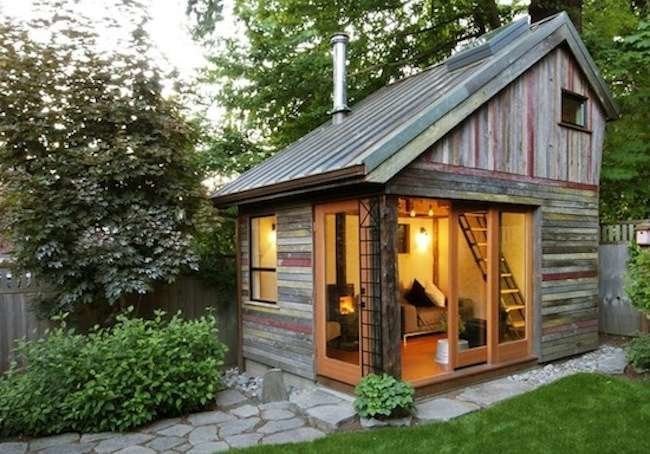
A tiny backyard building is the adult version of a blanket fort: private, useful, slightly magical, andif planned correctlynot likely to collapse when the dog leans on it. Whether you need a quiet backyard office, a creative studio, a kids’ playhouse, a potting shed, or a mini retreat where nobody asks what’s for dinner, a compact outbuilding can turn ordinary yard space into a hard-working extension of your home.
The best part? “Tiny” does not mean “toy.” A structure under 200 square feet can still hold a desk, storage wall, yoga mat, workbench, garden bench, reading chair, or small entertainment zone. The trick is choosing the right purpose before you buy a kit, pour a pad, or spend a Saturday arguing with a level. A tiny backyard building should solve a real problem: too much clutter, too little privacy, too many hobbies, or too many Zoom calls featuring your laundry pile in the background.
Below are eight smart tiny backyard buildings for work or play, plus planning advice, design examples, and practical lessons that can save you money, space, and a few dramatic sighs.
Why Tiny Backyard Buildings Are Having a Big Moment
Backyards have become more than lawns with occasional barbecue smoke. For many homeowners, the backyard is now an office wing, hobby zone, family play space, garden command center, fitness corner, and social escape. A small outdoor building offers separation from the main house without the cost and complexity of a full addition.
Unlike a spare bedroom, a detached backyard building creates a mental boundary. That short walk across the yard can help shift your brain from “home mode” to “focus mode.” It also gives messy hobbies a place to spread out. Paint, potting soil, sawdust, yoga props, musical equipment, and kids’ costumes all behave better when they have a dedicated home.
There is also a design advantage. Tiny structures can add charm to a landscape when they are scaled properly and styled to match the house or garden. A gable-roof shed can look like a miniature cottage. A modern office pod can make a narrow yard feel intentional. A greenhouse can act as both a plant nursery and a glowing evening focal point. In other words, a tiny backyard building can be practical and adorable, which is basically the home-improvement jackpot.
Before You Build: The Not-So-Tiny Planning Checklist
Check permits, zoning, setbacks, and HOA rules
Before falling in love with a backyard studio online, check local rules. Many U.S. municipalities allow small detached accessory structures without a full building permit if they remain under a certain size, often around 120 or 200 square feet. However, rules vary widely. Electrical, plumbing, heating, cooling, permanent foundations, height, setbacks, and property-line placement may require permits even when the building itself is small.
Also check homeowner association rules, easements, drainage requirements, and fire-separation standards. A “cute little shed” becomes much less cute when it must be moved three feet to the left after installation.
Start with the foundation
A tiny building is only as good as the base beneath it. Gravel pads, concrete piers, skids, deck platforms, and slabs can all work, depending on the structure, soil, drainage, climate, and intended use. Offices, workshops, and studios benefit from a stable, level, dry base. Playhouses and garden sheds also need good drainage so the floor does not become a sponge with a roof.
Plan comfort like you mean it
If people will spend time inside the structure, think beyond walls and a door. Insulation, ventilation, shade, weatherstripping, flooring, lighting, and temperature control matter. A backyard office without insulation can feel like a toaster in August and a refrigerator in January. A greenhouse without ventilation can cook seedlings faster than a microwave burrito. A workshop without dust control can make every project feel like sanding the moon.
Use electricity safely
For occasional use, solar lights or battery-powered lamps may be enough. For a real office, studio, gym, or workshop, hire a qualified electrician. Outdoor-rated wiring, GFCI protection, buried conduit, proper circuits, and code-compliant installation are not glamorous, but neither is explaining to your insurance company that your “temporary” extension cord had been temporary for 14 months.
8 Tiny Backyard Buildings for Work or Play
1. The Backyard Office Shed
A backyard office shed is one of the most popular tiny backyard buildings because it solves a modern problem: working from home while actually being able to work. A compact office can fit into an 8-by-10-foot or 10-by-12-foot footprint with a desk, ergonomic chair, floating shelves, task lighting, and a small cabinet.
For best results, place the desk near a window but avoid direct glare on your screen. Add sound-softening materials such as rugs, curtains, acoustic panels, cork boards, or upholstered furniture. If the office will be used year-round, insulate the walls, floor, and ceiling, and consider a mini-split system or another code-approved heating and cooling option.
A backyard office works beautifully for remote workers, consultants, therapists, writers, designers, tutors, and anyone whose productivity declines when the dishwasher begins its solo performance. Keep the interior simple: one strong work surface, excellent lighting, reliable internet, and closed storage for paperwork. The goal is not to recreate a corporate cubicle. The goal is to create a peaceful work zone where pants are technically optional but professionalism is not.
2. The Artist or Craft Studio
An art studio is a natural fit for a tiny backyard building. Painters, quilters, ceramic hobbyists, jewelry makers, scrapbookers, and DIY decorators need surface area, storage, natural light, and permission to make a glorious mess. A small structure with large windows, washable flooring, wall-mounted storage, and a sturdy central table can become a creative headquarters.
Choose finishes that forgive spills. Luxury vinyl plank, sealed plywood, painted concrete, and rubber flooring are easier to clean than carpet. Add pegboard, open shelves, labeled bins, and magnetic strips for tools. If you work with paint, resin, adhesives, stains, or solvents, ventilation is essential. A window that opens is nice; cross-ventilation is better.
For inspiration, think of the studio as a miniature workshop mixed with a cheerful cottage. Paint the interior white if you need color accuracy, or use a bold wall color if the space is more about joy than precision. Add a sink only if your local code and budget allow it; plumbing can turn a small project into a much bigger one.
3. The Kids’ Playhouse or Clubhouse
A backyard playhouse gives children a place to imagine, build, read, host tea parties, defend castles, operate pretend restaurants, and conduct mysterious business involving sticks. It can be as simple as a small cottage-style structure with a porch or as elaborate as a mini cabin with a loft, chalkboard wall, and reading nook.
Safety should lead every design decision. Build on level ground, anchor the structure properly, avoid sharp edges and protruding hardware, use child-safe materials, and provide adequate protective surfacing around climbing features. If the playhouse includes swings, slides, ladders, or elevated platforms, follow playground safety guidance for spacing and fall zones.
To extend the building’s useful life, design it so it can evolve. Today’s playhouse can become tomorrow’s teen hangout, garden shed, bike storage room, or reading cottage. Use neutral exterior materials, adult-height doors when practical, and removable kid-specific features. Children grow quickly; a well-built backyard building should not become obsolete the moment someone discovers middle school.
4. The Potting Shed and Garden Command Center
A potting shed is the dream building for gardeners who are tired of storing seed packets in kitchen drawers and finding hand trowels in mysterious places. The best potting sheds combine storage, work surface, ventilation, and easy outdoor access. A 6-by-8-foot or 8-by-10-foot shed can hold a potting bench, tool rack, soil bins, watering cans, gloves, plant labels, and shelves for pots.
Place the potting bench near a window or add a skylight if possible. Natural light helps when starting seeds, checking plant health, or searching for the one seed packet that has somehow become invisible. Use hooks for long-handled tools, lidded bins for soil amendments, and shallow drawers for seeds and labels.
If the structure also stores fertilizers, pesticides, or sharp tools, include lockable cabinets. Good airflow matters because damp tools, soil, and containers can create musty conditions. A small vent, operable window, or screened door can make the space fresher and more pleasant.
5. The Mini Greenhouse
A tiny greenhouse is part garden tool, part science experiment, and part happiness machine. It can extend the growing season, protect tender seedlings, and give gardeners a warm place to fuss over tomatoes like proud stage parents. Small greenhouses come in lean-to, freestanding, hoop-house, cold-frame, and kit styles.
Choose the location carefully. Most edible plants and seedlings need strong light, but too much heat can stress plants. Ventilation is critical in small greenhouses because temperatures and humidity can rise quickly. Roof vents, lower intake vents, shade cloth, fans, and automatic vent openers can help regulate the environment.
For small yards, a lean-to greenhouse against a fence, garage, or sunny wall can save space. Polycarbonate panels are often more impact-resistant than glass, making them practical for family yards. Inside, use vertical shelving, a narrow center aisle, and removable benches so the greenhouse can adapt through the seasons.
6. The Backyard Workshop
A mini workshop is ideal for woodworking, small repairs, bicycle maintenance, model building, tool storage, and hands-on hobbies that do not belong on the dining table. Even a compact 10-by-12-foot shed can function well if the layout is efficient. The secret is to build upward and keep the floor flexible.
Use wall-mounted tool storage, fold-down work surfaces, mobile carts, ceiling racks, and compact benches. If you use power tools, plan dust collection, ventilation, lighting, and electrical capacity before moving in. A single overhead bulb will not cut it when you are trying to measure twice and cut once without turning “once” into “oops.”
Noise is another factor. Place the workshop away from bedrooms, neighbors’ patios, and shared fences when possible. Add insulation not only for temperature control but also to reduce sound transfer. If you work with finishes, adhesives, or sawdust, use protective equipment and keep flammable materials stored safely.
7. The Music, Podcast, or Writing Cabin
A tiny backyard cabin can be a sanctuary for musicians, podcasters, writers, and anyone who needs quiet. This type of building does not need to be large, but it does need to be intentional. A desk, chair, instrument stand, small sofa, microphone setup, bookshelf, and acoustic treatment can fit into a surprisingly small footprint.
Sound control begins with location. The farther the cabin is from traffic, HVAC compressors, barking dogs, and play areas, the better. Inside, soft surfaces help reduce echo. Rugs, curtains, upholstered furniture, bookshelves, and acoustic panels can make recordings cleaner and writing sessions calmer.
For musicians, consider humidity control to protect instruments. For podcasters, plan power outlets and cable management. For writers, do not overfill the room. A writing cabin needs a comfortable chair, good light, and fewer distractions. A tiny space has one major advantage: there is only so much room for procrastination snacks.
8. The Backyard Retreat, Game Room, or Mini Lounge
Not every tiny backyard building needs to be productive. Some should exist purely for rest, conversation, games, reading, or hiding from the phrase “quick question.” A mini lounge can be designed as a book nook, teen hangout, card room, garden tea house, meditation space, or small entertainment shed.
Start with flexible furniture: a daybed, compact loveseat, folding table, storage ottoman, stackable stools, or wall-mounted drop-leaf table. Add layered lighting, screened windows, durable flooring, and weather-resistant decor. If snacks and drinks are part of the plan, a small beverage fridge may be useful, but remember that appliances require proper electrical planning.
For atmosphere, connect the building to the yard with a path, paver landing, low-voltage landscape lighting, planters, and a small patio. The transition matters. A tiny building feels more permanent and inviting when it looks like part of the landscape rather than something that crash-landed near the fence.
Design Tips That Make Tiny Backyard Buildings Feel Bigger
Use windows strategically
Windows make small buildings feel less boxed in. Place them to capture garden views, daylight, and cross-breezes. In hot climates, avoid too much west-facing glass unless you also add shade. For privacy, use clerestory windows, frosted glass, curtains, or landscaping.
Choose light colors and durable materials
Light interior colors reflect daylight and make tight spaces feel larger. Durable materials keep maintenance under control. For exteriors, consider fiber-cement siding, cedar, engineered wood, metal, resin, or properly sealed plywood depending on budget and climate.
Build in storage from day one
Tiny buildings become cluttered quickly. Include shelves, hooks, cabinets, under-bench storage, pegboard, ceiling racks, and wall-mounted organizers. If something can be stored vertically, let it climb the wall like a well-behaved vine.
Create a real entrance
A path, steps, small deck, gravel landing, or paver patio makes the building easier to access and more visually appealing. It also keeps mud out, which is helpful unless your design theme is “swamp chic.”
Common Mistakes to Avoid
The first mistake is buying too small. A shed that looks spacious online can feel cramped once you add furniture, storage, and a human being. Measure your must-have items and tape the floor plan on a driveway or garage floor before buying.
The second mistake is ignoring climate. A metal shed in a hot region may need serious ventilation and shade. A lightly built structure in a snowy area may need a stronger roof. A damp climate demands good drainage, airflow, and moisture-resistant materials.
The third mistake is treating utilities as an afterthought. Electricity, internet, heating, cooling, and lighting should be planned early. Retrofitting them later can cost more and create awkward visible wiring or unnecessary wall repairs.
The fourth mistake is forgetting the view from the house. You will see this structure every day. Match the style to your home, fence, garden, or patio. Paint, trim, roof shape, window placement, and landscaping can make a tiny building look intentional instead of accidental.
Field Notes: Real-World Experience With Tiny Backyard Buildings
Anyone who has spent time planning or using a tiny backyard building learns the same lesson quickly: the building may be small, but the details are not. A backyard office, for example, sounds simple until the first sunny afternoon turns it into a popcorn machine with Wi-Fi. Shade, insulation, and airflow are not luxuries; they are the difference between “productive remote workspace” and “sweaty storage box with a laptop.”
The most successful tiny buildings usually begin with a very specific purpose. “I want more space” is too vague. “I need a quiet 10-by-12-foot office with a desk, two monitors, storage for files, and a comfortable chair” is useful. The same goes for playhouses and studios. When the purpose is clear, every decision becomes easier: size, window placement, flooring, storage, lighting, and even the path leading to the door.
One practical experience that comes up again and again is the importance of testing the location before building. Spend time in the proposed spot at different times of day. Notice sun, shade, puddles, neighbor noise, traffic sound, sprinkler spray, and whether the area feels private. A perfect morning location may become unbearably bright at 4 p.m. A cozy corner may collect water after a storm. A spot near the fence may seem charming until you realize your neighbor’s leaf blower has a starring role in every meeting.
Another real-world lesson: storage makes or breaks tiny spaces. A backyard workshop without wall storage becomes a tripping hazard. A kids’ playhouse without bins becomes a toy explosion. A potting shed without shelves becomes a pile of mystery bags. In tiny buildings, the walls should work hard. Hooks, pegboards, floating shelves, and built-in benches can double the usefulness of the footprint.
Comfort also affects how often the building gets used. A beautiful shed with poor lighting, no ventilation, and a wobbly chair will become expensive yard decor. A modest structure with a comfortable seat, reliable power, good airflow, and a dry floor will get used constantly. People return to spaces that feel easy.
Finally, the exterior matters more than many homeowners expect. A small building that is connected to the home by a path, framed by plants, and lit at night feels like part of the property. Without those touches, it may feel temporary. Add a paver landing, a few shrubs, a rain chain, window boxes, or a bench outside. The building itself may be tiny, but the experience begins before you open the door.
Conclusion: Small Building, Big Backyard Upgrade
Tiny backyard buildings are popular because they offer something homeowners always want more of: useful space with personality. Whether you choose a backyard office shed, craft studio, kids’ playhouse, greenhouse, workshop, writing cabin, potting shed, or mini lounge, the best design starts with purpose and ends with comfort.
Plan the location carefully, respect local rules, build on a solid foundation, and think honestly about electricity, ventilation, insulation, storage, and long-term use. A tiny building can be charming, but it should also be safe, durable, and practical. Done well, it becomes more than a shed. It becomes the shortest commute, the quietest room, the cleanest workshop, the happiest play space, or the backyard retreat you did not know you needed.
Note: Always verify local building codes, zoning requirements, HOA rules, utility permits, and safety standards before buying or building any backyard structure. Small buildings can still have big responsibilities.














