
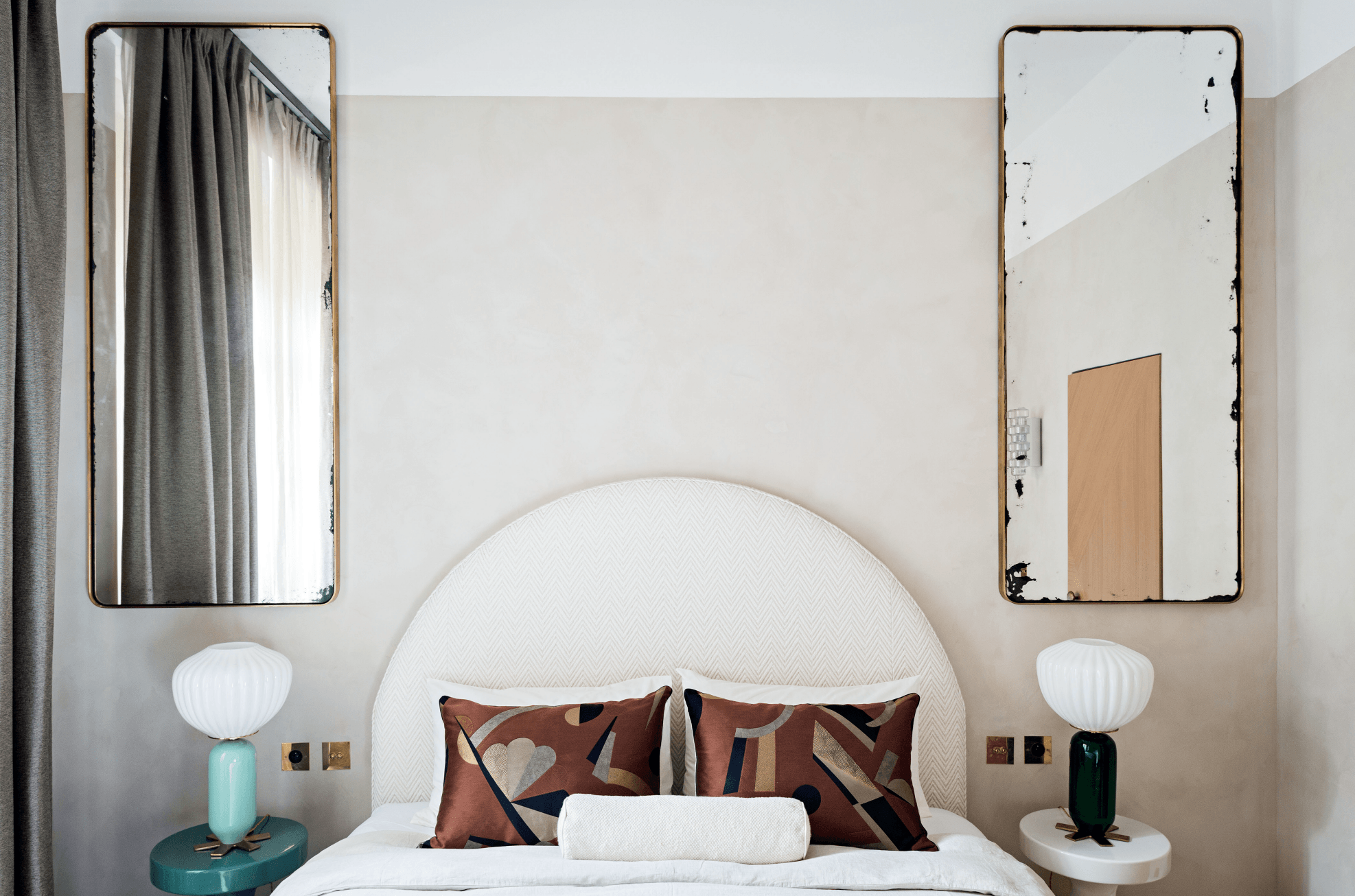
Paris has never been shy about telling the world how to live beautifully. At Maison & Objet, however, the message arrives with seven exhibition halls, thousands of products, and enough statement lighting to make an ordinary ceiling feel deeply inadequate.
This influential Paris design fair brings together furniture makers, interior designers, artisans, retailers, hospitality professionals, and decorative brands from around the world. Yet beneath its international scale, Maison & Objet remains unmistakably French. Heritage is respected but rarely left untouched. Practical objects become poetic, craftsmanship receives star treatment, and even a butter dish may appear to have graduated from art school.
Our Maison & Objet report explores the ideas with real staying power: expressive color, sculptural furniture, renewed craftsmanship, tactile materials, responsible production, and rooms designed for personality rather than perfection.
What Is Maison & Objet?
Maison & Objet is a semiannual trade fair held at the Paris Nord Villepinte exhibition center. Depending on the edition, the event can fill seven halls and present more than 2,000 home, furniture, decoration, fragrance, textile, tableware, and lifestyle brands.
The fair is organized as both a marketplace and a forecasting platform. Buyers search for products, designers meet manufacturers, and editors attempt to identify the next major interior design trend before everyone’s feet surrender. Curated installations, designer showcases, talks, hospitality concepts, and emerging-talent programs provide context beyond the commercial stands.
The experience also extends into Paris through Maison & Objet In the City, Paris Design Week, showroom openings, gallery exhibitions, and Paris Déco Off. This relationship between the fairground and the city is important. Villepinte reveals the scale of the industry; central Paris demonstrates how design behaves in intimate, architectural surroundings.
The French Design Attitude: Heritage Without the Dust
The strongest message was not a single color or chair shape. It was a method: look backward intelligently, then make something relevant for today. French design has long been comfortable mixing eras, and Maison & Objet showed why that approach continues to work.
Traditional references appeared through fluted surfaces, decorative borders, woven cane, turned wood, classical proportions, and elaborate textiles. Instead of producing historical replicas, designers edited these elements into cleaner contemporary forms. A cabinet might borrow the drama of Art Deco while using a restrained finish. A bistro chair could retain its familiar woven construction but arrive in a thoroughly modern palette.
Recomposed Ornament
After years of extremely quiet minimalism, ornament is returning with better manners. Curves, arches, fringes, gilded details, painterly patterns, and sculptural plaster are being used selectively. The result has sometimes been called recomposed Baroque: emotionally rich design stripped of unnecessary clutter.
This is not permission to cover every available surface in tassels. The more useful lesson is that one expressive piece can give a room identity. A dramatic mirror, carved console, embroidered textile, or oversized pendant can provide the visual punctuation that neutral interiors often lack.
The Major Maison & Objet Trends
1. Craftsmanship Becomes the Main Attraction
Handmade character was central to the most memorable collections. Ceramics displayed visible throwing marks. Glass contained bubbles and variations. Wood was carved, scorched, bent, or left richly grained. Textiles featured embroidery, fringe, irregular weaving, and dimensional surfaces.
This celebration of craft reflects a larger change in consumer taste. People increasingly want to understand how an object was made, where its materials originated, and who made it. Small imperfections are no longer treated as defects; they are evidence that a human being participated in the process.
For homeowners, this trend supports buying fewer but more meaningful objects. A hand-finished bowl or locally made lamp can contribute more personality than a shelf full of anonymous accessories.
2. Curved Furniture Keeps Its Seat
Curved sofas, rounded lounge chairs, cylindrical tables, and bulbous lighting remained prominent. These silhouettes soften architectural lines and encourage more relaxed arrangements. A curved sofa can create a natural conversation zone, while a rounded chair improves circulation in a compact room by eliminating sharp corners.
The newest interpretations feel more disciplined than the marshmallow-like furniture of earlier seasons. Designers are combining generous curves with tailored upholstery, slim legs, structured backs, and carefully controlled proportions. Comfort is still invited to the party, but it has finally found a jacket.
3. Brown Is Backand It Brought Friends
Chocolate, tobacco, caramel, rust, burgundy, and dusky red have moved to the center of contemporary color palettes. These shades appeared in velvet seating, stained woods, woven fabrics, ceramics, wall treatments, and decorative glass.
Brown works because it can behave as both a neutral and a statement color. It feels grounded beside cream, sophisticated with pale blue, and deliciously retro with orange or moss green. Burgundy offers a similar richness while feeling more dramatic than predictable gray.
Bright color has not disappeared. Sherbet orange, mint, electric blue, yellow, and saturated pink continue to animate textiles and accessories. The difference is that vivid shades are often surrounded by earthy materials, preventing a room from resembling a bag of candy that has achieved consciousness.
4. Texture Matters More Than Perfect Coordination
Bouclé, mohair, raw linen, thick wool, ribbed glass, hammered metal, plaster, stone, and high-gloss lacquer frequently occupied the same visual conversation. These contrasts make neutral rooms feel layered without requiring a dozen colors.
Texture also responds to our screen-heavy lives. A photograph can show the outline of a chair, but it cannot reproduce the cool weight of stone, the softness of brushed wool, or the irregular edge of handmade ceramic. Tactile design gives people a reason to experience objects in person.
5. Lighting Is Functional Sculpture
Maison & Objet confirmed that lighting should no longer be selected as an afterthought. Floral chandeliers, alabaster lamps, cast-glass pendants, pleated shades, portable lights, and geometric fixtures functioned as sculptural objects even when switched off.
The most successful designs balanced theater with usable illumination. Diffused materials created warm ambient light, while adjustable or modular systems addressed the changing needs of living, dining, and working spaces.
A practical way to apply the idea is to use several smaller light sources instead of one harsh overhead fixture. Combine a pendant, table lamp, wall light, and discreet task lamp. Your room will look more inviting, and nobody will feel as though dinner is taking place in an interrogation room.
6. The Table Is Social Again
Elaborate place settings, colorful glassware, patterned plates, sculptural serving pieces, embroidered linens, and playful utensils reflected a renewed enthusiasm for entertaining at home. Tableware was designed to be mixed rather than purchased as one rigidly matching set.
This relaxed abundance feels particularly French: a formal material may be paired with a casual shape, or heirloom porcelain may sit beside handmade stoneware. The goal is not perfection. It is to create a table that encourages guests to linger.
Sustainability Moves Beyond the Beige Corner
Responsible design once had an unfortunate tendency to announce itself through rough cardboard and the color of oatmeal. Maison & Objet demonstrated a more ambitious direction. Recycled plastic, discarded leather, shell waste, plant fibers, bioplastics, reclaimed wood, and other experimental materials are being developed into desirable products rather than worthy-looking compromises.
Young studios have been especially willing to rethink waste. Recent design exhibitions connected with Maison & Objet have highlighted objects made with river plastic, agricultural fibers, seafood shells, and bio-based compounds. The most convincing examples combine material innovation with durability, repairability, and strong visual appeal.
Still, no material is sustainable simply because its label includes the word “natural.” Buyers should consider sourcing, manufacturing energy, transportation, longevity, maintenance, and end-of-life options. A well-made wooden table used for 30 years may be a wiser purchase than a fashionable “eco” product replaced after two.
Technology Learns to Whisper
Technology remains part of the fair’s creative conversation, but the best applications do not make a home resemble a gadget showroom. Designers are integrating charging, adaptable illumination, sound, automation, and digital fabrication into familiar objects.
Artificial intelligence and advanced manufacturing are also influencing how products are conceived. Recent installations have paired digital tools with ceramics, 3D printing, and traditional craft. The interesting question is not whether a computer helped create the object. It is whether the result offers better function, less waste, new beauty, or a genuinely fresh experience.
The future presented in Paris is therefore surprisingly tactile. Technology handles complexity behind the scenes while natural materials, intuitive controls, and human-scale forms remain visible.
From Residential Rooms to Hospitality Experiences
The boundaries among homes, hotels, restaurants, stores, and workplaces are becoming increasingly porous. Residential interiors borrow durable materials and dramatic lighting from hospitality design, while hotels seek the warmth, individuality, and comfort of private homes.
Maison & Objet’s hospitality installations emphasize flexible furniture, atmospheric lighting, memorable color, and spaces capable of serving several purposes. A lobby may work as a café, meeting area, lounge, and temporary office. At home, a dining table may host breakfast, remote work, homework, and a dinner party before bedtime.
Hybrid use does not mean every piece of furniture must transform into three other objects like an overachieving robot. It means layouts should support real behavior. Portable lamps, lightweight side tables, upholstered benches, screens, and modular seating allow a room to change without requiring a renovation.
How to Bring the Maison & Objet Look Home
You do not need a Paris apartment, a trade credential, or a shipping container to use the best ideas from the fair. Start with observation rather than immediate purchasing.
Choose One Hero Object
Select a sculptural chair, expressive lamp, handmade rug, or striking piece of ceramic. Give it enough visual space to matter instead of surrounding it with competing statements.
Build a Material Conversation
Combine contrasting surfaces: smooth glass with rough wood, polished metal with woven fiber, or velvet with matte plaster. Repeating one color across different textures will keep the combination coherent.
Use Color in Concentrated Doses
Try chocolate-brown upholstery, a burgundy wall, striped cushions, or sherbet-colored glassware. Test strong colors through portable pieces before committing to an entire room.
Mix Eras Carefully
A contemporary sofa can sit beside an antique table, and a traditional room can support a futuristic lamp. Connect contrasting pieces through color, scale, material, or line so the arrangement feels collected rather than accidental.
Buy for Longevity
Ask whether a piece can be repaired, reupholstered, refinished, or passed along. Enduring design is rarely the loudest object in the hall. It is the one that remains useful after the trend forecasts have moved on.
What Maison & Objet Reveals About the Future of Interiors
The age of the perfectly coordinated showroom is fading. The next generation of interiors is warmer, more tactile, more personal, and more willing to combine apparent opposites. Heritage meets digital fabrication. Minimal architecture supports decorative furniture. Serious craftsmanship produces objects with a sense of humor.
Most importantly, the fair suggests that people want their homes to feel emotionally specific. They want evidence of travel, relationships, curiosity, and time. That desire is good news for artisans, independent studios, vintage dealers, and anyone who has ever preferred an odd little vase to an impeccably styled but forgettable room.
Conclusion: Design With an Accent
Our Maison & Objet report can be distilled into one wonderfully French principle: elegance should never eliminate pleasure. The strongest designs combine usefulness with imagination, and the most compelling rooms allow polished pieces to coexist with handmade irregularity.
Curved furniture, rich brown tones, sculptural lighting, experimental materials, and elaborate tablescapes will influence future collections. Yet the deeper lesson is more durable than any trend. A beautiful interior is not assembled by following every forecast. It develops through careful choices, sensory materials, personal objects, and enough confidence to leave one or two rules politely ignored.
Our Maison & Objet Experience: Field Notes From the Design Trail
The First Impression Is Scale
The Maison & Objet experience begins with the realization that seeing everything is impossible. Maps are unfolded, lists are consulted, and sensible plans dissolve almost immediately when an unexpected chandelier appears across the aisle. The fair rewards preparation, but it also rewards wandering.
Large brands construct complete fantasy interiors, while emerging makers may present one beautifully resolved object on a modest stand. Both can stop traffic. The grand installations establish mood, but the smaller discoveries often remain in the memory: a lamp with an ingenious joint, a ceramic surface that changes in the light, or a chair whose comfort is completely unexpected.
The Objects Improve When You Slow Down
After several aisles, visual overload becomes real. Every booth wants attention, every surface has a finish, and even the wastebaskets are suspiciously elegant. The cure is to stop collecting images and spend time with fewer pieces.
Touch reveals what photography misses. A woven screen may contain an industrial material that looks like natural fiber. A table that appears to be solid stone may use a lighter composite. Handmade glass reveals subtle variations, while carved timber shows marks that would disappear in mass production. Conversations with makers turn decorative products into stories about tools, mistakes, sourcing, and experimentation.
Paris Provides the Necessary Second Chapter
The journey from Villepinte into central Paris changes the rhythm. Inside the exhibition center, products compete for attention beneath trade-show lighting. In city showrooms and galleries, those same categories of furniture, fabric, and lighting interact with old floors, tall windows, plaster moldings, and the ordinary movement of urban life.
This contrast explains the French talent for mixing periods. A contemporary acrylic chair can look surprisingly natural beside an old stone fireplace. Radical lighting may become warmer against paneled walls. The city demonstrates that successful design does not require a blank backdrop; it can enter a conversation already centuries old.
The Best Discoveries Are Not Always Trends
A fair report naturally searches for repetition. When brown velvet, scalloped edges, or striped textiles appear repeatedly, a trend is easy to name. Yet the most rewarding experience comes from finding objects that resist classification.
Perhaps it is a humorous piece of tableware, an unusually engineered folding screen, or a vessel made from material that would normally be discarded. Such products may never dominate retail stores, but they expand the vocabulary of design. They remind visitors that originality often begins as something too peculiar for a trend board.
The Final Takeaway Is Personal
At the end of a Maison & Objet deep dive, the camera roll may be full and the list of favorite products suspiciously long. What remains useful, however, is a clearer understanding of personal taste. Certain colors keep attracting attention. Particular materials invite touch. Some rooms feel exciting for ten seconds, while others create the urge to sit down and stay.
That is the most valuable Maison & Objet experience: not receiving a rigid shopping list, but learning to recognize the difference between novelty and genuine connection. Trends provide clues. Craft gives objects substance. Paris supplies the atmosphere. The final edit belongs to the individualand, ideally, includes comfortable shoes.
SEO Metadata
Note: This report synthesizes recurring themes, products, and professional observations from recent Maison & Objet editions. Exhibitors, installations, and trend directions vary by season.














