
Note: This article explores the design ideas behind a nostalgic Copenhagen bathrotion for homeowners, designers, and anyone who believes a bathtub should be more than a large porcelain potato.
Bathrooms are having a quiet identity crisis. For years, they were treated like utility closets with better plumbing: tile, toilet, vanity, goodbye. Now they are expected to be wellness retreats, private spas, reading nooks without the books, and occasionally the only room in the house where someone can hide from group-chat notifications.
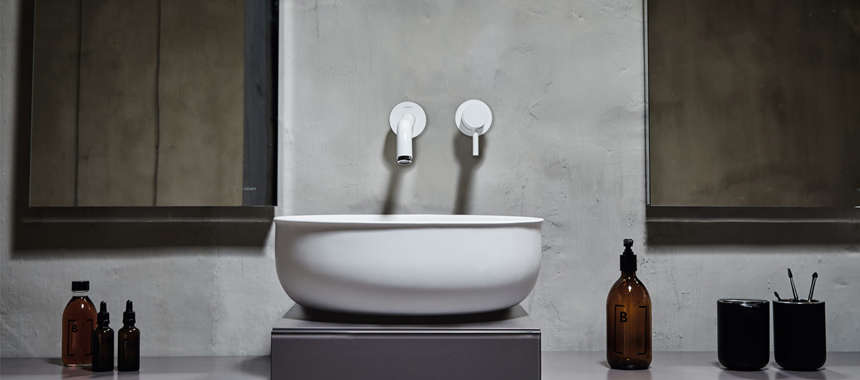
That is why the Prime Collection by Copenhagen-based Norm Architects feels so compelling. Created for the Spanish bathroom brand Inbani, the collection looks backward without getting trapped in a costume drama. Its freestanding tubs and basins borrow the familiar rolled edges of antique metal baths, but the shapes are softened, simplified, and translated into contemporary materials. The result is nostalgic without being fussy, sculptural without becoming impossible to live with, and Scandinavian without shouting “I own twelve beige candles” from the rooftop.
This is not nostalgia as decoration. It is nostalgia as memory: the comfort of a shape you recognize, reintroduced with cleaner proportions and a more modern sense of calm. In an era of visual noise, that can feel like a luxury all by itself.
The Design Story Behind the Prime Collection
Norm Architects has built a reputation around restraint. The Copenhagen studio often takes recognizable everyday forms and removes everything unnecessary until only the essential character remains. With the Prime Collection, the designers looked to antique metal bathtubs and washbasins, particularly the rolled rim that once made old-fashioned tubs feel sturdy, generous, and welcoming.
Instead of copying a claw-foot tub line for line, the studio used that historic detail as a starting point. The rounded sides are more fluid than literal. Norm Architects describes the collection’s forms as inspired by the way water pressure shapes an elastic surface, much like a water-filled balloon. That idea gives the pieces their gentle volume: neither aggressively geometric nor overly romantic.
The magic is in that balance. The collection has a memory of the past, but it does not arrive wearing lace curtains and carrying a brass chamber pot. Its nostalgia is filtered through contemporary Scandinavian design: quiet, practical, tactile, and carefully edited.
Rolled Edges With a Modern Purpose
The rolled rim is the collection’s signature move. In traditional metal tubs, that curve had a practical role, giving the form structure and making the edge more comfortable to touch. In the Prime Collection, the same gesture becomes emotional as well as functional. It makes the tub feel familiar before you have even filled it.
That detail matters because bathrooms are full of hard surfaces. Tile, glass, stone, mirrors, chrome, and porcelain can easily create a room that feels pristine but cold. A softened rim breaks up the visual severity. It introduces a human note, like a rounded shoulder in a room full of sharp elbows.
Minimalism That Does Not Feel Empty
Minimalist bathrooms sometimes make people nervous because they fear living inside a luxury dental clinic. The Prime Collection avoids that problem by using curves instead of ornament. The pieces are simple, but they are not sterile. Their soft silhouettes create visual warmth even when the palette is pale, monochrome, or restrained.
That approach aligns with the larger appeal of modern bathroom design: clean lines, durable materials, uncluttered surfaces, and a sense of calm. Contemporary bathrooms often rely on natural materials, neutral tones, functional layouts, and carefully placed lighting to make streamlined spaces feel restorative rather than impersonal.
Why Nostalgic Bathroom Design Feels So Relevant Now
There is a reason vintage-inspired bathrooms keep returning. People do not necessarily want a museum-quality 1920s washroom, complete with drafty windows and plumbing that sounds like a ghost playing the trombone. What they want is permanence. They want rooms that look considered, not merely current.
Nostalgic design can offer that sense of permanence because it draws from forms that have already survived decades of changing taste. Rounded mirrors, console sinks, terrazzo, warm wood, brushed metal, classic tile patterns, and freestanding tubs all carry some historical familiarity. When used selectively, they make a bathroom feel collected rather than assembled from a scrolling shopping cart.
Recent interior design coverage has pointed to a broader return of retro details, including soft color palettes, terrazzo, rounded mirrors, vintage-inspired lighting, and furniture-like bathroom storage. The key is not to recreate one exact decade. The best results mix a historical reference with modern performance and a disciplined overall palette.
The Prime Collection demonstrates this beautifully. Its reference point is old metal bathing furniture, yet its execution belongs in a contemporary home. It does not ask you to choose between vintage charm and modern serenity. It politely suggests you can have both, then sits there looking better than most of us do before coffee.
The Copenhagen Formula: Softness, Function, and Quiet Confidence
Copenhagen design is often associated with simplicity, but simplicity is only one part of the story. The stronger principle is considered living. A well-designed Scandinavian bathroom should make daily rituals easier, calmer, and more pleasant. That means every detail must earn its place.
In a bathroom inspired by the Prime Collection, the tub is not just a decorative centerpiece. It becomes an anchor for the room’s visual rhythm. The sink, lighting, storage, flooring, and fixtures should all support that central shape without competing for attention.
Choose Materials That Age Gracefully
A nostalgic bathroom works best when materials have some depth. Matte surfaces, honed stone, warm oak, brushed nickel, aged brass, linen curtains, handmade tile, and plaster-like walls all create softness without requiring constant visual drama.
For example, pair a white sculptural tub with lightly veined stone flooring, a natural oak vanity, and wall-mounted fixtures in brushed metal. The tub remains the focal point, while the surrounding materials make the room feel warm and lived-in. Avoid trying to make every surface “special.” A bathroom with five statement materials is not layered; it is simply yelling.
Use Color Like a Whisper, Not a Megaphone
Soft white, mushroom, muted clay, pale gray-green, warm beige, dusty blue, and faded charcoal all work well with nostalgic Scandinavian bathroom design. These tones allow curves and textures to do the talking.
That does not mean color must disappear. A muted sage wall, oxblood hand towel, terracotta vase, or deep green vanity can add personality. The trick is to keep the architectural elements calm and let one or two accents create the emotional temperature of the room.
Let Lighting Do Some of the Decorating
Lighting can make even an ordinary bathroom feel intentional. A softly glowing pendant, a pair of globe sconces, or a warm indirect light near the tub can reinforce the collection’s nostalgic character. The goal is not to make the bathroom resemble a moody cocktail bar, although a good bath does deserve better lighting than an airport restroom.
Use layered lighting whenever possible: task lighting for grooming, ambient lighting for the room, and low-level illumination for late-night use. Warm lighting also makes natural materials and curved forms feel more inviting.
How to Build a Bathroom Around a Freestanding Tub
A freestanding tub is one of the most dramatic bathroom choices a homeowner can make. It can also be one of the most misunderstood. A beautiful tub is not automatically a practical tub, especially when it has been squeezed into a room with the circulation pattern of a crowded elevator.
Before choosing a sculptural tub, study the room from every angle. Consider where people enter, where towels will live, where the plumbing can go, and whether there is enough space to clean around the tub. Designers also recommend evaluating sight lines, faucet placement, material, floor structure, and the overall relationship between the tub and the rest of the room.
Give the Tub Breathing Room
The most successful freestanding tub layouts allow the piece to read as furniture. It should not look trapped between a wall and a toilet as though it has lost a game of bathroom Tetris.
In a larger primary bathroom, place the tub near a window, beneath a simple pendant, or against a softly textured feature wall. In a smaller room, consider a compact oval tub or a wall-adjacent freestanding model that preserves the sculptural effect without swallowing the floor plan. Smart storage and visual openness matter especially in smaller bathrooms.
Make Storage Feel Architectural
Nostalgic modern bathrooms do not need clutter, but they do need places to put shampoo, towels, soap, and the mysterious half-used products that multiply overnight. Use recessed niches, narrow wall cabinets, open oak shelving, built-in ledges, or a simple stool near the bath.
A small wooden stool can be both useful and atmospheric. It provides a place for a towel, a book, a candle, or a glass of water while bringing a slightly handmade note to the room. It also prevents the classic bath-time mistake of balancing everything on the edge of the tub until gravity finally introduces itself.
Practical Luxury: The Details That Matter After the Photos
A bathroom should look beautiful in photographs, but it should also perform beautifully on a rushed Tuesday morning. That means the most luxurious decisions are often invisible: ventilation, waterproofing, floor preparation, plumbing access, slip resistance, and thoughtful lighting.
Ventilation Is Not Optional
Warm, steamy bathrooms are wonderful for people and less wonderful for paint, grout, cabinetry, and indoor air quality. The U.S. Environmental Protection Agency notes that bathroom ventilation is especially important for removing moisture and helping prevent mold and mildew growth. Make sure an exhaust fan is properly sized, actually vents outdoors, and is used consistently.
Think About Water Use Early
A nostalgic bath does not require old-fashioned water habits. Pair a statement tub with efficient faucets, toilets, and shower fixtures. The EPA’s WaterSense program helps consumers identify products designed to use less water while maintaining performance. A well-designed bathroom can support long soaks when desired while still reducing everyday waste at the sink and shower.
Design for Safety Without Making the Room Feel Clinical
Softness should also extend to safety. Consider non-slip flooring, stable bath mats, easy-to-reach storage, good nighttime lighting, and discreetly integrated grab bars where needed. The CDC recommends features such as grab bars near and inside tubs or showers, non-slip surfaces, and better lighting to reduce fall risks.
For aging-in-place planning or accessible projects, consult local building requirements and qualified professionals. ADA standards establish technical requirements for many public and commercial settings, including clear floor space and accessible bathing areas. Even in private homes where those standards may not directly apply, their principles can inspire smarter, more flexible layouts.
Three Ways to Interpret the Look at Home
1. Soft Nordic Retreat
Start with a white or cream freestanding tub, pale oak cabinetry, limestone-look porcelain tile, brushed nickel fixtures, and off-white walls. Add folded linen towels, a single leafy branch, and a matte ceramic vessel. This version feels calm, bright, and quietly expensive without needing to announce itself.
2. Vintage Hotel Mood
Use deeper tones: warm gray walls, aged brass fixtures, smoked glass sconces, dark wood cabinetry, and a white tub with a rounded profile. Add small-format tile or terrazzo underfoot. The result should feel like a boutique hotel where someone has already turned down the lights and hidden the housekeeping cart.
3. Modern Cottage Bath
Combine the collection’s soft forms with handcrafted materials. Think beadboard or limewash walls, a simple oak stool, unlacquered brass, natural stone flooring, and a linen shower curtain. This interpretation feels less urban and more lived-in, proving that Scandinavian simplicity can be cozy rather than severe.
Why This Collection Still Matters
The enduring appeal of a nostalgic bath collection from a Copenhagen design firm is not about chasing a trend. It is about understanding why certain forms remain comforting. The Prime Collection works because it recognizes that people want bathrooms to feel useful, beautiful, and emotionally restorative.
Its rounded edges recall older tubs without copying them. Its minimalist silhouette feels current without becoming cold. Its sculptural presence elevates the room without demanding theatrical surroundings. That is the real lesson: timeless design is rarely about making something look old. It is about creating something people will still want to live with after the novelty wears off.
In the end, the best bathroom is not the one that gets the most likes. It is the one that makes the ordinary moments feel a little better: brushing your teeth at dawn, taking five quiet minutes after work, running a bath on a rainy night, and remembering that your home can hold more than your schedule.
Extended Experience: Living With a Nostalgic Bath Every Day
Imagine walking into the bathroom early on a winter morning, before the house has fully decided whether it is awake. The room is quiet except for the small mechanical hum of the fan and the first rush of water entering the tub. Light from the window lands gently on the floor, catching the curve of the rolled rim and making it look almost hand-shaped.
That is one of the pleasures of a nostalgic bath collection: it changes the mood of a routine. The tub does not need to be filled every day to matter. Even empty, it gives the room a sense of pause. It becomes a visual reminder that some parts of life should not be optimized into oblivion.
During the week, the tub might serve as a practical object. A parent may use it for a child’s evening bath, with towels stacked nearby and a rubber duck performing its usual high-pressure executive duties. On another night, it may become a recovery zone after a long day of meetings, errands, screens, traffic, and the strange emotional exhaustion caused by answering “just circling back” emails.
The nostalgic quality is not really about pretending to live in another era. It is about borrowing a slower rhythm from the past. Antique baths were not designed around notification alerts, delivery windows, or thirty-seven browser tabs. Their shapes suggest a more deliberate ritual: water, warmth, time, and a door that closes.
A softly curved basin can create a similar feeling at the sink. Morning routines become slightly less abrupt when the object in front of you has warmth and proportion. A rolled edge catches the hand differently than a sharp rectangle. A matte surface makes ordinary soap bottles look less like they are attending a corporate conference. A warm metal faucet develops character instead of merely collecting fingerprints.
Over time, the room becomes more personal. A favorite candle lives on the oak stool. A folded linen towel becomes part of the color palette. A small ceramic dish gathers rings, hair ties, and the occasional object that has wandered in from another room for reasons no one can explain. These are not showroom moments. They are domestic moments, and they are the ones that make design feel real.
The best part is that the room does not have to be large or extravagant to offer this experience. A compact bathroom with thoughtful materials, warm light, proper storage, and one memorable curved fixture can feel more luxurious than a giant space filled with expensive but indifferent objects. Nostalgia works when it gives a room soul, not when it turns the room into a themed restaurant.
That is the lasting charm of a Copenhagen-inspired nostalgic bath: it makes room for beauty without making beauty the only job. It is designed for the everyday mess, the quiet reset, the rushed morning, and the rare long soak when you finally decide the laundry can wait.
Conclusion
A nostalgic bath collection from a Copenhagen design firm shows how history and modernity can share the same room. Inspired by antique metal tubs but refined through contemporary materials and Scandinavian restraint, the Prime Collection offers a useful design lesson: choose forms that feel familiar, materials that age gracefully, and layouts that support real life.
Whether you are planning a complete renovation or simply updating a tired bathroom, focus on softness, proportion, comfort, and function. A rounded tub, tactile materials, warm lighting, efficient fixtures, and thoughtful storage can transform an ordinary room into a place that feels both timeless and deeply personal.














