
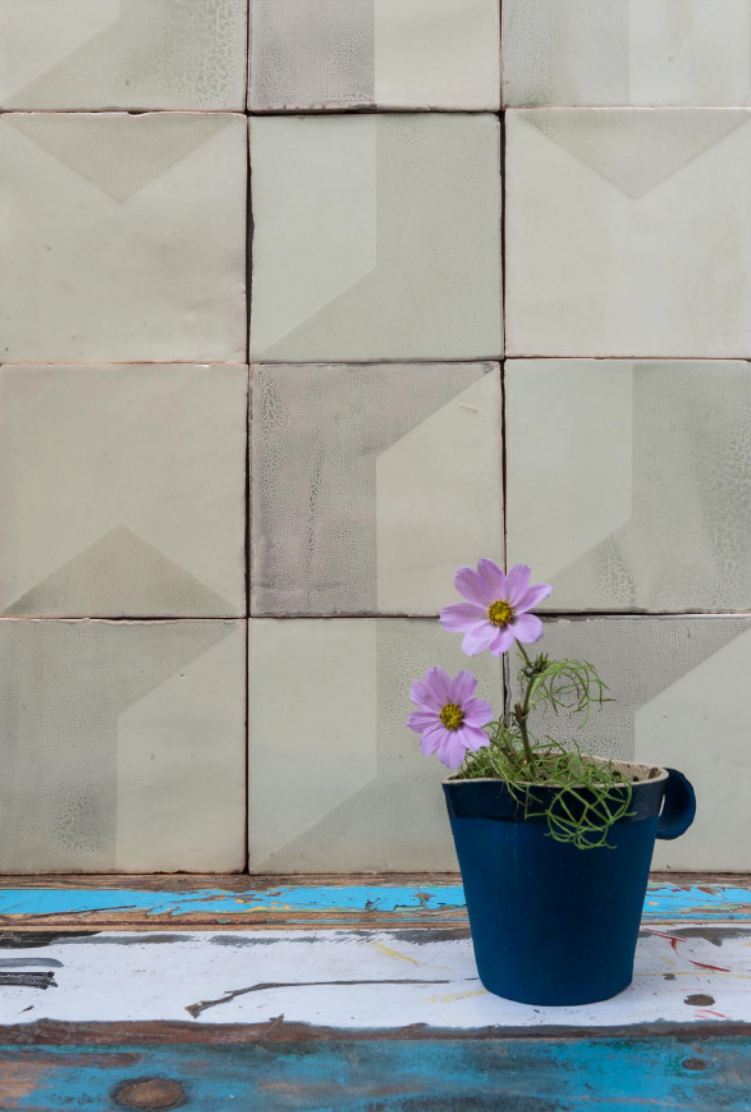
Some tiles politely sit on the wall and mind their own business. After Lowry ceramic tile does not. It brings movement, mood, geometry, and a little architectural mischief into a room. Inspired by the industrial landscapes associated with L.S. Lowry, this tile style turns factories, rooftops, streets, and northern city silhouettes into layered ceramic pattern. In other words, it is not your average “safe beige rectangle” quietly waiting for grout.
After Lowry ceramic tile is best understood as a design-forward, art-inspired tile choice. It is geometric without feeling cold, patterned without becoming chaotic, and handmade-looking without pretending every tile came out of a laboratory wearing a lab coat. The design usually features overlapping triangles and rectangles, subtle color shifts, screen-printed glaze texture, and a sense of visual rhythm that works beautifully in kitchens, bathrooms, powder rooms, fireplace surrounds, and feature walls.
This guide explains what makes After Lowry ceramic tile special, where it works best, how to design with it, what to know before installation, and how to keep it looking fresh after the dust, grout haze, and “why did we start remodeling on a Tuesday?” moments are over.
What Is After Lowry Ceramic Tile?
After Lowry ceramic tile refers to a patterned ceramic tile design inspired by the paintings of British artist L.S. Lowry, especially his industrial city scenes, mill buildings, rooftops, and street compositions. Instead of copying a painting directly, the design translates that visual language into abstract geometry. Think stacked buildings, angled roofs, factory-like blocks, soft industrial colors, and shapes that seem to reorganize themselves depending on how the tiles are arranged.
The result is a ceramic surface with personality. The tiles often use screen-printed glaze, which creates gentle irregularity in color and texture. That variation is part of the charm. If you want every tile to look exactly like its neighbor, After Lowry may politely suggest you go make friends with plain subway tile. If you enjoy movement, handmade character, and a pattern that rewards a second look, this design has plenty to offer.
Why the Lowry Inspiration Matters
L.S. Lowry is widely associated with industrial landscapes, working-class streets, mills, factories, and city scenes. His paintings often balance simplicity and complexity: small figures, architectural shapes, pale skies, and dense urban energy. After Lowry ceramic tile borrows that spirit in a subtle way. It does not turn your wall into a museum poster. Instead, it gives you the feeling of constructed space, layered buildings, and quiet movement.
That makes the tile unusually flexible. It can lean modern, vintage, artsy, industrial, or even playful depending on the color palette and surrounding materials. Pair it with black metal fixtures and concrete counters, and it feels urban. Pair it with warm wood, cream walls, and brass hardware, and it becomes softer and more residential. Pair it with too many other loud patterns and, well, your room may start looking like it is trying to win an argument.
Key Design Features of After Lowry Ceramic Tile
1. Geometric Pattern With Human Warmth
Many geometric tiles are crisp, symmetrical, and very serious about themselves. After Lowry ceramic tile is different because its geometry feels hand-touched. The triangles and rectangles create structure, but the glaze variation keeps the surface from becoming stiff. This balance is why the tile works well in both contemporary and character-rich interiors.
2. Screen-Printed Glaze Texture
Screen-printed ceramic tile can produce a layered surface that looks more alive than flat digital patterning. With After Lowry, the glaze may show slight unevenness, tonal shifts, or soft edges. These details catch light and make the wall feel less like a printed sheet and more like a crafted surface.
3. Customizable Color Possibilities
One of the most appealing aspects of After Lowry tile is its ability to work in different color combinations. Traditional versions often reference muted industrial tones such as gray, off-white, brown, cream, and earthy neutrals. More colorful interpretations can add red, orange, green, blue, or other expressive shades. The design can whisper or sing opera, depending on your tolerance for drama before coffee.
4. Handmade Variation
Many artisanal ceramic tiles include variation in size, shape, color, flatness, and surface texture. That does not mean the product is flawed. It means the tile has character. With handmade or handmade-style ceramic tile, the goal is not sterile perfection. The goal is visual depth, texture, and individuality. A skilled installer will understand this and plan the layout accordingly.
Where After Lowry Ceramic Tile Works Best
Kitchen Backsplashes
A kitchen backsplash is one of the best places to use After Lowry ceramic tile. The pattern creates a focal point without needing a giant remodel budget or a dramatic speech from an interior designer. Behind a range, around open shelves, or across a full backsplash, it adds energy to the kitchen while still being practical.
For a balanced look, pair the tile with simple cabinets and countertops. Flat-front cabinets, shaker doors, butcher block, white quartz, soapstone, or honed surfaces can all work well. The key is letting the tile be the star. If the countertop is also shouting, the backsplash may begin shouting back.
Bathroom Feature Walls
After Lowry ceramic tile can make a bathroom feel custom rather than builder-basic. It works nicely behind a vanity, inside a niche, around a mirror wall, or as a shower accent if the product and glaze are suitable for wet areas. Because ceramic tile is often easy to clean and water-resistant when properly installed, it is a practical choice for bathroom surfaces.
In small bathrooms, use the tile strategically. A full room of bold pattern can feel exciting, but it can also make a tiny powder room feel like it drank three espressos. A single feature wall often gives the best result.
Fireplace Surrounds
A fireplace surround is another strong location for After Lowry ceramic tile. The architectural pattern feels appropriate around a hearth because it already has a built-environment quality. With the right color palette, the tile can make a fireplace look historic, modern, or gallery-like.
Before installing any ceramic tile around heat, always confirm that the tile, adhesive, grout, and installation method are suitable for the fireplace application. Beauty is important, but “it fell off because we guessed” is not a design style.
Entryways and Accent Areas
Depending on the tile rating and manufacturer recommendations, After Lowry tile may also work in entry areas, mudrooms, or decorative wall panels. For floors, verify slip resistance, durability, thickness, and suitability for foot traffic. Some decorative ceramic tiles are intended mainly for walls, and ignoring that detail can turn a lovely design choice into an expensive lesson with grout.
How to Choose the Right Color Palette
Color is where After Lowry ceramic tile becomes especially interesting. A muted palette of gray, cream, taupe, and off-white can create a calm architectural background. This works beautifully in minimalist kitchens, Scandinavian-inspired interiors, and rooms where texture matters more than bright color.
A warmer palette with rust, ochre, brown, terracotta, or deep orange can make the design feel more vintage and handcrafted. This is a strong choice for homes with wood cabinetry, aged brass, leather, plants, and natural textiles.
A bold palette with red, blue, green, or high contrast can push the tile into statement territory. This approach is great for powder rooms, creative studios, café-style kitchens, boutique commercial spaces, and homeowners who have never once described their taste as “whatever is easiest to resell.”
Design Tips for Using After Lowry Ceramic Tile
Keep Neighboring Materials Simple
Because After Lowry ceramic tile already has pattern and movement, it pairs best with quieter materials. Plain painted walls, simple cabinetry, solid countertops, and understated flooring allow the tile to shine. This does not mean the rest of the room must be boring. It means the room needs a visual leader, not a committee meeting.
Use Grout Color Strategically
Grout can change the entire look of patterned ceramic tile. A matching grout color softens the grid and lets the pattern flow. A contrasting grout color emphasizes each tile and creates a more graphic effect. For handmade or irregular tiles, a slightly softer grout contrast is often more forgiving.
In kitchens and bathrooms, stain resistance also matters. Cement-based grout may need sealing, while epoxy or other specialty grouts may offer stronger stain resistance but can be more challenging to install. Always follow the grout manufacturer’s recommendations.
Order Samples Before Committing
Tile color can shift depending on lighting, wall color, countertop material, and even the time of day. A tile that looks quietly elegant online may look surprisingly bold under warm LEDs. Samples help you see the glaze, texture, variation, and color in your own space. They also prevent the classic remodeling tragedy known as “it looked different on my phone.”
Dry-Lay the Pattern First
Before installation, lay out several tiles on the floor or a work surface to test the pattern. Rotate pieces, mix tones, and check how the geometry connects. With After Lowry ceramic tile, the arrangement can influence the final look dramatically. A good dry layout helps avoid awkward clusters, repeated colors, or shapes that accidentally create one giant arrow pointing at your toaster.
Installation Considerations
Tile installation is not just about sticking pretty squares to a wall and hoping gravity is in a good mood. Proper installation depends on substrate preparation, layout planning, adhesive selection, grout choice, expansion joints, cleaning, and curing. Ceramic tile industry standards emphasize that the backing material, surface stability, and installation products all influence long-term performance.
For handmade or decorative ceramic tile, professional installation is often worth the investment. Slight variation in tile size or thickness can require extra care. The installer may need to adjust spacing, blend tiles from multiple boxes, and use leveling judgment rather than forcing every piece into mechanical perfection.
Before installation, confirm whether the tile is suitable for your intended use: interior wall, shower wall, floor, fireplace, commercial space, or outdoor area. Also check whether glazed edges, trims, bullnose pieces, or corner solutions are available. Details like exposed edges can make or break the finished look.
Cleaning and Maintenance After Installation
After installation, ceramic tile usually needs an initial cleanup to remove grout haze and construction dust. Use products recommended by the tile and grout manufacturers. Avoid harsh acids, abrasive powders, or aggressive scrubbers unless the manufacturer specifically allows them. A soft cloth, non-abrasive sponge, clean water, and a neutral cleaner are usually the safest starting team.
For routine care, sweep or wipe the surface regularly, then clean with a pH-neutral tile cleaner or mild detergent solution. Rinse well so cleaner residue does not build up. Residue can make tile look dull and attract more dirt, which is deeply rude after you just cleaned.
Grout deserves special attention. Cementitious grout is porous and can absorb stains if left unsealed. Sealing grout after curing can help resist moisture and discoloration. Even sealed grout still needs regular cleaning, because sealer is protection, not a magical force field.
Common Mistakes to Avoid
Choosing the Tile Before Planning the Room
It is easy to fall in love with After Lowry ceramic tile first and ask questions later. However, patterned tile should be chosen with the entire room in mind. Consider cabinets, hardware, lighting, counters, wall color, flooring, and overall mood before ordering.
Using Too Many Competing Patterns
Pattern mixing can be beautiful, but it requires discipline. If you use After Lowry tile on a backsplash, avoid pairing it with equally busy floor tile, dramatic wallpaper, and heavily veined stone all in the same small space. One bold surface is charming. Four bold surfaces may feel like a design argument with no referee.
Ignoring Tile Variation
Handmade and artisanal ceramic tiles often include variation. Do not expect every tile to be perfectly flat, identical, or machine-uniform. Instead, embrace the variation and hire an installer who understands how to work with it.
Skipping Maintenance
Ceramic tile is durable, but grout and glaze still benefit from proper care. Regular cleaning, good ventilation in wet rooms, prompt spill removal, and periodic grout inspection will keep the installation looking better for longer.
Is After Lowry Ceramic Tile Right for You?
After Lowry ceramic tile is a strong choice if you want a surface with artistic meaning, architectural rhythm, and handcrafted character. It suits homeowners, designers, and renovators who appreciate pattern but do not want something overly trendy. Because the design is rooted in geometry and art history rather than a passing fad, it has more staying power than many decorative tile trends.
It may not be ideal if you want a perfectly plain surface, a nearly invisible backsplash, or a tile that requires zero design thought. After Lowry has a point of view. It wants to participate in the room. The good news is that it participates well when given the right supporting cast.
Final Thoughts
After Lowry ceramic tile proves that practical surfaces do not have to be boring. It brings together ceramic durability, screen-printed texture, geometric pattern, and art-inspired storytelling. Used thoughtfully, it can turn a kitchen backsplash, bathroom wall, fireplace surround, or accent area into the most memorable part of a room.
The best results come from planning carefully: order samples, study the color palette, choose grout intentionally, confirm installation suitability, and hire a tile professional when needed. Treat the tile like both a building material and a design feature. That is where the magic happens. Or at least where the backsplash stops looking like everyone else’s backsplash, which is its own kind of magic.
Experience Notes: Living With After Lowry Ceramic Tile
The first thing people usually notice about After Lowry ceramic tile is that it changes as you move around it. Stand directly in front of it, and the pattern reads as clean geometry. Step to the side, and the glaze begins to catch light differently. Walk through the room in the morning, and it may feel soft and quiet. Turn on warm evening lighting, and suddenly the surface has more depth, almost like the wall has remembered it has a personality.
In a kitchen, the experience is especially rewarding. A plain backsplash does its job, but an After Lowry backsplash gives the room a focal point. It makes simple cabinets look more intentional and can turn basic open shelving into a designed moment. The tile also works well with everyday kitchen life. Splashes happen. Sauce happens. Someone will absolutely lean a wet spoon against the wall and pretend they did not. A glazed ceramic surface is generally easy to wipe clean, which makes the beauty feel livable rather than precious.
The most important lesson from working with this kind of tile is to respect variation. Do not open one box, install tiles in order, and hope for the best. Blend pieces from different boxes. Step back often. Look at the wall from normal viewing distance, not with your nose two inches away like a detective investigating a grout crime. The charm of After Lowry comes from rhythm, not robotic uniformity.
Another experience-based tip is to test grout colors before committing. A pale grout can make the design feel softer and more mural-like. A darker grout can make each tile stand out and give the wall a stronger graphic edge. Neither is automatically better. The right choice depends on the room. In a small bathroom, softer grout may help the space feel calmer. In a bar area, café corner, or creative studio, contrast can be fantastic.
Lighting also matters more than people expect. Under cool lighting, gray and cream tones may feel crisp and architectural. Under warm lighting, earthy shades can become richer and more nostalgic. Before installation, place samples vertically, not just flat on a table. Tile installed on a wall receives light differently than tile lying under a ceiling fixture. This small step can prevent big regret.
Finally, After Lowry ceramic tile rewards restraint. It looks best when the surrounding space gives it room to breathe. Let the tile carry the story, then support it with quiet materials: wood, plaster, simple stone, matte paint, or clean-lined fixtures. When treated this way, the tile does not feel like decoration pasted onto a room. It feels built in, considered, and personal. That is the real experience: not just owning a patterned ceramic tile, but living with a surface that keeps offering new little details long after installation day.
Note: Product availability, exact sizes, edge options, glaze choices, and installation suitability can vary by manufacturer or retailer. Always verify technical details before ordering or installing tile.














