
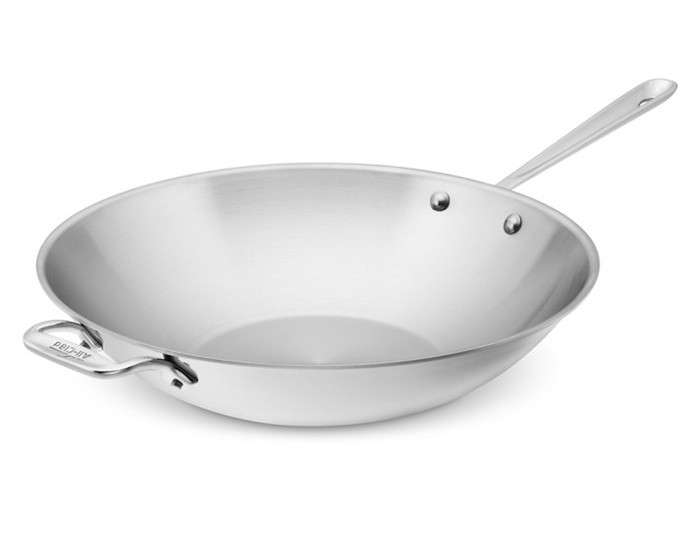
If your weeknight dinner routine has been stuck somewhere between “sad skillet vegetables” and “takeout again, but make it emotional,” the All-Clad Tri-Ply Stainless-Steel Stir Fry Pan may be the polished kitchen upgrade you have been eyeing. Officially part of All-Clad’s D3 stainless collection, this 14-inch stir fry pan, often described as a wok, blends the roomy shape of a wok with the sturdy, precision-focused construction of premium American stainless-steel cookware.
It is not the cheapest pan on the shelf. It is not the lightest pan in the drawer. And no, it will not magically chop your broccoli while you scroll through dinner ideas. But what it does offer is fast, even heating, a flat-bottom design that works on modern cooktops, and the kind of durability that makes a pan feel less like a purchase and more like a long-term kitchen relationship.
In this in-depth guide, we will look at what makes the All-Clad Tri-Ply Stainless-Steel Stir Fry Pan special, how it performs for stir-frying, searing, sautéing, steaming, and saucy meals, who should buy it, who might prefer carbon steel, and how to keep it looking shiny enough to make your other pans feel underdressed.
What Is the All-Clad Tri-Ply Stainless-Steel Stir Fry Pan?
The All-Clad Tri-Ply Stainless-Steel Stir Fry Pan is a 14-inch stainless-steel wok-style pan built with All-Clad’s D3 tri-ply bonded construction. That means the pan uses three bonded layers: stainless steel on the cooking surface, an aluminum core for heat conductivity, and stainless steel on the exterior for durability and compatibility with different stovetops.
The design features a flat bottom, deep sloping sides, a long riveted handle, and a helper handle. This shape gives you room to toss vegetables, sear thinly sliced meat, stir noodles, or build a saucy weeknight meal without launching snow peas across the kitchen like tiny green confetti.
Key Product Details
- Size: 14 inches
- Construction: D3 tri-ply bonded stainless steel with aluminum core
- Exterior: Polished stainless steel
- Cooktop compatibility: Gas, electric, ceramic, and induction
- Oven and broiler safety: Up to 600°F
- Approximate weight: About 4 pounds
- Care: Handwashing recommended/handwash only
- Made in: United States with global components
- Warranty: Limited lifetime warranty
Why Tri-Ply Stainless Steel Matters
Stainless steel is strong, nonreactive, and resistant to rust, but on its own it is not the fastest heat conductor. Aluminum, on the other hand, heats quickly and distributes heat well, but it is not ideal as an exposed cooking surface. Tri-ply cookware solves the problem by sandwiching aluminum between stainless-steel layers.
In everyday cooking, that construction matters because it helps reduce hot spots. A lower-quality pan may scorch garlic in one corner while leaving mushrooms pale and confused in another. With the All-Clad D3 stir fry pan, heat moves more evenly across the cooking surface and up the sides, which is useful when you are working quickly.
This does not mean the pan cooks exactly like a traditional thin carbon-steel wok. Carbon steel is famous for ripping-hot heat responsiveness and developing a seasoned surface over time. Stainless steel behaves differently. It rewards patience, preheating, and proper oil use. Once you learn its rhythm, however, it becomes extremely versatile.
Design: A Wok Shape for Modern Home Kitchens
Traditional round-bottom woks are wonderful on powerful gas burners, but many American home kitchens use electric, glass, ceramic, or induction cooktops. That is where the flat-bottom design becomes practical. The All-Clad Tri-Ply Stainless-Steel Stir Fry Pan sits securely on flat surfaces and gives the pan broad contact with the burner.
The 14-inch diameter is generous enough for family-size stir-fries, fried rice, vegetables, noodles, or saucy chicken dishes. The sloped sides make stirring and tossing easier than in a straight-sided sauté pan. The helper handle is also a major plus because a full 14-inch stainless-steel pan can get heavy once it is loaded with food.
The long stainless-steel handle has All-Clad’s classic riveted design. It is built for control, though some cooks find All-Clad handles narrow or firm in the hand. That is a personal preference issue. If you love a soft, rounded handle, you may want to handle the pan in-store before buying. If you prefer a secure, professional-style grip, you will likely appreciate it.
Cooking Performance: Where This Pan Shines
The All-Clad Tri-Ply Stainless-Steel Stir Fry Pan is built for much more than one narrow cooking style. It can stir-fry, sear, sauté, steam with the right setup, simmer sauces, reduce liquids, and move from stovetop to oven. In other words, it is not a one-trick pony. It is more like a very shiny kitchen multitasker wearing stainless-steel armor.
Stir-Frying Vegetables
For vegetables, the pan performs best when you preheat it properly and avoid overcrowding. Broccoli, bell peppers, onions, snap peas, mushrooms, zucchini, bok choy, and carrots all benefit from the wide cooking surface. Cut everything into similar sizes before you start. Stir-frying moves quickly, and this is not the time to discover that your carrots are logs and your onions are confetti.
Add oil after the pan is hot, then cook in batches if needed. Stainless steel can brown vegetables beautifully, especially if you let them sit briefly before tossing. That little bit of contact creates caramelization and flavor.
Searing Meat and Seafood
This pan is especially good for thin strips of beef, chicken, pork, shrimp, and scallops. Dry the protein first, preheat the pan, add oil, and let the food make proper contact before moving it. Stainless steel often tells you when food is ready to turn: it releases more easily once a crust has formed.
For dishes like beef and broccoli, garlic shrimp, chicken with cashews, or pork with green beans, the pan gives you enough room to sear first, remove the protein, cook the vegetables, and bring everything together with sauce at the end.
Fried Rice and Noodles
Fried rice is possible, but technique matters. Use cold, day-old rice if you can. Freshly cooked rice tends to clump and stick, especially in stainless steel. Work with a hot pan, enough oil, and small batches. The same advice applies to noodles: toss quickly, use sauce strategically, and do not let sugary sauces sit too long on high heat unless you enjoy scrubbing caramelized regret.
Saucy Stir-Fries
One of the biggest advantages of stainless steel is that it handles acidic ingredients well. Soy sauce, rice vinegar, citrus, tomato-based sauces, wine, and other acidic ingredients are not a problem. That makes this pan excellent for orange chicken-style sauces, lemon garlic shrimp, teriyaki vegetables, and vinegar-forward stir-fries.
All-Clad Stainless Steel vs. Carbon Steel Wok
Any honest review of a stainless-steel stir fry pan has to mention carbon steel. Many serious wok enthusiasts prefer carbon steel because it heats quickly, responds fast to burner changes, and develops a naturally slick seasoned surface over time. For traditional high-heat wok cooking, carbon steel is the classic choice.
So why buy stainless steel? Convenience and versatility. Stainless steel does not require seasoning. It is nonreactive with acidic foods. It can go into the oven. It looks elegant. It is excellent for browning, deglazing, and building sauces. It also works well for cooks who want one pan that can handle stir-fry-style meals as well as broader everyday cooking.
If your dream is smoky restaurant-style wok hei from a roaring burner, carbon steel may be your best friend. If you want a premium, low-maintenance, induction-compatible stir fry pan that can sear, sauté, simmer, and look beautiful on the stove, the All-Clad Tri-Ply Stainless-Steel Stir Fry Pan makes a strong case for itself.
How to Use the All-Clad Tri-Ply Stir Fry Pan Without Sticking
Stainless steel has a learning curve, but it is not a monster hiding under the stovetop. Most sticking problems come from adding food too early, using food straight from the refrigerator, overcrowding the pan, or cooking delicate ingredients without enough fat.
Step 1: Preheat the Pan
Place the pan over medium heat for a few minutes. A simple water test can help: flick a few drops of water into the pan. If they bead up and dance, the pan is ready. If they vanish instantly, the pan may be too hot. If they sit and bubble lazily, it needs more time.
Step 2: Add Oil After Preheating
Once the pan is hot, add a thin layer of oil. Use oils suited for higher-heat cooking, such as avocado oil, canola oil, grapeseed oil, or peanut oil. Let the oil shimmer before adding food.
Step 3: Dry Your Ingredients
Moisture is the enemy of browning. Pat meat, tofu, and seafood dry before cooking. If vegetables are freshly washed, let them drain well. Wet ingredients cool the pan and encourage steaming instead of searing.
Step 4: Do Not Overcrowd
A crowded pan drops in temperature quickly. Instead of browning, your food steams in its own moisture. Cook in batches if needed, then combine everything with sauce at the end.
Step 5: Let Food Release Naturally
When searing protein, resist the urge to poke, flip, and fuss. Stainless steel often releases food once a crust forms. Think of it as the pan’s polite way of saying, “Not yet, chef.”
Best Dishes to Make in This Pan
The All-Clad Tri-Ply Stainless-Steel Stir Fry Pan is flexible enough for many recipes. Here are some strong choices:
- Beef and broccoli: Sear thin beef slices, cook broccoli until bright green, then finish with a soy-garlic sauce.
- Garlic shrimp and vegetables: Quick-cooking shrimp pair beautifully with stainless steel’s searing ability.
- Chicken lo mein: Use cooked noodles, a balanced sauce, and plenty of movement.
- Vegetable fried rice: Best with cold rice, hot oil, and small batches.
- Tofu stir-fry: Press and dry tofu first for better browning.
- Teriyaki salmon bites: Sear first, sauce later to avoid burning sugar.
- Stir-fried bok choy: Fast, simple, and perfect for the pan’s deep sides.
Cleaning and Care Tips
All-Clad stainless steel is durable, but it deserves proper care. Let the pan cool before washing. Sudden temperature shock can warp cookware, and nobody wants a premium pan that wobbles like a diner table with one short leg.
For everyday cleaning, use warm water, dish soap, and a sponge or soft cloth. For stuck-on food, soak the pan in warm, soapy water before scrubbing. A nylon pad can help with stubborn spots. For burnt food, add water and baking soda, bring it to a gentle boil, and loosen the residue with a wooden spoon.
For rainbow discoloration, white vinegar usually helps. For cloudy hard-water marks, a vinegar-water solution can restore the shine. Avoid steel wool, harsh bleach-based cleaners, oven cleaners, and aggressive scouring pads that can scratch or dull the finish.
Pros and Cons
Pros
- Premium tri-ply stainless-steel construction
- Fast, even heating for everyday cooking
- Flat bottom works on induction and other modern cooktops
- Oven and broiler safe up to 600°F
- Nonreactive surface for acidic sauces
- Large 14-inch size for family meals
- Made in the United States with global components
- Polished design looks professional and timeless
Cons
- More expensive than many carbon-steel woks
- Requires proper preheating to reduce sticking
- Heavier than thin carbon-steel alternatives
- Handwashing is recommended
- Not the best choice for cooks seeking traditional wok hei
Who Should Buy the All-Clad Tri-Ply Stainless-Steel Stir Fry Pan?
This pan is best for home cooks who want a premium stir fry pan that can do more than stir-fry. It suits people who cook on induction, prefer stainless steel over seasoned carbon steel, appreciate American-made cookware, and want a pan that can transition from stovetop to oven.
It is also a smart choice for cooks who make a lot of vegetable-forward meals, saucy proteins, noodles, rice dishes, and one-pan dinners. If you enjoy deglazing, building pan sauces, and using acidic ingredients, stainless steel has a clear advantage.
However, if your main priority is ultra-high-heat traditional wok cooking, or if you want the lightest possible pan for constant tossing, a carbon-steel wok may be better. The All-Clad option is a refined hybrid: part wok, part stainless-steel workhorse, part “please admire me on the stovetop.”
Value: Is It Worth the Price?
The All-Clad Tri-Ply Stainless-Steel Stir Fry Pan sits in the premium cookware category. You can buy less expensive stir fry pans, and you can definitely buy cheaper woks. The question is whether you want a specialty pan or a long-term, multi-use piece of cookware.
The value comes from the construction, durability, induction compatibility, oven safety, warranty, and versatility. A budget pan may work fine for occasional stir-fry night. But if you cook often and want a pan that can handle vegetables, proteins, rice, noodles, sauces, oven finishes, and years of use, the All-Clad D3 stir fry pan earns its place.
Think of it this way: it is not just buying a stir fry pan. It is buying fewer excuses to order takeout because your cookware cannot keep up. Your delivery driver may miss you, but your vegetables will finally have a chance to shine.
500-Word Experience Section: Cooking With the All-Clad Tri-Ply Stainless-Steel Stir Fry Pan
Using the All-Clad Tri-Ply Stainless-Steel Stir Fry Pan feels different from using a lightweight carbon-steel wok or a standard nonstick skillet. The first thing you notice is the weight. At around 4 pounds before food enters the picture, this pan has substance. It sits firmly on the burner, especially on flat electric and induction cooktops, and that stability makes it feel controlled rather than delicate.
The second thing you notice is that it wants to be preheated. This is not a pan that rewards impatience. If you drop cold chicken into a lukewarm stainless-steel pan, it will stick like it signed a lease. But when you preheat properly, add oil at the right moment, and give the food time to sear, the experience changes completely. Chicken strips brown instead of turning pale. Mushrooms develop color. Shrimp pick up a light crust. The pan starts behaving less like a challenge and more like a collaborator.
One of the most enjoyable meals to make in this pan is a simple beef and broccoli stir-fry. Slice the beef thinly, pat it dry, and cook it in small batches. The pan gives the meat enough contact for browning while the sloped sides help keep the action contained. After removing the beef, broccoli and onions can go in with a splash of oil. Once they brighten and soften slightly, the beef returns with a sauce made from soy sauce, garlic, ginger, a little brown sugar, and cornstarch slurry. The stainless surface handles the sauce well, and the browned bits from the beef bring extra flavor into the final dish.
Vegetable stir-fries are also satisfying, especially when you avoid overcrowding. Bell peppers, snap peas, carrots, cabbage, and bok choy cook quickly and keep a pleasant texture. The deep sides make it easier to move ingredients around without spilling, though you will probably stir more than you toss unless you have strong wrists and a heroic tolerance for cleanup.
Fried rice is where technique matters most. Cold rice works far better than fresh rice. A hot pan, enough oil, and smaller portions make a big difference. If you add too much rice at once, it can clump and steam. But when handled in batches, the pan can produce flavorful fried rice with crisp edges and good separation.
Cleaning after cooking is usually manageable if you act wisely. Let the pan cool, soak it if necessary, and use a nonabrasive cleaner for stubborn marks. The polished stainless finish may show fingerprints, water spots, or rainbow tinting, but those are cosmetic issues, not performance failures. A little vinegar or stainless cleaner usually brings back the shine.
The overall experience is best described as premium but technique-driven. This pan will not babysit careless cooking the way nonstick sometimes does. It expects you to preheat, dry ingredients, use enough fat, and respect heat control. In return, it gives you durability, even cooking, beautiful browning, and impressive versatility. It is the kind of cookware that makes you a better cook because it politely refuses to let you be lazy. Annoying? Maybe. Useful? Absolutely.
Conclusion
The All-Clad Tri-Ply Stainless-Steel Stir Fry Pan is a premium 14-inch wok-style pan designed for serious home cooks who want versatility, durability, and polished stainless-steel performance. It is not the most traditional wok, and it is not the cheapest stir fry pan, but it offers an excellent balance of even heating, induction compatibility, oven safety, and everyday usefulness.
For cooks who love stir-fries but also want a pan that can sear, sauté, simmer, deglaze, and handle acidic sauces, this All-Clad pan is a strong investment. It rewards good technique, cleans up well with proper care, and looks sharp enough to make your stovetop feel like it has its life together.
If you want old-school wok hei, choose carbon steel. If you want a premium stainless-steel stir fry pan that can do weeknight vegetables, saucy noodles, seared proteins, and oven-finished dishes with confidence, the All-Clad Tri-Ply Stainless-Steel Stir Fry Pan deserves a serious look.
Note: Product availability, pricing, and retailer promotions may change over time. Always confirm current details with the seller before purchasing.













