
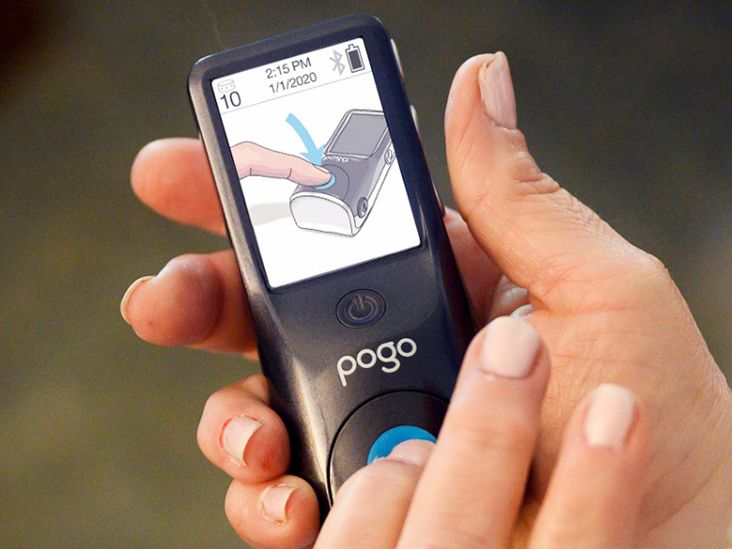
Managing diabetes already comes with enough tiny daily decisions: what to eat, when to test, whether that suspicious “healthy” muffin is secretly a cupcake wearing a gym outfit. For many people, checking blood sugar has long meant carrying a small diabetes toolkit: meter, lancets, lancing device, test strips, tissues, logbook or app, and sometimes the patience of a saint. That is exactly why the POGO Automatic glucose meter attracted so much attention when it became available in the United States. It promised something refreshingly simple: press, test, read, and move on with your life.
The POGO Automatic Blood Glucose Monitoring System from Intuity Medical introduced a different kind of fingerstick testing experience. Instead of asking users to juggle separate lancets and strips, POGO combines automatic lancing, blood collection, and glucose analysis into one handheld device using a replaceable 10-test cartridge. For people who test several times a day, that all-in-one design is not just a gadget upgrade. It is a small quality-of-life improvement that can make blood glucose monitoring feel less like packing for a weekend trip.
This article breaks down what the POGO Automatic glucose meter is, how it works, who may benefit from it, what makes it different from traditional blood glucose meters, and what real-world users should consider before making it part of their diabetes care routine.
What Is the POGO Automatic Glucose Meter?
The POGO Automatic is an automatic blood glucose monitoring system designed for people with diabetes who need to check glucose levels using a fingerstick blood sample. Unlike a standard blood glucose meter, which usually requires a separate lancet, lancing device, and individual test strip, POGO uses a single cartridge that contains supplies for 10 tests.
Once the cartridge is loaded, the user places a finger on the test port and activates the meter. The device automatically lances the finger, collects the blood sample, analyzes it, and displays the glucose result. In plain English: it does the poking and testing in one step, which is a sentence many people with diabetes probably wish had existed years ago.
The system was designed for self-testing outside the body, meaning it is used at home or on the go as part of routine diabetes management. It is not intended to diagnose diabetes, replace professional medical care, or act like a tiny doctor in your pocket. It is a tool for monitoring blood glucose patterns and helping users make informed decisions with guidance from their healthcare team.
Why the “All-in-One” Design Matters
Traditional fingerstick testing works, but it can be inconvenient. A typical routine may involve washing hands, loading or changing a lancet, inserting a test strip, pricking the finger, applying blood, waiting for the result, disposing of the used lancet, and recording the number. That process becomes more annoying when you are in a restaurant, at school, at work, traveling, or sitting in your car wondering why your meter case has somehow become a black hole for test strips.
POGO’s all-in-one design reduces that friction. The 10-test cartridge keeps lancets and test strips integrated inside the device. That means fewer loose supplies, fewer steps, and less public fuss. For someone who avoids testing because the process feels awkward or disruptive, convenience can make a meaningful difference.
Diabetes management depends heavily on usable information. Blood glucose readings help people understand how meals, medication, physical activity, sleep, illness, stress, and timing affect their numbers. A glucose meter cannot make those choices for you, but it can give you the data you need. The easier the testing process becomes, the more likely some users may be to test consistently.
How POGO Automatic Works
Step 1: Load the 10-Test Cartridge
The heart of the POGO system is its replaceable cartridge. Each cartridge contains supplies for 10 tests. After it is inserted into the monitor, the user no longer needs to handle individual lancets or strips for each check. This is one of POGO’s biggest selling points, especially for people who dislike managing small diabetes supplies.
Step 2: Place a Finger on the Test Port
To test, the user places a finger on the device’s test area. The meter automatically performs the lancing and blood collection process. This removes the need to line up a separate lancing device, prick the finger manually, and then carefully touch a blood drop to a test strip.
Step 3: Wait for the Reading
After collecting the sample, the meter analyzes the blood and displays the glucose result within seconds. POGO was promoted as producing a reading after a short countdown, making it useful for people who want a fast, discreet test without turning the moment into a full medical supply performance.
Step 4: Track Results
The POGO Automatic includes digital features such as Bluetooth connectivity and compatibility with the Patterns app. Users can review glucose trends, mark readings around meals, and share information with healthcare professionals when needed. For anyone who has ever looked at a random glucose number and thought, “Okay, but what does this mean?”, trend tracking can be more useful than isolated readings.
Key Features of the POGO Automatic Blood Glucose Meter
The POGO Automatic meter stands out because it combines several practical features into one compact system:
- One-step automatic testing: The device lances, collects blood, and analyzes glucose with a press of a button.
- 10-test cartridge: Supplies are integrated, reducing the need to carry loose lancets and strips.
- Small blood sample: The meter uses a tiny sample, helping reduce mess.
- No coding required: Users do not need to manually code the meter for each batch of strips.
- Bluetooth and USB connectivity: Results can be synced for easier tracking.
- Backlit display: A large display supports readability in different lighting conditions.
- Pre-meal and post-meal marking: Users can better understand glucose patterns around food.
These features are not flashy for the sake of being flashy. They target everyday frustrations: forgetting supplies, dropping strips, struggling with tiny parts, testing in public, and trying to remember whether a reading happened before breakfast or after the “just one bite” office doughnut.
Who Might Benefit Most from POGO Automatic?
The POGO Automatic glucose meter may appeal to a wide range of people with diabetes, but it is especially interesting for users who want simpler blood glucose testing without switching to continuous glucose monitoring.
People Who Test Frequently
People using insulin or medications that can affect blood sugar may need to check glucose multiple times per day. A meter that reduces steps can make frequent testing feel less burdensome. When the process is easier, users may be more likely to test at the times recommended by their healthcare provider.
People Who Dislike Carrying Supplies
Traditional glucose meters often come with a case full of parts. POGO reduces the load by integrating the lancet and strip system into the cartridge. For commuters, students, travelers, and busy parents, fewer pieces can be a big deal.
People With Dexterity or Vision Challenges
Handling tiny test strips and lancets can be frustrating for people with arthritis, tremors, neuropathy, limited vision, or other physical challenges. POGO’s automatic design may make the process easier for some users, although anyone with physical limitations should test the device with guidance before relying on it completely.
People Who Prefer Fingerstick Testing Over CGM
Continuous glucose monitors are powerful tools, but not everyone wants to wear a sensor. Some users experience skin irritation, dislike wearing devices, do not meet insurance criteria, or simply prefer fingerstick checks. POGO offers a middle ground: more automation than a traditional meter, but without wearing a sensor full time.
POGO Automatic vs. Traditional Glucose Meters
A traditional blood glucose meter can be accurate, affordable, and widely available. For many people, it remains the standard option. However, the traditional setup often requires several steps and multiple supplies. POGO’s main advantage is not that it changes what blood glucose monitoring does; it changes how it feels to do it.
With a traditional meter, you usually insert a strip, lance the finger separately, apply blood, wait for the result, and dispose of sharps. With POGO, those steps are condensed into a more automated process. The used lancet and testing materials remain inside the cartridge until disposal after the cartridge is finished.
The trade-off is that convenience may come with questions about cost, cartridge availability, insurance coverage, and personal comfort. Some people prefer adjustable lancing depth on traditional devices. Others may prefer POGO because it removes decision-making and simplifies the workflow. The “best” glucose meter is not the fanciest one; it is the one a person can use correctly and consistently.
POGO Automatic vs. Continuous Glucose Monitors
POGO is not a continuous glucose monitor. A CGM measures glucose trends throughout the day and night using a wearable sensor. POGO provides a point-in-time blood glucose reading from a fingerstick sample. These are different tools with different strengths.
A CGM can be excellent for spotting trends, alerts, and overnight glucose changes. But CGMs may be expensive, may require insurance approval, and may not be comfortable for everyone. POGO keeps the familiar fingerstick model while removing several manual steps. For users who do not want a wearable sensor but still want a more convenient meter, that difference matters.
Some people may use both types of tools depending on their healthcare plan. For example, a person using a CGM may still keep a blood glucose meter for backup checks, symptoms that do not match sensor readings, or times when a sensor is warming up. Always follow your healthcare provider’s recommendations on when and how to check glucose.
Accuracy, Safety, and Smart Testing Habits
Blood glucose meters are medical devices, so accuracy and safe use matter. POGO was marketed as FDA-cleared and designed to meet accuracy requirements. Still, every glucose meter depends on proper use. Clean hands, correct cartridge storage, fresh supplies, and following the owner’s manual are all important.
Users should avoid sharing a blood glucose meter that is intended for single-person use. They should also use control solution checks when recommended, keep supplies within expiration dates, and contact a healthcare professional if readings do not match symptoms. For example, if someone feels shaky, sweaty, confused, or unusually tired but the number looks normal, it is wise to recheck and seek medical guidance rather than shrugging and blaming Mercury retrograde.
Blood glucose numbers are useful because they help reveal patterns. One reading can tell you where you are in the moment. A series of readings can tell a story: breakfast may be raising glucose more than expected, evening walks may help, stress may be affecting numbers, or a medication schedule may need review. A meter is most powerful when paired with thoughtful tracking and professional advice.
Medicare, Insurance, and Availability
POGO Automatic became available in the United States through pharmacy and online channels after its launch. Later, Medicare Part B coverage expanded access for eligible users, with specific billing codes created for the monitor and integrated cartridges. That was a notable development because blood glucose monitoring supplies can become expensive over time, especially for people who test often.
However, anyone interested in POGO should confirm current availability before planning around it. Pharmacy inventory, insurance coverage, DME supplier access, and manufacturer distribution can change. The smartest approach is to ask a pharmacist, diabetes educator, or insurance plan representative whether the meter and cartridges are currently available and covered under your plan.
Questions worth asking include: Is the monitor available locally or online? Are cartridges in stock? Does insurance cover the device, the cartridges, or both? Is a prescription required for coverage? What is the monthly cost based on the number of tests needed? A convenient device becomes much less convenient if the cartridges are hard to find.
Pros and Cons of the POGO Automatic Glucose Meter
Pros
- Reduces the need to carry separate strips and lancets.
- Automates lancing, blood collection, and testing.
- Supports discreet testing in everyday settings.
- Uses Bluetooth and app-based tracking for glucose trends.
- May help users who struggle with small diabetes supplies.
Cons
- Cartridge cost and availability may be a concern.
- Users who prefer adjustable lancing depth may prefer traditional devices.
- It is still a fingerstick meter, not a continuous glucose monitor.
- Insurance coverage can vary by plan and supplier.
- Current availability should be verified before purchase.
Real-World Experience: What Using an All-in-One Meter Feels Like
Imagine a normal Tuesday. Not a dramatic Tuesday. Just the kind where your coffee is slightly too cold, your inbox has multiplied overnight, and lunch somehow happens at 2:17 p.m. instead of noon. For someone managing diabetes, that ordinary day can include several glucose checks. With a traditional meter, each check can feel like unpacking a tiny medical picnic: unzip the case, find a strip, find the lancing device, hope the lancet is fresh, poke, squeeze, apply blood, wait, clean up, and put everything back before the test strip vial rolls under the car seat.
An all-in-one meter like POGO changes the emotional texture of that moment. The biggest difference is not only speed; it is the reduction of “setup energy.” When the supplies are already inside the device, testing feels less like a chore with props. That matters because diabetes management is not one big heroic act. It is hundreds of small actions repeated over time. Anything that makes those small actions easier can feel surprisingly freeing.
For example, testing before a meal at a restaurant can be awkward with a traditional kit. You may not want to spread supplies across the table next to the bread basket like you are preparing for a tiny science fair. With an all-in-one device, the process can be more discreet. You can check, get the number, and return to the conversation before anyone has finished debating whether appetizers are “for the table” or secretly for one person.
Travel is another situation where the design shines. Diabetes supplies have a way of expanding in a bag. A weekend trip can turn into a packing checklist that looks suspiciously like inventory management. Having lancets and strips integrated into cartridges can reduce clutter and make it easier to know how many tests are left. That said, smart travelers would still bring backup supplies, extra cartridges if available, batteries, and a plan for what to do if the meter is lost or damaged.
For caregivers, simplicity can also help. A parent helping a teen, an adult child supporting an older parent, or a spouse assisting with daily care may appreciate fewer manual steps. The fewer loose items involved, the lower the chance of forgetting something, contaminating supplies, or confusing used and unused pieces. This is especially useful when testing happens during busy mornings, after exercise, or when symptoms appear suddenly.
Still, the experience is not automatically perfect for everyone. Some users may find the automatic lancing sensation different from their usual lancing device. Others may care deeply about cost per test. A person who already loves their CGM may see POGO as a backup rather than a primary tool. Someone who likes controlling lancet depth may prefer a traditional lancing device. In other words, POGO solves a real problem, but it does not solve every problem for every person.
The best experience comes from matching the tool to the user’s habits. If someone avoids checking because the process feels messy, public, or annoying, an all-in-one meter may remove enough friction to improve consistency. If someone already checks reliably with a low-cost meter and has no trouble carrying supplies, the upgrade may be less urgent. Diabetes technology should earn its place in daily life by making care easier, clearer, or more sustainable.
Perhaps the most relatable benefit is psychological. When a device reduces the number of steps, it reduces the number of chances to say, “I’ll do it later.” Later is dangerous territory in diabetes care. Later becomes after the meeting, after the drive, after dinner, after forgetting. A simpler meter nudges testing back into the category of quick routine rather than annoying interruption. That is not magic, but it is useful. And in diabetes management, useful beats flashy almost every time.
Final Thoughts
The POGO Automatic glucose meter earned attention because it tackled a familiar problem in diabetes care: fingerstick testing can be effective, but it is often inconvenient. By combining lancing, blood collection, and testing into one cartridge-based device, POGO offered a cleaner and simpler way to check blood glucose without carrying separate strips and lancets.
For people who want less clutter, quicker testing, and easier tracking, the concept is genuinely appealing. The device may be especially helpful for users who test frequently, dislike handling small supplies, or want a discreet alternative to traditional meters without wearing a continuous glucose monitor.
At the same time, practical details matter. Cost, cartridge availability, insurance coverage, comfort, and current supplier access should all be checked before choosing POGO as a primary meter. Diabetes tools are personal. The right one is the one that fits your life, your care plan, and your ability to use it consistently.
Medical note: This article is for educational purposes only and should not replace advice from a licensed healthcare professional. Always follow your diabetes care team’s instructions for when to test blood glucose, how to interpret readings, and what actions to take based on your results.













