
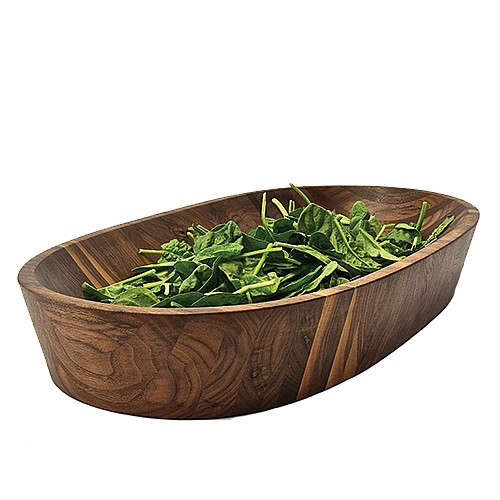
An American Black Walnut Bowl is not the kind of kitchen piece that hides quietly in a cabinet, waiting for lettuce. It has presence. It sits on a counter like it owns the lease. With deep chocolate-brown tones, subtle purple-gray undertones, creamy sapwood highlights, and grain that can look calm one moment and wildly dramatic the next, black walnut turns an ordinary bowl into a small piece of American woodworking history.
Made from Juglans nigra, commonly known as American black walnut or eastern black walnut, this type of wooden bowl is valued for more than looks. Black walnut is a native North American hardwood known for its workability, dimensional stability, shock resistance, and natural beauty. That combination makes it a favorite among woodturners, furniture makers, kitchenware artisans, and anyone who believes a salad bowl should not look like it came from the sad corner of a cafeteria.
Whether used as a walnut salad bowl, fruit bowl, serving bowl, decorative centerpiece, or heirloom gift, an American black walnut bowl brings warmth, craftsmanship, and practical elegance to the home. This guide explores what makes it special, how it is made, how to choose one, how to care for it, and why it continues to be one of the most loved wooden serving bowls in American kitchens.
What Is an American Black Walnut Bowl?
An American black walnut bowl is a wooden bowl made from the hardwood of the black walnut tree. The tree is native to central and eastern North America and has long been prized for its dark, fine-grained heartwood. In woodworking, black walnut is often associated with high-end furniture, cabinetry, veneer, gunstocks, musical instruments, carved objects, and turned bowls.
Unlike mass-produced plastic or ceramic bowls, a handmade walnut bowl carries the fingerprint of the tree it came from. No two bowls are identical. One may show straight, elegant grain. Another may reveal curls, knots, feathering, mineral streaks, or a dramatic contrast between dark heartwood and pale sapwood. In other words, black walnut does not do boring. Even its “simple” pieces have a quiet luxury that feels natural rather than flashy.
Why Black Walnut Is So Popular for Bowls
Black walnut has several qualities that make it excellent for bowls. It is strong enough for daily use, stable enough to resist excessive movement when properly dried, and workable enough for artisans to turn it into graceful curves. It also finishes beautifully, which is important because a bowl is both a tool and an object people touch, carry, wash, and display.
The wood’s color is one of its biggest attractions. American black walnut ranges from medium brown to rich dark brown, often with hints of gray, purple, red, or golden tan. When polished and oiled, the surface can look almost silky. A black walnut wood bowl can feel rustic, modern, farmhouse, Scandinavian, traditional, or gallery-worthy depending on the shape and finish.
The Natural Beauty of American Black Walnut Wood
The beauty of an American black walnut bowl begins in the tree. Black walnut heartwood is famous for its dark color, while the sapwood is much lighter, usually cream or pale tan. Some makers include sapwood intentionally because the contrast creates a bold, organic look. Others prefer all-heartwood bowls for a deeper, more uniform appearance.
Grain patterns vary widely. Straight grain creates a refined, classic look. Figured grain can produce waves, curls, ribbons, or smoky swirls. A turned bowl may show growth rings circling the inside like topographic lines on a map. That natural movement is one reason people choose wood over factory-perfect materials. Perfection is nice, but character is better at dinner parties.
Color That Gets Better With Age
Black walnut changes subtly over time. Freshly finished walnut can appear dark and dramatic, while exposure to light may soften its tone into a warmer brown. This aging process is part of the charm. A well-used walnut bowl develops a patina, the kind of mellow glow that says, “Yes, I have held many salads, and I have opinions.”
Regular oiling can enrich the surface and highlight the grain. The goal is not to make the bowl look shiny like plastic. A good walnut bowl should look alive, with depth and warmth rather than a thick artificial coating.
How American Black Walnut Bowls Are Made
Most high-quality black walnut bowls are either hand-turned on a lathe or carved and shaped by skilled woodworkers. The process begins with careful wood selection. Bowl makers look for pieces with good grain, sound structure, and enough thickness to form the desired shape. Some bowls are made from kiln-dried lumber, while others are rough-turned from green wood and then dried slowly before final shaping.
Turning the Bowl
In woodturning, the walnut blank is mounted on a lathe and spun while the maker uses sharp tools to shape the outside and hollow the inside. This is where experience matters. Too aggressive, and the tool can tear the grain. Too timid, and the shape may become heavy or awkward. A great bowl feels balanced: thin enough to be elegant, thick enough to be durable, and curved in a way that invites use.
After shaping, the bowl is sanded through progressively finer grits until the surface feels smooth. The maker may then apply a food-safe finish, often an oil, wax, or oil-and-wax blend. For bowls intended for dry foods, fruit, bread, popcorn, or salad, a food-safe finish helps protect the wood while keeping the tactile quality of the material.
Handmade vs. Factory-Made Walnut Bowls
A factory-made walnut bowl can still be attractive, but handmade bowls usually offer more personality. You may see tool sensitivity in the curves, more thoughtful grain orientation, and better attention to the rim, foot, and wall thickness. Handmade bowls often cost more because they require labor, skill, wood knowledge, and finishing time. But they also tend to feel more personal, less like a product and more like an object with a story.
Common Uses for an American Black Walnut Bowl
An American black walnut bowl is versatile. It can be practical, decorative, or both. The best part is that it does not need a special occasion. It can make Tuesday grapes look like they were styled by a magazine editor.
Walnut Salad Bowl
A walnut salad bowl is one of the most popular uses. The dark wood creates a beautiful contrast with greens, tomatoes, citrus, nuts, grains, and colorful vegetables. Large black walnut salad bowls are especially striking on a dining table. Use them for leafy salads, pasta salads, grain bowls, roasted vegetables, or family-style sides.
Fruit Bowl or Centerpiece
Black walnut is excellent as a fruit bowl because it brings warmth to a kitchen island or dining table. Apples, pears, oranges, lemons, and bananas all look better in walnut than in a random mixing bowl that still has pancake batter memories.
Serving Bowl for Dry Foods
Walnut serving bowls work well for bread rolls, nuts, popcorn, chips, crackers, wrapped candies, and snack mixes. If the bowl has a food-safe finish and is properly maintained, it can also handle many moist foods for serving, though it should not be used for long-term soaking or storage of wet ingredients.
Decorative Wooden Bowl
Some American black walnut bowls are made primarily for display. Highly figured pieces, live-edge bowls, natural-edge bowls, and sculptural forms can serve as art objects. Place one on a console table, bookshelf, coffee table, or entryway surface and it instantly says, “Someone here has taste and possibly reads care instructions.”
Why Choose Black Walnut Over Other Woods?
Many hardwoods can be used for bowls, including maple, cherry, beech, oak, ash, and birch. Each has its strengths. Maple is pale and hard. Cherry warms beautifully with age. Oak has bold grain. But black walnut has a rare combination of deep color, moderate hardness, excellent workability, and upscale appeal.
Black walnut is not the hardest domestic hardwood, but that can be an advantage for kitchenware. Extremely hard woods may be less pleasant to work, heavier to hold, or harder on tools and knives when used as boards. Walnut lands in a useful middle zone: durable, refined, and comfortable in the hand.
Black Walnut vs. Maple
Maple is lighter in color and often used for cutting boards because of its tight grain and hardness. Walnut is darker, richer, and often chosen when appearance is a major priority. A maple bowl feels bright and clean; a walnut bowl feels warm and luxurious.
Black Walnut vs. Cherry
Cherry has a reddish tone that deepens over time. Walnut starts darker and moodier. Cherry can feel cozy and traditional, while walnut can shift between rustic and modern depending on the design.
Black Walnut vs. Acacia
Acacia bowls are common in stores and often more affordable. They can be beautiful, but many are mass-produced. American black walnut bowls, especially handmade ones, tend to appeal to buyers who want a native hardwood, a darker color palette, and a more heirloom-style object.
How to Choose a Quality American Black Walnut Bowl
Buying a walnut bowl is not complicated, but a little knowledge helps you avoid disappointment. Look beyond the first “ooh, pretty” moment and check the practical details.
Check the Wood Grain
Look for grain that appeals to you. Straight grain is elegant and timeless. Figured grain is more dramatic. Sapwood contrast adds visual energy. Knots and natural inclusions can be beautiful if they are stable and well finished. Avoid bowls with obvious cracks that run through the structure unless they have been professionally stabilized and the bowl is intended mainly for decoration.
Feel the Surface
A good black walnut bowl should feel smooth to the touch. The rim should be comfortable, not sharp or rough. The inside should not have fuzzy grain, sanding scratches, sticky finish, or uneven patches. Your hand can often detect quality faster than your eyes.
Look at the Shape
Shape affects usability. A deep bowl is good for salad or fruit. A shallow bowl works well for bread, snacks, or display. A wide rim may look dramatic but can take up more table space. A small foot can make the bowl look elegant, but it should still sit flat and stable.
Ask About the Finish
For kitchen use, choose a bowl finished with a food-safe oil, wax, or finish suitable for contact with food. Common choices include food-grade mineral oil, walnut oil formulated for kitchenware, beeswax blends, and cured food-safe finishes. Avoid bowls with unknown finishes if you plan to serve food in them.
How to Care for an American Black Walnut Bowl
Wooden bowls are not difficult to care for, but they do ask for basic manners. Treat them well and they can last for many years. Treat them like a dishwasher-safe cereal bowl and they may crack, warp, or glare at you emotionally from the drying rack.
Wash by Hand
Wash your black walnut bowl with mild dish soap and warm water. Use a soft sponge or cloth. Rinse it clean and dry it immediately with a towel. Do not leave it soaking in the sink. Wood absorbs water, and prolonged moisture can cause swelling, cracking, warping, or finish damage.
Avoid the Dishwasher
Never put an American black walnut bowl in the dishwasher. Dishwashers combine heat, water pressure, steam, and detergent in a way that is brutal for wood. The bowl may survive once or twice, but it will not thank you. Eventually the wood can dry out, split, or lose its finish.
Oil the Bowl When It Looks Dry
If the bowl begins to look dull, pale, or dry, apply a thin coat of food-grade mineral oil or another food-safe wood conditioner recommended by the maker. Let the oil absorb, then wipe away the excess. Some owners do this monthly; others do it every few months depending on use, climate, and washing frequency.
Do Not Use Cooking Oils
Vegetable oil, olive oil, and other cooking oils can become sticky or rancid over time. They may smell unpleasant and leave the bowl feeling tacky. Use products intended for wooden kitchenware instead.
Store It Properly
Store the bowl in a dry, well-ventilated place away from extreme heat, direct sunlight, or very damp conditions. Do not place it near a stove burner, heater, or sunny window for long periods. Wood likes a stable environment. It is dramatic enough in appearance; it does not need a climate crisis.
Is an American Black Walnut Bowl Food Safe?
A properly made and maintained black walnut bowl can be suitable for serving many foods. The key words are “properly made” and “maintained.” The bowl should be smooth, cleanable, free from deep cracks, and finished with a food-safe product if it will be used with food.
Wooden bowls are best for serving rather than long-term storage. Use them for salads, fruit, bread, snacks, popcorn, and dry or lightly moist foods. Avoid leaving acidic, oily, or wet foods in the bowl for hours. Tomato-heavy dishes, vinegar-based dressings, and juicy fruit salads should be served and cleaned up promptly.
What About Nut Allergies?
Black walnut wood comes from a nut tree, so people with severe nut allergies may wonder about safety. Finished wood is different from walnut meat, but caution is wise. If you or a guest has a serious walnut allergy, consult a medical professional and consider using a different serving material for shared meals. A beautiful bowl is not worth turning dinner into a medical thriller.
Design Styles: From Rustic to Modern
American black walnut bowls come in many styles, and each one tells a slightly different story.
Live-Edge Walnut Bowls
A live-edge bowl keeps part of the natural outer contour of the tree. These bowls often look organic and sculptural, with uneven rims and dramatic grain. They are popular as centerpieces and art bowls.
Classic Round Salad Bowls
Classic round walnut salad bowls are smooth, symmetrical, and practical. They work well in traditional kitchens, modern dining rooms, and farmhouse settings. This is the little black dress of wooden bowls, except it holds arugula.
Minimalist Walnut Bowls
Minimalist bowls emphasize clean lines, thin walls, and subtle curves. The design lets the wood grain speak without decorative noise. These bowls pair well with modern interiors, stone countertops, white cabinets, and neutral table settings.
Rustic Farmhouse Bowls
Rustic walnut bowls may be thicker, heavier, and more textured. They often celebrate knots, color variation, and hand-shaped character. They look right at home with linen napkins, sourdough bread, and the kind of kitchen where someone owns more than one cast iron skillet.
American Black Walnut Bowl as a Gift
A handmade walnut bowl makes a thoughtful gift because it is useful, beautiful, and long-lasting. It works for weddings, housewarmings, anniversaries, holidays, retirement gifts, client gifts, and milestone birthdays. Unlike many trendy home items, a walnut bowl does not become outdated when a color of the year changes.
For a more personal touch, choose a bowl size and shape that matches the recipient’s lifestyle. A large salad bowl suits someone who hosts dinners. A medium fruit bowl works for a kitchen counter. A small catchall bowl is ideal for keys, jewelry, wrapped candies, or office desk items. Some makers also offer engraving, though subtle engraving is usually better than turning the bowl into a wooden billboard.
Sustainability and Responsible Buying
Because black walnut is valuable, responsible sourcing matters. Look for makers who use sustainably harvested lumber, storm-fallen trees, urban salvage wood, or locally sourced material when possible. A bowl made from salvaged walnut can be especially meaningful because it gives new life to a tree that might otherwise become firewood or waste.
American black walnut is not just a material; it is part of a larger forest ecosystem. Buying thoughtfully supports better woodworking practices and encourages respect for the resource. A cheap bowl of mysterious origin may be tempting, but quality, transparency, and craftsmanship are worth considering.
Price Range: What Should You Expect?
The price of an American black walnut bowl depends on size, wood quality, craftsmanship, finish, and whether it is handmade. Small bowls may be relatively affordable, while large hand-turned or highly figured pieces can cost significantly more. Natural-edge bowls, burl bowls, and gallery-quality forms are often priced as functional art.
When comparing prices, remember that you are paying for more than wood. You are paying for drying time, tool skill, design judgment, finishing, sanding, and the maker’s ability to remove everything that is not a bowl. That last part sounds simple until you try it and create a very expensive walnut mistake.
Common Mistakes to Avoid
Using It Like a Mixing Bowl
A walnut bowl is not ideal for beating eggs, soaking beans, marinating meat, or holding soup overnight. Use it for serving, not heavy wet prep.
Forgetting to Dry It
Letting water sit on the surface can damage the wood. Wash, rinse, and dry right away.
Over-Oiling
More oil is not always better. Apply a thin coat, let it absorb, and wipe off excess. A greasy bowl is not luxury; it is just slippery.
Ignoring Cracks
If a bowl develops cracks, stop using it for food until it is repaired or evaluated. Cracks can trap food particles and moisture.
Experience Notes: What It Feels Like to Own an American Black Walnut Bowl
Living with an American black walnut bowl is different from owning an ordinary serving dish. The first thing you notice is visual warmth. Place it on a white countertop and it immediately softens the room. Put oranges or green apples in it and the contrast looks intentional, even if your actual decorating plan was “move the mail pile slightly to the left.”
In daily use, the bowl becomes part of the rhythm of the kitchen. A medium walnut bowl may start the morning holding bananas and avocados. By lunch, it might serve a quinoa salad with cucumbers and herbs. In the evening, it becomes a popcorn bowl for movie night. It does not feel fragile, but it does encourage a more mindful way of handling objects. You wash it by hand, dry it, and set it back where it can be seen. That small routine makes the kitchen feel a little less disposable.
Guests tend to notice a black walnut bowl. Not always loudly, but in that quiet way people pause and touch the rim. The wood invites contact. Ceramic can be beautiful, glass can be elegant, stainless steel can be practical, but walnut has warmth under the fingers. It feels human. It reminds people of trees, workshops, family tables, and handmade things that do not need a charging cable.
One practical experience worth mentioning is weight. A well-made walnut bowl has a satisfying heft without feeling clumsy. Large salad bowls feel stable on the table. Smaller bowls feel comfortable to pass around. The rim matters more than many buyers realize. A rounded rim is pleasant to hold and easy to clean, while a sharp rim may look sleek but feel less friendly in real use.
Food presentation is another pleasure. Greens look greener. Strawberries look brighter. Bread looks more inviting. Even a simple snack mix seems upgraded when served in a black walnut wood bowl. This is why restaurants, stylists, and home entertainers love wooden serving pieces: they make food feel abundant and relaxed at the same time.
The care routine quickly becomes second nature. At first, some owners worry that wood is high-maintenance. In reality, it is simple: hand wash, dry promptly, oil occasionally, avoid soaking, and never use the dishwasher. That is not demanding; that is just basic respect. Compared with polishing silver or rescuing a burned stainless pan, caring for a walnut bowl is practically a vacation.
Over time, the bowl develops personality. Tiny changes in color, a softer sheen, and the memory of meals served all become part of its appeal. A quality American black walnut bowl is not just purchased; it is gradually adopted. It becomes the bowl you reach for when guests come over, when fruit looks especially good at the market, or when dinner needs one beautiful object to pull the table together.
That is the real charm. An American black walnut bowl is useful enough for everyday life and beautiful enough for special occasions. It bridges function and feeling. It can hold salad, fruit, bread, or nothing at all and still look complete. In a world full of kitchen gadgets that promise miracles and end up in drawers, a walnut bowl does something refreshingly simple: it serves, it lasts, and it looks good doing it.
Conclusion
An American Black Walnut Bowl is more than a container. It is a celebration of native hardwood, skilled craftsmanship, and everyday beauty. With its rich brown color, smooth grain, practical strength, and timeless appeal, black walnut remains one of the best choices for wooden bowls, salad bowls, fruit bowls, and decorative serving pieces.
The best walnut bowls balance form and function. They are smooth, stable, food-safe, thoughtfully shaped, and finished with care. They also reward good habits: hand washing, prompt drying, occasional oiling, and protection from dishwashers and long soaks. Treat one well, and it can become a long-lasting kitchen companion rather than a temporary trend.
For anyone who appreciates natural materials, warm design, and objects with character, an American black walnut bowl is a smart and beautiful choice. It brings a little forest, a little workshop, and a lot of charm to the table. And yes, it will make your salad look more expensive. That is not science, but it is definitely dinner-table truth.













