
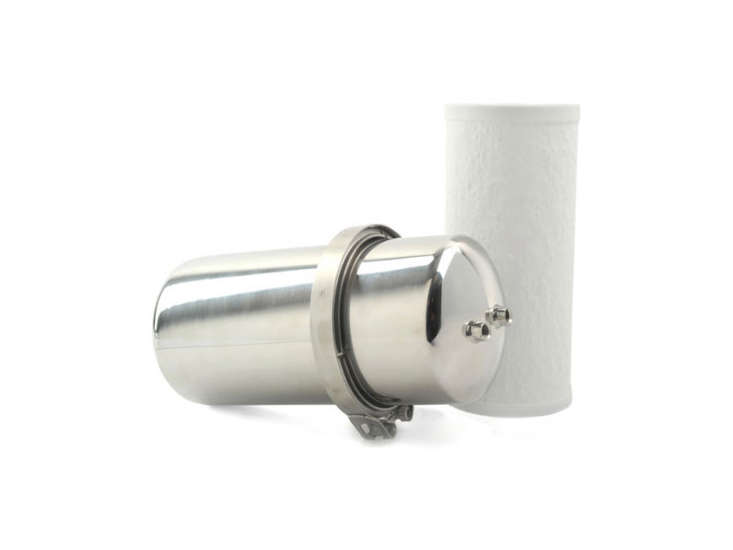
If you’ve ever stood in front of your fridge debating whether your tap water is “fine” or “sketchy,” you’re not alone. Between headlines about PFAS, lead, and arsenic, it’s no wonder more households are upgrading to serious drinking water filtration systems. One standout option in the under-sink category is the Multipure Aquaperform Below Sink system – a compact stainless-steel workhorse designed to live quietly in your cabinet while doing very big things for your water.
In this in-depth guide, we’ll break down what Aquaperform is, how it works, why “below sink” is such a smart configuration, and how it compares with other under-sink water filters and reverse osmosis systems. We’ll also walk through maintenance, installation considerations, and some real-world-style experiences to help you decide if this is the right under-sink system for your kitchen.
What Is the Aquaperform Below Sink System?
The Aquaperform is a premium drinking water system from Multipure, a long-established U.S. brand known for solid carbon block filtration technology. Instead of using loose carbon granules, Aquaperform uses a dense, engineered carbon block combined with special arsenic adsorptive media – specifically designed to reduce Arsenic V along with a wide range of other contaminants.
The below-sink configuration (often referenced as model MP880SB or “Aquaperform – Below Sink”) hides the stainless-steel housing in your cabinet and delivers filtered water through a dedicated faucet on the countertop. It’s certified by NSF International for:
- NSF/ANSI 42 – Aesthetic effects (taste, odor, chlorine, particulates)
- NSF/ANSI 53 – Health-related contaminants, including Arsenic V, some heavy metals, and other harmful substances
- In many configurations, additional certification for “emerging compounds” under NSF/ANSI 401, such as certain pharmaceuticals and industrial chemicals
Key Features at a Glance
- Stainless steel housing for durability and a professional-grade feel.
- Solid carbon block + arsenic media for broad contaminant reduction, including Arsenic V.
- Below-sink install with dedicated chrome faucet (using a small hole in your sink or countertop).
- NSF-certified performance for both aesthetic and health-related contaminants.
- Capacity of several hundred gallons per filter (often rated around 750–960 gallons depending on exact configuration and capacity monitor).
- Designed for city water or treated well water, not as a whole-house filter but as a point-of-use solution at one faucet.
Why Choose a Below-Sink Water Filter?
Before getting into the Aquaperform specifics, it helps to understand why under-sink systems are so popular compared to pitchers, faucet-mount filters, or whole-house filtration.
1. On-Demand Convenience
Under-sink filters provide instant filtered water at a dedicated tap. No more juggling heavy pitchers, waiting for gravity-fed filters, or arguing over who forgot to refill. You simply turn the small faucet handle and get filtered water for drinking, cooking, coffee, and even pet bowls.
2. Better Performance Than Pitcher Filters
Many under-sink systems offer more advanced filtration than a typical pitcher. They often reduce:
- Chlorine, taste, and odor
- Sediment and particulates
- Certain VOCs and industrial chemicals
- Heavy metals or specific health-related contaminants (like Arsenic V in Aquaperform’s case)
By comparison, a lot of pitcher filters focus primarily on chlorine and basic taste, and need frequent cartridge changes to keep up.
3. Cleaner Look, More Counter Space
Because the system lives in your cabinet, your countertop stays uncluttered. The only visible piece is the compact designer faucet, which usually looks like it belongs on a modern sink anyway. For small kitchens, that extra counter space is a big win.
How the Aquaperform Filter Actually Works
The magic of the Aquaperform is in its solid carbon block cartridge plus a specialized media that targets Arsenic V. Water is forced through the dense carbon structure instead of just flowing around loose granules. This increases contact time and improves contaminant removal.
Multi-Action Filtration in One Cartridge
Inside the Aquaperform filter:
- The outer layers help trap sediment and fine particles.
- The carbon block adsorbs chlorine, some VOCs, tastes, and odors.
- The arsenic-adsorptive media specifically targets pentavalent arsenic (Arsenic V), a toxic contaminant that can appear in groundwater.
Multipure’s performance data, tested to NSF/ANSI 42 and 53, shows significant reduction of chlorine, particulates, arsenic V, and a long list of organic compounds and industrial chemicals at the end of the filter’s rated life, not just when it’s brand new.
What Contaminants Does Aquaperform Target?
Exact performance can vary with the water supply, but Aquaperform is designed and certified to reduce:
- Chlorine, taste, odor, and particulates (NSF 42)
- Arsenic V, certain pesticides, herbicides, and organic chemicals (NSF 53)
- Many models are also tested against select pharmaceuticals and “emerging” contaminants under NSF 401.
That combination makes Aquaperform particularly appealing for households that want more than a cosmetic filter but don’t need or want a full-blown reverse osmosis system.
Installation: What “Below Sink” Really Means
The Aquaperform Below Sink kit includes:
- The stainless steel filter housing
- A mounting bracket to attach it to the cabinet wall
- Flexible tubing and connection hardware for your cold water line
- A dedicated chrome faucet that installs through a small (about 0.5″) hole in your sink or countertop
Once installed, your cold water supply is tee’d off to the filter, then routed to the small faucet. Turn that faucet and you get filtered water; your main kitchen faucet continues to deliver unfiltered cold and hot water.
DIY vs Professional Installation
Many homeowners with basic tools (adjustable wrench, drill, screwdriver) are comfortable handling under-sink filters themselves. The steps typically include:
- Shutting off the cold water line.
- Mounting the bracket and housing inside the cabinet.
- Drilling or reusing a faucet hole for the new tap.
- Connecting tubing from the supply line to the filter and from filter to faucet.
- Turning the water back on and checking for leaks.
If drilling through stone, installing in a tight space, or tying into a more complex plumbing set-up makes you nervous, hiring a plumber is perfectly reasonable. This is especially true for any “inline” use (like ice makers or fridge connections), where Multipure itself suggests professional installation.
Maintenance & Filter Replacement
One of the big advantages of an under-sink system like Aquaperform is relatively straightforward maintenance. Most under-sink filters need a cartridge change every 6–12 months, depending on your water quality and usage.
How Often Do You Replace the Aquaperform Filter?
The Aquaperform replacement cartridge (often labeled CB11As) is typically rated for hundreds of gallons of use. Many configurations quote around 600–960 gallons, and some include a capacity monitor that alerts you when it’s time to swap cartridges.
In practical terms, that usually works out to about 6–12 months for an average household. Heavy users (lots of cooking, tea, coffee, and big water drinkers) might be closer to the lower end of that range.
What a Filter Change Looks Like
The user guide walks you through the process step-by-step, but it generally looks like this:
- Turn off the water supply to the filter and release pressure by opening the dedicated faucet.
- Loosen and remove the V-band clamp that holds the top and bottom halves of the stainless housing together.
- Lift off the top section, remove the used cartridge, and check the O-ring for any damage or debris.
- Rinse the housing with warm, soapy water if needed, then insert the new cartridge.
- Reassemble the housing, tighten the V-band, turn water back on, and flush the system according to the manual’s instructions.
As with any water filter, occasional inspections for leaks, drips, or unusual noises are wise. A quick look inside the cabinet when you’re grabbing a trash bag is usually enough to catch issues early.
How Aquaperform Compares to Other Under-Sink Systems
The under-sink category is crowded, from simple carbon cartridges to complex reverse osmosis (RO) systems. Here’s where Aquaperform sits in that landscape.
Aquaperform vs Reverse Osmosis Systems
Reverse osmosis systems, like those from Whirlpool, AquaTru, APEC, and other brands, use multiple stages including a semi-permeable membrane to significantly reduce total dissolved solids (TDS), such as many salts and minerals.
Compared with RO, the Aquaperform:
- Does not strip out as many minerals, so your water may retain more natural taste and hardness.
- Does not require a storage tank or a drain connection, so the install is simpler and uses less space.
- Does not produce wastewater in the way typical RO systems do.
- Still delivers strong reduction of health-related contaminants, including Arsenic V, PFAS, and various organic chemicals, but not to the same TDS-removal level as RO.
If your main concern is dramatically lowering TDS from extremely mineral-heavy or salty water, RO might be more suitable. If you’re on municipal water or reasonably treated well water and want robust contaminant reduction without the extra complexity of RO, Aquaperform shines.
Aquaperform vs Basic Under-Sink Carbon Filters
Many budget under-sink filters focus only on chlorine, basic taste, and some sediment. The Aquaperform distinguishes itself with:
- NSF-certified reduction of Arsenic V and additional health-related contaminants.
- A solid carbon block design instead of loose carbon granules.
- Premium stainless steel construction instead of plastic housings.
You’ll pay more upfront than you would for a basic cartridge, but you’re getting performance closer to high-end systems without RO complexity.
Real-World Experiences with Aquaperform – Below Sink
So what does living with an Aquaperform Below Sink actually feel like day-to-day? While individual results vary, common themes tend to show up repeatedly in user discussions and product descriptions: better taste, peace of mind about contaminants, and “install it and forget it” simplicity.
A Tale of Three Kitchens
1. The Coffee Lover’s Kitchen
Imagine a home where the coffee maker gets more attention than the TV. In a setup like this, the Aquaperform quickly becomes the unsung hero. Instead of using bottled water or rolling the dice with tap water, the coffee lover taps into consistently filtered water straight from the dedicated faucet. Over time, they notice fewer off flavors, clearer ice cubes, and better-tasting tea and coffee. When you start to taste the beans instead of the chlorine, it’s hard to go back.
2. The “We Read Every Water Report” Household
In another home, someone actually reads their annual water quality report (gold star earned). When they see mentions of possible arsenic or PFAS levels, they don’t panic – they research. They end up with Aquaperform precisely because it’s NSF-certified for those health-related contaminants and specifically addresses Arsenic V. Now, instead of second-guessing every glass, they know their filter is tested to reduce what they’re worried about.
3. The Busy Family Kitchen
In a family kitchen, the filtered faucet gets used for everything: filling stainless-steel water bottles for school, rinsing fruit, cooking pasta, making soup, and topping off the dog’s bowl. Parents like that the under-sink filter is out of the way, and kids quickly learn that the “little faucet” is the one that tastes better. Because the Aquaperform’s cartridge lasts for months, it becomes a twice-a-year chore instead of a constant “oops, we forgot to buy pitcher filters again” situation.
Day-to-Day Pros That People Notice
- Better-tasting water: Less chlorine smell, cleaner mouthfeel, and no plastic aftertaste from bottles.
- Improved taste in cooking: Coffee, tea, soup, and even cooked vegetables benefit when the water itself tastes clean.
- Pet-approved: Many owners end up using filtered water for pets, especially if they’re sensitive or have health issues.
- Less waste: Switching from bottled water to a below-sink system cuts down on plastic and repetitive grocery runs.
- Set-and-forget maintenance: Once the system is installed, life with the filter is mostly just turning a faucet and occasionally swapping a cartridge.
Potential Friction Points
No system is perfect, of course. A few realities to keep in mind:
- You’ll need an available faucet hole or be willing to drill one for the dedicated tap.
- The upfront cost is higher than basic filters or pitchers, though often lower than premium multi-stage RO systems.
- If your water has extremely high TDS or very specific contaminants not addressed by the filter’s certifications, you may still want to consider RO or a more specialized system.
Overall, people who choose Aquaperform tend to be the “buy once, buy well” type: they care about certified performance, want a clean installation, and are willing to invest in a long-term solution rather than juggling disposable filters and cases of bottled water.
Is the Aquaperform Below Sink Right for You?
If you’re looking for a below-sink system that goes beyond simple taste improvement and tackles more serious contaminants like Arsenic V, the Multipure Aquaperform Below Sink is a strong contender. It combines:
- Proven NSF-certified contaminant reduction, including health-related contaminants.
- Durable stainless steel construction with a compact footprint.
- Convenient under-sink installation with a dedicated faucet for instant filtered water.
- Reasonable filter life, often measured in many months or hundreds of gallons.
It won’t do everything a full reverse osmosis system can, but for many households on municipal water, it offers an excellent balance of performance, simplicity, and long-term value. If your goal is to upgrade from “tap tastes like a swimming pool” to “this actually tastes great and I know what it’s filtering,” Aquaperform is worth serious consideration.
As always, the smartest move is to look up your local water quality report, identify the contaminants you care about, and then match those concerns to a system whose certifications specifically address them. Aquaperform’s strength is that for many common municipal water issues especially where arsenic V and a mix of industrial and organic contaminants are in play it’s designed to hit that sweet spot between everyday convenience and serious filtration power.














