
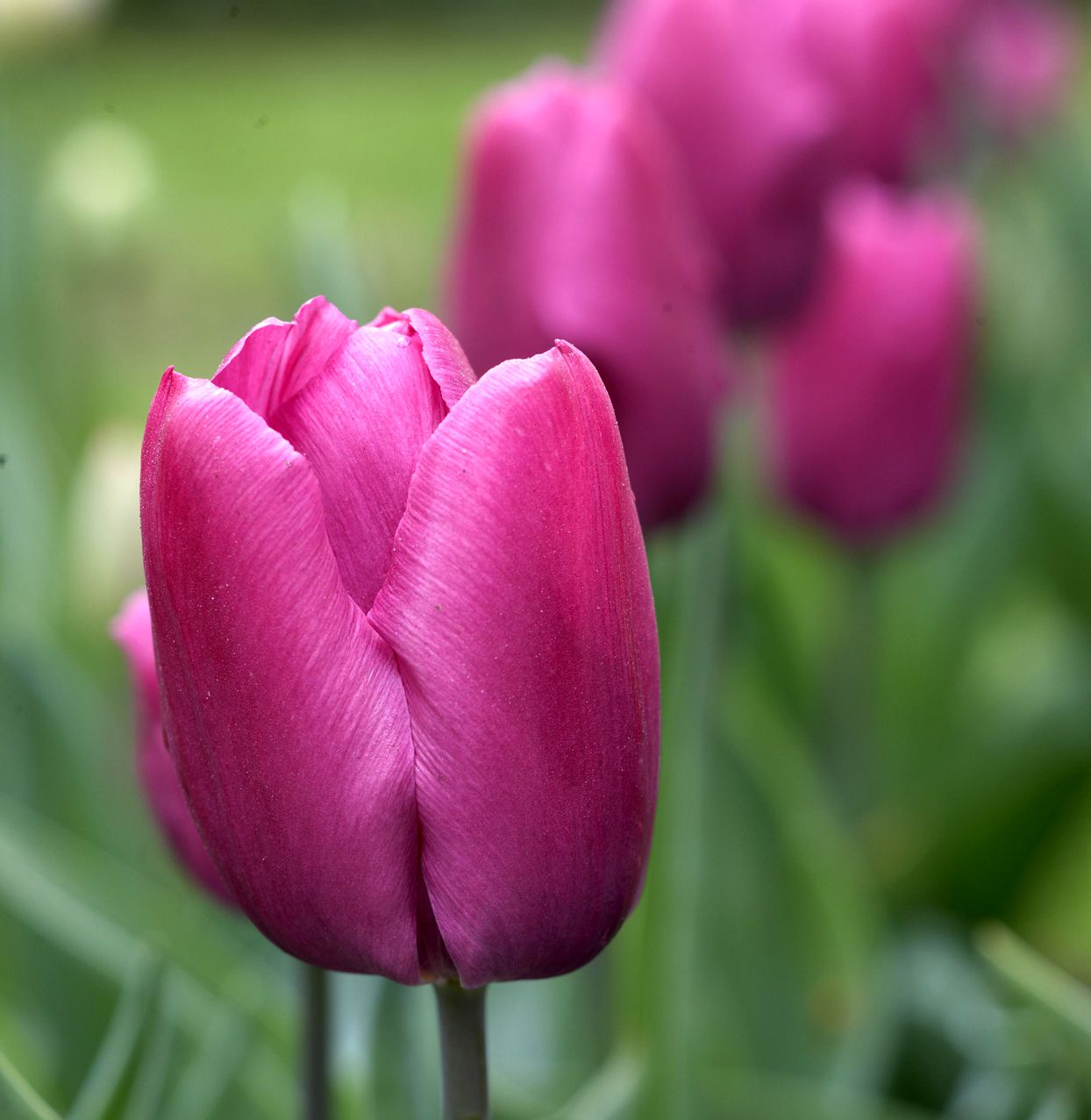
Tulips are the garden equivalent of a grand entrance. They pop up in spring wearing colors that look like they were selected by an overexcited interior designer: lipstick red, buttery yellow, peach, purple, white, orange, and every dramatic blend in between. But after the show ends and the petals fall, many gardeners ask the big question: Are tulips perennials, and do tulips come back each year?
The honest answer is: yes, tulips are technically perennials, but many modern tulips behave more like annuals in the home garden. In other words, the bulb may survive, send up leaves, and even bloom again, but the second-year performance can be a bit like a movie sequel nobody asked for: smaller, weaker, and not nearly as dazzling as the original.
That does not mean you should give up on perennial tulips. With the right tulip varieties, proper planting, good drainage, enough sun, and a little post-bloom patience, tulips can return for several years. Some types, especially species tulips and Darwin hybrids, are far better at making a comeback than the fancy modern hybrids bred mainly for one spectacular spring display.
So, Are Tulips Perennials or Annuals?
Botanically speaking, tulips are spring-blooming perennial bulbs. A perennial plant is one that can live for more than two years, returning from its roots, crown, bulb, or other storage structure. Tulips grow from bulbs, bloom in spring, use their leaves to recharge the bulb, then go dormant underground during summer.
That sounds simple enough. Plant once, enjoy forever, right? Not quite. Many tulips sold in garden centers today are hybridized for huge flowers, unusual colors, long stems, or impressive first-year impact. They are stunning, but they often lack the long-term staying power of older, smaller, or more natural tulip types.
In practice, gardeners often treat tulips in two different ways:
- As annuals: Plant fresh bulbs every fall, enjoy a perfect spring display, then remove them after bloom.
- As perennials: Choose reliable reblooming varieties and leave the bulbs in the ground to return year after year.
Neither method is wrong. It depends on your climate, garden style, patience level, and how emotionally attached you are to the idea of tulips behaving responsibly.
Why Some Tulips Do Not Come Back Well
If tulips are perennials, why do so many disappear after one or two seasons? The problem usually is not one single villain. It is more like a gardening mystery with several suspects wearing muddy boots.
1. Many modern tulips are bred for first-year beauty
Large-flowered tulips, parrot tulips, fringed tulips, double tulips, and many Triumph tulips can be spectacular in year one. But some decline quickly afterward. They may return with leaves but no flowers, or the blooms may be smaller and fewer each year.
This happens because the bulb uses a lot of stored energy to produce that first big flower. If the plant cannot rebuild enough energy after blooming, next year’s show will be weaker. Think of it as spending your entire paycheck on one dramatic outfit and then remembering rent exists.
2. Tulips hate wet summer soil
In their native habitat, many tulips evolved in regions with cold winters, moist springs, and dry summers. That seasonal pattern matters. After blooming, tulips prefer to rest in relatively dry soil. In many American gardens, however, tulips are planted in beds that get regular summer irrigation for annual flowers, lawns, or thirsty perennials.
Too much summer moisture can cause tulip bulbs to rot. If your tulips vanish completely, soggy soil may be the reason. Tulips are not dramatic about many things, but wet feet? Absolutely not. They would like to speak to the garden manager.
3. Leaves are removed too early
After tulips bloom, their foliage may look tired, floppy, and frankly not ready for Instagram. But those green leaves are doing important work. They photosynthesize, sending energy back into the bulb for next year’s growth and flowers.
If you cut, braid, mow, or hide the leaves too soon, the bulb may not store enough food to bloom again. The best rule is to leave tulip foliage in place until it turns yellow or brown naturally. It is not glamorous, but gardening sometimes asks us to tolerate an awkward phase.
4. The climate may not provide enough winter chill
Tulips need a cold period to bloom properly. In colder USDA zones, this usually happens naturally. In warm-winter areas, tulips may not get enough chilling time in the ground. Gardeners in mild climates often plant pre-chilled tulip bulbs and treat them as annuals.
If you live in a region with warm winters, tulips may bloom beautifully the first spring after planting but struggle to return reliably. In those areas, daffodils, leucojum, alliums, or certain other bulbs may be easier long-term choices.
5. Animals consider tulip bulbs a snack
Squirrels, chipmunks, voles, deer, and rabbits can all interfere with tulips. Squirrels may dig bulbs after planting. Voles may eat bulbs underground. Deer may browse flower buds just before they open, which is a special kind of heartbreak.
When gardeners say, “My tulips never came back,” sometimes the bulbs did not fail. They were simply invited to dinner by the local wildlife.
Which Tulips Come Back Best Each Year?
If you want tulips that behave like true perennials, variety selection is everything. The words to look for are perennializing, naturalizing, species tulips, botanical tulips, Darwin hybrid tulips, Fosteriana tulips, Kaufmanniana tulips, and Greigii tulips.
Darwin Hybrid Tulips
Darwin hybrid tulips are among the best choices for gardeners who want classic tall tulips that can return for multiple years. They usually have strong stems, large blooms, and bright colors. Popular examples include red, orange, yellow, and pink varieties that make bold spring displays.
They are not immortal, of course. No tulip signs a lifetime contract. But Darwin hybrids often outperform many other large garden tulips when planted in sunny, well-drained locations.
Species or Botanical Tulips
Species tulips are closer to wild tulips. They are usually smaller than showy hybrid tulips, but they are often much better at coming back year after year. Many also multiply slowly, creating charming natural drifts over time.
Examples include Tulipa clusiana, sometimes called lady tulip, and other compact tulips with starry flowers. These are excellent for rock gardens, borders, gravel gardens, and sunny spots where the soil stays dry in summer.
Fosteriana Tulips
Fosteriana tulips, sometimes associated with Emperor tulips, are known for large early flowers and good perennial potential. They bloom earlier than many tulips and can be a strong option for gardeners who want reliable spring color.
Greigii Tulips
Greigii tulips offer a bonus: attractive mottled or striped foliage. Even after the flowers fade, the leaves still bring interest to the garden. These tulips are generally shorter and sturdy, making them good for borders and windy locations.
Kaufmanniana Tulips
Kaufmanniana tulips are sometimes called waterlily tulips because their flowers can open wide in the sun. They are low-growing, early-blooming, and useful for rock gardens, edging, and natural-looking plantings.
How to Plant Tulips So They Come Back
Getting tulips to return is not just about choosing the right bulb. Planting technique matters. A tulip bulb arrives with everything it needs for its first bloom tucked inside, but future blooms depend on the conditions you provide.
Plant tulip bulbs in fall
Tulip bulbs should be planted in the fall after the soil cools but before the ground freezes. In many cold and temperate regions, that means September, October, or November depending on your zone. The goal is to give bulbs enough time to grow roots before winter without encouraging too much top growth too early.
Choose full sun
Tulips bloom best in full sun, especially in spring. Because many trees have not fully leafed out when tulips bloom, areas beneath deciduous trees may still provide enough early-season light. However, tulips planted in deep shade usually struggle to recharge after flowering.
Use well-drained soil
This is the big one. Tulips need soil that drains well. Heavy clay, low spots, or beds that stay soggy can shorten their life. If your soil is dense, improve drainage with compost, plant in raised beds, or choose a sloped area where water does not collect.
Plant deep enough
A common rule is to plant tulip bulbs about two to three times as deep as the bulb is tall. Many gardeners plant large tulip bulbs around 6 to 8 inches deep. Deeper planting can help protect bulbs from temperature swings and may discourage some digging animals.
Plant in groups, not lonely little soldiers
One tulip is cute. Twelve tulips are a statement. For the best visual impact, plant tulips in clusters or drifts rather than single-file rows. Nature rarely plants flowers in perfect lines, mostly because nature has better taste than a spreadsheet.
How to Care for Tulips After They Bloom
What you do after flowering is one of the biggest factors in whether tulips come back next year.
Deadhead spent flowers
Once the flower fades, remove the spent bloom or seed head. This prevents the plant from putting energy into seed production. The goal is to send energy back into the bulb instead.
Leave the foliage alone
Do not cut tulip leaves while they are still green. Let them yellow naturally. This may take several weeks. If the fading foliage bothers you, plant tulips among perennials such as hostas, daylilies, catmint, salvia, or hardy geraniums. As those plants grow, they can help disguise the aging tulip leaves.
Water wisely
Tulips need moisture during active growth in fall and spring, but they do not want soggy soil. After the foliage dies back and the bulbs go dormant, reduce watering if possible. Avoid planting tulips in beds that receive constant summer irrigation.
Fertilize carefully
If you are treating tulips as annuals, fertilizer is usually not necessary. If you want them to perennialize, a bulb fertilizer or balanced fertilizer applied at planting or as shoots emerge in spring can support stronger growth. Always follow label directions. More fertilizer does not equal more flowers; it can simply equal expensive dirt seasoning.
Should You Dig Up Tulip Bulbs Every Year?
In most colder climates, you do not need to dig up tulip bulbs every year. If the bulbs are in a good spot, leave them in the ground and let them complete their natural cycle. Digging and storing bulbs can be done, but it is usually not required for hardy tulips grown outdoors.
You may want to dig tulip bulbs if:
- The bed gets too much summer water.
- The bulbs are overcrowded and producing more leaves than flowers.
- You want to redesign the garden.
- You live in a warm climate and need to chill bulbs before replanting.
- You are growing tulips mainly for cut flowers and plan to replace them.
If you dig bulbs, wait until the foliage has yellowed. Lift them gently, brush off loose soil, discard soft or diseased bulbs, and store healthy bulbs in a cool, dry, airy place until fall planting.
Why Tulips Come Back With Leaves But No Flowers
One of the most common tulip frustrations is seeing leaves appear in spring with zero flowers. This usually means the bulb is alive but too weak to bloom.
Possible reasons include:
- The foliage was removed too early the previous year.
- The bulb did not receive enough sun.
- The soil stayed too wet during dormancy.
- The variety is naturally short-lived.
- The bulbs are overcrowded.
- Animals damaged the bulbs.
- The climate did not provide enough winter chill.
If your tulips produce leaves but no flowers for more than one season, it may be time to replant with stronger perennial tulip varieties or treat that spot as an annual tulip display area.
Are Potted Tulips Perennials?
Potted tulips can be perennial, but they are less reliable than tulips planted in the ground. Container bulbs experience more temperature swings, dry out faster, and may become stressed after forcing or indoor display.
If you receive potted tulips as a gift, enjoy them while they bloom. After flowering, place the pot in bright light, water lightly, and allow the foliage to die back naturally. Once dormant, you can plant the bulbs outdoors in fall. Do not expect an immediate miracle. They may produce leaves the first year and flowers later, or they may decide retirement suits them better.
Best Tips for Perennial Tulips
If your goal is to enjoy tulips that come back each year, keep the strategy simple:
- Choose Darwin hybrids, species tulips, Fosteriana, Greigii, or Kaufmanniana types.
- Plant bulbs in fall in full sun.
- Use well-drained soil and avoid wet summer conditions.
- Plant bulbs deep enough for stability and protection.
- Deadhead flowers after bloom.
- Let foliage yellow naturally before removing it.
- Protect bulbs and blooms from wildlife.
- Refresh plantings every few years if flowering declines.
My Experience With Tulips That Come Back Each Year
Here is the practical truth I have learned from watching tulips in real gardens: tulips are optimistic, but they are not always loyal. Some come back like dependable old friends. Others make one glorious appearance and then vanish as if they joined a witness protection program for bulbs.
The most successful perennial tulip plantings I have seen usually have three things in common: the right variety, excellent drainage, and patient gardeners who do not chop off the leaves too soon. The tulips that return best are rarely the most outrageous-looking ones in the catalog. The giant ruffled, feathered, double, ice-cream-shaped tulips are fun, but many are best treated as annuals. Plant them for drama, take photos, enjoy the applause, and do not expect them to run a five-year performance schedule.
Darwin hybrids tend to be the sweet spot for many home gardeners. They still look like the classic tulip people imagine when they picture spring: tall stems, big cups, clean colors, and strong garden presence. When planted in a sunny bed with good drainage, they can return for several seasons. The flowers may not be quite as huge after the first year, but the display can still be beautiful.
Species tulips are a different kind of joy. They are smaller, more relaxed, and less formal. Instead of shouting from the garden bed, they sparkle. I especially like them in rock gardens, along pathways, and in areas where a natural look feels right. They do not always give the “bouquet on stems” effect of hybrid tulips, but they are often better companions for a low-maintenance garden.
One mistake many gardeners make is planting tulips in the same beds as summer annuals that need frequent watering. It seems efficient at first: spring bulbs now, summer color later. But tulips want a dry rest after their leaves fade. If the bed is soaked all summer for petunias, impatiens, or thirsty container-style annuals, the tulip bulbs may rot or weaken. A better approach is to plant perennial tulips near drought-tolerant perennials that will fill in later without demanding constant water.
Another useful trick is to plan for ugly foliage. Tulip leaves after bloom are not exactly elegant. They flop, yellow, and look like they have given up on public life. But if you cut them too early, you rob the bulb of next year’s energy. Planting tulips behind or among later-emerging perennials helps hide the mess. Catmint, hardy geraniums, daylilies, hostas, and ornamental grasses can all help distract from fading leaves.
Wildlife protection also matters more than beginners expect. If squirrels dig in your beds, lay chicken wire over newly planted bulbs and cover it with mulch. If deer visit your yard, understand that tulip buds are basically spring candy to them. Repellents may help, but fencing is more reliable. Daffodils are usually less appealing to animals, which is one reason they perennialize more easily in many landscapes.
My favorite tulip strategy is to mix expectations. Use reliable perennial tulips as the backbone of the planting, then add a smaller number of dramatic annual-style tulips for novelty. That way, you get dependable spring color plus a little garden theater. If the fancy tulips return, wonderful. If not, they had their moment, and you can try something new next fall.
So, do tulips come back each year? Yes, they can. But the best results come when you stop treating every tulip the same. Choose the right types, plant them where they can live like tulips want to live, and let the leaves do their awkward but essential work. Do that, and your spring garden has a much better chance of welcoming those bright little cups back for an encore.
Conclusion
Tulips are perennials by nature, but not all tulips are reliable long-term performers in the garden. Many modern hybrids bloom beautifully the first year and then decline, which is why gardeners often treat them as annuals. However, perennial tulips are absolutely possible when you choose strong reblooming types such as Darwin hybrids, species tulips, Fosteriana, Greigii, and Kaufmanniana tulips.
For the best chance of seeing tulips come back each year, plant them in fall, give them full sun, make sure the soil drains well, avoid heavy summer watering, remove spent flowers, and leave the foliage until it yellows naturally. Tulips may be glamorous, but their needs are surprisingly practical: sun, drainage, patience, and a gardener willing to let leaves look messy for a few weeks.
If you want a flawless display every spring, replanting fresh tulip bulbs each fall is the most predictable approach. If you love the idea of tulips returning like cheerful spring guests, focus on perennializing varieties and give them the right growing conditions. Either way, tulips remain one of the most joyful signs that winter has finally packed its bags.










