
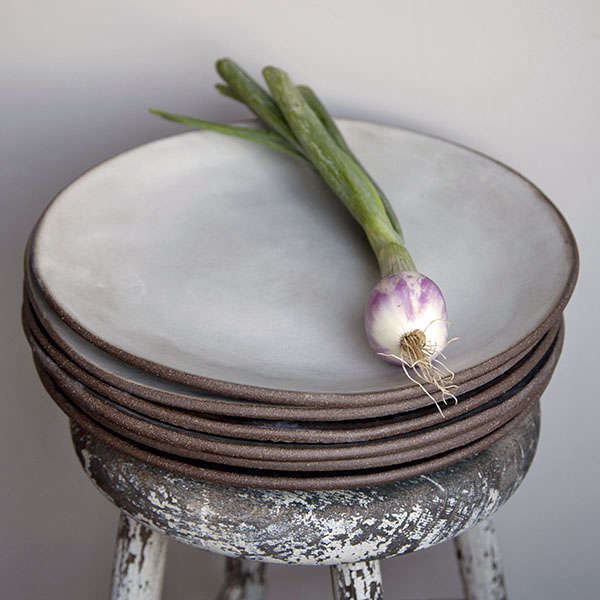
Some restaurant souvenirs are predictable: a matchbook, a blurry photo of dessert, maybe a receipt that makes your wallet sit quietly in the corner and rethink its life choices. At The Progress in San Francisco, however, the souvenir is more elegant. The plate under your dinner may be the very thing you want to take homenot by sneaking it into your jacket like a ceramic raccoon, but by purchasing pieces from the Progress Collection by MMclay, the handmade dinnerware line born from the restaurant’s collaboration with San Francisco ceramicist MaryMar Keenan.
The idea is wonderfully San Francisco: seasonal California cooking, a former silent film theater, shared plates built for convivial chaos, and handmade ceramics that make your roasted vegetables look like they went to art school. The Progress is not just a place to eat; it is a full-table experience where the food, room, service, and dinnerware all behave like members of the same very stylish jazz band.
For diners searching for The Progress San Francisco, Progress Collection dinnerware, handmade ceramic plates, or the best design-forward restaurants in San Francisco, this story sits right at the intersection of food, craft, and hospitality. It is about a restaurant where the meal does not end when the check arrives. It can continue at home, preferably with better lighting and fewer arguments over who gets the last bite.
The Progress: A San Francisco Restaurant with a Built-In Backstory
The Progress is located at 1525 Fillmore Street in San Francisco, right next door to its famous sibling, State Bird Provisions. Both restaurants come from chefs Stuart Brioza and Nicole Krasinski, whose cooking helped reshape the city’s modern dining scene with a spirit of improvisation, abundance, and shared pleasure. The Progress opened as the duo’s larger, more dramatic second act, and the name is not marketing fluff. The building was originally home to the Progress Theater, a silent film theater from the early 20th century.
That history matters. The space is not a blank box with trendy chairs dropped into it five minutes before opening. The restaurant leans into its old bones, with a two-level dining room, warm wood, stone, tile, greenery, skylights, and architectural details that make the room feel both grand and relaxed. It has the glow of a dinner party hosted by someone with excellent taste and an alarming number of plants.
The MICHELIN Guide describes The Progress as a Californian restaurant, and the restaurant’s own philosophy emphasizes modern rustic cooking, whole-animal and whole-vegetable thinking, local farm relationships, smoke, fire, curing, fermenting, preserving, and dehydrating. In plain English: this is food with big personality. It does not whisper politely from the plate. It arrives, pulls up a chair, and tells a great story.
Why the Dinnerware Became Part of the Experience
The Progress is built around sharing. Instead of isolating each diner in a private universe of one entree and two polite side glances, the restaurant encourages the table to eat together. Dishes arrive in generous formats. People reach, pass, debate, negotiate, and occasionally protect the last piece of roti with the intensity of a courtroom attorney.
That kind of dining changes the job of a plate. At The Progress, dinnerware is not just a neutral landing pad. It has to carry family-style dishes, frame colorful vegetables, handle sauces, stack efficiently, survive professional service, and still feel special when a guest looks down between bites. This is where MaryMar Keenan and MMclay enter the story.
Keenan, the founder of MMclay, created the Progress Collection specifically for the restaurant. The collaboration began before The Progress opened, when Brioza commissioned her to make the dinnerware for the dining room. Over time, the collection became more than restaurant equipment. It became a signature visual language: earthy rims, tactile surfaces, handmade irregularity, and glazes that flatter food without stealing the entire show.
Meet MMclay and MaryMar Keenan
MMclay is a San Francisco ceramic studio founded by artist and designer MaryMar Keenan. What began as a small handmade tableware business grew after the Progress Collection attracted attention. Today, MMclay produces multiple lines of handmade tableware and homeware, with a studio and showroom in Hayes Valley. The work is rooted in the belief that everyday ritualsmorning coffee, family dinner, a bowl of soup eaten while standing in the kitchen pretending that counts as dinnerdeserve beauty.
Keenan’s approach to ceramics is food-first. Her plates are designed not as silent decorative objects, but as active partners in a meal. The texture on the underside, the weight in the hand, the raw clay edges, and the way glazes interact with greens, sauces, grains, and meats all matter. In a restaurant like The Progress, where vibrant dishes are designed to be shared, the plate becomes part of the choreography.
This is one reason restaurant ceramics have become such a meaningful design trend. Chefs increasingly understand that presentation does not start when tweezers touch microgreens. It starts with the vessel. A handmade plate can make a dish feel warmer, more grounded, and more personal. It says, “A human made this,” before the first bite says, “A very talented human cooked this.”
Can You Really Take the Dinnerware Home?
Yes, with one important clarification: do not literally take the restaurant’s dinnerware home from the table. That is not a design-forward souvenir; that is theft wearing a nice sweater. The charm of The Progress is that the same spirit of dinnerware used in the restaurant is available through MMclay’s Progress Collection, so guests can legally and cheerfully bring the look into their own homes.
The collection includes plates, bowls, and serving pieces that echo the restaurant’s handmade aesthetic. Depending on availability, shoppers may find salad plates, dinner plates, fruit bowls, rice bowls, serving platters, and other pieces in glazes that range from quiet and earthy to moody and dramatic. The pieces are not mass-market props. They are handmade ceramics, so small variations are part of the appeal. In other words, your bowl may have personality. This is acceptable. Frankly, some of us could use more bowls with personality.
For home cooks, that connection is irresistible. You can dine at The Progress, fall in love with the way a dish looks against a textured ceramic surface, and then build a similar mood at your own table. The food at home may be roasted chicken, a farmers market salad, or emergency pasta at 9:47 p.m., but put it on the right plate and suddenly it has ambition.
The Restaurant Design Makes the Plates Feel Even Better
The Progress is one of those restaurants where the room participates in the meal. Eater SF noted the restaurant’s custom-designed chairs and tables, handcrafted pottery, plants, lights, and curved ceiling. The James Beard Foundation interview with Brioza also highlights how the design was informed by the building’s original curved ceiling, with subtle curves repeated through lamp arms, tables, railings, and workstations.
This matters because the dinnerware does not exist in isolation. A handmade plate on a fluorescent cafeteria table says one thing. The same plate inside a warm, layered, former-theater dining room says something else entirely. At The Progress, the plates feel like they belong to the architecture. The ceramics, wood, greenery, skylights, and shared dishes all reinforce a single idea: dining should feel generous, tactile, and alive.
The best restaurant design is not just photogenic. It makes guests behave differently. At The Progress, the room encourages conversation. The tables invite sharing. The plates slow you down just enough to notice the shape of a sauce, the gloss of a glaze, the way charred bread looks against clay. The result is hospitality with texture, not just hospitality with a reservation system.
Why Handmade Ceramic Dinnerware Works So Well with California Cuisine
California cuisine has always loved seasonality, color, and relaxed confidence. It is less about rigid formality and more about great ingredients handled with curiosity. Handmade ceramic dinnerware fits that philosophy beautifully. A tomato salad looks better on a plate that feels sun-baked. Grilled vegetables gain depth against a raw clay rim. A rice bowl feels more comforting when the bowl has weight, warmth, and slight irregularity.
The Progress’s cooking leans into bold flavor and regional abundance. That means the plates need to support ingredients that may be bright, smoky, fermented, crispy, saucy, herbal, or all of the above. A plain white plate can do the job, of course, but handmade ceramics add emotional context. They make a dish feel less like a product and more like a moment.
There is also a practical reason chefs like custom ceramics. Shape influences plating. A shallow bowl can hold sauce without drowning the dish. A rimmed plate can frame a family-style portion. A heavier serving platter can make a centerpiece dish feel substantial before anyone lifts a fork. When chefs and ceramicists collaborate, they are not just choosing colors. They are designing how people eat.
How to Bring The Progress Look Home
Start with the Way You Actually Eat
Before buying handmade dinnerware, be honest about your table habits. Do you host long dinners? Do you eat grain bowls three times a week? Do you own twelve serving platters and no matching forks? No judgment. The first step is choosing pieces that fit your real life, not your imaginary life in which you casually serve poached pears on a Tuesday.
A simple set might begin with dinner plates, salad plates, and a few bowls. If you entertain often, add a serving platter or fruit bowl. The Progress aesthetic works especially well when pieces are mixed rather than matched with military precision. A little variation makes the table feel collected, not assembled by a spreadsheet.
Let Food Be the Color
One reason earthy ceramics are so useful is that they let the food shine. Greens look greener. Beets look more dramatic. Citrus looks like it has hired a publicist. If you are nervous about investing in handmade dinnerware, choose versatile glazes that work with everyday meals. Warm neutrals, soft whites, clay browns, and gray-blue tones tend to play nicely with a wide range of dishes.
Use the Good Plates on Normal Days
The biggest mistake people make with beautiful dinnerware is saving it for a fictional future event called “someday.” Use it now. Put toast on it. Put leftovers on it. Put a slightly chaotic salad on it and call it lunch. Handmade ceramics become more meaningful when they join daily life. The Progress Collection is appealing because it bridges restaurant drama and home comfort.
What Diners Notice at The Progress
The first thing many guests notice is the energy. The Progress feels lively without losing its sense of craft. It is elegant, but not stiff. It can handle celebrations, date nights, group dinners, and bar visits from people who intended to have “just one thing” and somehow ordered half the menu. The restaurant’s group-friendly format is part of its identity, with spaces that can accommodate small dinners and larger private gatherings.
The second thing diners notice is how the food arrives. Shared plates create a different rhythm. Instead of everyone staring solemnly at their own entree, the table becomes active. Someone serves. Someone compares. Someone claims they “only want a small bite” and then returns with the confidence of a raccoon at a picnic. The dinnerware matters because it supports that movement. Platters and bowls become social objects, passed from hand to hand.
The third thing is the visual memory. Long after the exact wording of a dish fades, guests remember the look: a colorful plate against warm ceramic, a rustic edge, a bowl that felt good in the hand, a dessert that seemed to glow under the room’s lighting. That is how restaurants become memorable. Not through one element, but through dozens of details quietly working together.
Experience Notes: Dining, Touching, and Taking the Feeling Home
A meal at The Progress invites a particular kind of attention. You do not simply sit down, order, eat, and leave. The experience begins as soon as you enter the room and realize the space has a story older than the restaurant itself. The former theater setting gives the dinner a slight sense of performance, but the mood is not theatrical in a fussy way. It feels more like the curtain has risen on a very good party.
The handmade dinnerware becomes noticeable gradually. At first, you may focus on the food because, reasonably, food is the point. But then a bowl lands at the table and you catch the curve of the rim. A platter arrives and the glaze seems to make the dish look warmer. You lift a piece slightly while serving and feel the difference between handmade ceramic and generic restaurant ware. This is the moment when you understand why people talk about plates as part of the meal rather than just the thing under the meal.
That experience can change the way you think about your own table. Most homes do not need restaurant-level drama every night. Nobody is asking Tuesday lentils to wear a tuxedo. But a handmade bowl can make a simple dinner feel intentional. A beautiful plate can turn farmers market fruit into a centerpiece. A serving platter can make roasted carrots look like they were part of a plan, even if the plan was mostly “do something before these carrots become bendy.”
The best takeaway from The Progress is not that every meal at home needs to look like a MICHELIN-recognized restaurant. It is that objects matter. The plate, the bowl, the spoon, the light, the napkin, the tablethese details shape how we experience food. The Progress and MMclay collaboration demonstrates that design is not extra decoration sprinkled on top after the important work is done. Design is part of hospitality.
There is also a satisfying emotional loop in buying dinnerware connected to a restaurant experience. Instead of bringing home a souvenir that sits on a shelf gathering dust and judging you, you bring home something useful. You eat from it. You wash it. You serve friends from it. Over time, the object collects your own meals, not just the memory of one dinner out. That is a better kind of souvenir: practical, beautiful, and unlikely to require a tiny display case.
For travelers visiting San Francisco, The Progress offers a way to experience local food culture beyond the plate. It connects chefs, farmers, designers, craftspeople, and diners in one room. For locals, it is a reminder that the Bay Area’s creative ecosystem is not limited to tech campuses and sourdough starters with names. It lives in studios, kitchens, workshops, and dining rooms where people still make things by hand.
And for anyone who has ever looked at a restaurant plate and thought, “I want this at home,” The Progress offers the rare, civilized answer: you can. Just buy it properly, wrap it carefully, and resist the urge to announce at your next dinner party that your salad is “restaurant-inspired.” Actually, go ahead. You earned it.
Conclusion
At The Progress in San Francisco, dinnerware is not an afterthought. It is part of the restaurant’s identity: handmade, collaborative, useful, beautiful, and deeply tied to the way the food is meant to be shared. The partnership between The Progress and MMclay shows how a plate can carry more than dinner. It can carry a story about local craft, California cooking, restaurant design, and the pleasure of eating together.
The real magic is that this story does not have to stay in the dining room. Through MMclay’s Progress Collection, guests can bring a piece of that experience home and use it in everyday life. That is the quiet genius of the whole idea. The souvenir is not a logo. It is a plate waiting for your next meal.
Note: Menu details, operating hours, dinnerware availability, and product pricing may change. Check directly with The Progress and MMclay before planning a visit or purchase.













